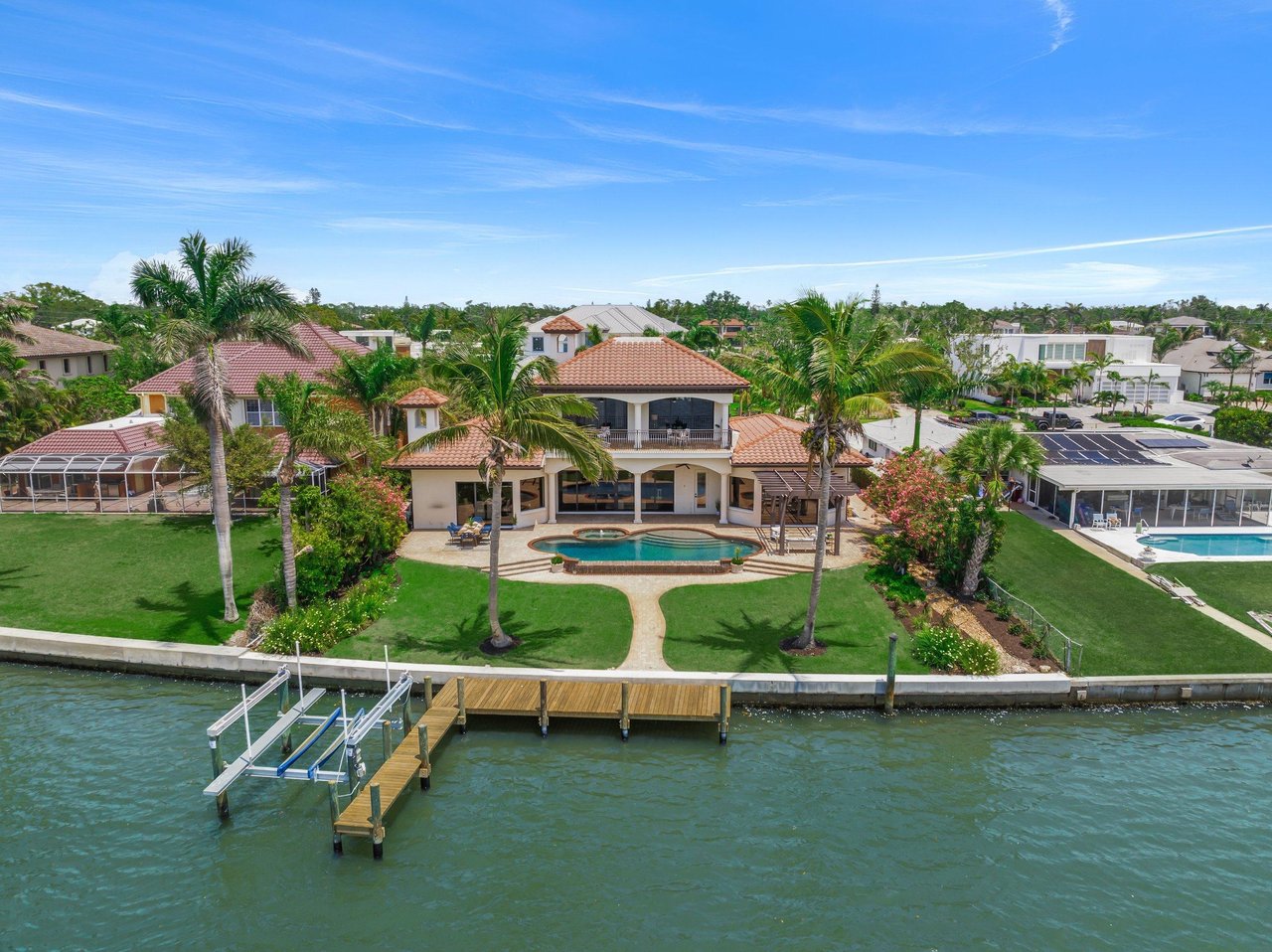
San Remo Estates, Sarasota: The History of the Neighborhood Built Around a Harbor
Florida Luxury Real Estate Danielle Gladding & Alison Kanter August 10, 2026
Florida Luxury Real Estate Danielle Gladding & Alison Kanter August 10, 2026
The name on the street signs belongs to a man who never built a thing.
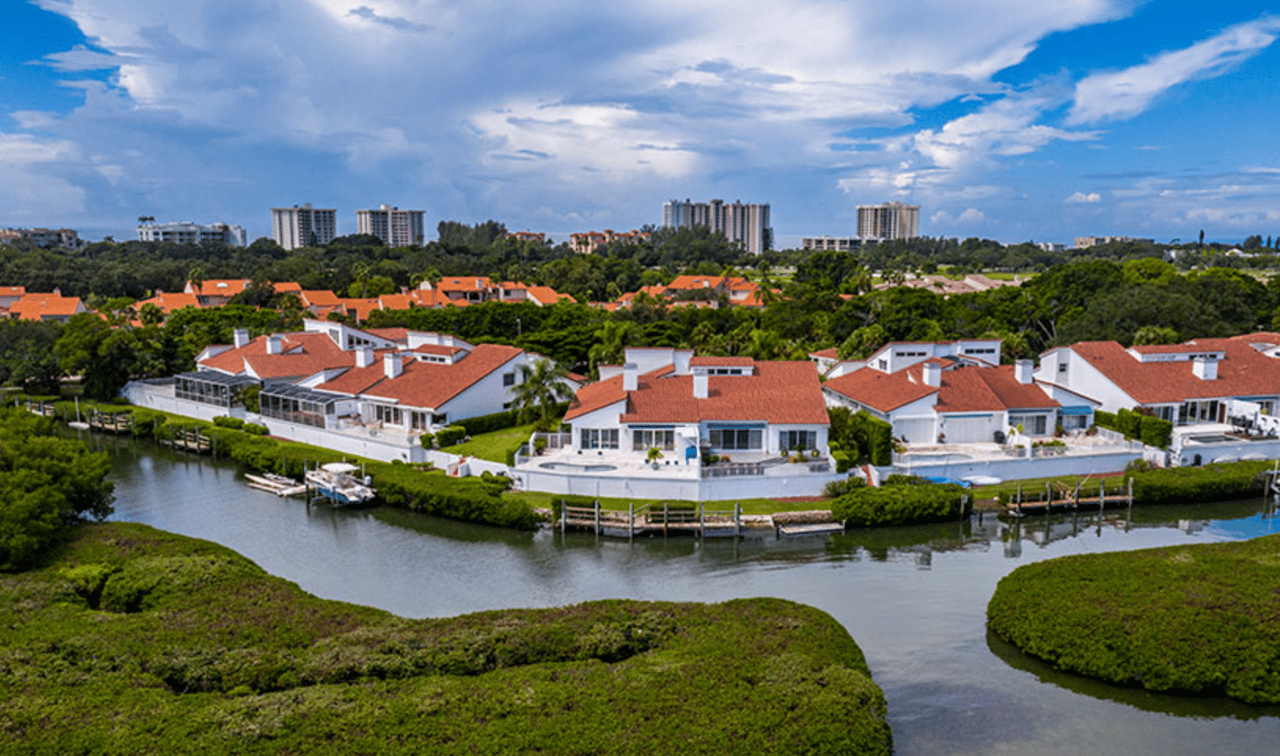
San Remo Estates sits on the Sarasota mainland just south of Siesta Drive, three streets wrapped around a private yacht basin, in the corridor West of the Trail. The neighborhood as it stands was recorded between 1953 and 1956. But the name is thirty years older than the houses, and it was attached to that ground by a Chicago developer who announced a subdivision, formed a corporation, hired an architect, and then watched the Florida Land Boom collapse underneath him before a single lot was cleared.
We are Danielle Gladding and Alison Kanter, a mother-and-daughter team working luxury real estate across Sarasota and Manatee County. Danielle arrived in Sarasota in 1976 and has been licensed as a Realtor since 1981 and as a Broker since 1987. Alison holds an MBA from Clemson and came to real estate from a career with a multinational corporation, and she is the one who pulls the plats and reads them line by line. We wrote this because the story of how this neighborhood came to exist is genuinely remarkable, and because most of what circulates about it online is wrong in ways that are easy to check.
October 1923 — Edith Atkinson, the first female judge in Dade County, and her business partner John Kerns of Duval County assemble the land in two purchases.
1926 — Chicago developer Michael Schiavone buys the tract, forms the San Remo Improvement Corporation, and announces a subdivision named for the Italian Riviera resort. The boom collapses. Nothing is built.
1926 to 1952 — twenty-six years. The property changes hands, the name stays attached to it, and the bay bottom stays bay bottom.
1952 — Raymond J. Roy of Roy Construction Company acquires a little over twenty acres, then adds roughly thirty acres of submerged land and fills it, producing approximately fifty developable acres and a basin cut into the middle.
1953 to 1956 — three plats recorded in three units. Roy brings other builders in deliberately so the houses would not all look alike. At least one house here is a Victor Lundy.
The assembly happened in two purchases in October 1923. The buyers were Edith Atkinson — the first female judge in Dade County — and her business partner John Kerns of Duval County. They bought one parcel from Hattie Campbell and the Laniers, and a second from A.B. Edwards, a former Sarasota mayor and one of the significant landowners of the era.
It is worth sitting with that for a second. In 1923, a woman who had already broken into the Florida judiciary was buying waterfront acreage on speculation on the other side of the state. She does not appear in any of the marketing copy written about this neighborhood, which is a small shame, because she is the most interesting person in the chain of title.
What Atkinson and Kerns bought was not what exists now. The upland was a little over twenty acres. Everything that is today the yacht basin and most of the lots around it was still Sarasota Bay.
The tract then drew Michael Schiavone, a Chicago developer working in Florida during the last year anyone was still confident about the boom. He bought it, formed the San Remo Improvement Corporation in 1926, and announced a subdivision named for the Italian Riviera resort town.
The announced plan had residential and business sections, filled acreage held behind seawalls, and an apartment hotel to be designed by the architect Alfred C. Clas. On paper it was ambitious and entirely of its moment — the Florida of 1926 produced dozens of these announcements, complete with corporations, architects, and renderings.
Then the boom ended. The plan was abandoned. Nothing was built. Schiavone never turned a shovel on the property that carries the name he chose for it.
This is the part of the story that most accounts skip, and it is the part that explains the neighborhood.
From 1926 to 1952, San Remo existed only as a name on a piece of ground. The property changed hands. The Depression came and went. The war came and went. Sarasota stayed a winter town. And the thirty acres that would eventually become the basin and its surrounding lots remained what they had always been, which was the bottom of Sarasota Bay.
Twenty-six years is a long time for a name to survive with nothing under it. It survived because there was nothing to replace it with.
Then Raymond J. Roy of Roy Construction Company acquired the property and did the thing everyone before him had only announced.
The Sarasota County Historical Commission marker that stands today at Siesta Drive and Tangier Terrace records the sequence plainly. Roy acquired a little over twenty acres in 1952. By 1953 he had added roughly thirty acres of submerged land. Once those bay bottoms were filled, approximately fifty acres were available to develop.
Read that arithmetic again, because it is the whole neighborhood. More than half of San Remo Estates did not exist as land until Roy made it. He did not build beside the water; he built the water’s shape. The basin at the center is not a natural feature that a subdivision was fitted around. It is a decision, executed with a dredge.
And it is a decision nobody can repeat. Florida’s dredge-and-fill regime tightened substantially in the decades that followed, and Sarasota Bay carries protections today that Roy simply did not have to work around in 1952. Whatever anyone thinks of that trade — and there is a real argument to be had about what was lost when Florida filled its bays — the practical consequence for a buyer in 2026 is straightforward. The roughly sixty-eight houses wrapped around this basin are the entire supply of this arrangement that will ever exist.
Roy was building into a wave. Sarasota’s population went from 18,896 in 1950 to 34,083 in 1960. San Remo is one of the neighborhoods that turned Sarasota from a winter town into a city, in the same decade that filled in McClellan Park and put the first houses into Harbor Acres.
San Remo was not laid out all at once, and the sequence explains a discrepancy buyers run into constantly.
Unit No. 1 was dedicated by Roy Construction Company, acknowledged before a notary on 6 January 1953, approved by the Board of County Commissioners the same day, and certified by W.A. Wynne, Clerk of the Circuit Court, on 13 January 1953. It is recorded at Plat Book 6, Pages 36 and 36-A. Its plat sheet already shows the yacht basin drawn, with Units 2 and 3 marked as not included and still to come. The basin was the plan from the first sheet.
Unit No. 2 followed in November of the same year, recorded at Plat Book 7, Page 36 and 36-A. Its dedication conveys the streets and the parks to public and municipal use, and its sheet still shows Unit No. 3 outlined to the southwest with a notation that it was to be developed. This is also the plat that carries the riparian provision extending waterfront lot boundaries to navigable water or to the limit of the property purchased from the State of Florida — a provision that still governs where a lot legally ends today.
Unit No. 3 came three years later, filed and recorded on 26 March 1956 at Plat Book 9, Page 12, surveyed by Mosby Engineering Associates with a survey date of 4 February 1956. It is recorded as a replat of Lot 15 of Unit No. 1.
That last detail answers a question we get asked a lot. Published counts for San Remo range from sixty-seven to sixty-nine homes, and people assume somebody made an error. Nobody did. A lot recorded in the first plat was replatted into the third, so the three units do not sum cleanly. It is not a mistake in the sources. It is a consequence of how the neighborhood was built.
Raymond J. Roy signed as president on all three plats. Irene Roy signed as secretary on the later two.
Roy made one more choice that is still visible from the car, and it is the reason San Remo does not read like a 1950s tract.
He allowed other builders to work inside the subdivision, specifically so the designs would vary. That was not the norm. The standard postwar Florida subdivision was one builder, a handful of floor plans, and a street that repeats itself every fourth house. Roy went the other way on purpose.
The result is that San Remo has always carried architectural variety, and at least one house here was designed by Victor Lundy — a principal architect of the Sarasota School of Architecture and one of the most significant figures in twentieth-century American design. Many of the original ranch-era houses have been replaced or heavily modified since the 1950s, which is what happens on desirable waterfront everywhere. But mid-century houses remain.
If one of them is on your list, establishing its provenance before it gets renovated out of existence is worth doing — both because it is the right thing to do with a significant building, and because documented provenance is a durable value argument that a comparable-sales analysis will not catch on its own. The same logic drives the way we read the original buildings on Golden Gate Point, where era matters enormously and almost nobody tracks it.
History on a neighborhood page is usually decoration. Here it is due diligence, and it changes three specific things.
Most of San Remo sits on filled bay bottom behind seawalls. We do not raise that to be discouraging — the neighborhood has stood for seventy years, and a great deal of Florida’s sought-after waterfront is made exactly the same way, including addresses nobody hesitates over. We raise it because it changes what matters in an inspection. Seawall age and condition, documented repair history, elevation, and a current survey all carry more weight here than they do on natural upland. Ask for the seawall records specifically. They exist more often than people expect, and their absence tells you something too. The same questions govern at Bay Point Park’s boat basin, which was built the same way in the same era.
Units 1, 2, and 3 were recorded three years apart and carry different subdivision codes in county records. They are not interchangeable when someone is pricing a house. Find out which unit a parcel sits in and pull the plat behind it before anyone talks about what the neighbors sold for.
The Unit No. 2 riparian provision extends waterfront lot boundaries to navigable water, or to the boundaries of the property purchased from the State of Florida. It does not resolve identically on every parcel, and a current survey is the only way to see what it means for a specific address. This is exactly the kind of thing that is invisible in a listing and expensive to discover after closing.
Most of the buyers we work with in this corridor are arriving from New York, Illinois, Massachusetts, Michigan, Connecticut, or New Jersey, and the questions are consistently the same. Homestead and portability. How Florida property tax actually assesses after a purchase. Insurance on older coastal houses. What changes when the season starts.
We put all of it in one place. Our Sarasota Relocation Guide covers the tax picture, the insurance landscape, flood zones, the seasonal rhythm of the market, and a neighborhood-by-neighborhood comparison across Sarasota and Manatee County. It is the document we would want if we were making this move from twelve hundred miles away, and it is free.
If you want the surrounding context first, the same corridor holds Harbor Acres, Bay Point Park, Avondale, and McClellan Park, and the mainland around them holds Southside Village, Marie Selby Botanical Gardens, and the Sarasota Memorial healthcare corridor.
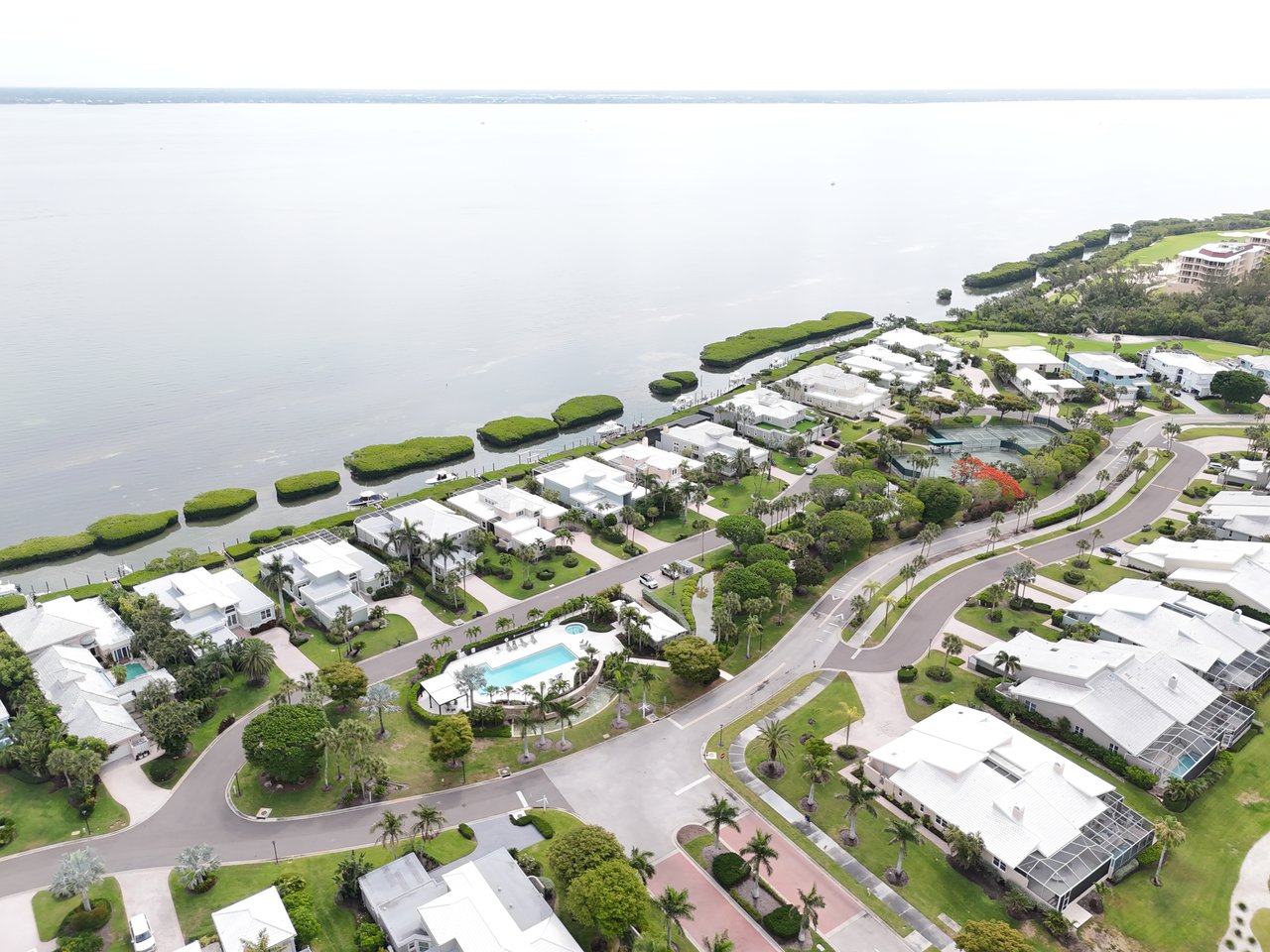
Three streets. Tangier Terrace, San Remo Terrace, and Tangier Way. Roughly sixty-eight homes wrapped around a platted yacht basin with a channel running out to Sarasota Bay, and no fixed bridge between those docks and open water in either direction. Inside the City of Sarasota, not unincorporated county, which means city code governs setbacks, height, lot coverage, tree protection, and rental rules.
For the full picture — the water and what the bridge geometry actually allows, the parcel-level flood answer, the zoning split inside the plat, current availability, and the nine things we verify before writing an offer here.
We will tell you which streets are strong, what the seawall and flood picture looks like on a given block, and which two or three neighborhoods you should be comparing this one against. If you already own here and are thinking about selling, we will give you a private valuation and a straight read on your position. Reach out whenever you are ready. A private conversation costs nothing.
San Remo Estates was built by Roy Construction Company, whose president Raymond J. Roy acquired the property in 1952 and recorded three plats between 1953 and 1956. Roy signed as president on all three plats and Irene Roy signed as secretary on the later two. An earlier developer, Michael Schiavone, announced a subdivision on the same land in 1926 but never built it.
San Remo Estates was recorded in three separate plats between 1953 and 1956. Unit No. 1 was certified by the Clerk of the Circuit Court on 13 January 1953, Unit No. 2 was recorded in November 1953, and Unit No. 3 was filed on 26 March 1956 as a replat of Lot 15 of Unit No. 1.
San Remo Estates takes its name from the Italian Riviera resort of San Remo, chosen in 1926 by Chicago developer Michael Schiavone for a subdivision he announced but never built. The Florida Land Boom collapsed before construction began, and the name stayed attached to the property for the next twenty-six years until Roy Construction Company developed it in the 1950s.
Edith Atkinson was the first female judge in Dade County, and in October 1923 she and her business partner John Kerns of Duval County assembled the land that became San Remo Estates. They purchased one parcel from Hattie Campbell and the Laniers and a second from A.B. Edwards, a former Sarasota mayor and a significant landowner of the era.
Yes — most of San Remo Estates sits on filled bay bottom. The Sarasota County Historical Commission marker records that Raymond J. Roy acquired a little over twenty acres in 1952 and added roughly thirty acres of submerged land by 1953, producing approximately fifty developable acres once filled. This is why seawall condition, documented repair history, elevation, and a current survey carry particular weight in due diligence here.
Yes — a Sarasota County Historical Commission marker stands at Siesta Drive and Tangier Terrace at the entrance to San Remo Estates. It records the 1923 land assembly, the 1926 San Remo Improvement Corporation, Raymond J. Roy’s 1952 acquisition and the filling of the submerged land, and the Victor Lundy house in the subdivision. It is publicly accessible and legible at full resolution.
At least one house in San Remo Estates was designed by Victor Lundy, a principal architect of the Sarasota School of Architecture, according to the Sarasota County Historical Commission marker. Roy Construction deliberately allowed other builders to work in the subdivision so the designs would vary, so San Remo was never a single-builder tract. Many original ranch-era houses have been replaced or modified since the 1950s.
Published counts for San Remo Estates range from sixty-seven to sixty-nine homes because the three recorded units do not sum cleanly. Unit No. 3 was recorded as a replat of Lot 15 of Unit No. 1, so a lot counted in the first plat reappears in the third. Anyone comparing this neighborhood to another by size should work from the recorded plats rather than from a listing site.
San Remo Estates sits on the Sarasota mainland immediately south of Siesta Drive, a block short of the north bridge to Siesta Key, within the area locally known as West of the Trail. It consists of three streets — Tangier Terrace, San Remo Terrace, and Tangier Way — wrapped around a platted yacht basin with a channel running out to Sarasota Bay.
We publish a free Sarasota Relocation Guide covering the Florida tax picture, homestead and portability, the insurance landscape, flood zones, the seasonal rhythm of the market, and a neighborhood-by-neighborhood comparison across Sarasota and Manatee County. It also lays out drive times to the airport, downtown, and the beaches. It is written for buyers relocating from out of state who are comparing neighborhoods before they have spent much time here.
Downtown Sarasota — the urban core
Harbor Acres — West of the Trail
Danielle Gladding arrived in Sarasota in 1976 and has sold across the West of the Trail neighborhoods since 1981. She has been a licensed Florida Realtor since 1981 and a broker since 1987, and runs Danielle Gladding & Co. Realty with her daughter and Sales Partner Alison Kanter, who was born and raised in Sarasota and has been licensed since May 2023. Danielle: (941) 539-8535 · Alison: (941) 306-9786
Stay up to date on the latest real estate trends.
Moorings Marina
The Resort at Longboat Key Club offers Bay Isles residents 45 holes of championship golf, 20 Har-Tru tennis courts, a 291-slip marina, spa, fitness, and exceptional di… Read more
Longboat Key
Two guarded gates sit on south Longboat Key. This is the one on Longboat Club Road, and the nine properties behind it.
Bay Isles
Weston Pointe, The Bayou, Sabal Cove, Winding Oaks, Queens Harbour, Corey's Landing and Grand Bay, and how to choose between them
Longboat Key
The Town says the pipes behind the gates are not its own. What the 1976 Declaration, the estoppel certificates and Florida's disclosure rules show a buyer.
Lifestyle
After nearly a decade on paper, docks are going in behind the old Pattigeorge's lot. The restaurant is still in design. Here is the whole story, back to 1957.
Longboat Key
What was applied for at 6960 Gulf of Mexico Drive, and what happens next
Longboat Key
Two Town of Longboat Key projects share one park this season: rebuilt pickleball and basketball courts, and a federally funded seawall habitat retrofit.

Lakewood Ranch
How community development district and Stewardship District assessments work in Lakewood Ranch, and how to find a home's obligations before you make an offer.

Sarasota
How the County, the City and the Town of Longboat Key each measure the 50 percent line, and what it means for an older home you plan to renovate.
Relocating to Sarasota
The paperwork, deadlines, travel routes and insurance questions that matter most when the move starts in Chicago, Ohio, Michigan or Minnesota.

Longboat Key
The building money is in place; the operating money is not. What the Town has approved, what the plans show and what is still open.

Buying
What insurers want to see on the roof, wiring, plumbing and air conditioning of an older Sarasota home, and when to find out.

Bay Isles
Sea turtle nesting season on Longboat Key runs May 1 through October 31, and the Town’s Chapter 100 ordinance reaches any property whose artificial light is visible fr… Read more
Longboat Key
Greer Island, the north-end spit that locals call Beer Can Island, has needed no emergency dredge since 2023, four years after Longboat Key completed its seven-groin n… Read more

Sarasota
No Florida law decides it; the contract does, and the custom runs opposite ways in Sarasota and Manatee County.
Why Queens Harbour on Longboat Key Offers a Lifestyle Few Communities Can Match
Community
The club that nearly closed, and what it funds now
Longboat Key
What the milestone reports and structural reserve studies actually tell a buyer
Sarasota
What the ballot measure would change, and the federal rule people confuse it with
Longboat Key
Every 2026 winner, a Small Business of the Year category that did not exist last year, and a farewell for town manager Howard Tipton.
Longboat Key
The Town's 30-day floor, why state law leaves it standing, the rental registry, and the association rules that often go further.
Buying
Two Gulf Coast cities about 60 miles apart, compared on the facts a relocating buyer can check.

Sarasota Real Estate
What the state's uniform mitigation form records, who may sign it, and where it fits in a Sarasota purchase.
Buying a Home
How insurance binding, the Florida contract and a post-storm walk-through keep a June-to-November closing on schedule in Sarasota and Manatee counties.

Siesta Key
Where Siesta Key sits, how the island is laid out, which rules apply, and what to check before an offer on a home or condo.
Laurel Park
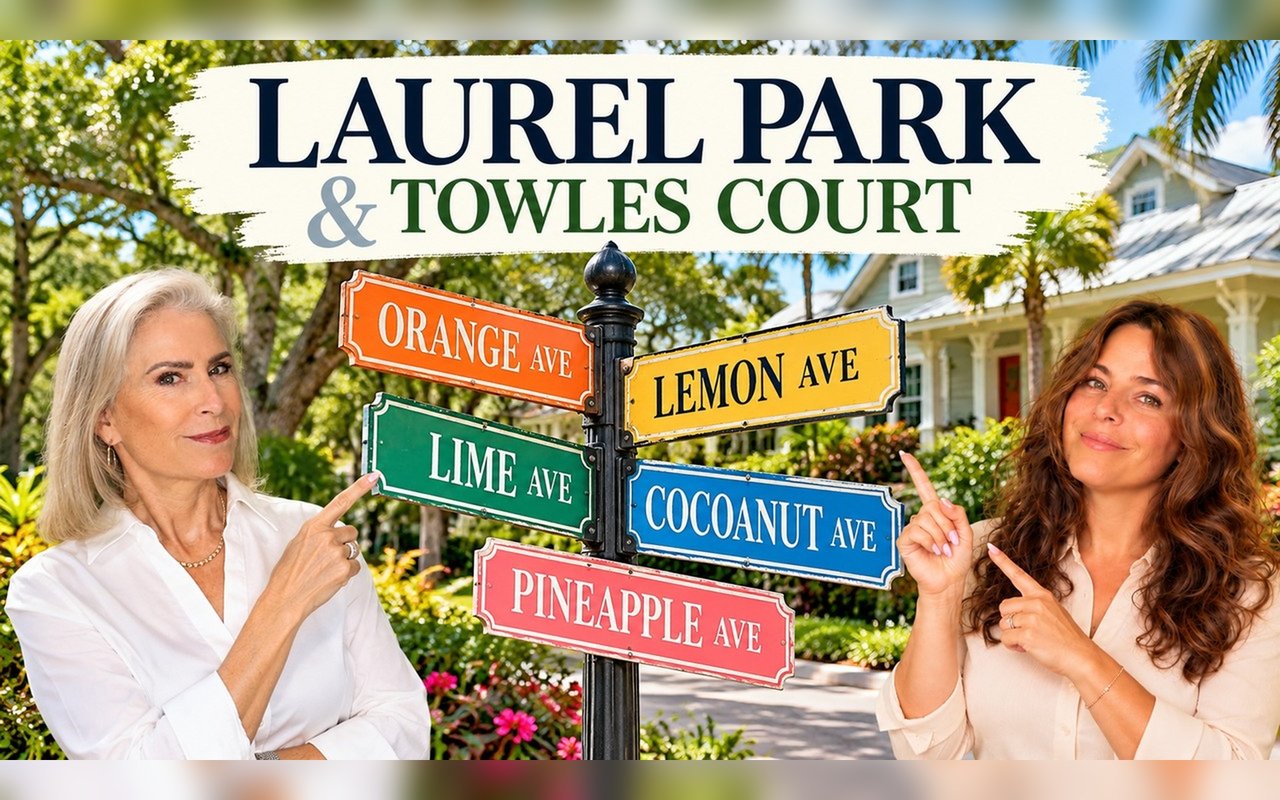
Two historic neighborhoods beside downtown Sarasota — the fruit streets, the orchid man, an artists' colony, and the apartment building we renovated ourselves.
Downtown Sarasota
Fifteen 1920s cottages, the developer who built Ca' d'Zan, the Chalk Festival's first home, and why two buildings side by side can be decades apart.
Downtown Sarasota
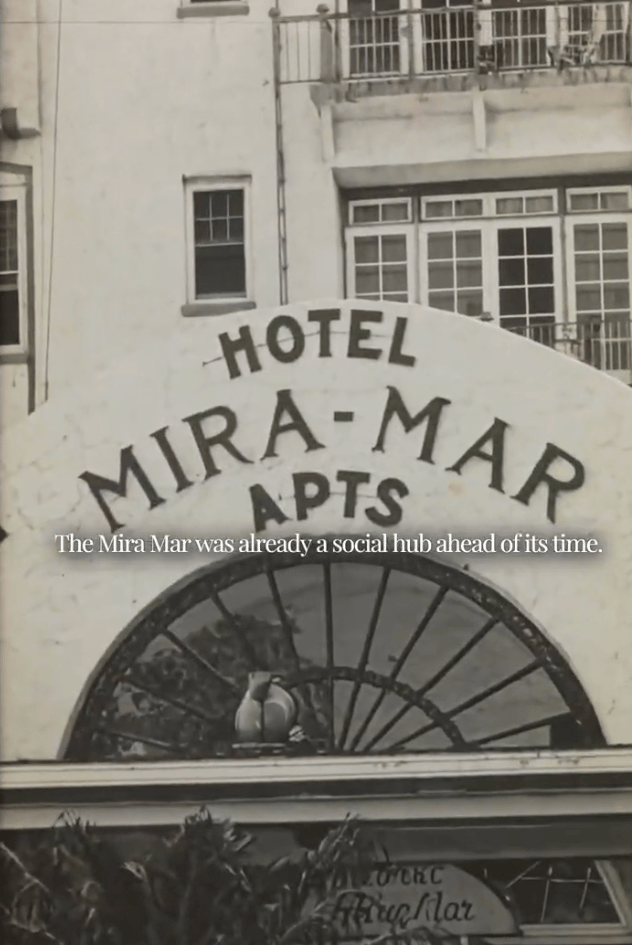
The quieter half of downtown Sarasota, block by block — the Mira Mar, Florida Studio Theatre, and what to check before you buy on this side.
Downtown Condos
Two 18-story towers are rising behind the 1922 Mira Mar on Palm Avenue. What is being built, what is being saved, and what to know before signing on a condo that is no… Read more

Longboat Key
Saturday, December 5, 2026 at Ken Thompson Park. Thirty-two local restaurants, eight hundred guests, and a record $123,900 raised last year for children in foster care… Read more
Lifestyle
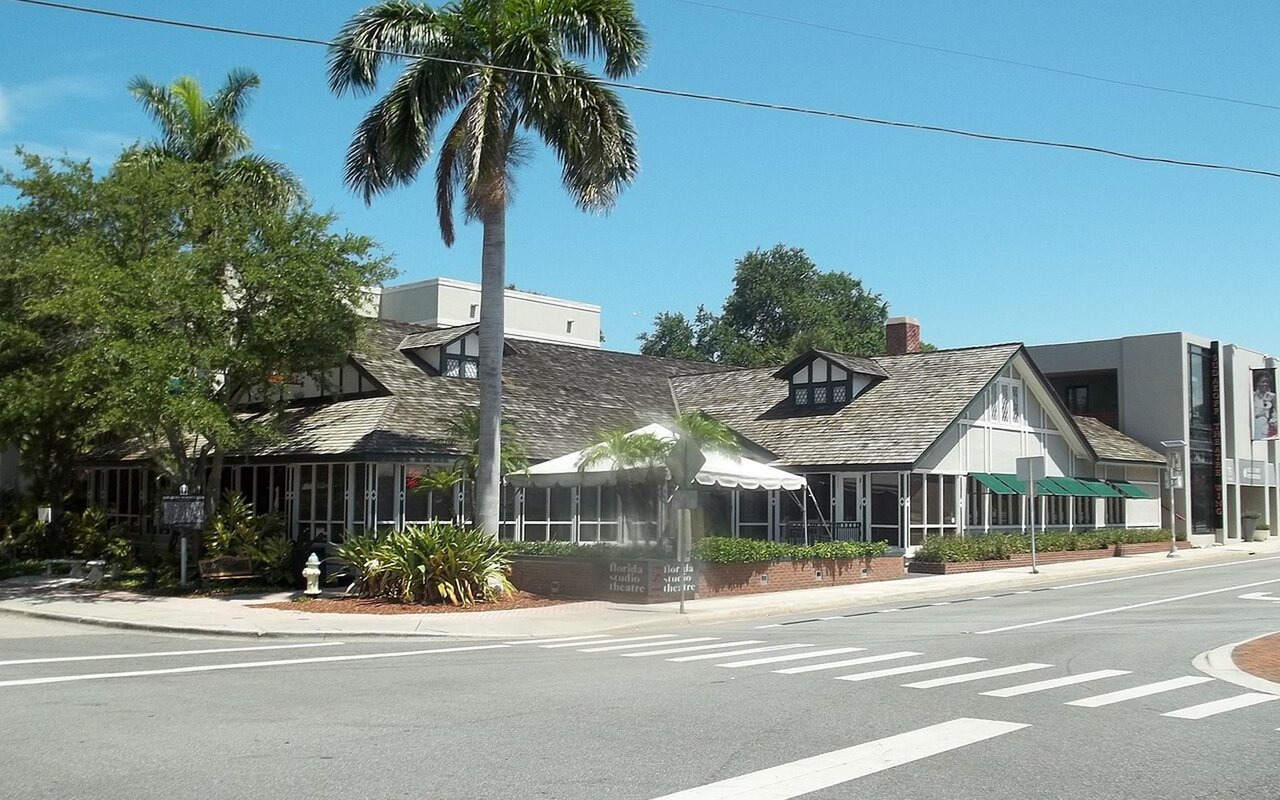
From a touring company in 1973 to five stages around Palm Avenue: the story of FST, its saved 1915 Woman's Club building, and what is playing this season.
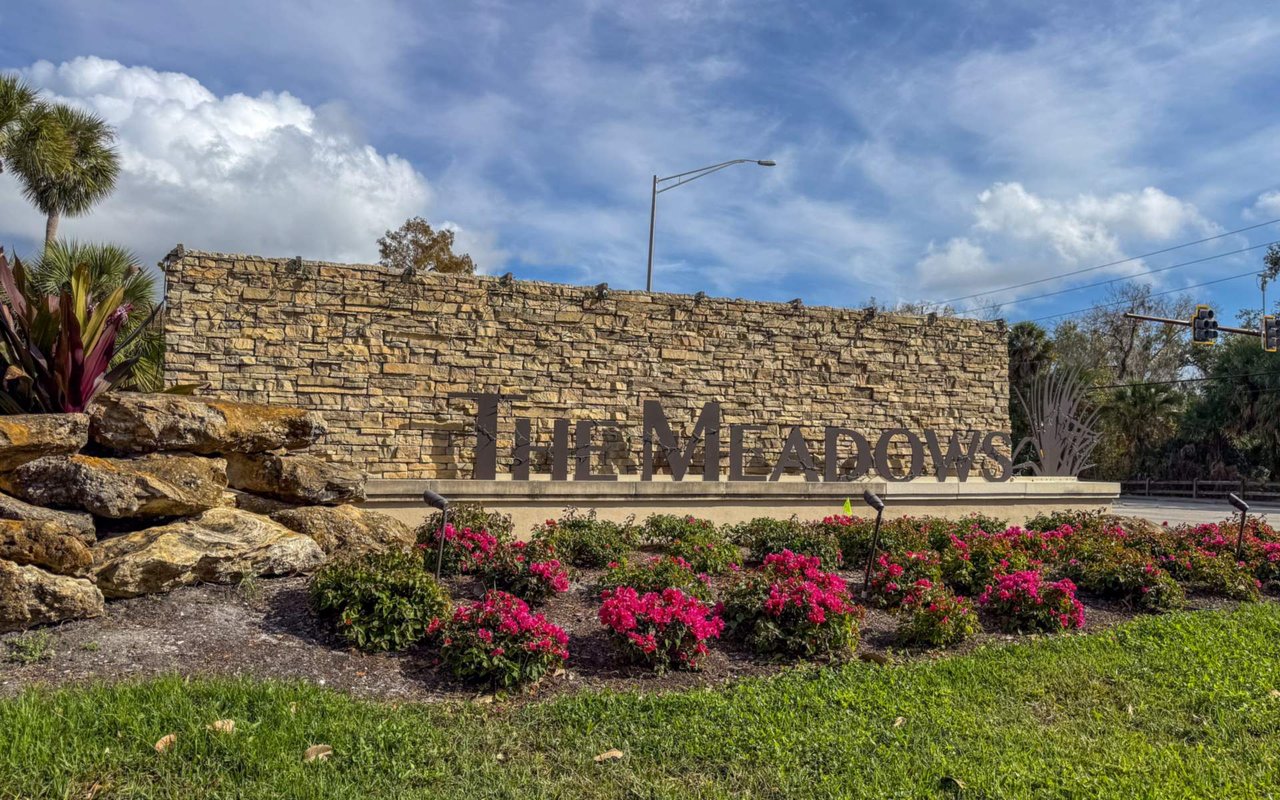
sarasota
One master association, 52 sub-associations, and golf courses now leased to Benderson and open to the public: what it means before you buy.
Longboat Key
What Florida entitles you to read, and how long the window stays open
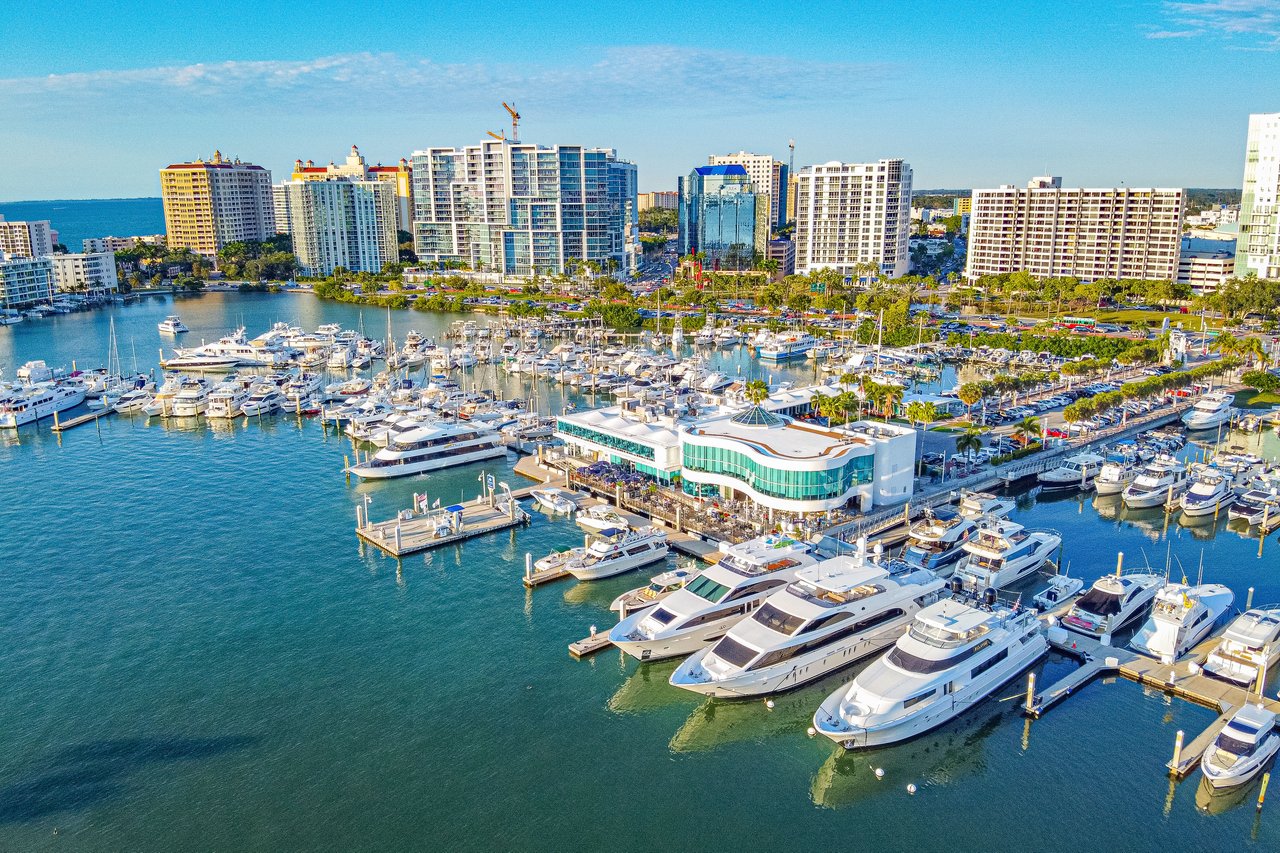
Marina Jack
Marina Jack is an open commercial marina on the downtown Sarasota bayfront, operating on city-owned land created by dredge and fill in the late 1950s and leased to a p… Read more
Downtown Sarasota
Nearly sixty years of condominium building on one stretch of the Sarasota bayfront — and what to read before you buy.
sarasota
An 18-story 1974 tower at the foot of the Ringling Bridge, through a two-year interior renovation. What it offers, and what to read before you buy.
Sarasota
Which buildings need one, who enforces it, what a seller must hand over, and how long a buyer has to cancel.
Longboat Key
Longboat Key is an island condo market with small sample sizes and seasonal swings, so the buyers who do best read it by building and submarket — not by island-wide av… Read more
Bay Isles
Buying a Condo on Longboat Key: A Resident Broker’s Guide
Local Events
Yoga, kayak tours, Sunday concerts and movies under the stars, all free on 53 acres of Sarasota bayfront, and a month of birthday events this October.
Local Events
A 26-foot kiss, leaping dolphins, a Kraken on the playground and front-row fireworks, all free at the foot of Ringling Boulevard.
Lakewood Ranch
Two town centers, two counties, and the cost nobody puts in the listing
Downtown Sarasota
Walking the Opera House, Selby Library, Main Street and the Waldorf Astoria site

Buyer Guides
Four decades of condominium building, and a district that isn't finished
Downtown Sarasota
Eighty years on one corner, six years looking, and a construction site
Sarasota
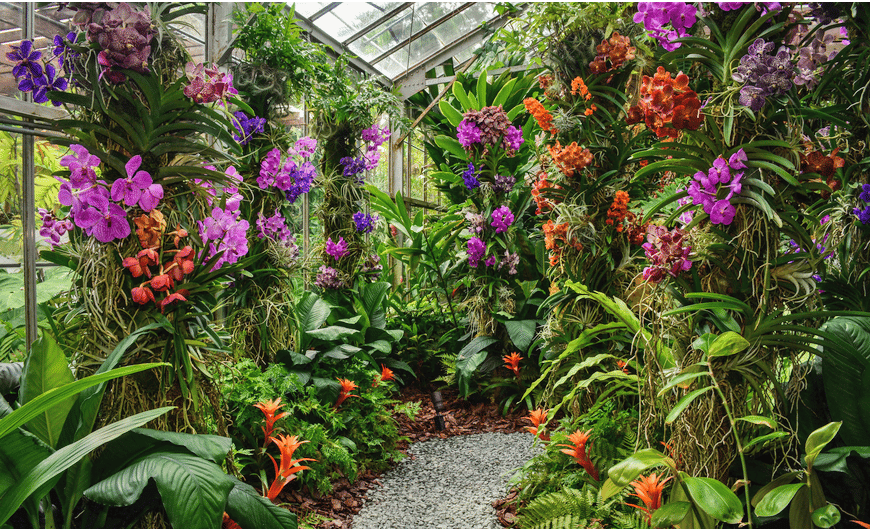
Marie Selby Botanical Gardens is a 15-acre bayfront botanical garden in downtown Sarasota, created from the home and grounds Marie Selby left to the public and opened … Read more
Longboat Key
Longboat Key sits in two counties, and buyer closing costs differ on each side of the line — including who customarily pays for the owner's title insurance policy.
St Armands
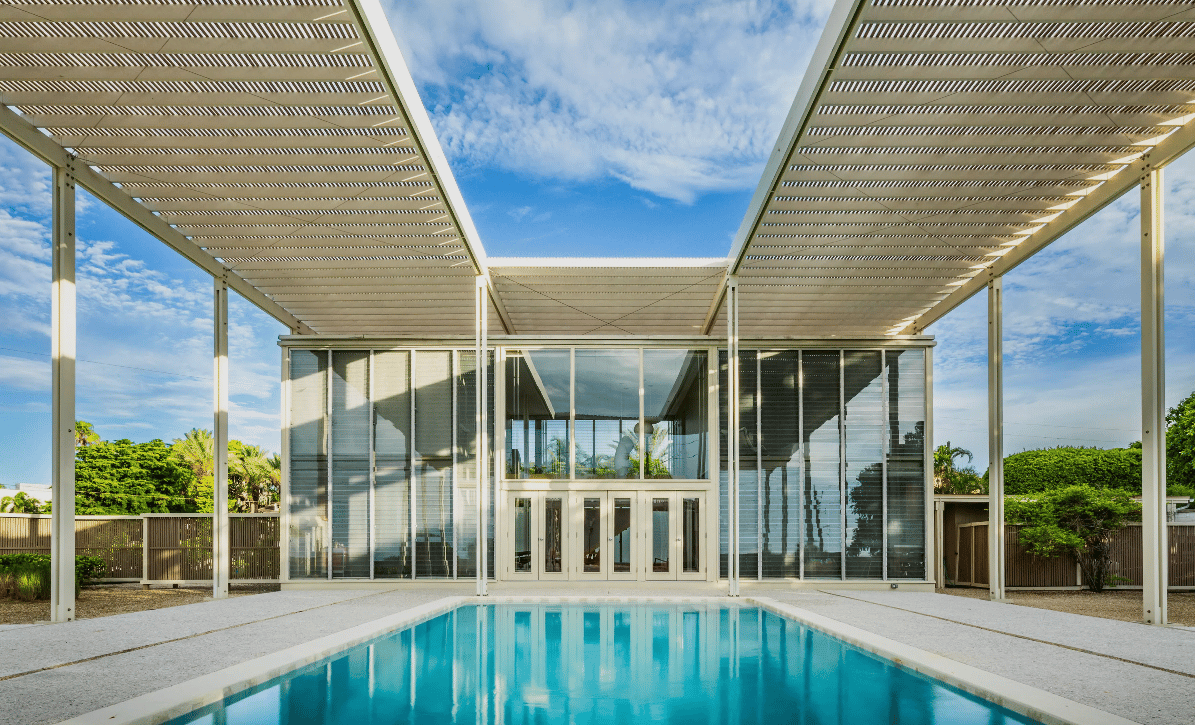
Lido Shores is the densest concentration of Sarasota School of Architecture residences in the country — Paul Rudolph, Ralph Twitchell, the Umbrella House. Here is the … Read more
Florida Luxury Real Estate
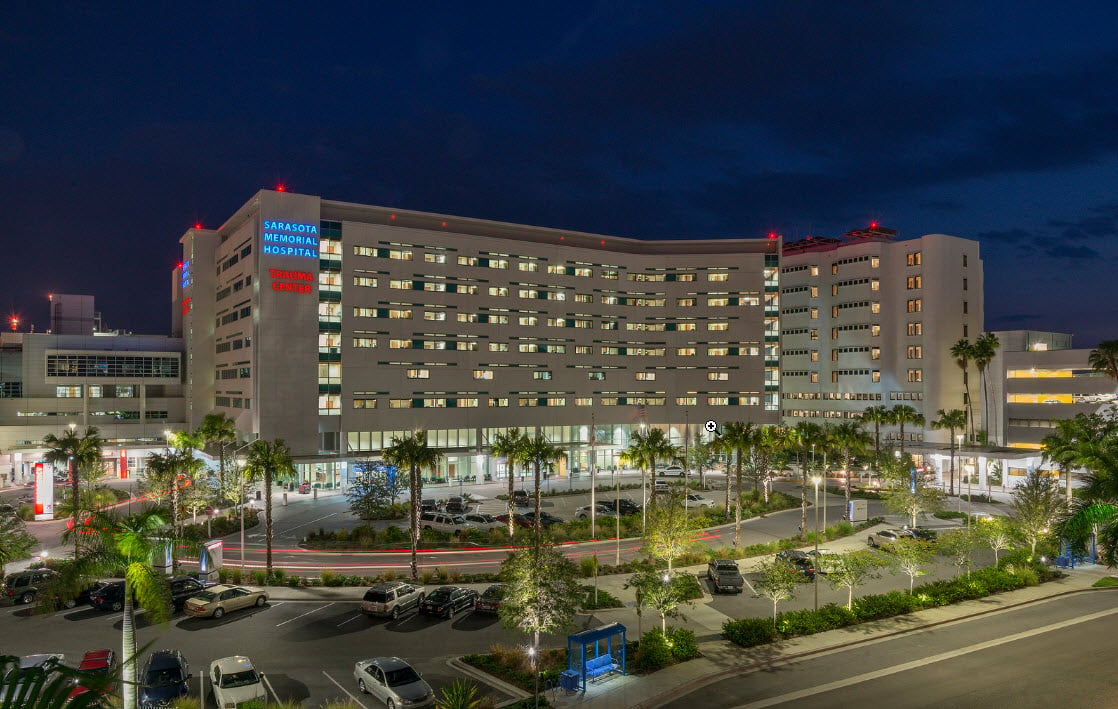
Sarasota Memorial Health Care System was named one of the nation’s 15 Top Health Systems in 2026, which makes Sarasota’s medicine unusually strong — but your address d… Read more

Bay Isles Beach Club
Harbour Links is an intimate community of 20 units in three buildings inside the gated Bay Isles on Longboat Key, founded in 1989 at 2015 Harbour Links Drive — recentl… Read more
Resort at the Longboat Key Club
Harbour Circle at Longboat Key is a community of 42 contemporary Spanish-style villas at the north end of South Bay Isles — mostly three-bedroom, two-and-a-half-bath h… Read more
Downtown Sarasota
Nine condominium buildings on Golden Gate Point date from 1993 to 2006: Renaissance, Alta Mer, Toscano, The Phoenix, Golden Bay, Majestic Bay, Vista Bay Point, Grande … Read more
Longboat Key
The Shoppes of Bay Isles at 525 Bay Isles Parkway offer everyday convenience for Bay Isles residents — anchored by Publix, with CVS, Chase, Truist, salons, fitness, an… Read more
Longboat Key
The Atrium at Bay Isles offers two mid-rise towers with 80 spacious condominiums and Sarasota Bay views.
Boating Community Longboat Key
Marina Bay offers spacious condominiums with bay views and marina proximity inside Bay Isles on Longboat Key — the ideal community for boating buyers who want condo si… Read more
Lakewood Ranch
Lakewood Ranch has schools in two districts, the Premier Sports Campus and a walkable Main Street. The islands have beaches, dockage and Gulf access. Here is how the t… Read more
Fairway Bay Condominium
Fairway Bay I & II offers 208 condominiums and townhouses inside Bay Isles on Longboat Key with golf course and water views.
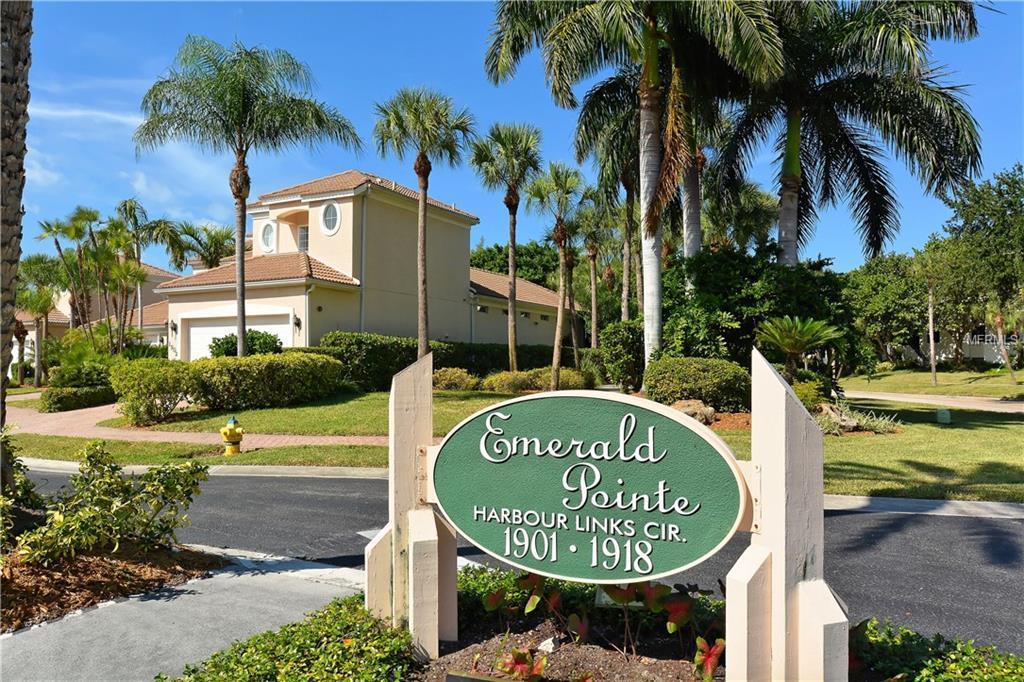
Longboat Key Luxury Homes
Emerald Pointe offers 22 freestanding maintenance-free villas built around 2000 inside Bay Isles on Longboat Key — among the community's newest homes, with open floor … Read more

Downtown Sarasota
Bird Key Yacht Club is a private club in Sarasota, Florida, founded in 1959 on the ground of New Edzell Castle and built around a marina, dining, tennis and a full soc… Read more
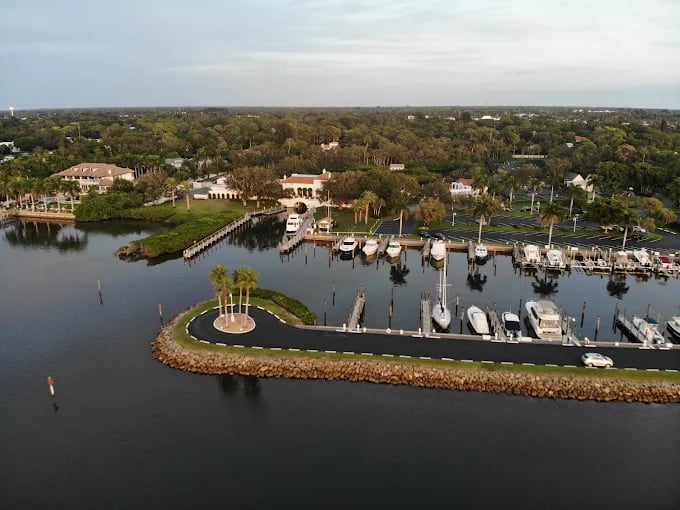
Florida Luxury Real Estate
The Field Club in Sarasota occupies a 1920s David Adler estate on Roberts Bay that Stanley Field sold in 1957 at a restricted price, and only to a buyer who would keep… Read more
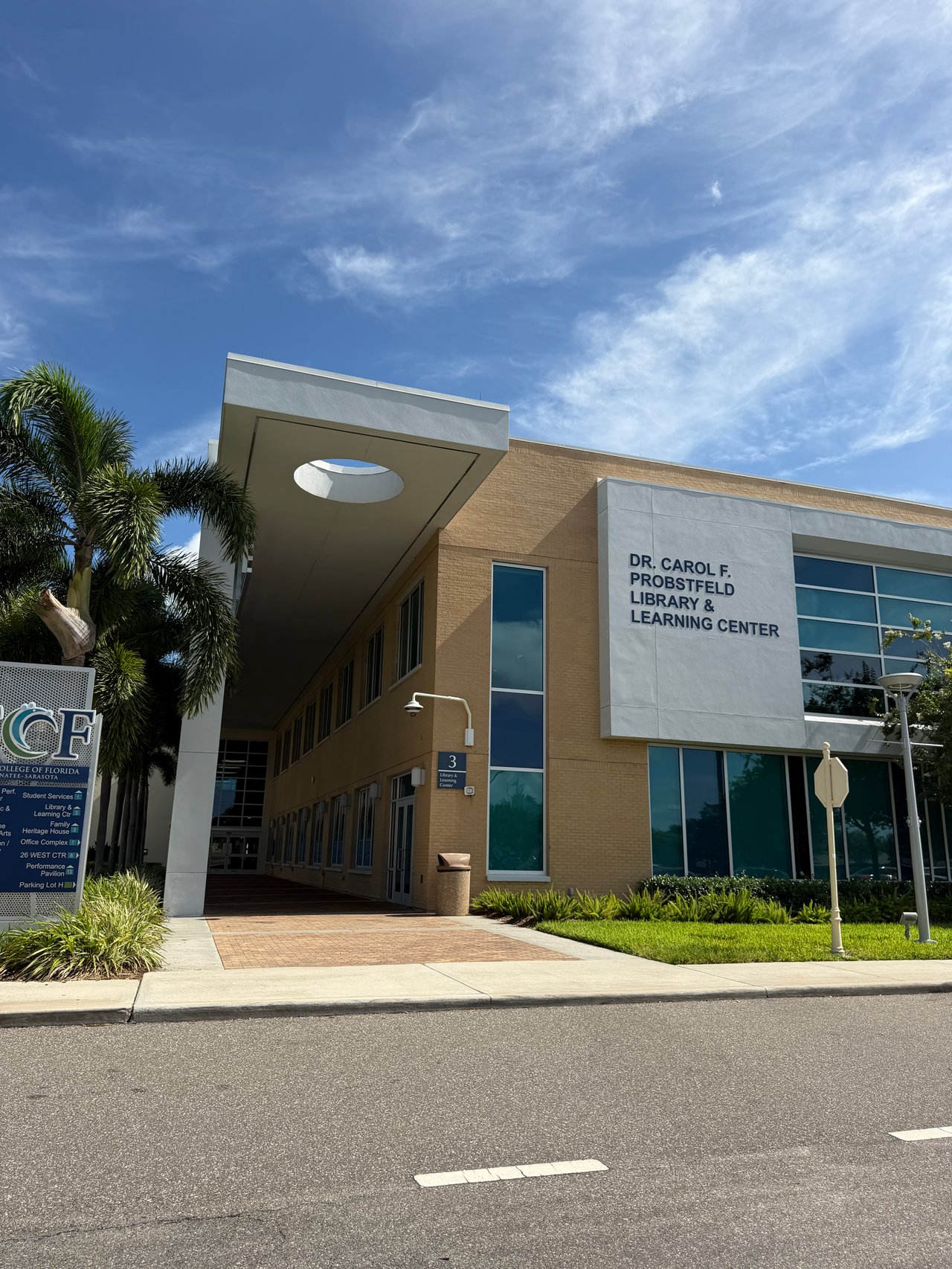
Relocating to Sarasota
The public college behind our nurses, our technicians and a good share of the workforce — and what newcomers can actually do with it.
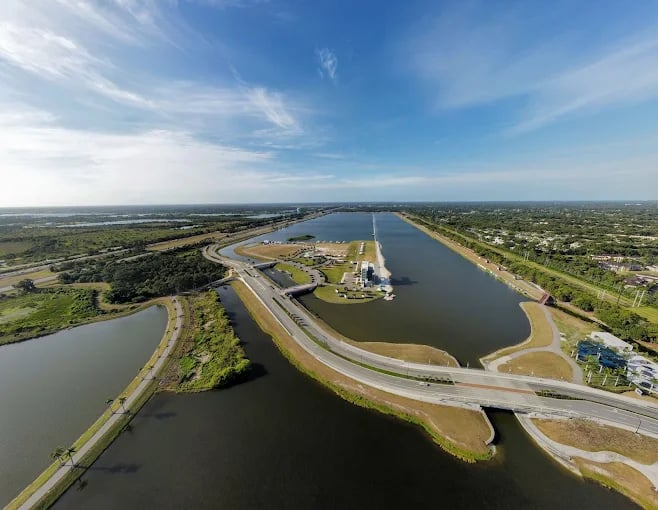
Relocating to Sarasota
A county park with a playground and a fishing pier that also happens to be a world championship rowing venue.
McClellan Park
South Poinsettia Park is called Sarasota's Flower Streets because its 1920s developers gave the roadways a botanical theme, then used pioneer family names where the fl… Read more

Sarasota Yacht Club
The Sarasota Yacht Club was incorporated on June 21, 1926, and marked its centennial in 2026 with an approved clubhouse expansion and a full replacement of its marina … Read more

Sarasota
Five thousand rescue calls a year, twelve hundred birds treated, and a free Bird Walk most people drive past without noticing.
Bay Isles
The Tennis Gardens at the Resort at Longboat Key Club holds 20 Har-Tru clay courts plus pickleball, with daily clinics and a match-arranging service open to members an… Read more
Relocating to Sarasota
Roughly 880,000 square feet inside a 276-acre district — and the reason this region's center of gravity moved inland.
Sarasota
Oyster Bay Estates in Sarasota took shape in the early 1950s on the east shore of Roberts Bay, around a 1920s Chicago winter estate that had already become the private… Read more
Longboat Key Homes with Boat Docks
Harbour Court is a waterfront association of only 18 homes inside the gated Bay Isles on Longboat Key, with expansive 180-degree Sarasota Bay views — each home has a p… Read more
Luxury Homes
Danielle Gladding has sold Sarasota luxury real estate since 1981; with daughter Alison Kanter she covers every premier waterfront address in the market.
Florida Luxury Real Estate
The Ritz-Carlton in Sarasota is not one building: it is a hotel, residences downtown and at The Quay, a private Beach Club on Lido Key, and a Tom Fazio golf course.
Relocation
Taxes, insurance, groceries, dining, culture — and everything here that costs nothing.
Longboat Key
Where Privacy, Nature, and Estate Living Meet on Longboat Key
Danielle Gladding
Danielle Gladding has lived in Bay Isles, served the community as a Kiwanis president, guided buyers and sellers since 1981, and is the broker whose husband serves as … Read more
Lifestyle
A good Longboat Key scouting trip tests the island at four different hours and in more than one season, because the barrier island that charms you at sunset can drive … Read more
Downtown Sarasota
They share a bridge, a zip code, and a way of life — but the buyer who belongs on Lido is not the buyer who belongs on St. Armands. Here’s how to tell the difference.
Harbor Acres
Sisters Katherine and Daisietta McClellan laid out McClellan Park in 1915 and 1916, hiring landscape architects and taking the street names from a Calusa shell mound.
Florida Luxury Real Estate
San Remo Estates in Sarasota was platted between 1953 and 1956 by Roy Construction Company, which filled roughly thirty acres of Sarasota Bay bottom to create the neig… Read more
Downtown Sarasota
Avondale was first platted in 1914 as workforce housing that failed to sell, then re-platted in the 1920s by the Bacheller-Brewer Corporation as one of Sarasota’s most… Read more
Downtown Sarasota
Southside Village is Sarasota's oldest shopping district — two walkable streets behind Sarasota Memorial Hospital, anchored by Morton's Market and ringed by West of th… Read more
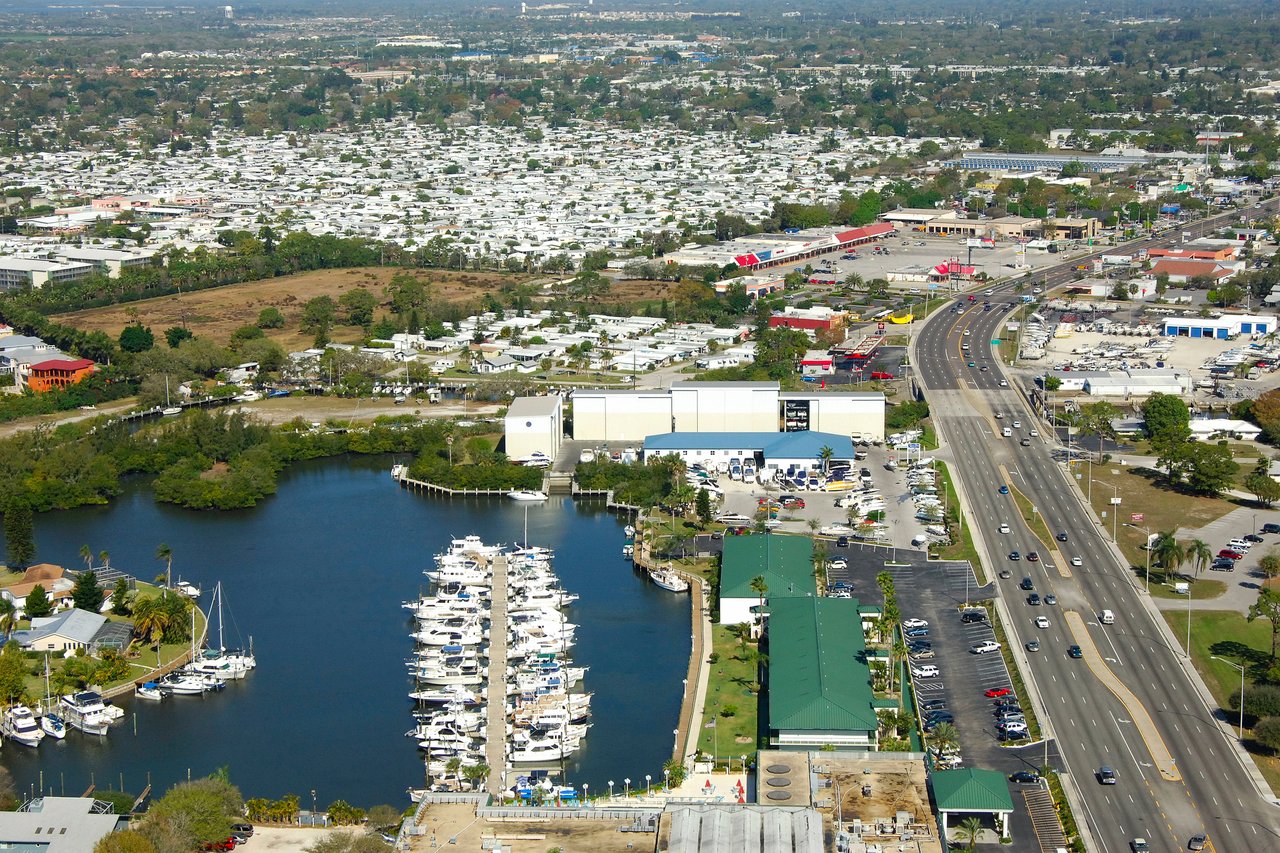
Manatee County
Sara Bay opened in 1926 as a Donald Ross course built to sell lots — and what that century-old model still teaches a buyer walking into a sales center today.
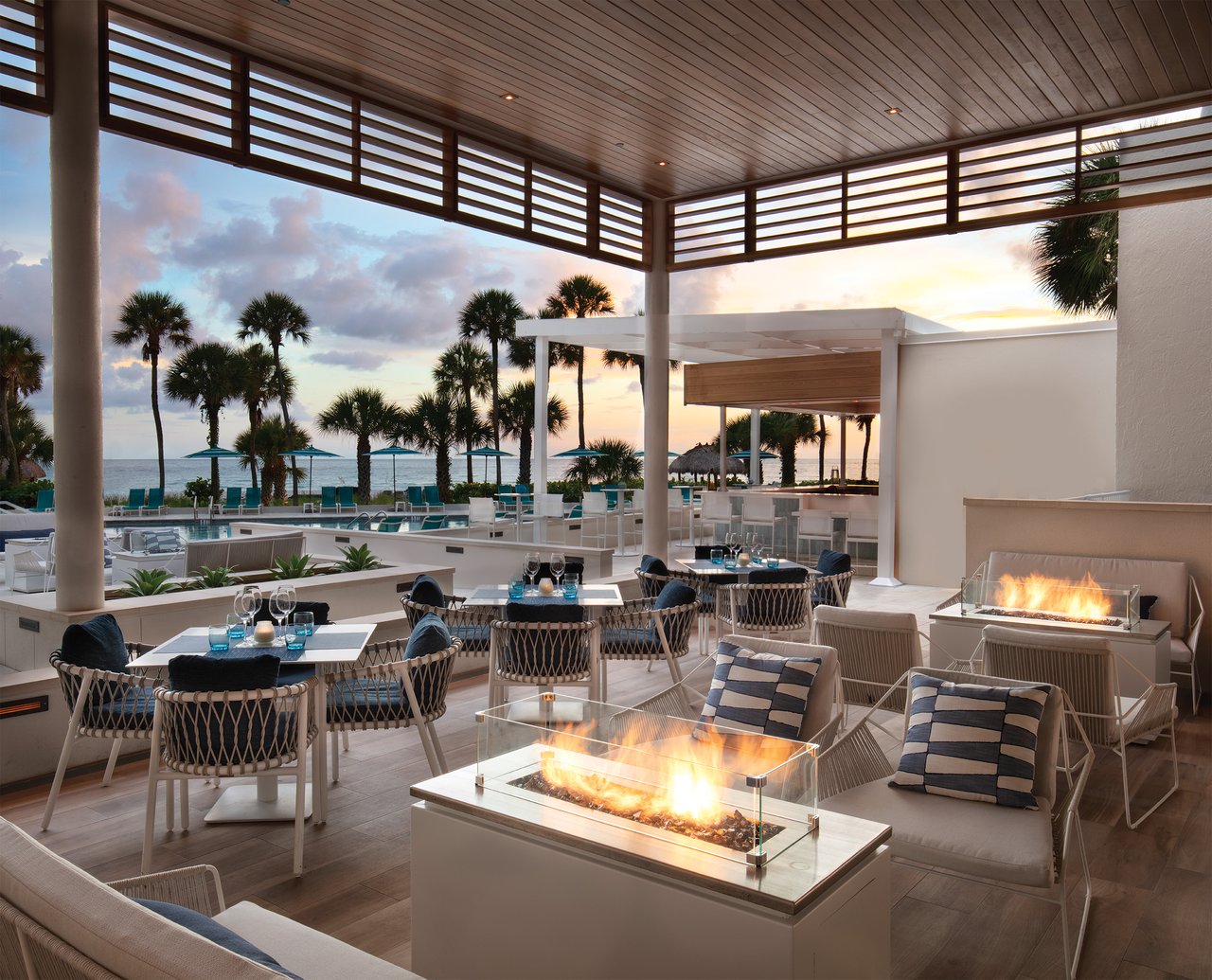
Longboat Key
Longboat Key dining has separated into two tiers in 2026 — an ultra-luxury layer at the south end anchored by The St. Regis, and an expanding locals-first scene throug… Read more
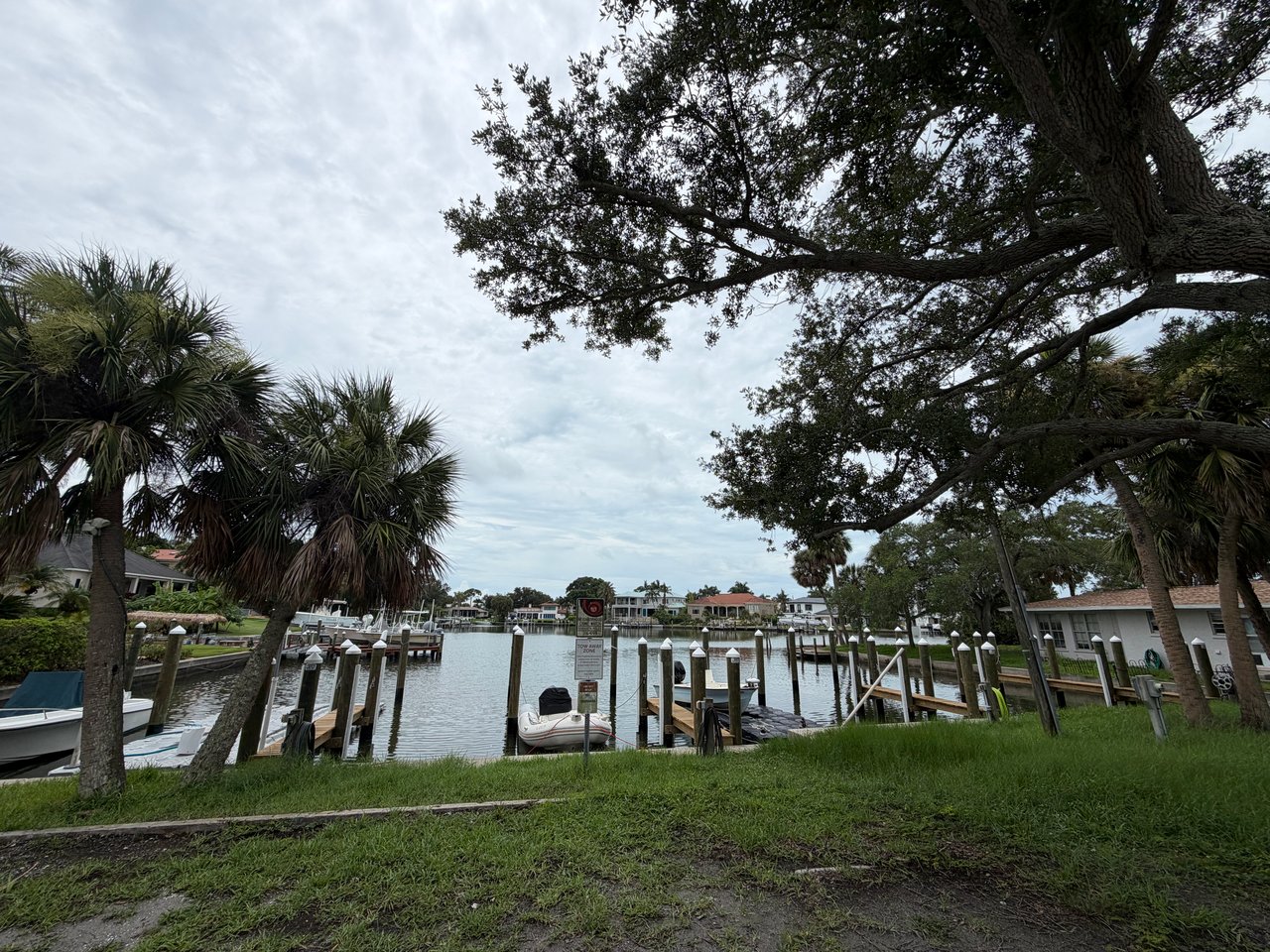
West of the Trail
Bay Point Park in Sarasota has a shared boat basin owned by its neighborhood association, described in state lease records as a nine-slip facility serving roughly fort… Read more
Downtown Sarasota
Harbor Acres is a waterfront neighborhood west of the Trail in Sarasota, minutes from downtown and Sarasota Memorial Hospital, where most original 1950s ranches have g… Read more
Florida Luxury Real Estate
The Bay Isles Beach Club at 2111 Gulf of Mexico Drive is a private, resident-only Gulf beach facility, and every home inside the Bay Isles gates on Longboat Key carrie… Read more
Get assistance in determining current property value, crafting a competitive offer, writing and negotiating a contract, and much more. Contact Us today.