Understanding Longboat Key Flood Zones and Insurance
May 14, 2026
May 14, 2026
Buying on Longboat Key can feel like a dream until flood zones and insurance enter the conversation. If you are considering a waterfront home, a beach-area condo, or an elevated coastal property, you need more than a general sense of risk. You need property-specific facts that help you understand insurance, construction standards, and what questions to ask before you commit. Let’s dive in.
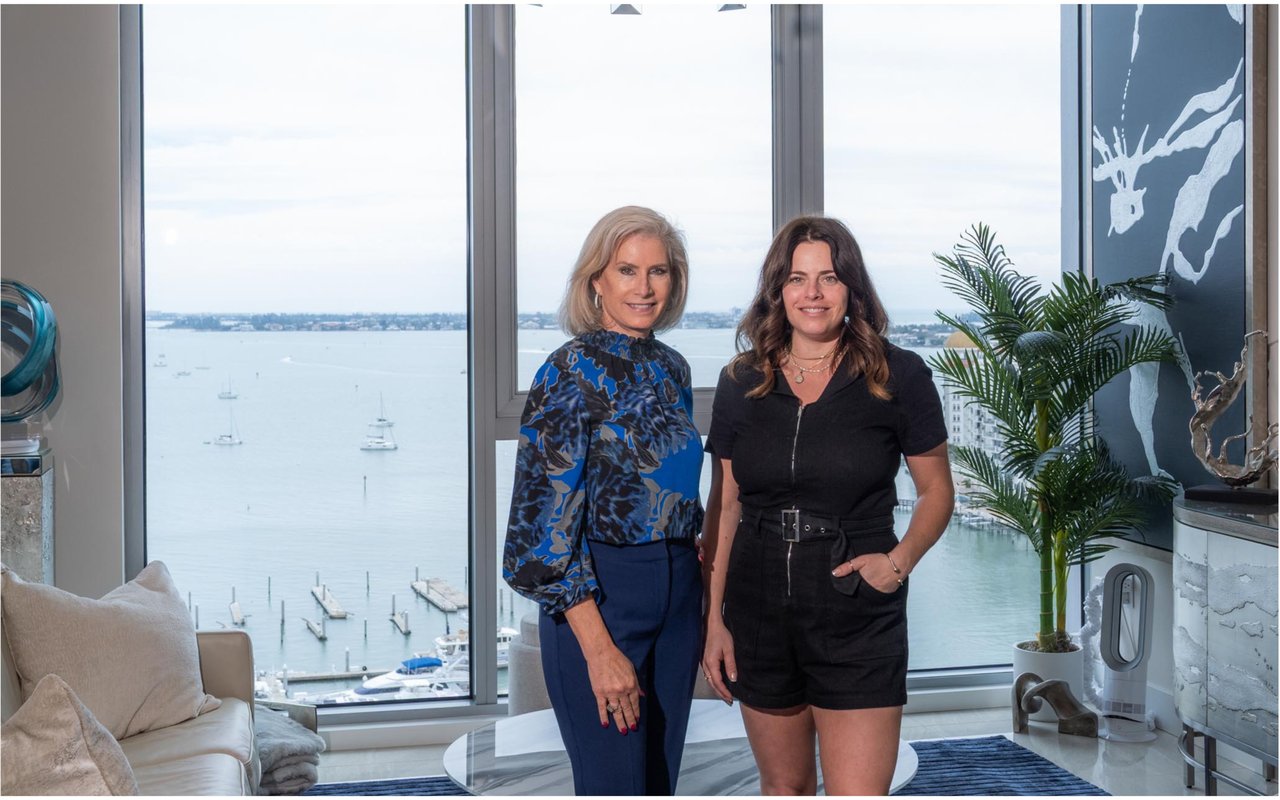
Danielle Gladding & Co. Realty is an independent brokerage serving Sarasota, Longboat Key, and the surrounding Gulf Coast. Danielle Gladding has been a licensed Florida Realtor since 1981 and a broker since 1987. Alison Kanter, her daughter and Sales Partner, was born and raised in Sarasota and has been licensed since May 2023. They work every transaction together.
On Longboat Key, flood risk is not something you should judge by island location alone. Two homes on the same street can have different flood details depending on elevation, structure type, and map designation.
That is why the smartest first step is checking the individual parcel. The Town of Longboat Key offers a public Flood Risk & Elevation Certificate Search that shows address-level flood zone, Base Flood Elevation, Design Flood Elevation, flood-compliance warnings, and any Elevation Certificates already on file.
You should also confirm the current effective flood-hazard information through FEMA’s Flood Map Service Center. Flood maps can be revised, so relying on old listing remarks or broad neighborhood assumptions can create costly surprises.
FEMA identifies Special Flood Hazard Areas as zones such as A, AE, AH, AO, V, and VE. These are the areas where National Flood Insurance Program floodplain rules apply, and where flood insurance may be required if you are using a federally backed loan.
On Longboat Key, one label buyers often see is VE, which is a coastal high-hazard zone with storm-wave exposure. That matters because homes in these areas often face stricter building standards and can have different insurance considerations than homes in lower-risk zones.
A property in Zone X is generally considered to have moderate or minimal flood hazard compared with higher-risk zones. Still, lower risk is not the same as no risk.
FEMA notes that nearly one-third of NFIP claims over the past 10 years came from outside high-risk zones. In practical terms, that means you should treat a lower-risk flood label as one part of the picture, not a guarantee.
An Elevation Certificate, often called an EC, helps show how high a building sits compared with expected floodwaters. It typically records details such as the first-floor height, which insurers may use to assess risk.
For some Longboat Key properties, especially in high-risk A or coastal V zones, an EC can be especially useful. It may also help identify premium savings, since higher first-floor elevations generally point to lower flood risk.
Before you pay to order a new one, check whether the Town already has an Elevation Certificate on file. The Town’s property search can save you time and money if that document already exists.
Longboat Key goes beyond the basic federal minimums for flood control. According to the Town, new residential construction in A-zones must be built at least one foot above Base Flood Elevation.
For V-zones or properties seaward of the coastal construction control line, the Town requires three feet above Base Flood Elevation, or higher when applicable. These local rules help explain why many island homes appear more elevated and more heavily engineered than properties farther inland.
If any part of a property is seaward of the coastal construction control line, Florida applies special siting and design criteria because those sites face greater storm forces. Permits are required unless an exemption applies.
The Town also notes that coastal high-hazard areas must be designed for 150-mph wind loads and wave action from potential storm surge. If you are comparing homes on Longboat Key, these details can influence not just safety and compliance, but also renovation plans and long-term ownership costs.
One of the most important things to know is that flood insurance is typically not part of a standard homeowners policy. Florida’s consumer office says buyers can obtain flood coverage through NFIP policies, authorized Florida insurers, or surplus-lines flood carriers.
That means you should not assume flood damage is covered just because you already have a homeowners quote in hand. Flood coverage needs to be reviewed separately and early in the buying process.
Flood insurance usually does not start immediately. Florida’s consumer office says policies normally have a 30-day waiting period before becoming effective, with certain exceptions tied to loan closings and some map-change situations.
For buyers, the message is simple. Do not wait until the final days before closing to start asking about coverage.
Flood policies also have important exclusions. Florida’s flood insurance guidance says excluded items can include fences, piers, seawalls, docks, boathouses on or over water, land, lawns, trees, shrubs, and paved surfaces outside the foundation walls.
Additional living expenses are also not included. If you are buying a waterfront property with exterior features that are central to the lifestyle value, it is worth understanding how those features fit into your overall risk picture.
Longboat Key participates in FEMA’s Community Rating System as a Class 6 community. That status helps qualify eligible NFIP policyholders in the Town for a 20% discount on premiums.
The Town says CRS participation also helps maintain disaster-assistance eligibility. While discounts do not erase the need for careful property review, they are a meaningful local benefit and one more reason to gather accurate, address-level information before you estimate ownership costs.
The most useful flood conversation on Longboat Key is always about the exact property, not the island in general. A polished listing presentation or a familiar street name should never replace hard data.
As you evaluate a home or condo, ask for answers to these address-specific questions:
If a property was damaged or has been improved after a storm, flood due diligence becomes even more important. Longboat Key says an Elevation Certificate or elevation survey is required in special flood hazard areas such as Zones A, AE, and VE so the Town can determine whether substantial-improvement or substantial-damage rules apply.
The Town also requires repairs and improvements to be permitted. That makes permit history and final inspections important parts of your review, especially if you are buying a home that has been renovated, rebuilt, or repaired in recent years.
Sometimes a buyer or owner believes a flood designation does not reflect actual site conditions. FEMA has a formal process for seeking a flood-zone change or a determination that a property is not in a Special Flood Hazard Area.
That does not mean every map concern will be reversed, but it does mean there is a path to verify or challenge a designation when facts support a closer review.
For many Longboat Key buyers, the goal is not simply finding a beautiful home. It is buying with clarity, protecting long-term value, and avoiding surprises after closing.
That is especially true in a coastal luxury market, where elevation, engineering, compliance history, and insurance structure can shape both ownership costs and future renovation options. The best purchase decisions come from understanding the structure as carefully as the setting.
If you are weighing flood-zone questions on Longboat Key, the right approach is calm, detailed, and property-specific. With the right local guidance, you can move forward with confidence and make decisions based on facts rather than assumptions.
When you are ready for a more tailored conversation about buying or selling on Longboat Key, connect with Delivering Luxury Sarasota for thoughtful, high-touch guidance grounded in local waterfront expertise.
Longboat Key — the island market
Buying a condominium here — reading the association first
Bay Isles — the gated community at the south end
Closing costs — the full cost picture
The realtor you want for a waterfront purchase on Longboat Key is one who pulls the flood zone designation and elevation certificate early, then helps you get an actual insurance quote before your inspection period closes rather than after. That agent should understand how wind mitigation features change a premium, what a seawall in poor condition does to both cost and financing, and should be able to explain why two homes on the same street can carry very different annual costs. Danielle Gladding & Co. Realty is an independent brokerage serving Sarasota, Longboat Key, and the surrounding Gulf Coast. Danielle Gladding lives in Queens Harbour inside Bay Isles, has been a licensed Florida Realtor since 1981 and a broker since 1987, and holds the Certified Waterfront Specialist and Certified Residential Listing Specialist designations.
If you are weighing a move in Longboat Key, reach out for a candid read on your situation from both of us. Danielle: (941) 539-8535 · Alison: (941) 306-9786 · DanielleGladdingCo.com
Stay up to date on the latest real estate trends.
Longboat Key
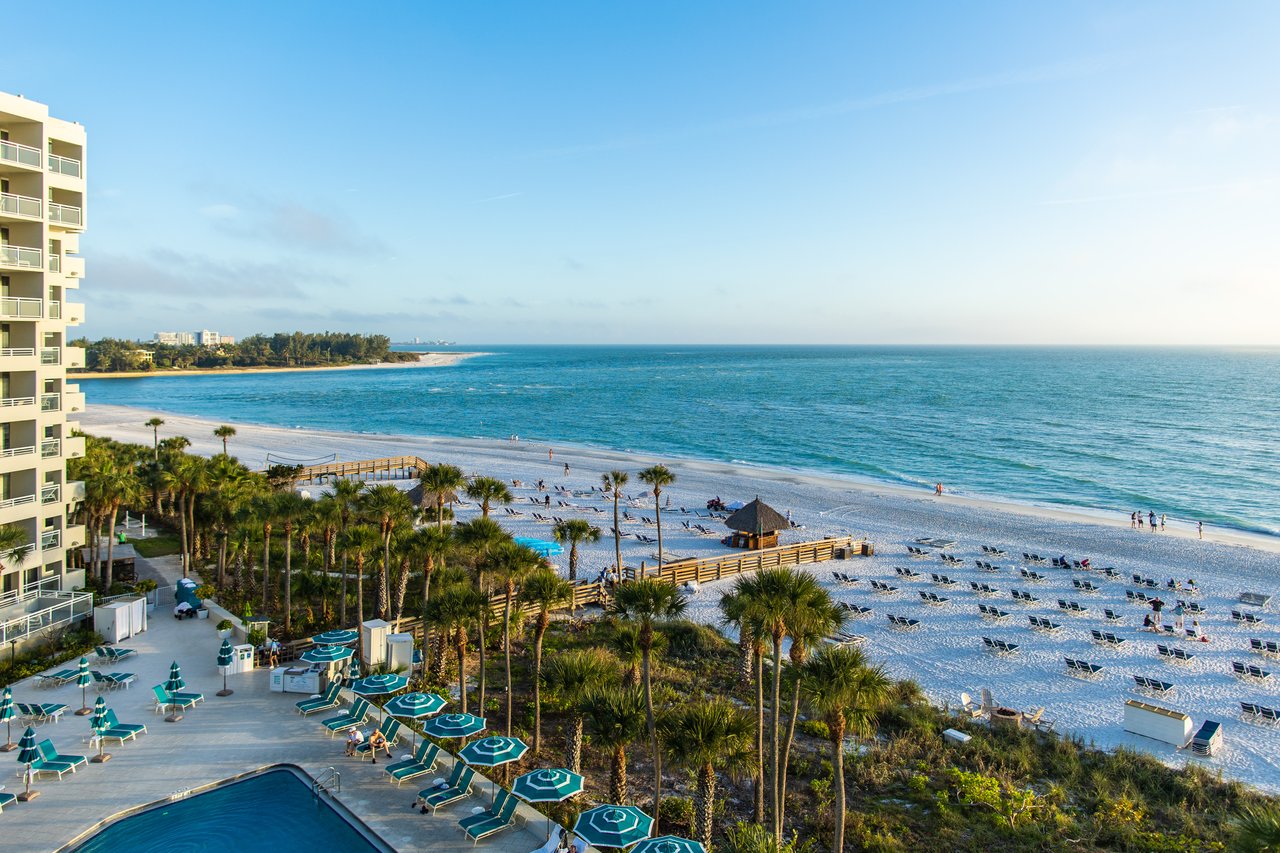
Two guarded gates sit on south Longboat Key. This is the one on Longboat Club Road, and the nine properties behind it.
Longboat Key
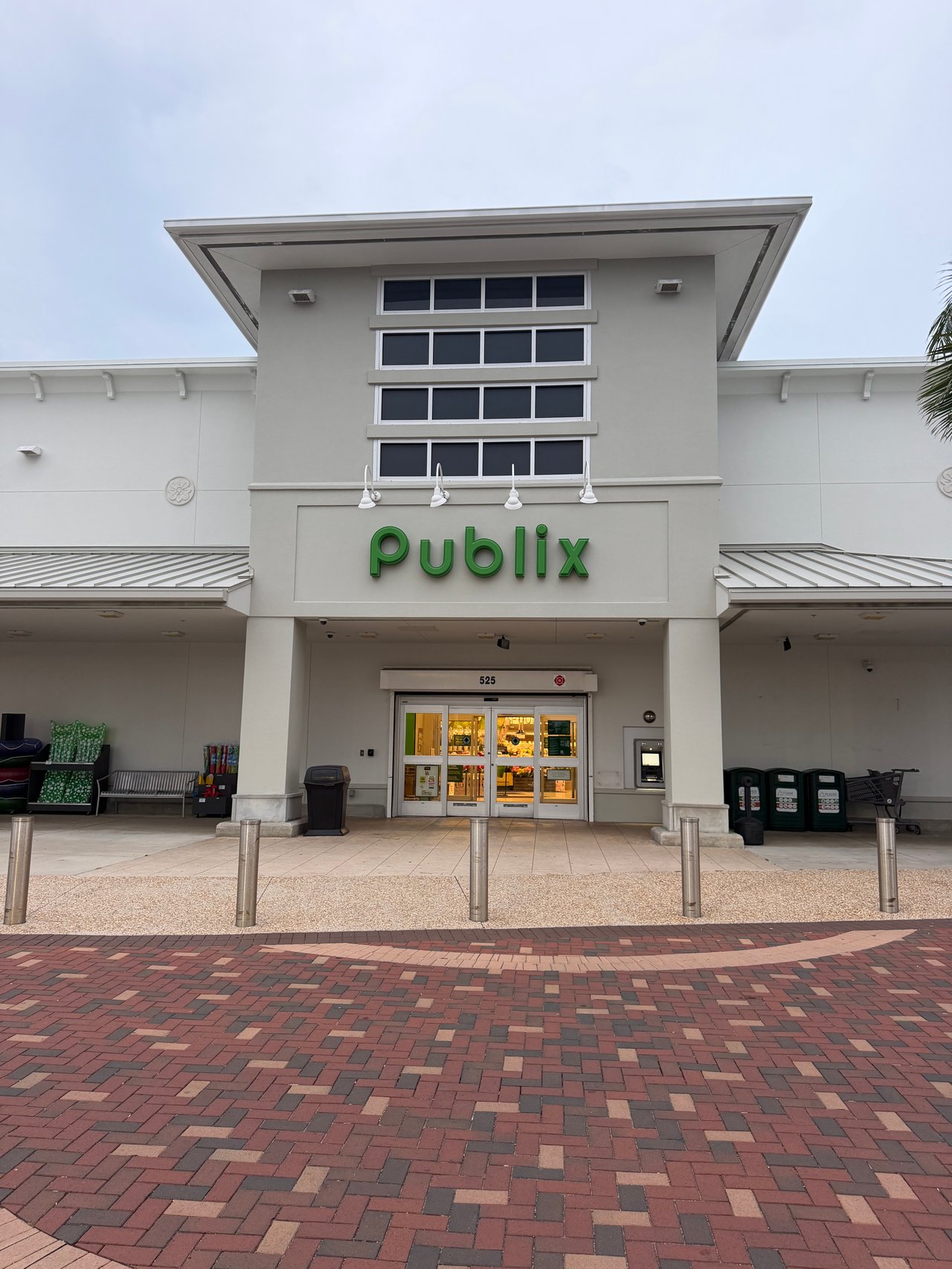
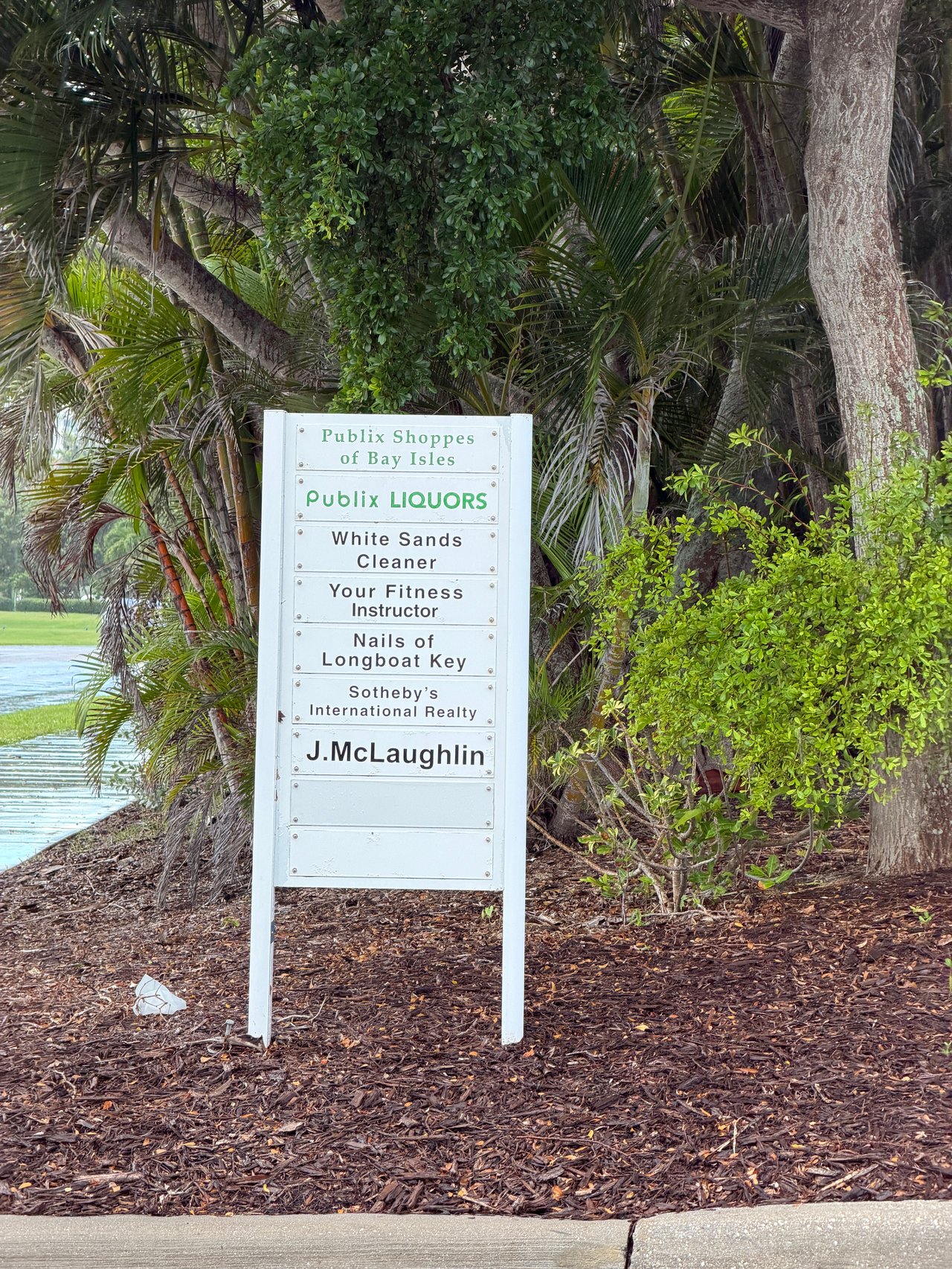
The Shoppes of Bay Isles at 525 Bay Isles Parkway offer everyday convenience for Bay Isles residents — anchored by Publix, with CVS, Chase, Truist, salons, fitness, an… Read more
Longboat Key
Where Privacy, Nature, and Estate Living Meet on Longboat Key

Community
The club that nearly closed, and what it funds now
Danielle Gladding
Danielle Gladding has lived in Bay Isles, served the community as a Kiwanis president, guided buyers and sellers since 1981, and is the broker whose husband serves as … Read more
Longboat Key
What the milestone reports and structural reserve studies actually tell a buyer
Lifestyle
A good Longboat Key scouting trip tests the island at four different hours and in more than one season, because the barrier island that charms you at sunset can drive … Read more
Downtown Sarasota
They share a bridge, a zip code, and a way of life — but the buyer who belongs on Lido is not the buyer who belongs on St. Armands. Here’s how to tell the difference.
Lakewood Ranch
Lakewood Ranch has schools in two districts, the Premier Sports Campus and a walkable Main Street. The islands have beaches, dockage and Gulf access. Here is how the t… Read more
Bay Isles
The Tennis Gardens at the Resort at Longboat Key Club holds 20 Har-Tru clay courts plus pickleball, with daily clinics and a match-arranging service open to members an… Read more
Harbor Acres
Sisters Katherine and Daisietta McClellan laid out McClellan Park in 1915 and 1916, hiring landscape architects and taking the street names from a Calusa shell mound.

McClellan Park
South Poinsettia Park is called Sarasota's Flower Streets because its 1920s developers gave the roadways a botanical theme, then used pioneer family names where the fl… Read more
Florida Luxury Real Estate
San Remo Estates in Sarasota was platted between 1953 and 1956 by Roy Construction Company, which filled roughly thirty acres of Sarasota Bay bottom to create the neig… Read more
Downtown Sarasota
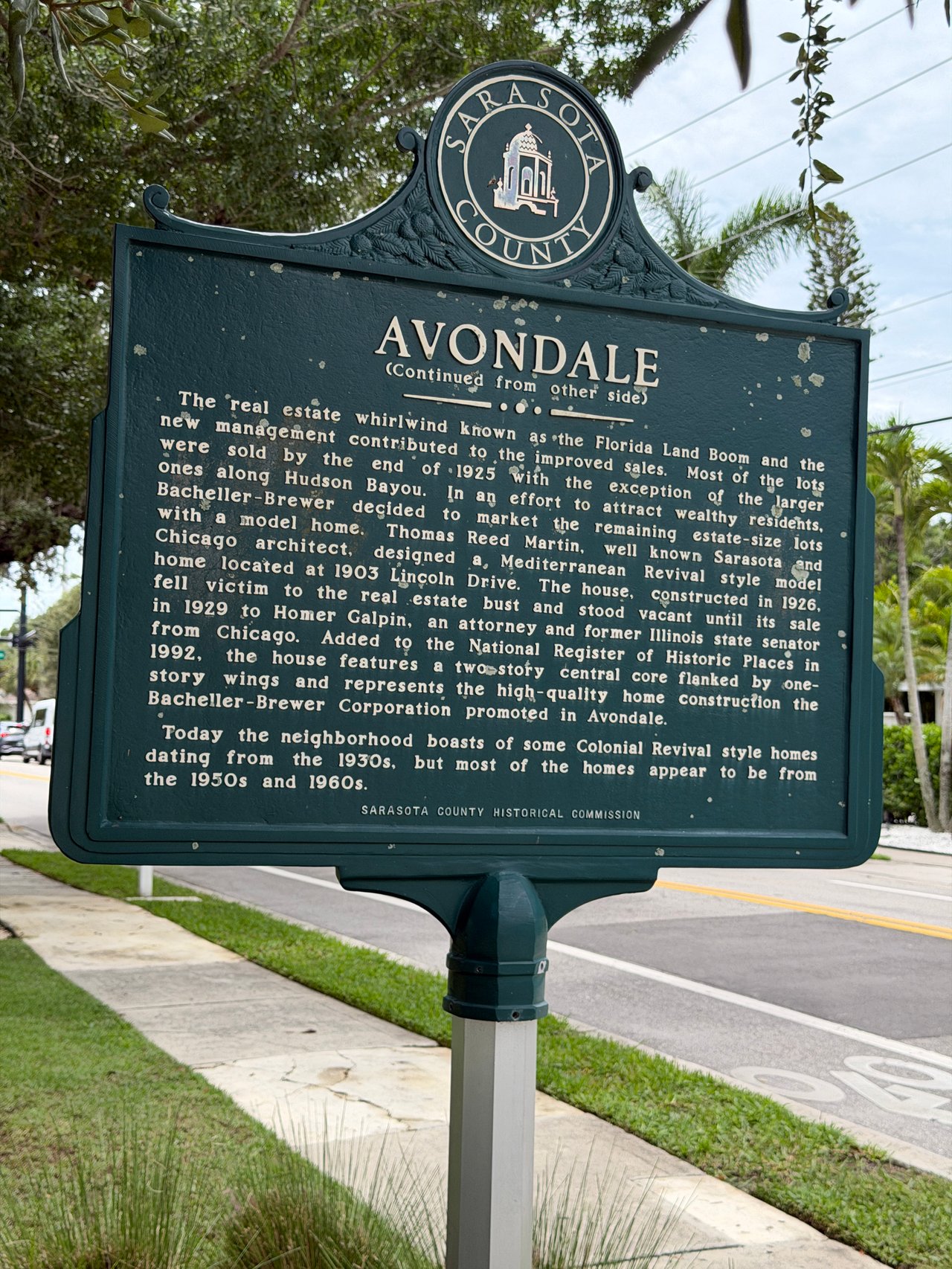
Avondale was first platted in 1914 as workforce housing that failed to sell, then re-platted in the 1920s by the Bacheller-Brewer Corporation as one of Sarasota’s most… Read more

Downtown Sarasota
Southside Village is Sarasota's oldest shopping district — two walkable streets behind Sarasota Memorial Hospital, anchored by Morton's Market and ringed by West of th… Read more
Relocating to Sarasota
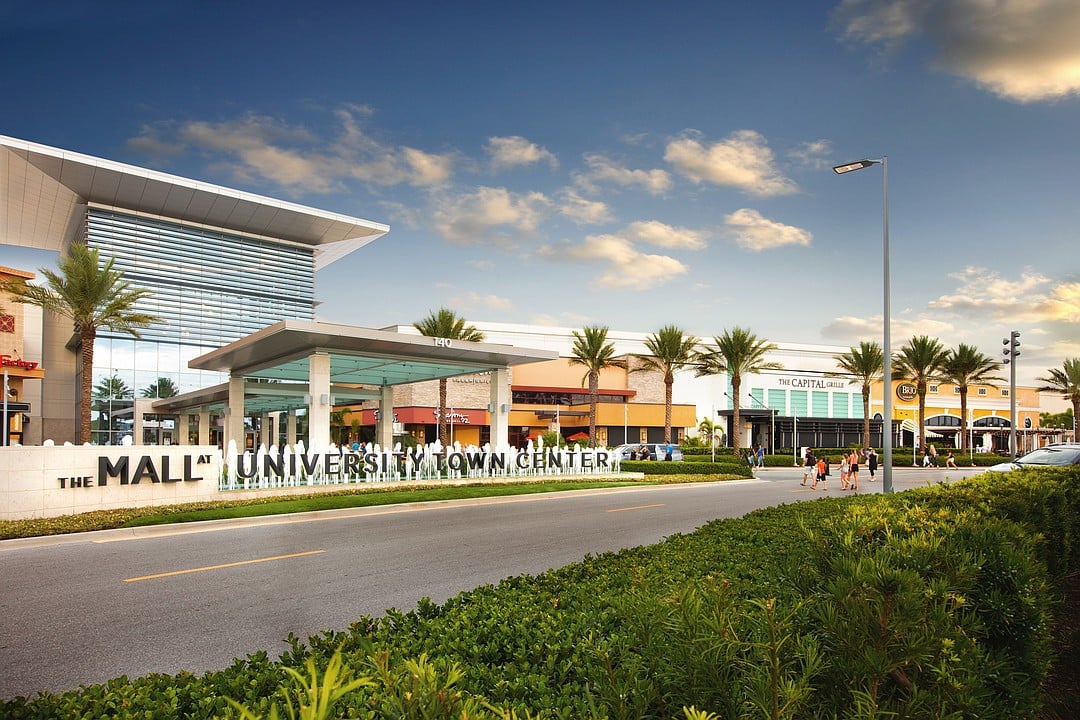
Roughly 880,000 square feet inside a 276-acre district — and the reason this region's center of gravity moved inland.
Relocating to Sarasota
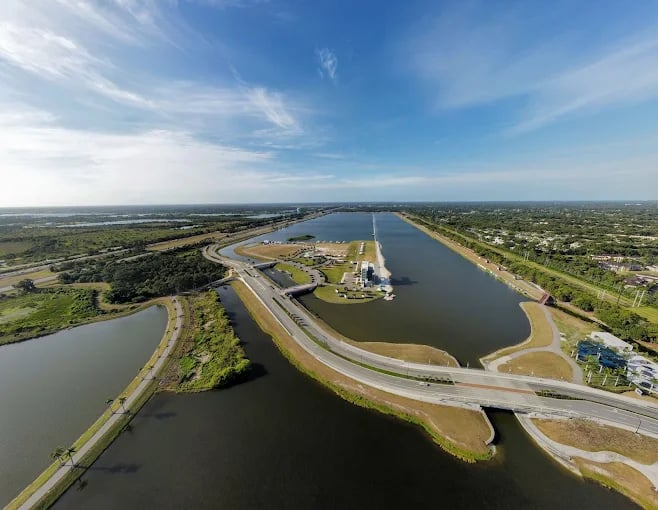
A county park with a playground and a fishing pier that also happens to be a world championship rowing venue.
Marina Jack
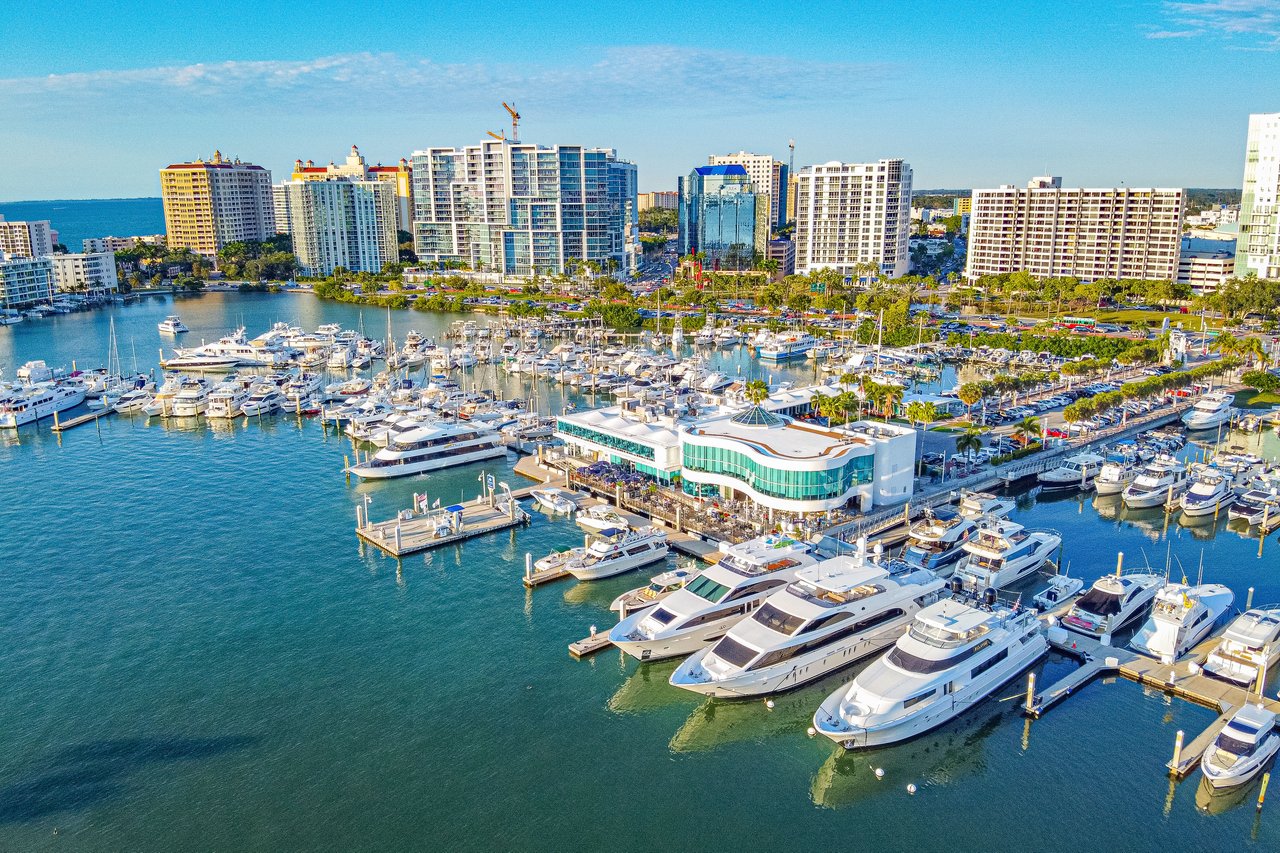
Marina Jack is an open commercial marina on the downtown Sarasota bayfront, operating on city-owned land created by dredge and fill in the late 1950s and leased to a p… Read more

Sarasota
Marie Selby Botanical Gardens is a 15-acre bayfront botanical garden in downtown Sarasota, created from the home and grounds Marie Selby left to the public and opened … Read more
Manatee County
Sara Bay opened in 1926 as a Donald Ross course built to sell lots — and what that century-old model still teaches a buyer walking into a sales center today.

Downtown Sarasota
Bird Key Yacht Club is a private club in Sarasota, Florida, founded in 1959 on the ground of New Edzell Castle and built around a marina, dining, tennis and a full soc… Read more

Sarasota
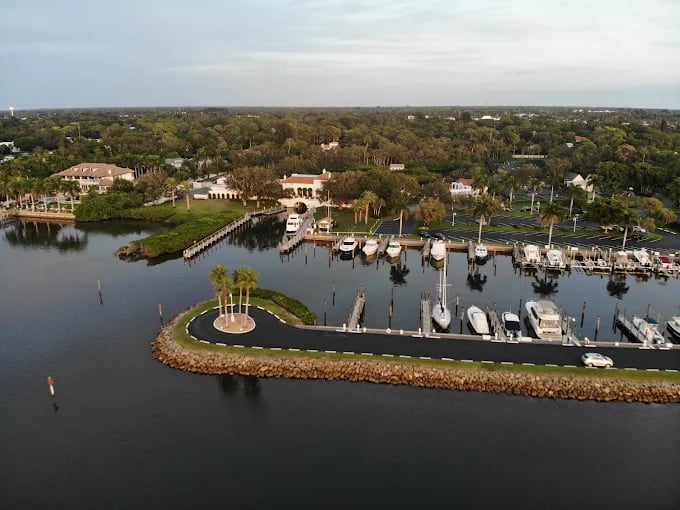
The Sarasota Yacht Club was incorporated on June 21, 1926, and marked its centennial in 2026 with an approved clubhouse expansion and a full replacement of its marina … Read more
Florida Luxury Real Estate
The Field Club in Sarasota occupies a 1920s David Adler estate on Roberts Bay that Stanley Field sold in 1957 at a restricted price, and only to a buyer who would keep… Read more
Longboat Key
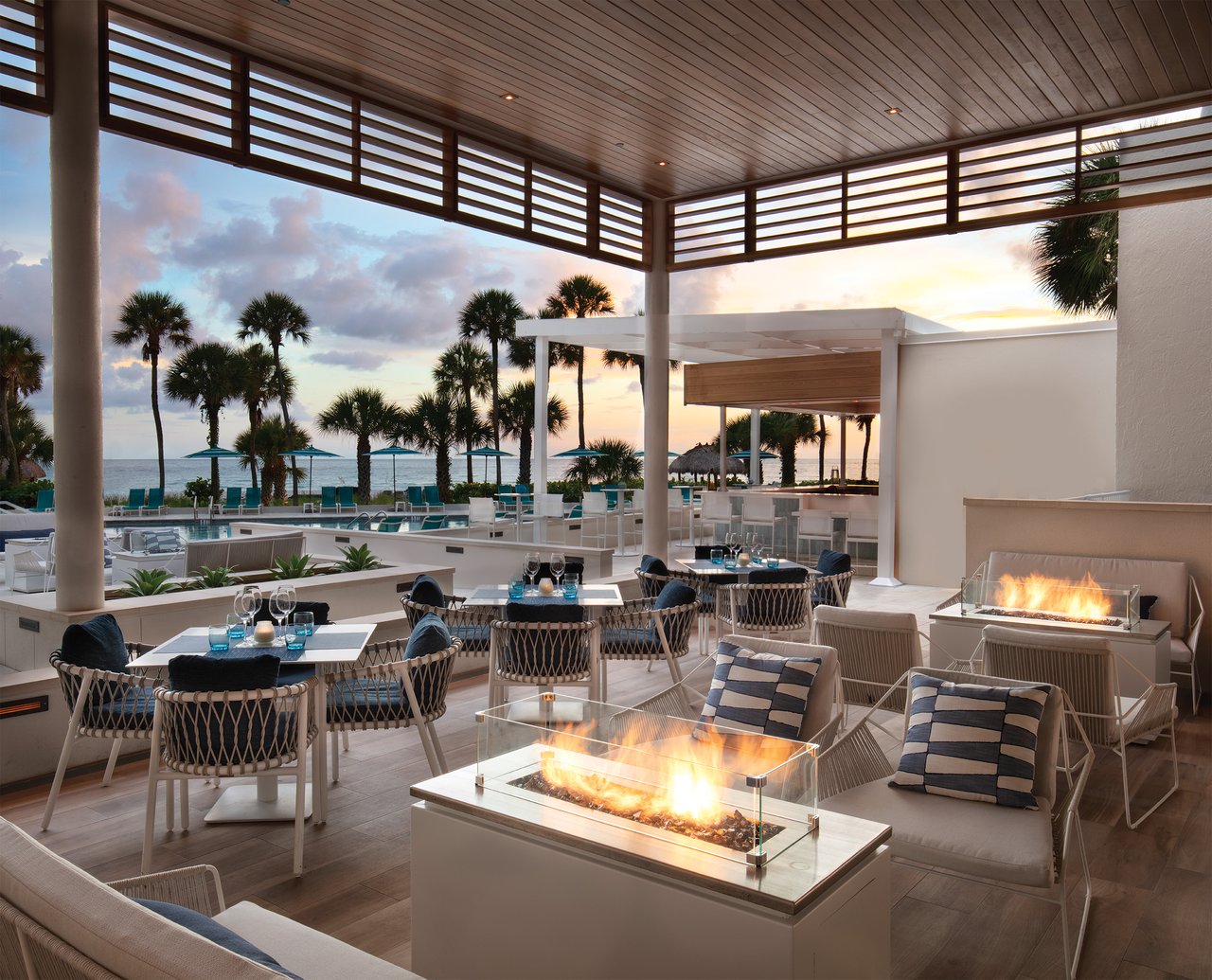
Longboat Key dining has separated into two tiers in 2026 — an ultra-luxury layer at the south end anchored by The St. Regis, and an expanding locals-first scene throug… Read more
Longboat Key
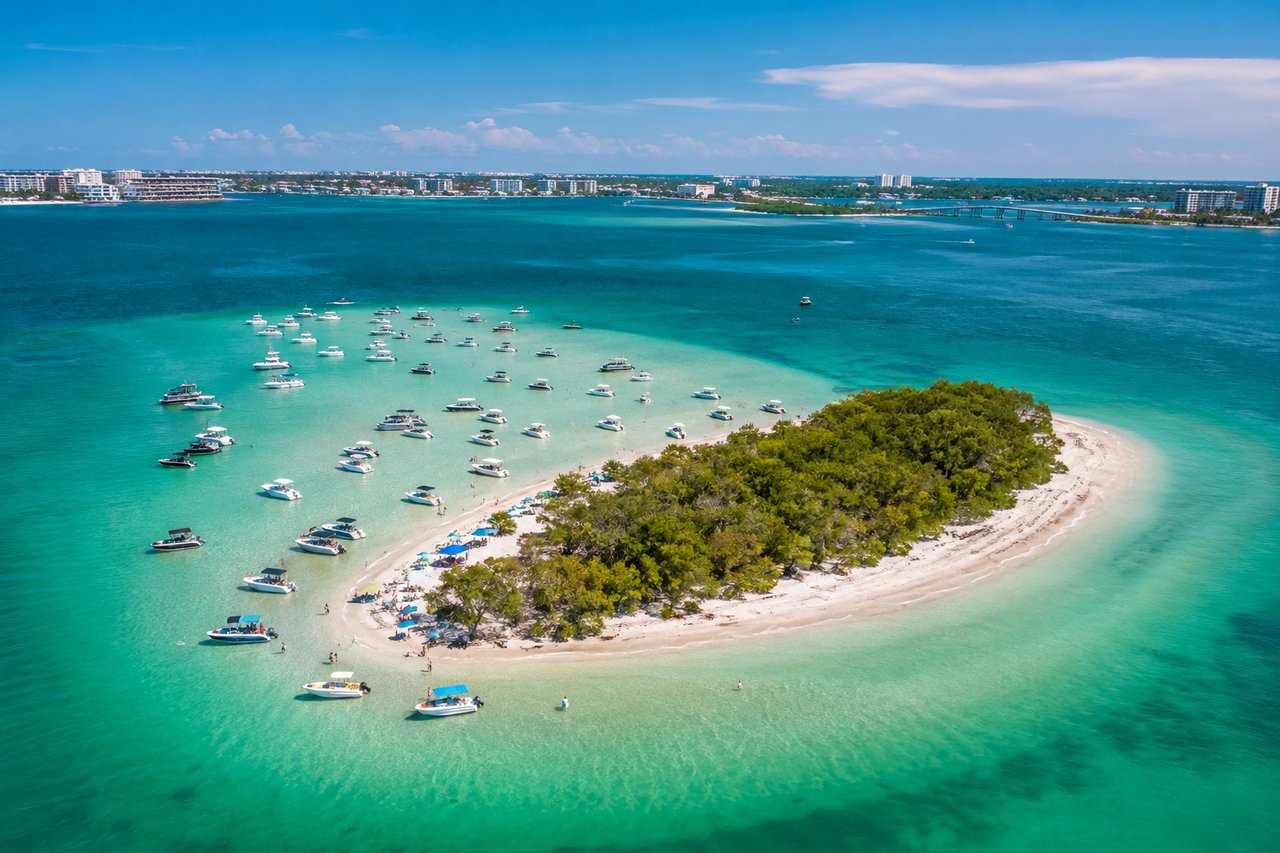
Greer Island, the north-end spit that locals call Beer Can Island, has needed no emergency dredge since 2023, four years after Longboat Key completed its seven-groin n… Read more

Bay Isles
Sea turtle nesting season on Longboat Key runs May 1 through October 31, and the Town’s Chapter 100 ordinance reaches any property whose artificial light is visible fr… Read more
Relocating to Sarasota
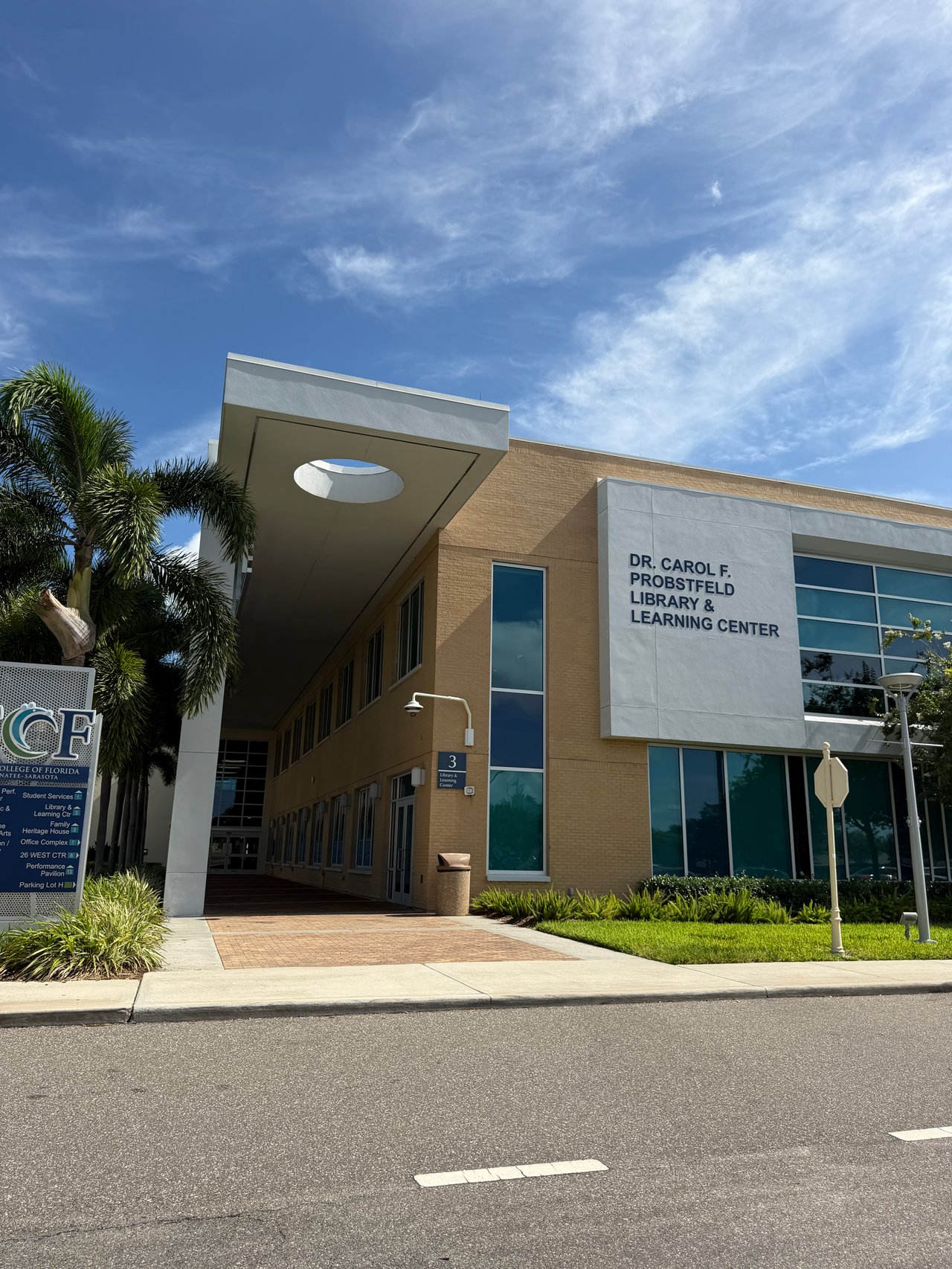
The public college behind our nurses, our technicians and a good share of the workforce — and what newcomers can actually do with it.

Lifestyle
Saturday, December 5, 2026 at Ken Thompson Park. Thirty-two local restaurants, eight hundred guests, and a record $123,900 raised last year for children in foster care… Read more

Sarasota
Five thousand rescue calls a year, twelve hundred birds treated, and a free Bird Walk most people drive past without noticing.
Laurel Park
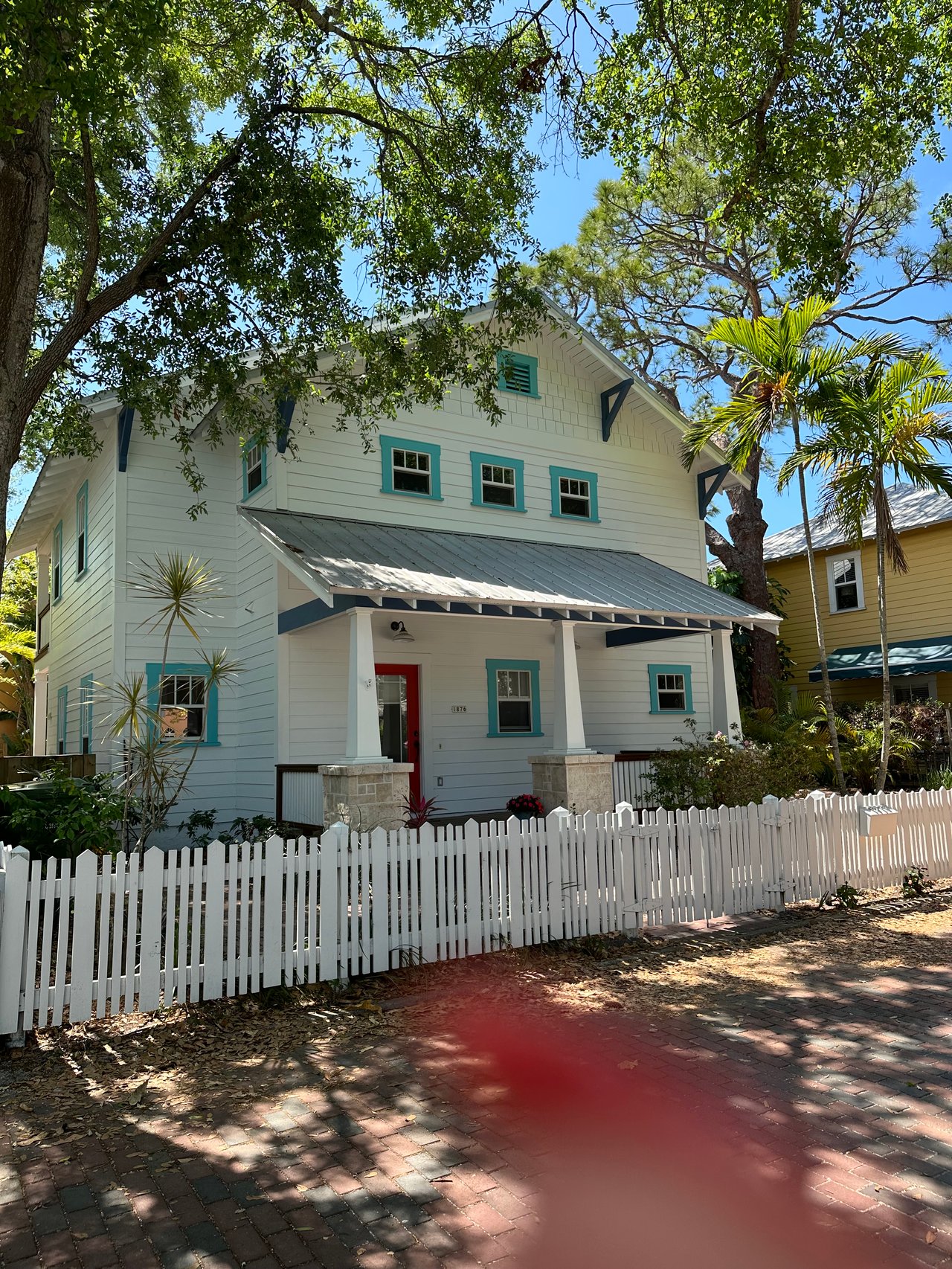
Laurel Park and Towles Court are downtown Sarasota’s historic single-family districts — 1920s cottages a walk from Main Street, with real charm and real tradeoffs.
Sarasota
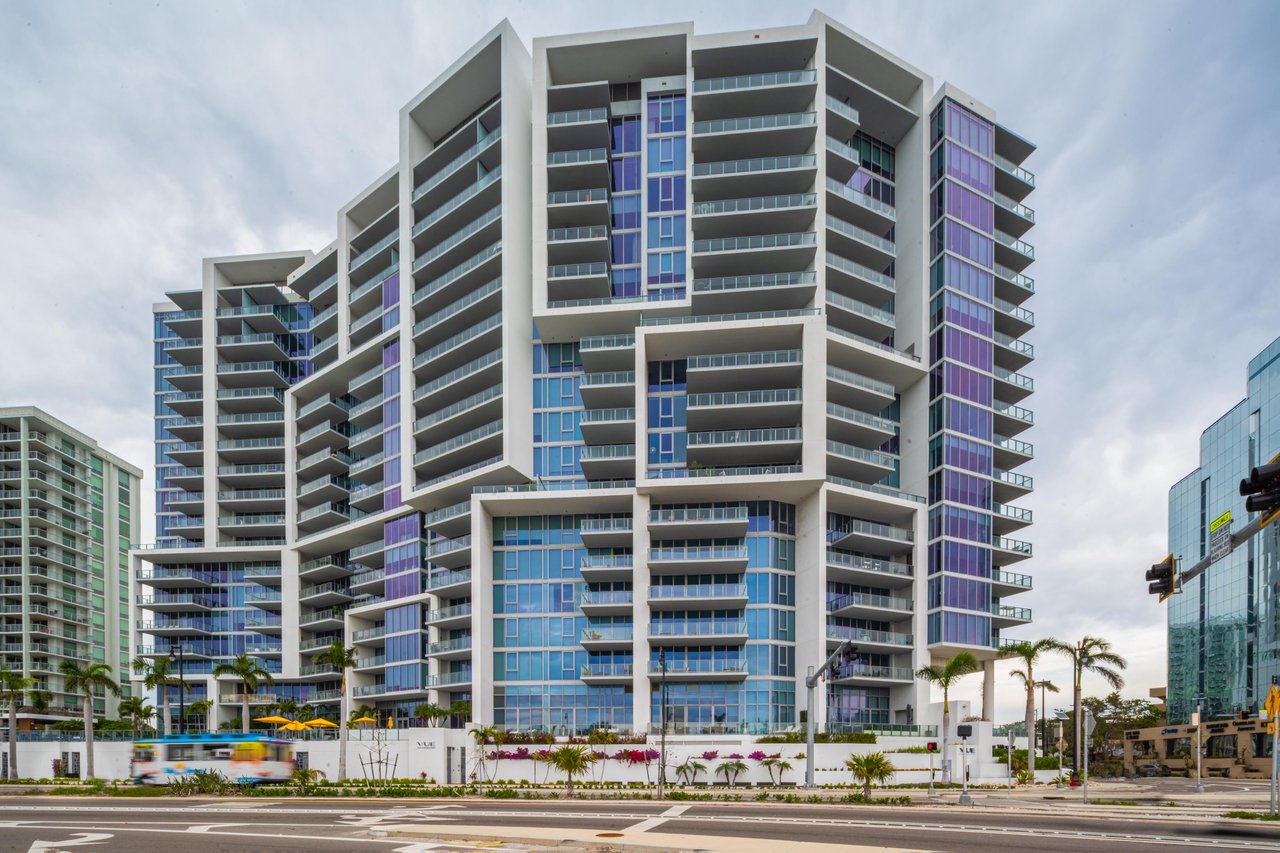
Nearly sixty years of condominium building on one stretch of the Sarasota bayfront — and what to read before you buy.
West of the Trail
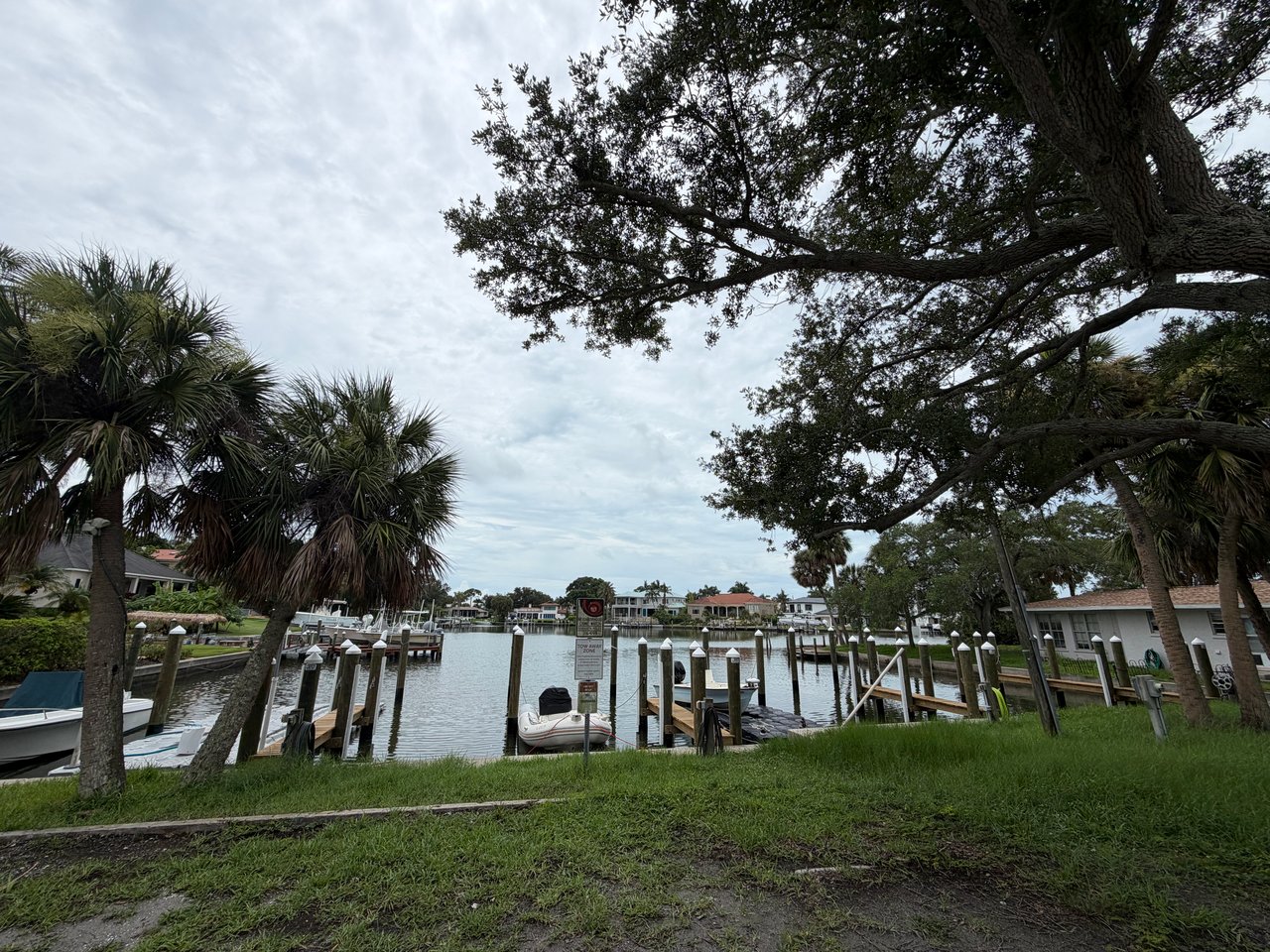
Bay Point Park in Sarasota has a shared boat basin owned by its neighborhood association, described in state lease records as a nine-slip facility serving roughly fort… Read more
Downtown Sarasota
Harbor Acres is a waterfront neighborhood west of the Trail in Sarasota, minutes from downtown and Sarasota Memorial Hospital, where most original 1950s ranches have g… Read more
Moorings Marina
The Resort at Longboat Key Club offers Bay Isles residents 45 holes of championship golf, 20 Har-Tru tennis courts, a 291-slip marina, spa, fitness, and exceptional di… Read more
Florida Luxury Real Estate
The Bay Isles Beach Club at 2111 Gulf of Mexico Drive is a private, resident-only Gulf beach facility, and every home inside the Bay Isles gates on Longboat Key carrie… Read more
Alison Kanter
Harbor House West Sarasota: 226 Golden Gate Point Guide
Harbor House Sarasota
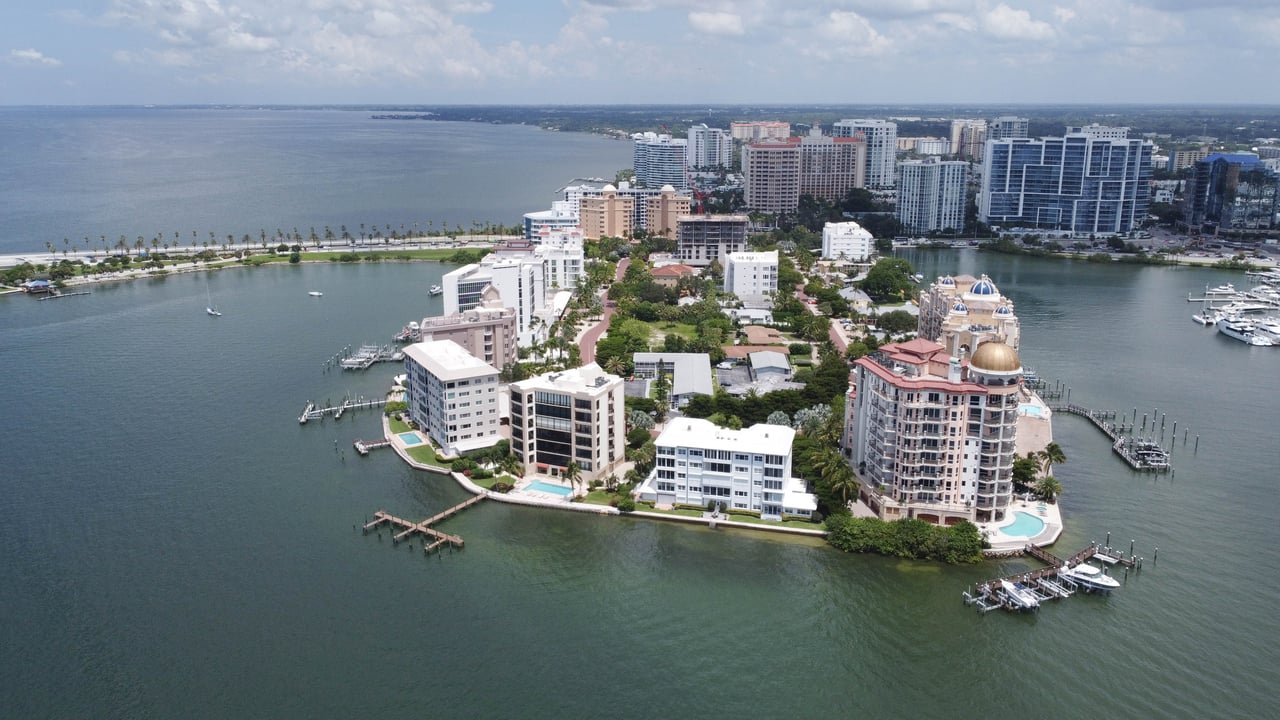
Harbor House at 174 Golden Gate Point — 13 owner-occupied residences, Sarasota Bay & Ringling Bridge views, boat dock, fishing pier. Alison Kanter & Danielle Gladding … Read more
West of the Trail
Oyster Bay Estates in Sarasota took shape in the early 1950s on the east shore of Roberts Bay, around a 1920s Chicago winter estate that had already become the private… Read more
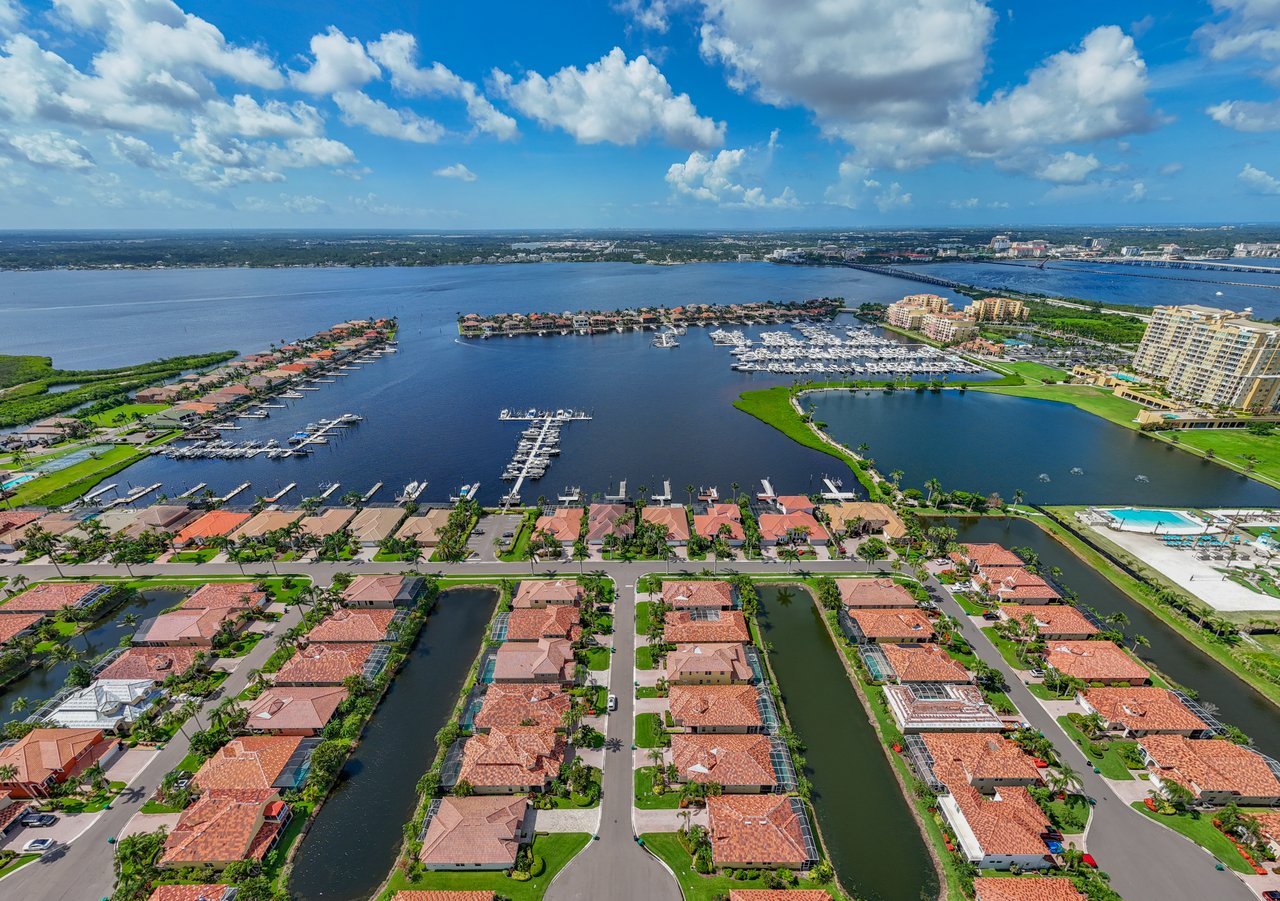
Riviera Dunes
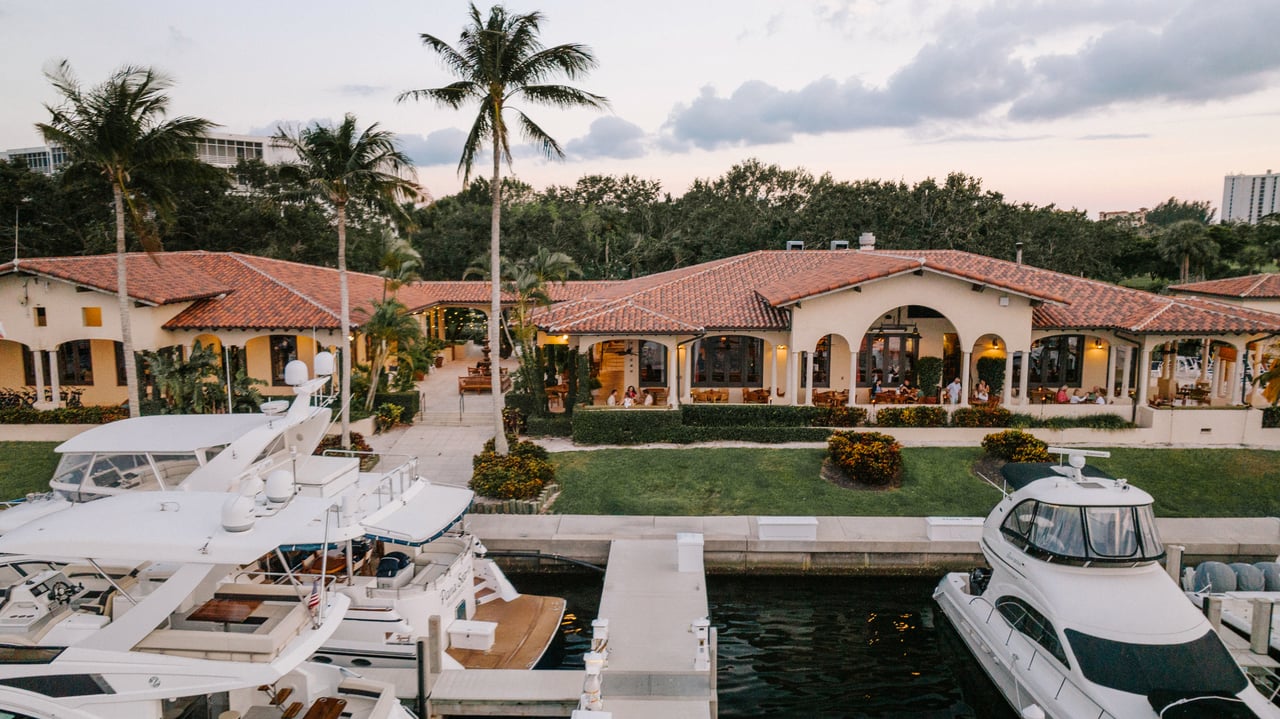
Bay Isles
The Moorings is the 291-slip deep-water marina inside Bay Isles on Longboat Key, where slips can be bought outright as real estate or rented from the resort without Cl… Read more
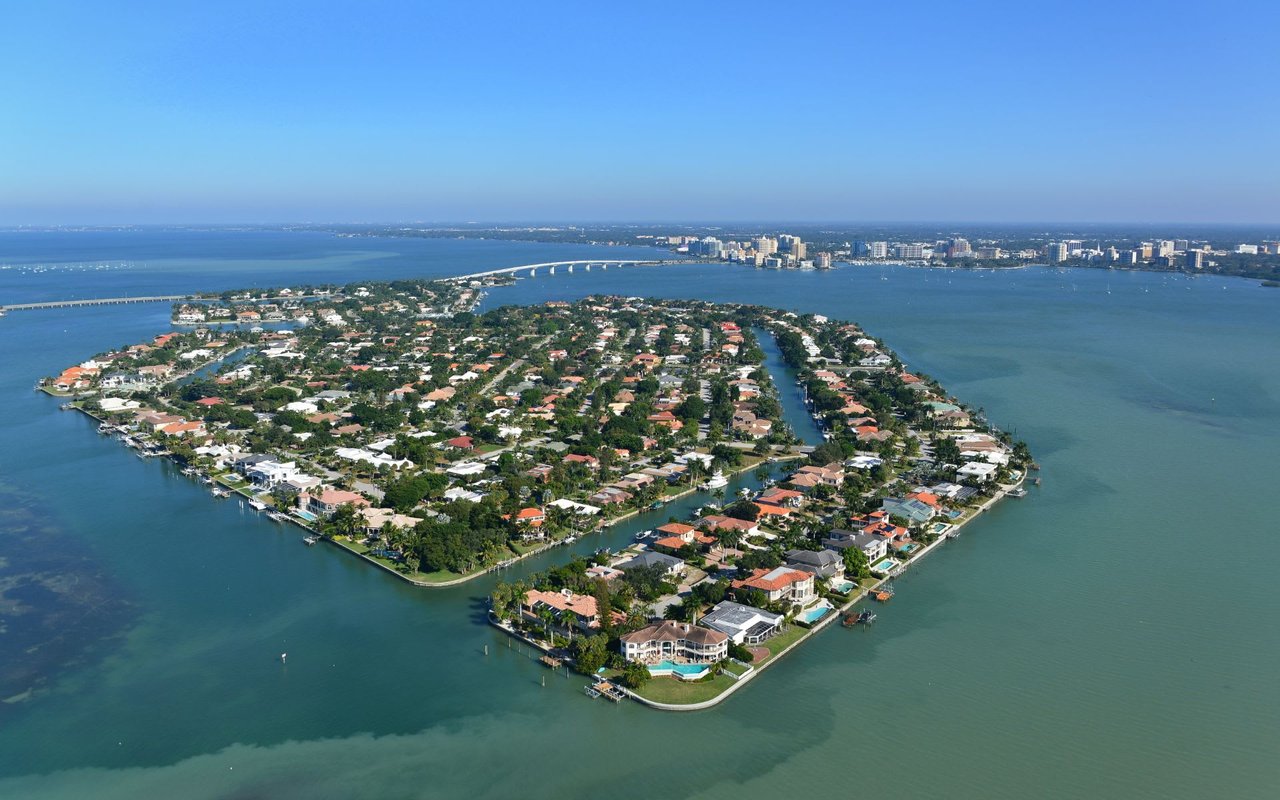
Longboat Key
Boating access on Longboat Key comes down to how the slip is legally held, the depth at mean low water, the bridge clearances on your route to the Gulf, and which coun… Read more
Florida Luxury Real Estate
The Ritz-Carlton in Sarasota is not one building: it is a hotel, residences downtown and at The Quay, a private Beach Club on Lido Key, and a Tom Fazio golf course.
Sarasota County
Buying a Condo on Longboat Key: A Resident Broker’s Guide
Lido Surf and Sand Condominium
Lido Surf and Sand is a 105-residence, eight-story 1976 beachfront condominium on Lido Beach in Sarasota where leasing is capped at two one-month leases a year and sal… Read more
St Armands
Lido Shores is the densest concentration of Sarasota School of Architecture residences in the country — Paul Rudolph, Ralph Twitchell, the Umbrella House. Here is the … Read more
A Local Perspective on Finding the Right Realtor for Longboat Key
Luxury Homes
Danielle Gladding has sold Sarasota luxury real estate since 1981; with daughter Alison Kanter she covers every premier waterfront address in the market.
Florida Living
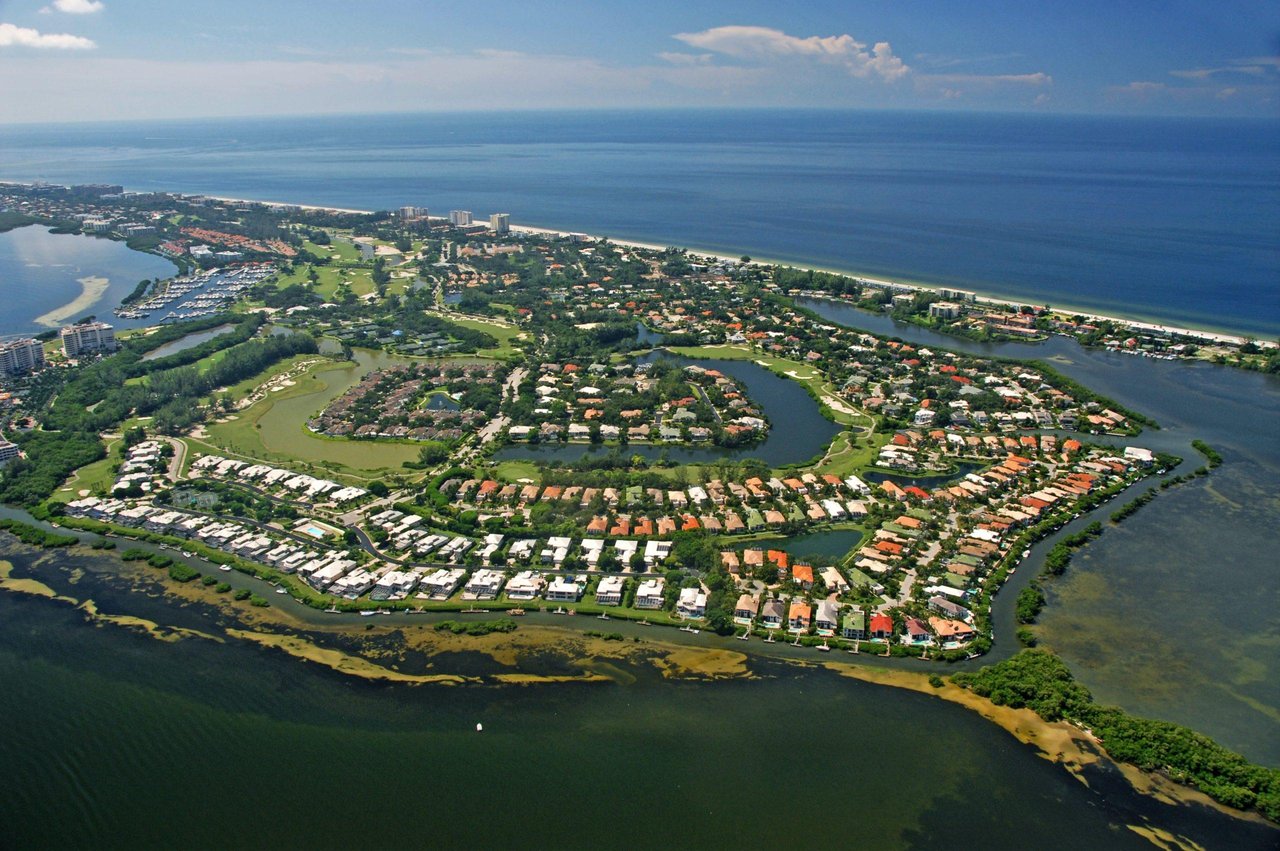
Country Club Shores or Bay Isles on Longboat Key? An honest comparison of deepwater single-family living vs gated community life, by Danielle & Alison.
Longboat Key
Sarasota
Florida's main pros are no state income tax, year-round outdoor living, and six distinct regions to choose from; its main cons are summer heat, hurricane season, growt… Read more
Sarasota
Florida has no state income tax, California’s top rate is 13.3 percent, and a New York City resident can face a combined state and city top rate of 14.776 percent — th… Read more
Sarasota
Cost, traffic, culture, beaches, golf, clubs and taxes, scored round by round
Florida Luxury Real Estate
Naples is the more refined and more expensive of the two markets and skews decisively older, while Sarasota is more approachable, wider in age range, and generally giv… Read more
Golden Gate Point
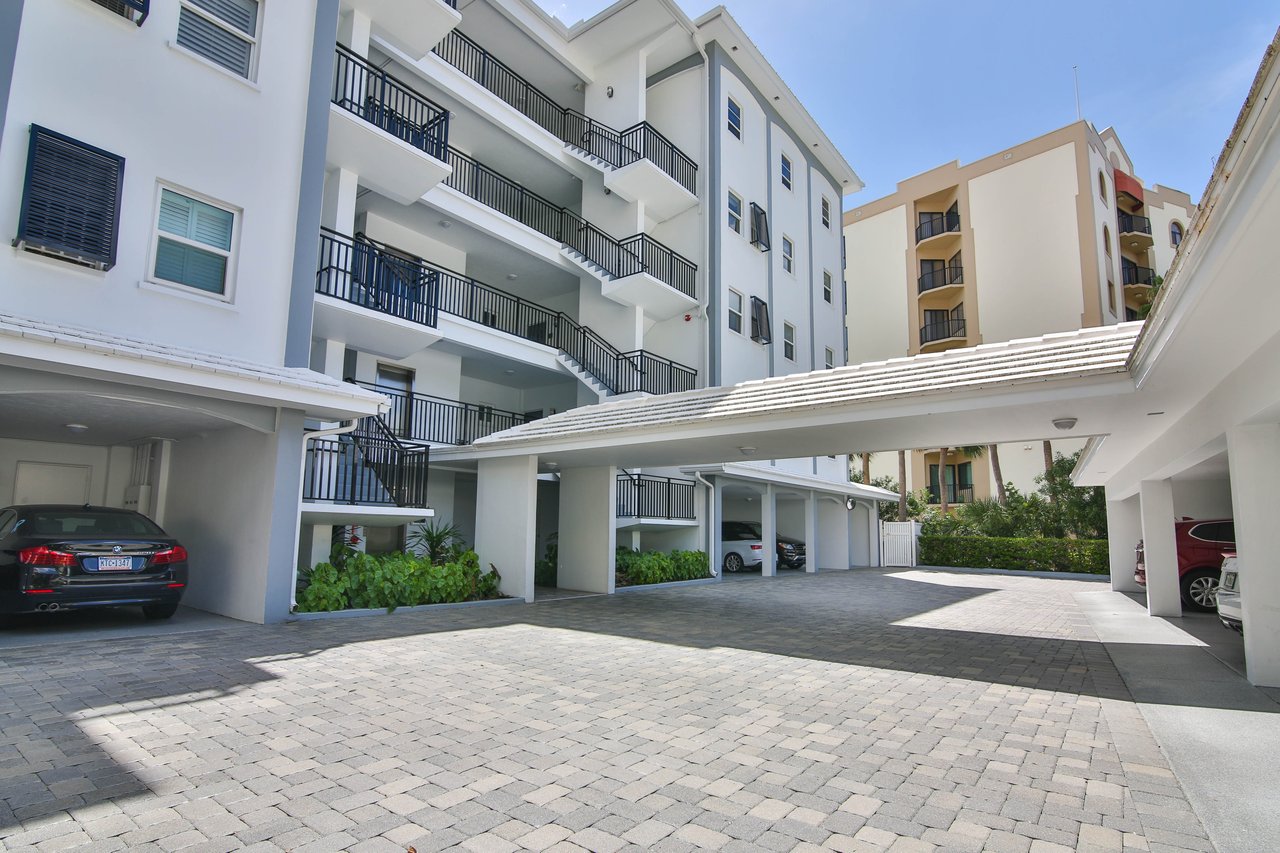
Harbor House South 400 Golden Gate Point — 13 units, bay views, boat docks. Danielle lived here. Alison Kanter & Danielle Gladding guide buyers & sellers.
Golden Gate Point
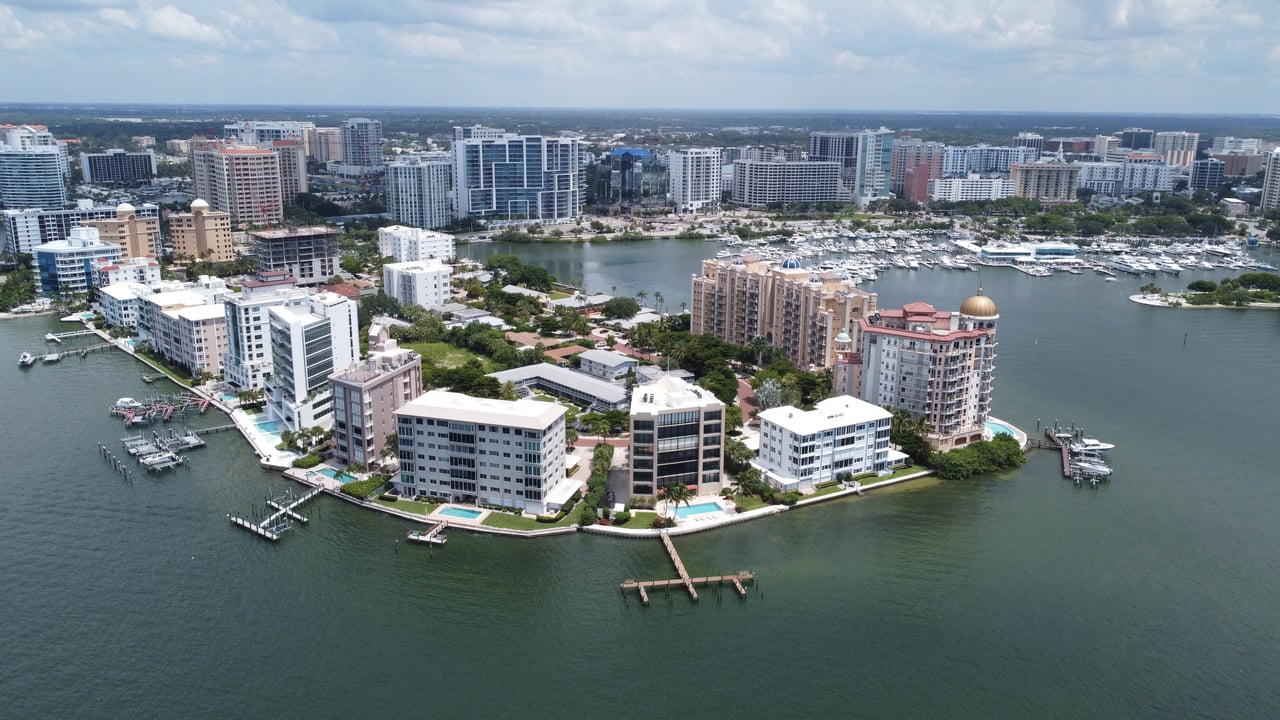
Six original condominium buildings survive on Golden Gate Point, built between 1962 and 1970, holding roughly ninety residences on a 22-acre peninsula that cannot add … Read more
Downtown Sarasota
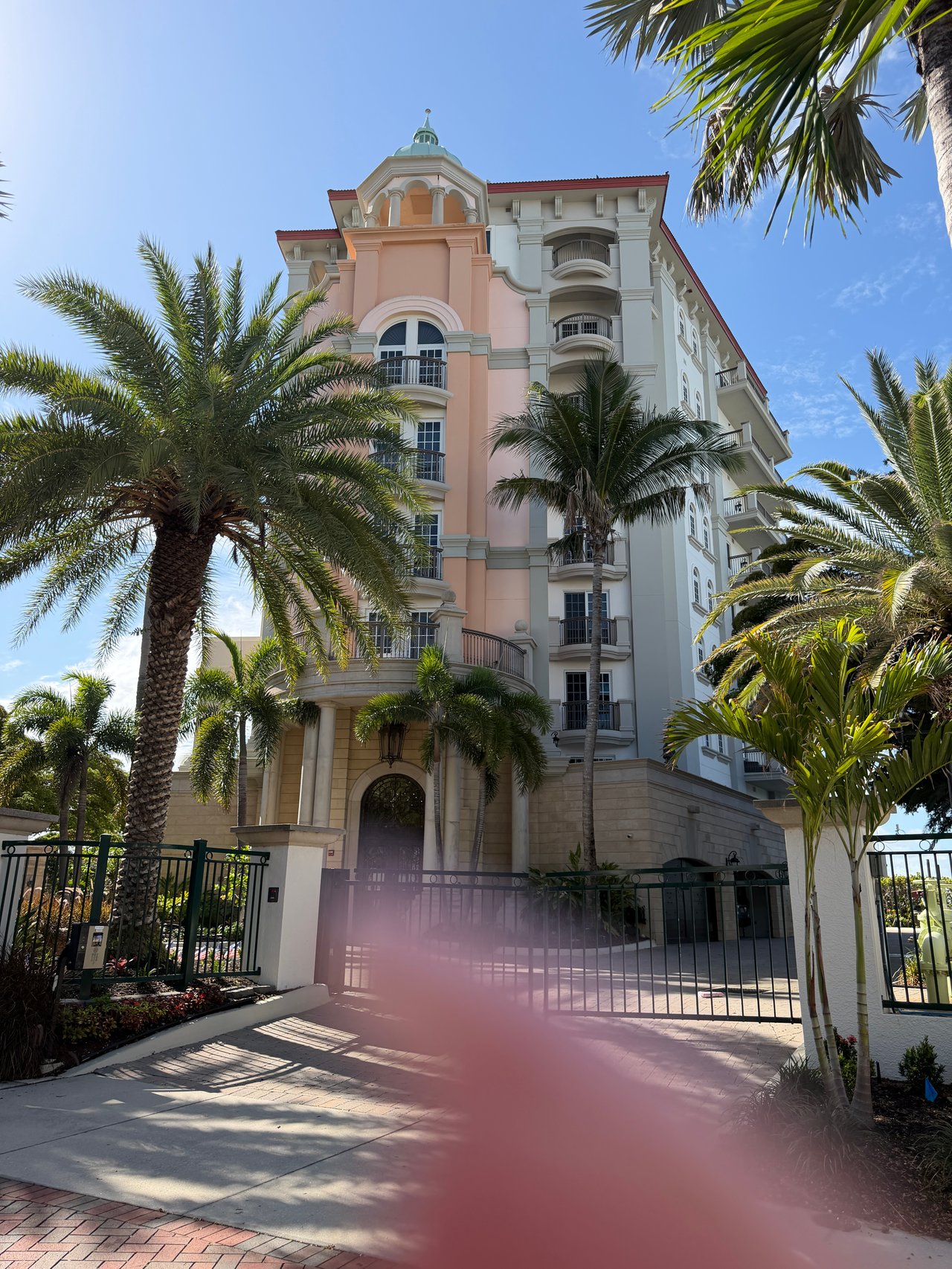
Nine condominium buildings on Golden Gate Point date from 1993 to 2006: Renaissance, Alta Mer, Toscano, The Phoenix, Golden Bay, Majestic Bay, Vista Bay Point, Grande … Read more
Sarasota Bay
A 22-acre peninsula reaching into Sarasota Bay between downtown and the Ringling Bridge, holding more than twenty condominium buildings across three generations — 1960… Read more

Bay Isles Beach Club
Harbour Links is an intimate community of 20 units in three buildings inside the gated Bay Isles on Longboat Key, founded in 1989 at 2015 Harbour Links Drive — recentl… Read more
Bay Isles Luxury Homes
Harbour Court is a waterfront association of only 18 homes inside the gated Bay Isles on Longboat Key, with expansive 180-degree Sarasota Bay views — each home has a p… Read more
Bay Isles
Weston Pointe is a boutique enclave of fifteen detached courtyard villas inside gated Bay Isles on Longboat Key, with many homes carrying deeded boat slips and Gulf ac… Read more
Bay Isles Harbor Section
The Bay Isles Harbor is a double-gated enclave of 67 architect-designed homes on four quiet streets of wide canals at the south end of Bay Isles, Longboat Key.
Harbor Oaks
Harbour Oaks is one of the earliest neighborhoods within the gated Bay Isles on Longboat Key — single-story, two-story, and stacked villas with three bedrooms, 2,100+ … Read more
Marina Bay
Marina Bay offers spacious condominiums with bay views and marina proximity inside Bay Isles on Longboat Key — the ideal community for boating buyers who want condo si… Read more
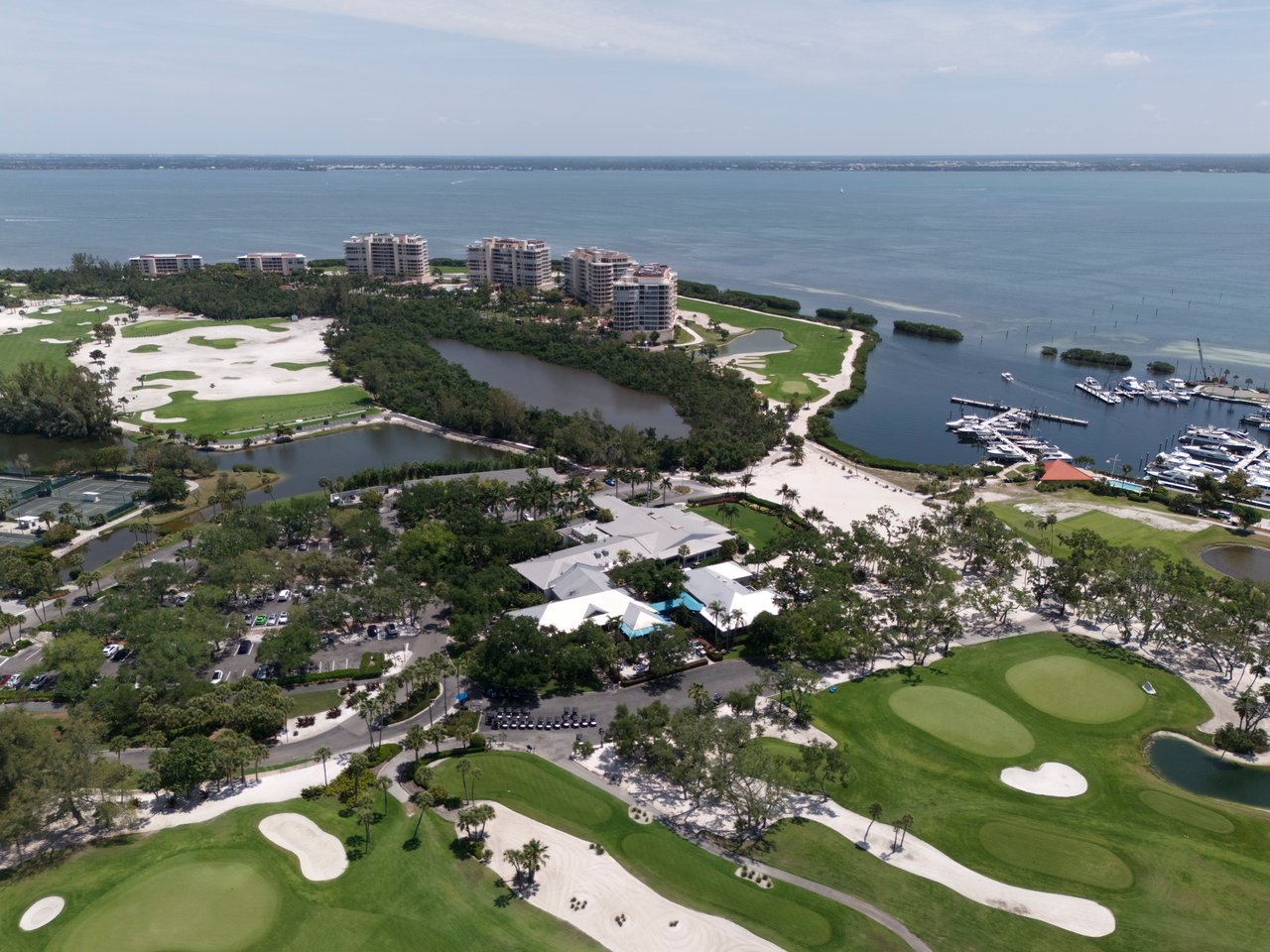
Longboat Key
The Atrium at Bay Isles offers two mid-rise towers with 80 spacious condominiums and Sarasota Bay views.
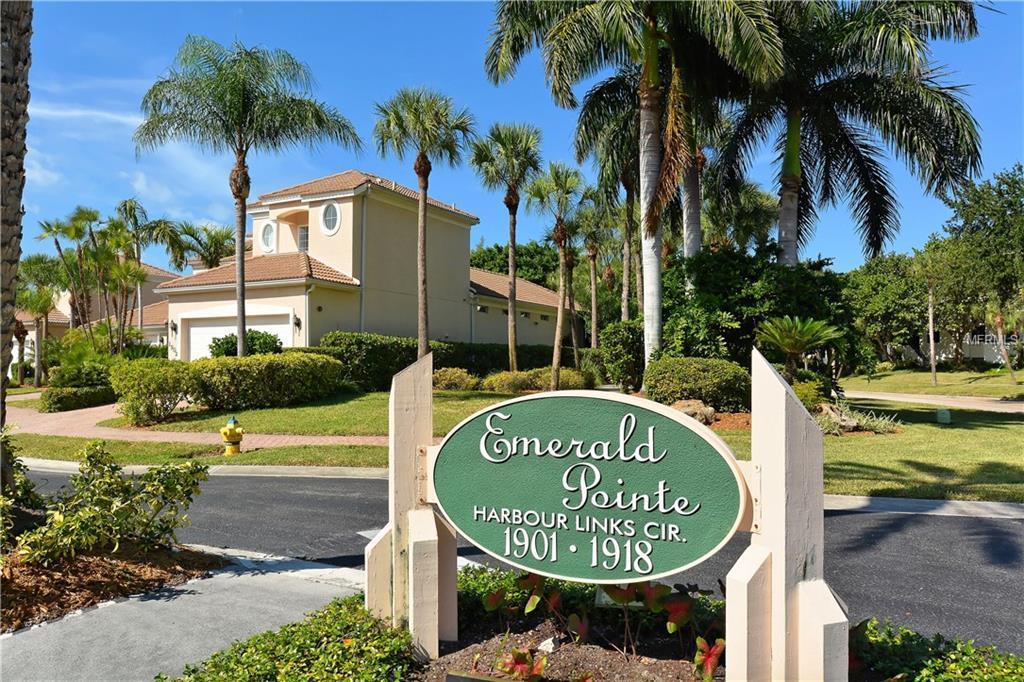
Emerald Pointe
Emerald Pointe offers 22 freestanding maintenance-free villas built around 2000 inside Bay Isles on Longboat Key — among the community's newest homes, with open floor … Read more

Resort at the Longboat Key Club
Harbour Circle at Longboat Key is a community of 42 contemporary Spanish-style villas at the north end of South Bay Isles — mostly three-bedroom, two-and-a-half-bath h… Read more
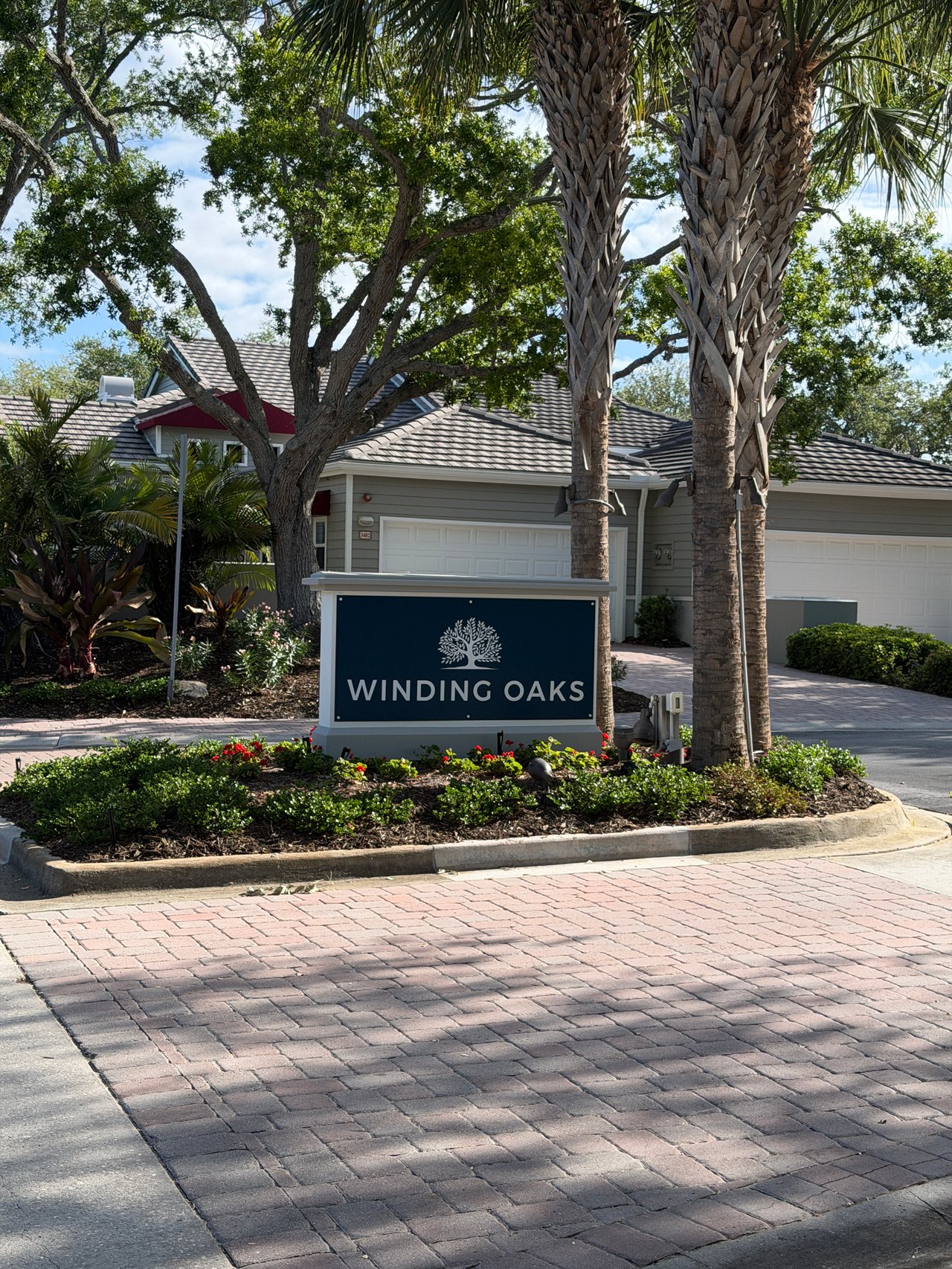
Bay Isles
Winding Oaks is an established community inside Bay Isles on Longboat Key — generous lots, mature canopy trees, a private 4-acre nature park, community pools, and the … Read more
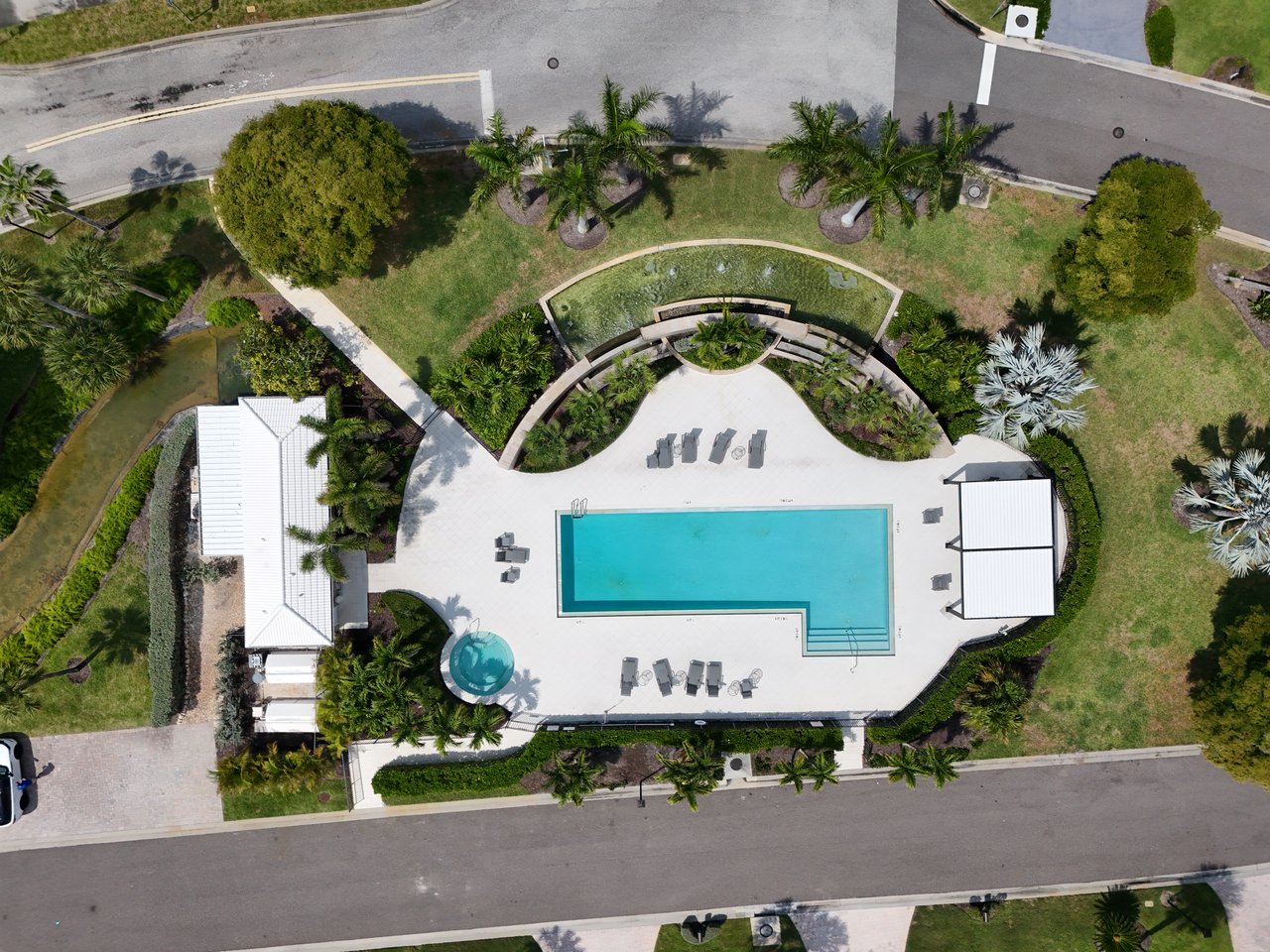
Bay Isles
Corey's Landing is a gated enclave of sixty-one homes and patio villas inside Bay Isles on Longboat Key, with open-bay and golf-course residences, pool, tennis, and de… Read more
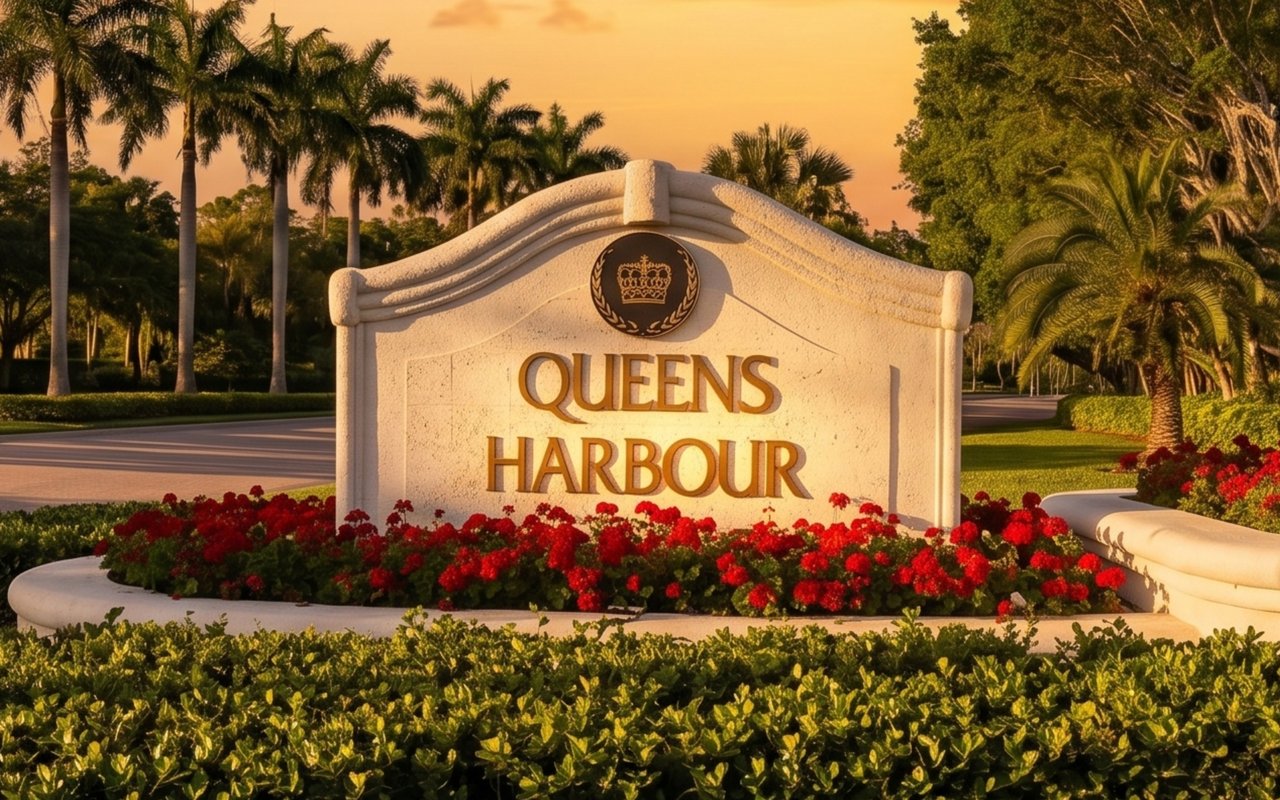
Why Queens Harbour on Longboat Key Offers a Lifestyle Few Communities Can Match
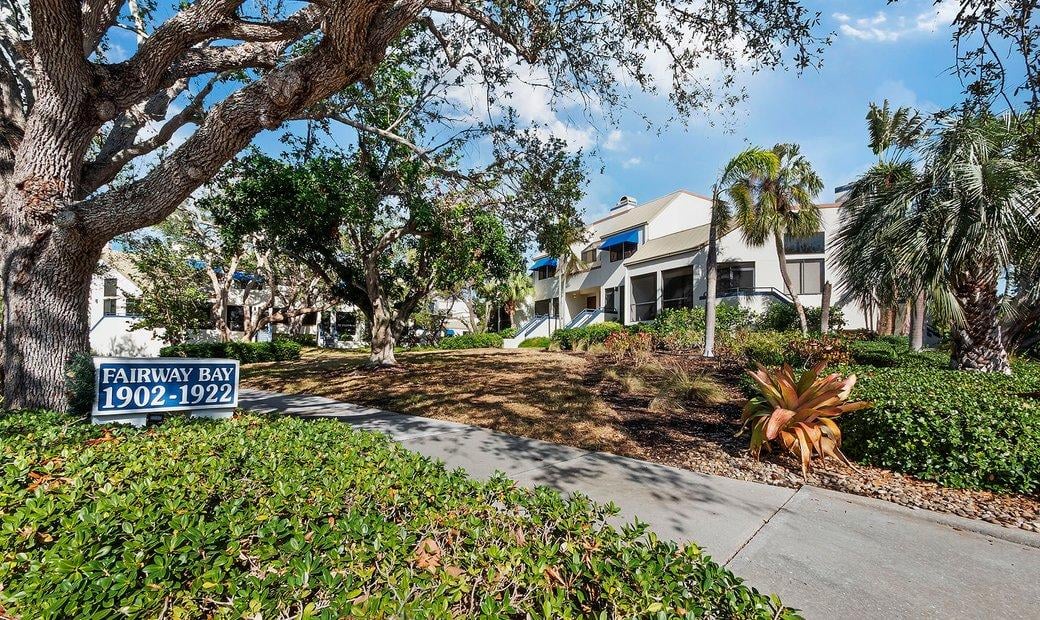
Fairway Bay Condominium
Fairway Bay I & II offers 208 condominiums and townhouses inside Bay Isles on Longboat Key with golf course and water views.
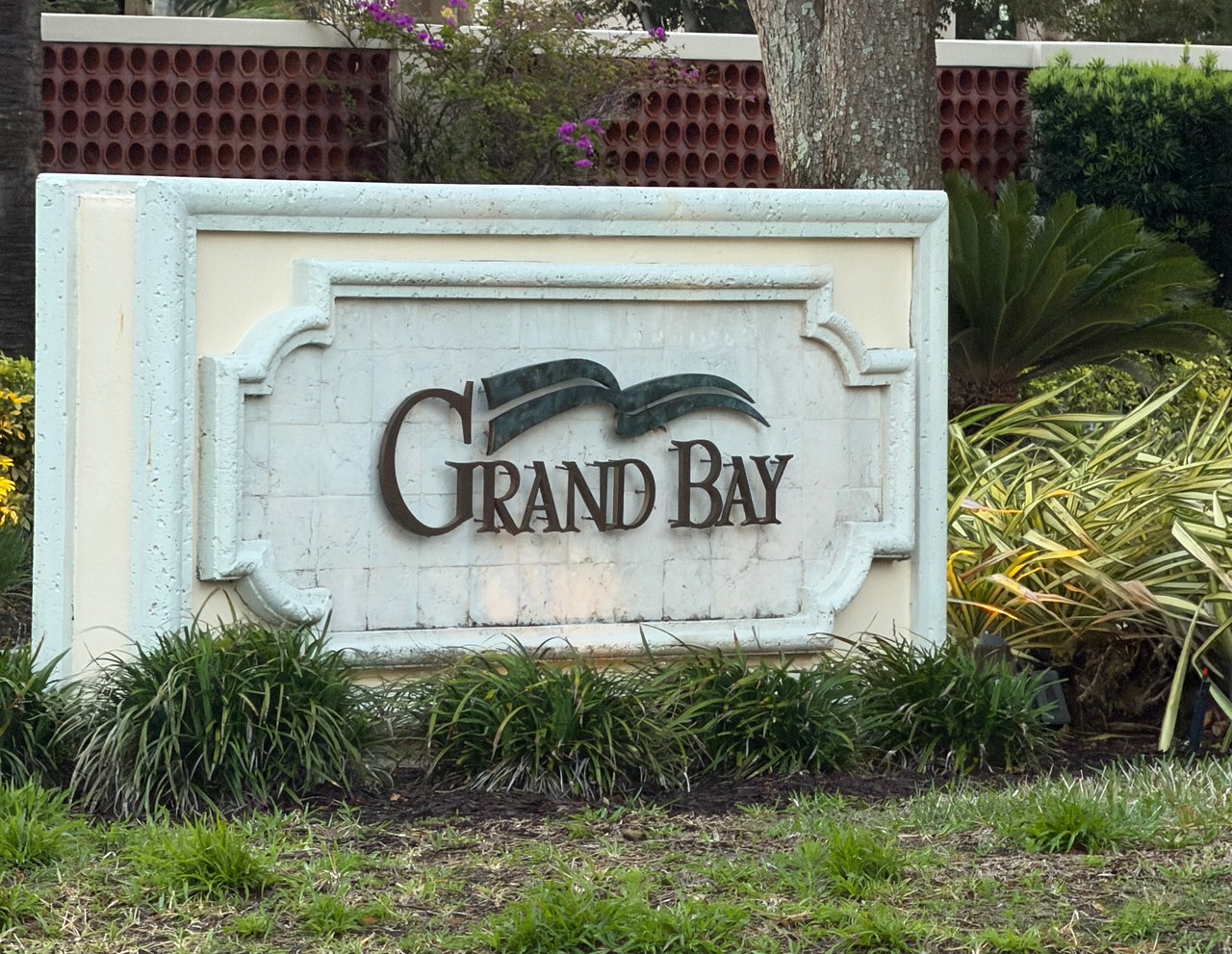
Grand Bay Condominium
Grand Bay is the largest condominium community inside the gated Bay Isles on Longboat Key — 272 residences across six buildings at 3060 Grand Bay Boulevard, ranging fr… Read more
Florida Luxury Real Estate
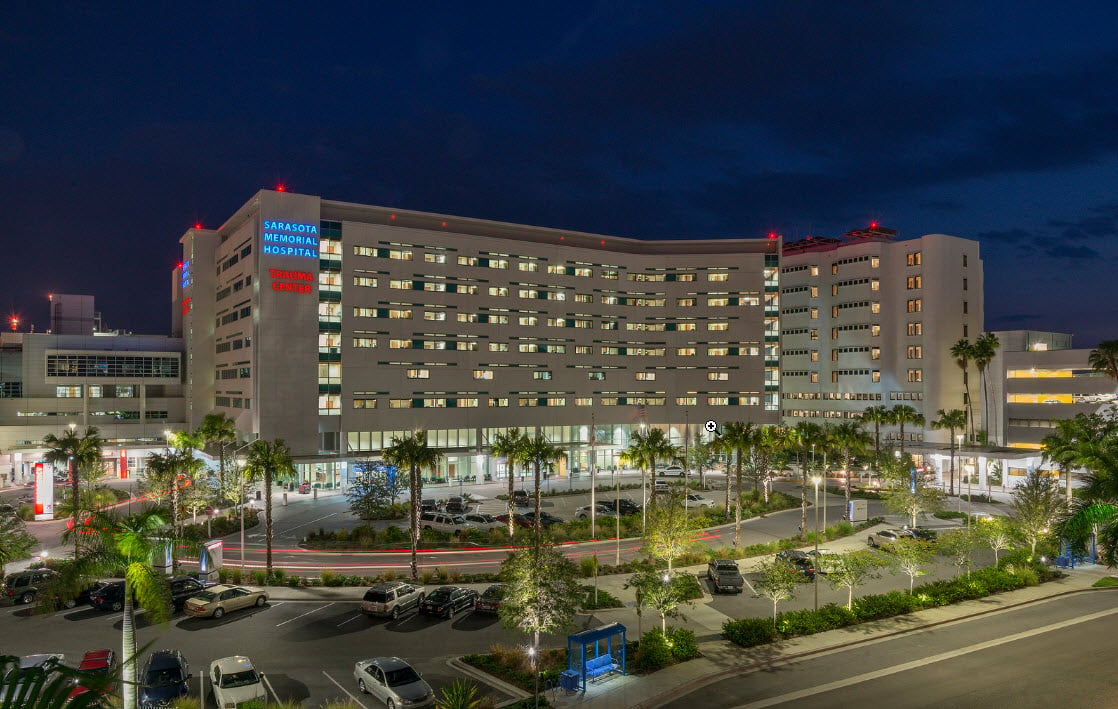
Sarasota Memorial Health Care System was named one of the nation’s 15 Top Health Systems in 2026, which makes Sarasota’s medicine unusually strong — but your address d… Read more
Relocation
Taxes, insurance, groceries, dining, culture — and everything here that costs nothing.


Siesta Key
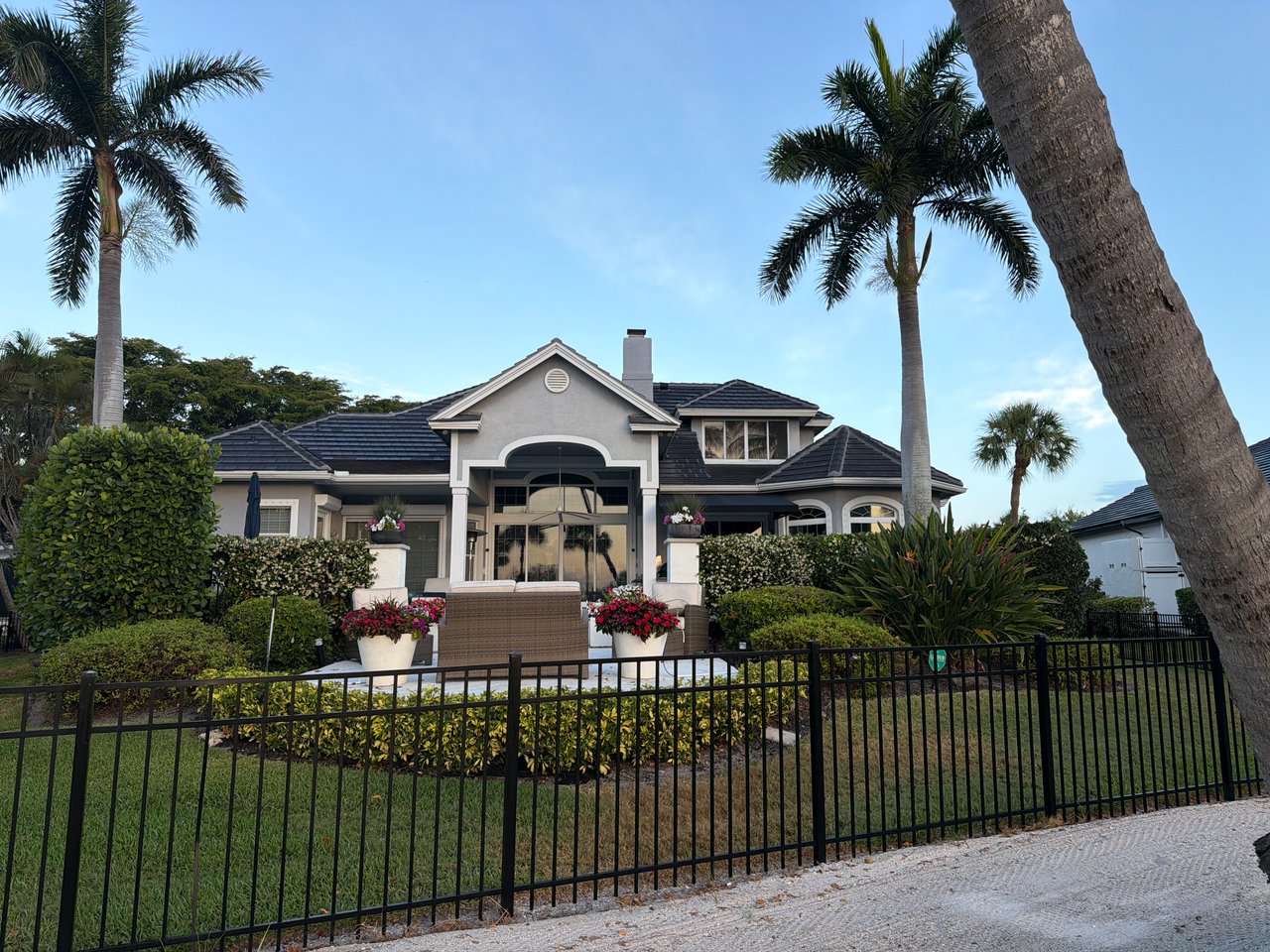
Whether you can rent weekly on Siesta Key comes down to jurisdiction and zoning. Here is how to verify both before you make an offer.
Longboat Key
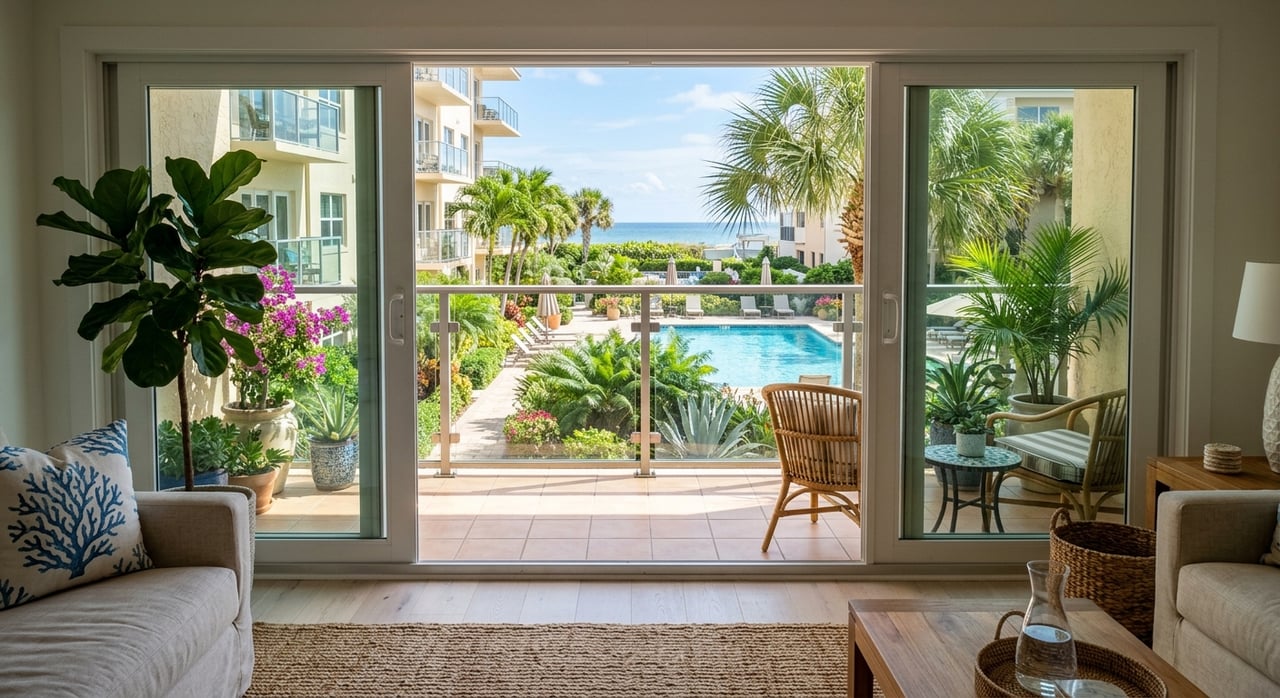
Longboat Key sits in two counties, and buyer closing costs differ on each side of the line — including who customarily pays for the owner's title insurance policy.

Selling
Selling a luxury home in Bay Isles on Longboat Key means pricing by micro-market across its 16 residential neighborhoods, leading with dockage, and preparing coastal d… Read more
Longboat Key
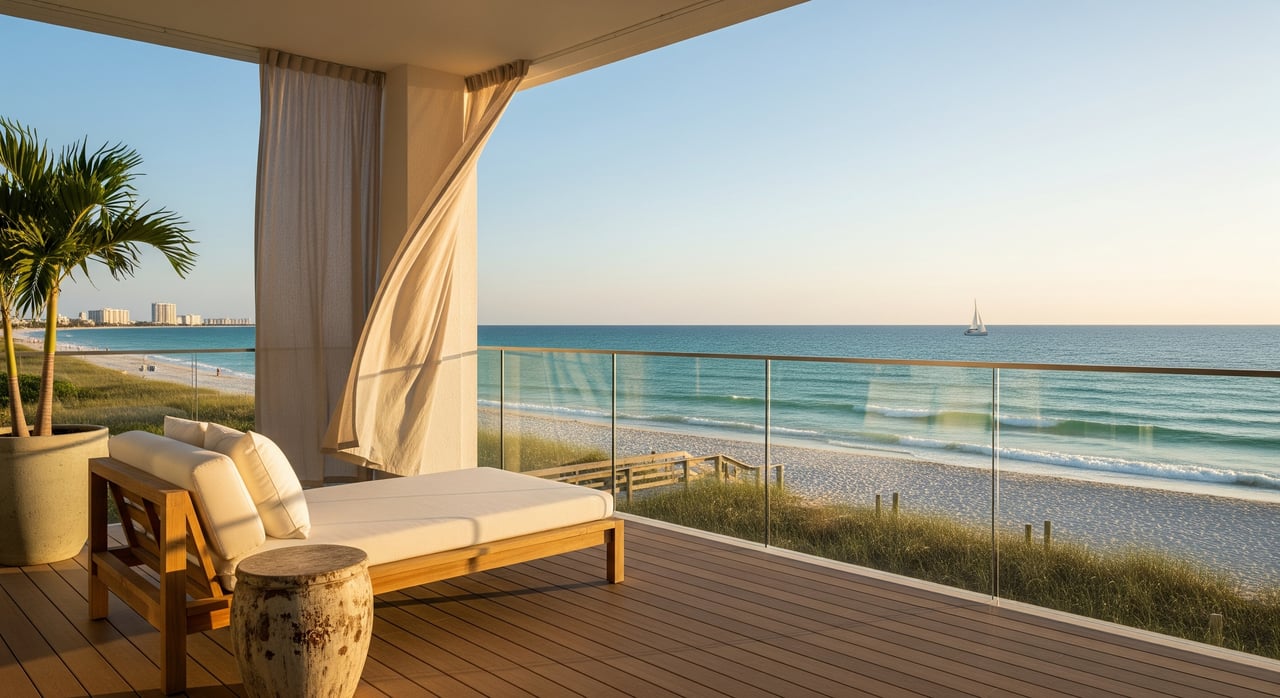
Longboat Key is an island condo market with small sample sizes and seasonal swings, so the buyers who do best read it by building and submarket — not by island-wide av… Read more
Six88
Golden Gate Point's new-construction buildings are ONE88, AQUA, The Pearl, Evolution, En Pointe, Peninsula Sarasota, Six88, The Owen and Amara on Sarasota Bay.
Get assistance in determining current property value, crafting a competitive offer, writing and negotiating a contract, and much more. Contact Us today.