Understanding Closing Costs for Longboat Key Buyers
December 18, 2025
December 18, 2025
Ever look at a sample Closing Disclosure and wonder where all those numbers come from? If you are buying on Longboat Key in 34228, it is smart to get ahead of the details. You want a clear picture of what you will pay, what is optional, and which items you can negotiate. In this guide, you will learn what closing costs cover, how condo and single‑family purchases differ on the island, and a simple checklist to reach the finish line with confidence. Let’s dive in.
You can plan for buyer closing costs in Florida to total about 2% to 5% of the purchase price. This does not include your down payment. On a barrier island like Longboat Key, totals often lean toward the higher end because of insurance and association‑related fees.
Here are simple planning ranges:
Actual costs depend on your loan type, insurance choices, flood zone, and any seller credits you negotiate.
Condos typically require an estoppel letter and a package of resale documents. Expect a separate line item for the estoppel. Expedited document packages may add cost and can affect timelines.
For condos, you usually carry an HO‑6 policy for the interior and contents, while the association maintains a master policy. You should verify wind or hurricane deductibles and any gaps not covered by the master policy. For single‑family homes, you purchase a standard homeowner’s policy, and flood insurance is commonly needed on Longboat Key if the property is in a mapped flood zone.
Condominium associations can levy special assessments. The association disclosure or estoppel will show any known assessments. Depending on the contract, these can be negotiated or become a buyer cost at closing if due.
Some lenders have stricter approval standards for condos, including project certification and reserve reviews. This can add time or cost to your loan process. Confirm requirements early so your appraisal and underwriting stay on track.
Certain associations require approved contractors or specific inspections before work. If repairs are negotiated, confirm any association rules that could affect timing or costs before closing.
Many Longboat Key properties fall within mapped flood zones. If you finance and the home is in a Special Flood Hazard Area, your lender will require flood insurance. Premiums vary with elevation, structure value, and whether you use the NFIP or a private carrier. Get quotes early and ask if an elevation certificate is needed.
Windstorm coverage and hurricane deductibles are major cost drivers. A wind mitigation inspection can help you qualify for insurance credits. Ask your insurer what documentation will reduce your premium.
Manatee County prorates taxes at closing. Buying after the tax lien date does not remove liability for taxes already assessed. Confirm how prorations are handled in your contract so you are clear on your share.
Florida documentary stamp taxes and county recording fees apply to most transactions. Who pays is customarily set by the contract in this area. Your title company will calculate exact amounts and list them on your Closing Disclosure and settlement statement.
Longboat Key includes many condo communities with varying rules, fees, and turnaround times for resale documents and approvals. If you are on a tight timeline, ask about expedited processing and any added fees.
Use these common ranges to sketch a budget. Your lender and title company will provide exact numbers.
These ranges are illustrative. Your final Closing Disclosure will list each line item and amount.
Closing on Longboat Key can involve more moving parts than a standard mainland purchase, especially around insurance and association fees. With a clear plan, transparent estimates, and local expertise, you can reach the closing table without surprises. If you would like a line‑by‑line estimate and help coordinating trusted local title, inspection, and insurance partners, connect with Delivering Luxury Sarasota. Schedule a Free Consultation.
Stay up to date on the latest real estate trends.
Marina Bay
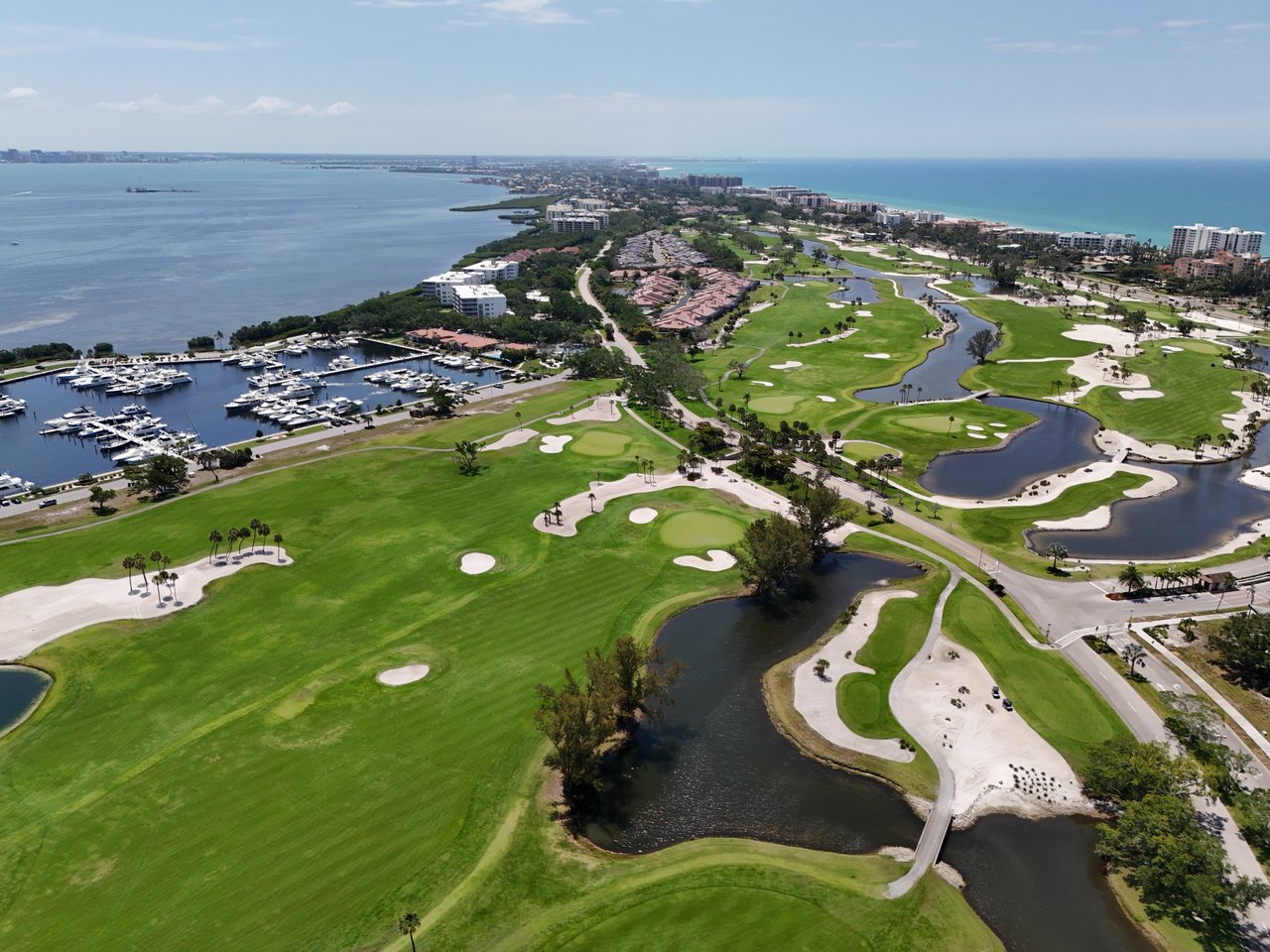
Marina Bay offers spacious condominiums with bay views and marina proximity inside Bay Isles on Longboat Key — the ideal community for boating buyers who want condo si… Read more
Luxury Living

Danielle Gladding
Danielle Gladding has lived in Bay Isles, served the community as a Kiwanis president, guided buyers and sellers since 1981, and is the broker whose husband serves as … Read more
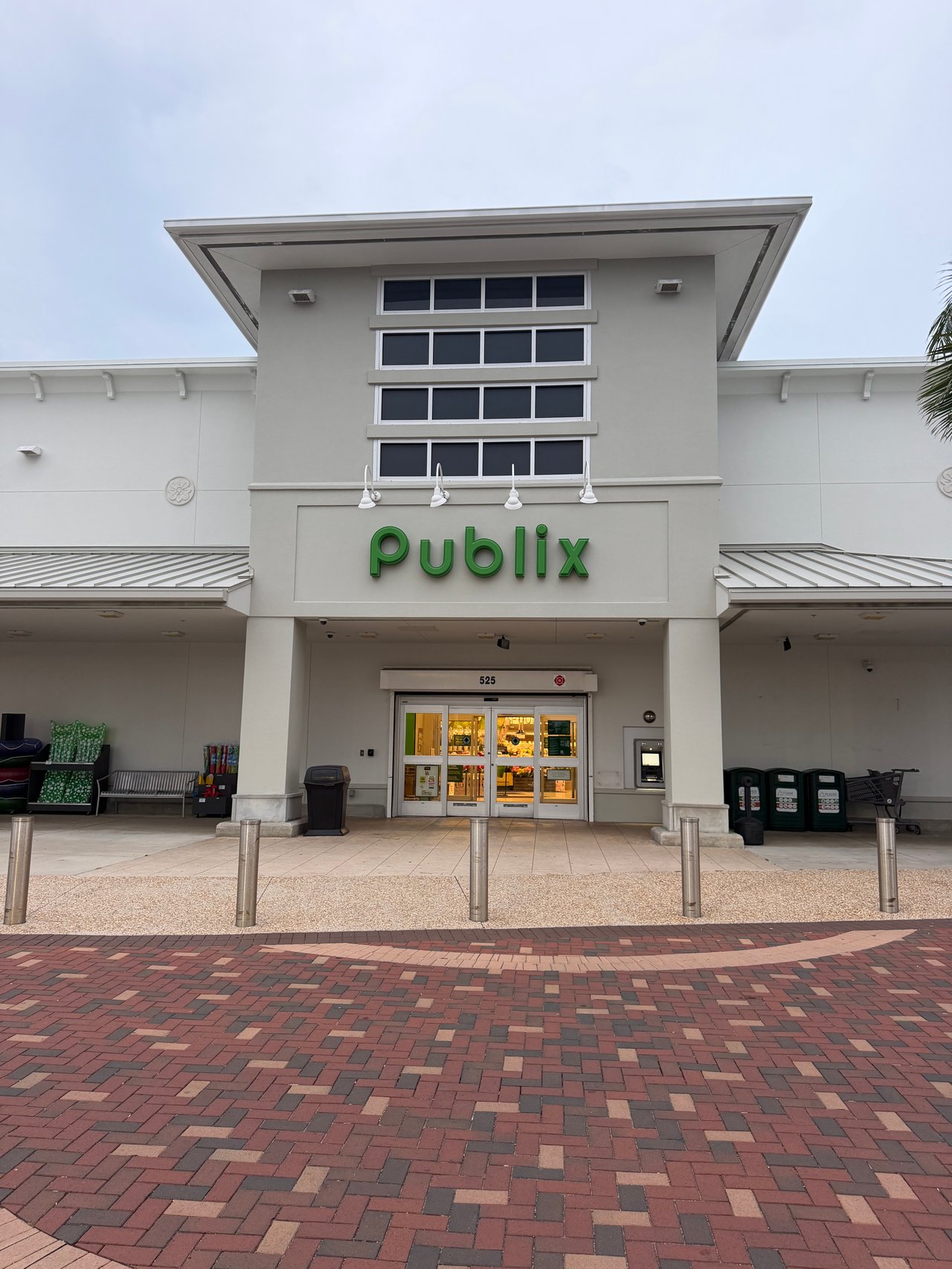
Bay Isles
The Shoppes of Bay Isles at 525 Bay Isles Parkway offer everyday convenience for Bay Isles residents — anchored by Publix, with CVS, Chase, Truist, salons, fitness, an… Read more
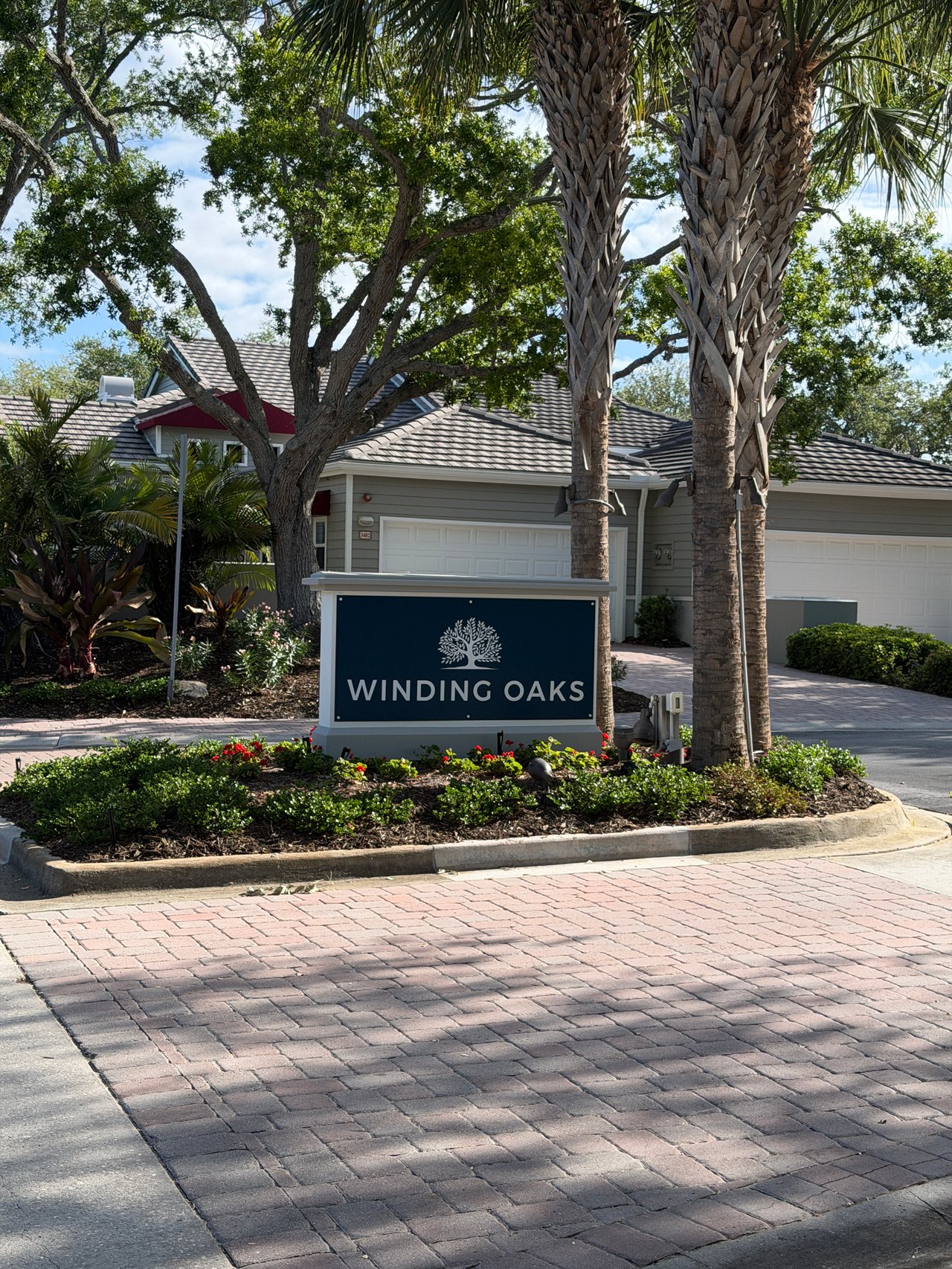
Winding Oaks
Winding Oaks is an established community inside Bay Isles on Longboat Key — generous lots, mature canopy trees, a private 4-acre nature park, community pools, and the … Read more
Lido Surf and Sand Condominium
Lido Surf and Sand is a 105-residence, eight-story 1976 beachfront condominium on Lido Beach in Sarasota where leasing is capped at two one-month leases a year and sal… Read more
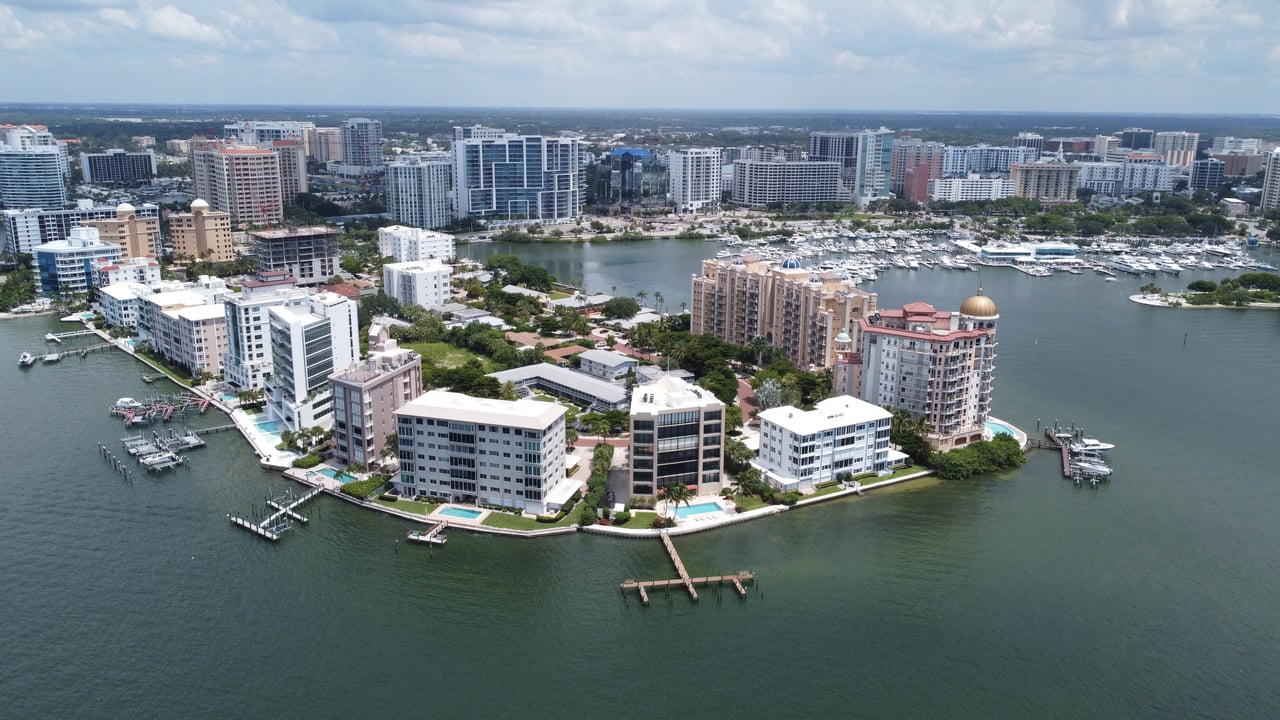
The Atrium Condominium
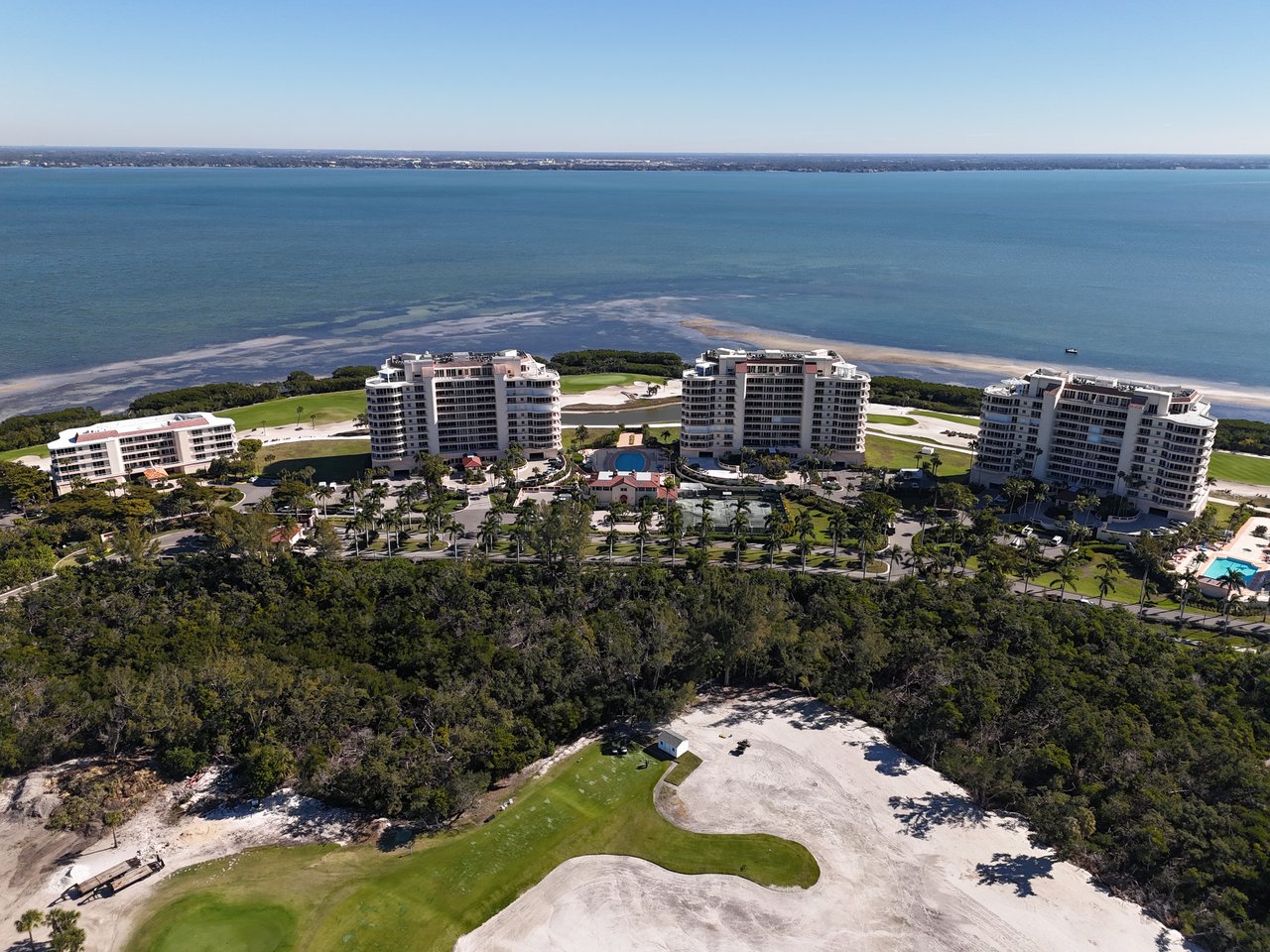
The Atrium at Bay Isles offers two mid-rise towers with 80 spacious condominiums and Sarasota Bay views.
Golden Gate Point
Harbor House West Sarasota: 226 Golden Gate Point Guide
Emerald Pointe
Emerald Pointe offers 22 freestanding maintenance-free villas built around 2000 inside Bay Isles on Longboat Key — among the community's newest homes, with open floor … Read more
Bay Isles
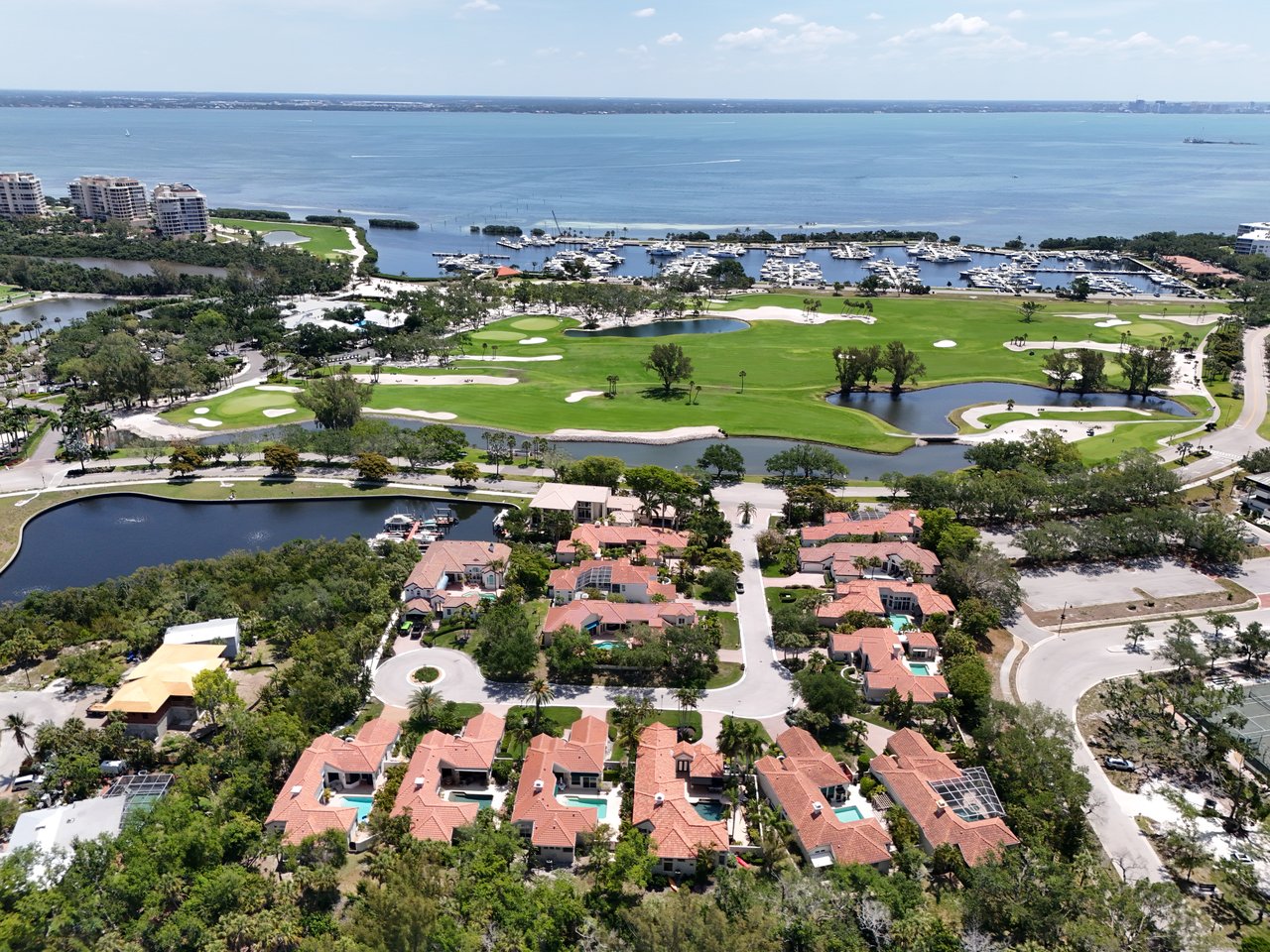
Weston Pointe is a boutique enclave of fifteen detached courtyard villas inside gated Bay Isles on Longboat Key, with many homes carrying deeded boat slips and Gulf ac… Read more
Bay Isles
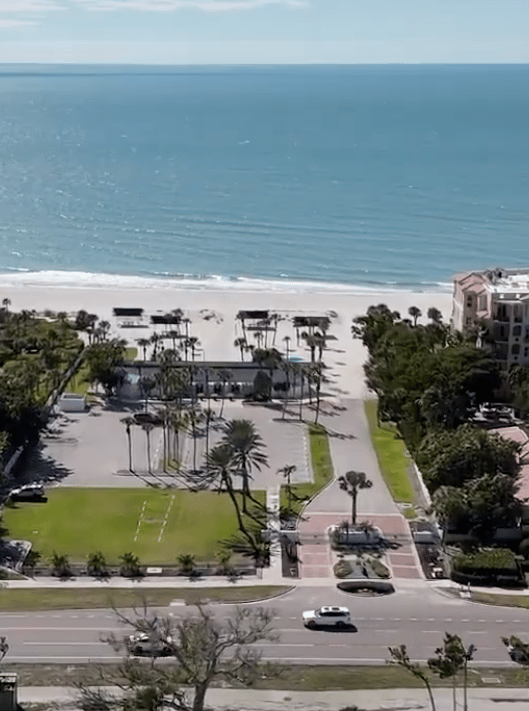
Harbour Circle at Longboat Key is a community of 42 contemporary Spanish-style villas at the north end of South Bay Isles — mostly three-bedroom, two-and-a-half-bath h… Read more
Bay Isles
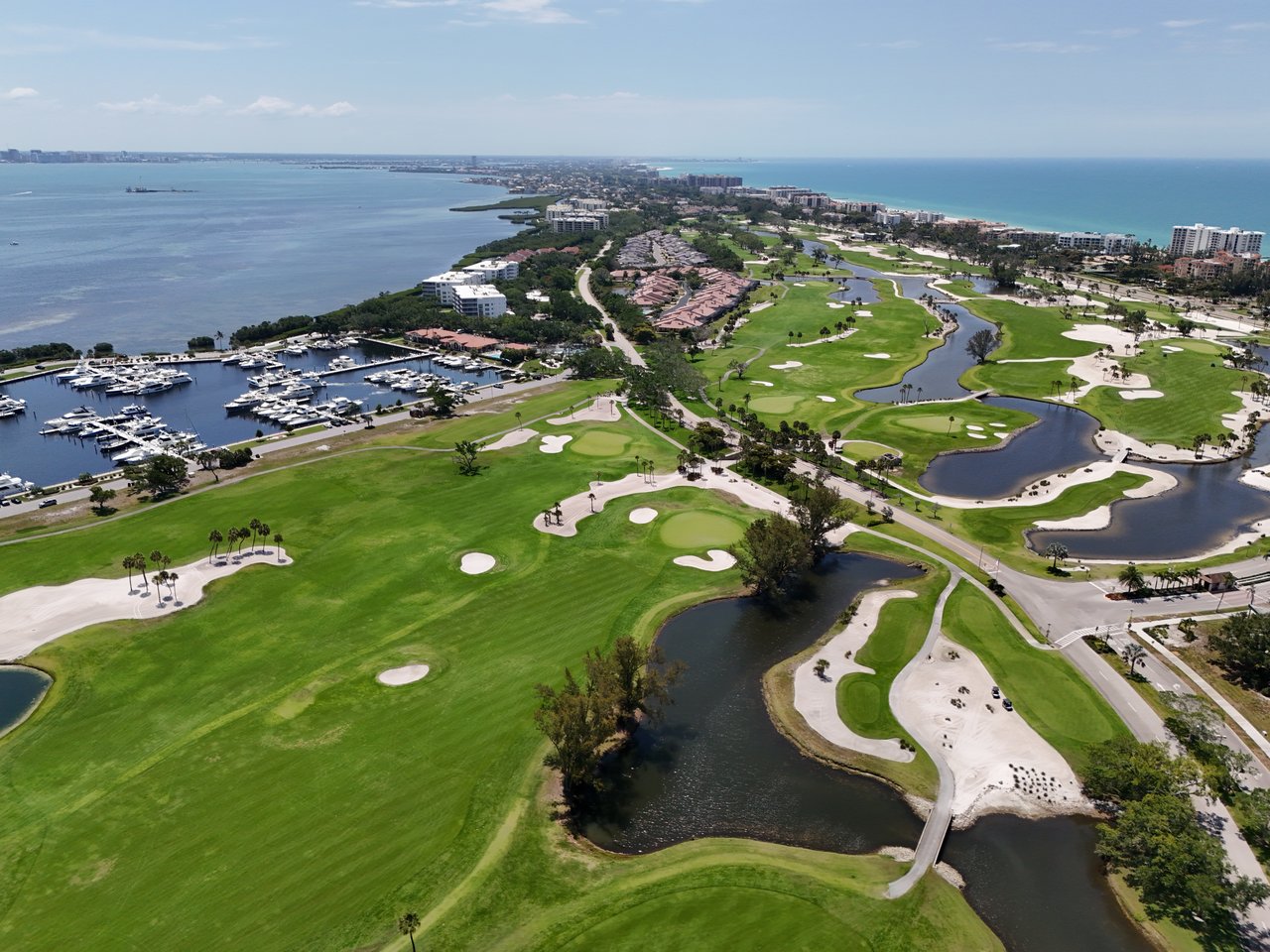
Harbour Links is an intimate community of 20 units in three buildings inside the gated Bay Isles on Longboat Key, founded in 1989 at 2015 Harbour Links Drive — recentl… Read more
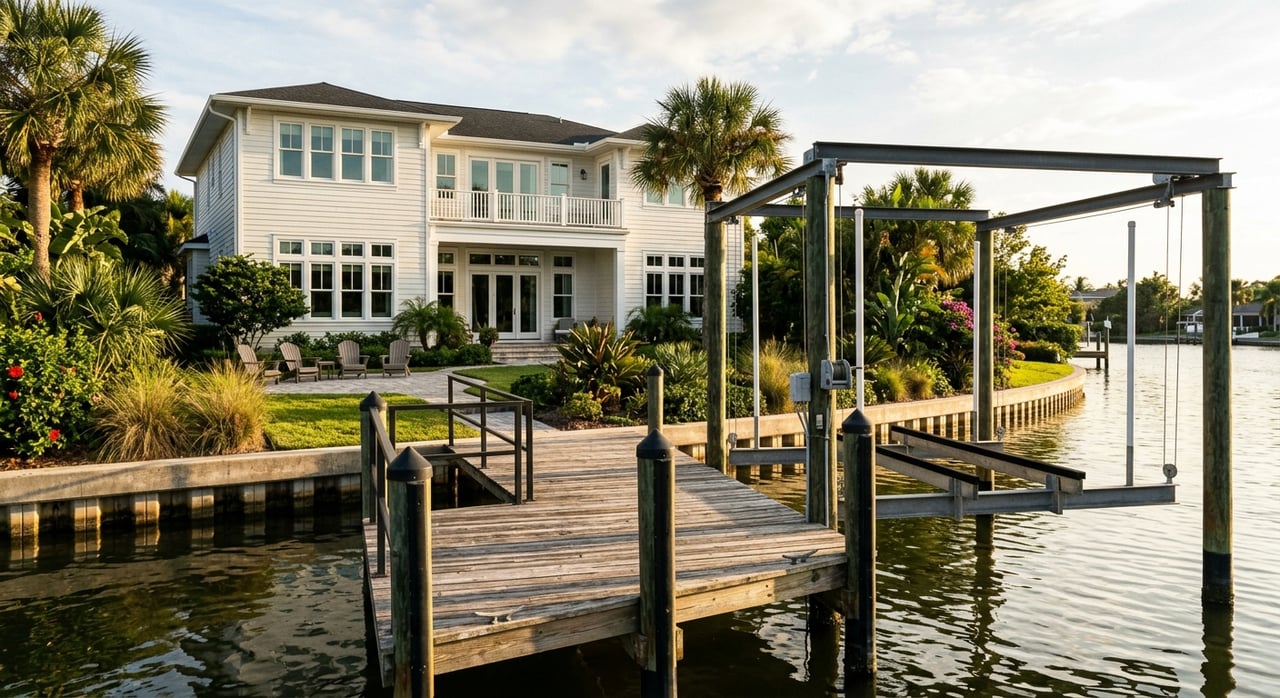
Fairway Bay Condominium
Fairway Bay I & II offers 208 condominiums and townhouses inside Bay Isles on Longboat Key with golf course and water views.
Harbor Court in Bay Isles
Harbour Court is a waterfront association of only 18 homes inside the gated Bay Isles on Longboat Key, with expansive 180-degree Sarasota Bay views — each home has a p… Read more
Longboat Key
Longboat Key is an island condo market with small sample sizes and seasonal swings, so the buyers who do best read it by building and submarket — not by island-wide av… Read more
Grand Bay Condominium
Grand Bay is the largest condominium community inside the gated Bay Isles on Longboat Key — 272 residences across six buildings at 3060 Grand Bay Boulevard, ranging fr… Read more
Harbor Oaks
Harbour Oaks is one of the earliest neighborhoods within the gated Bay Isles on Longboat Key — single-story, two-story, and stacked villas with three bedrooms, 2,100+ … Read more
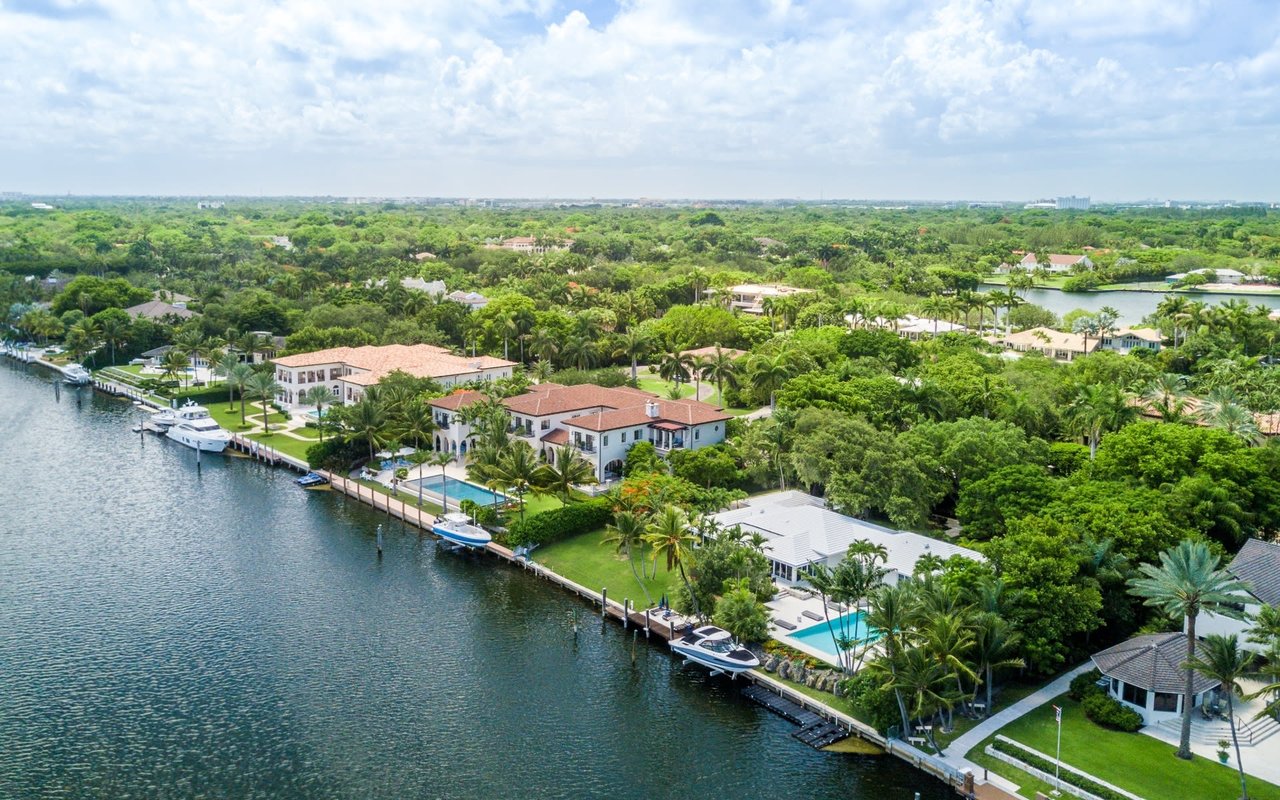
Bay Isles Harbor Section
The Bay Isles Harbor Section offers 67 double-gated waterfront estates with deep-water docks and bridge-free Gulf access.
Luxury Homes
Danielle Gladding has sold Sarasota luxury real estate since 1981; with daughter Alison Kanter she covers every premier waterfront address in the market.
Buyer Education
A good Longboat Key scouting trip tests the island at four different hours and in more than one season, because the barrier island that charms you at sunset can drive … Read more
Selling
Selling a luxury home in Bay Isles on Longboat Key means pricing by micro-market across its 16 residential neighborhoods, leading with dockage, and preparing coastal d… Read more
Golden Gate Point
Harbor House South 400 Golden Gate Point — 13 units, bay views, boat docks. Danielle lived here. Alison Kanter & Danielle Gladding guide buyers & sellers.
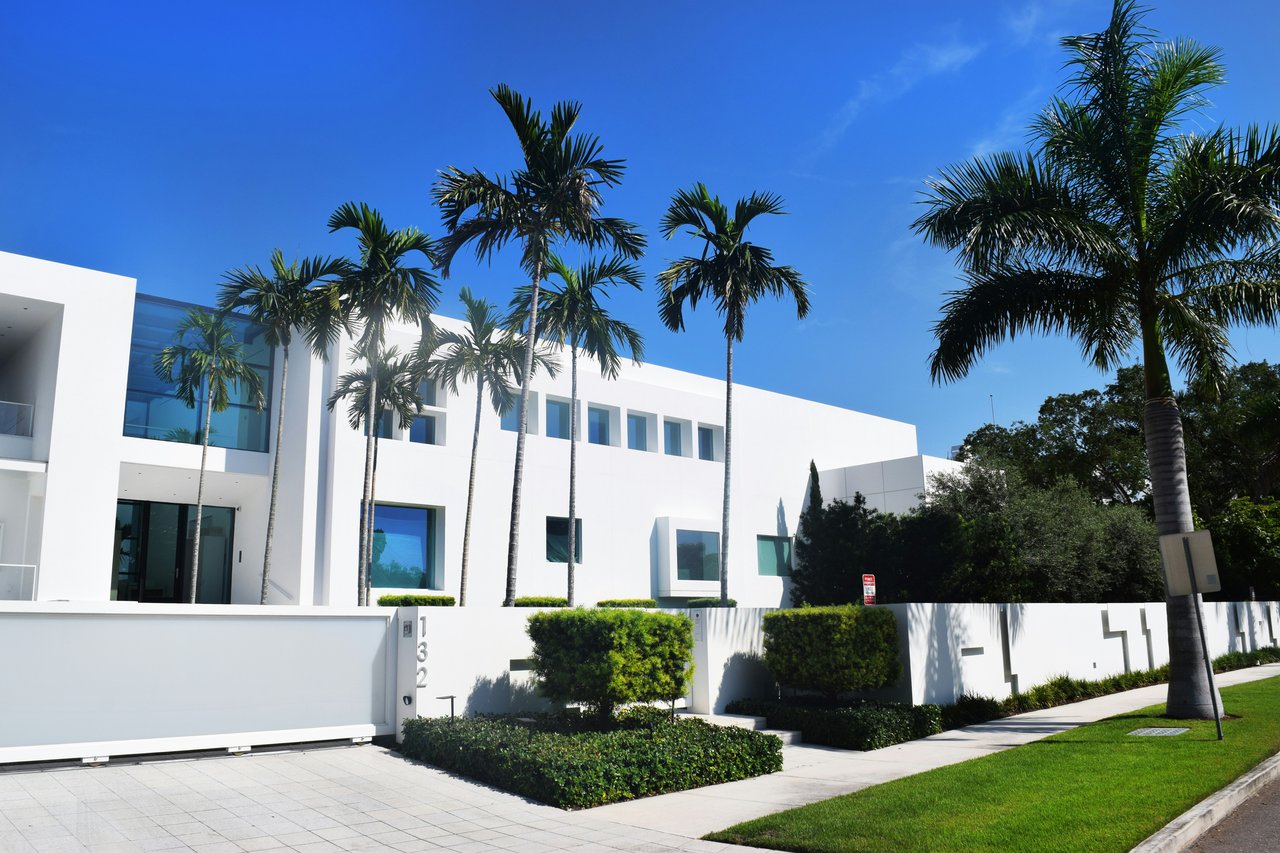
Lido Shores
They share a bridge, a zip code, and a way of life — but the buyer who belongs on Lido is not the buyer who belongs on St. Armands. Here’s how to tell the difference.
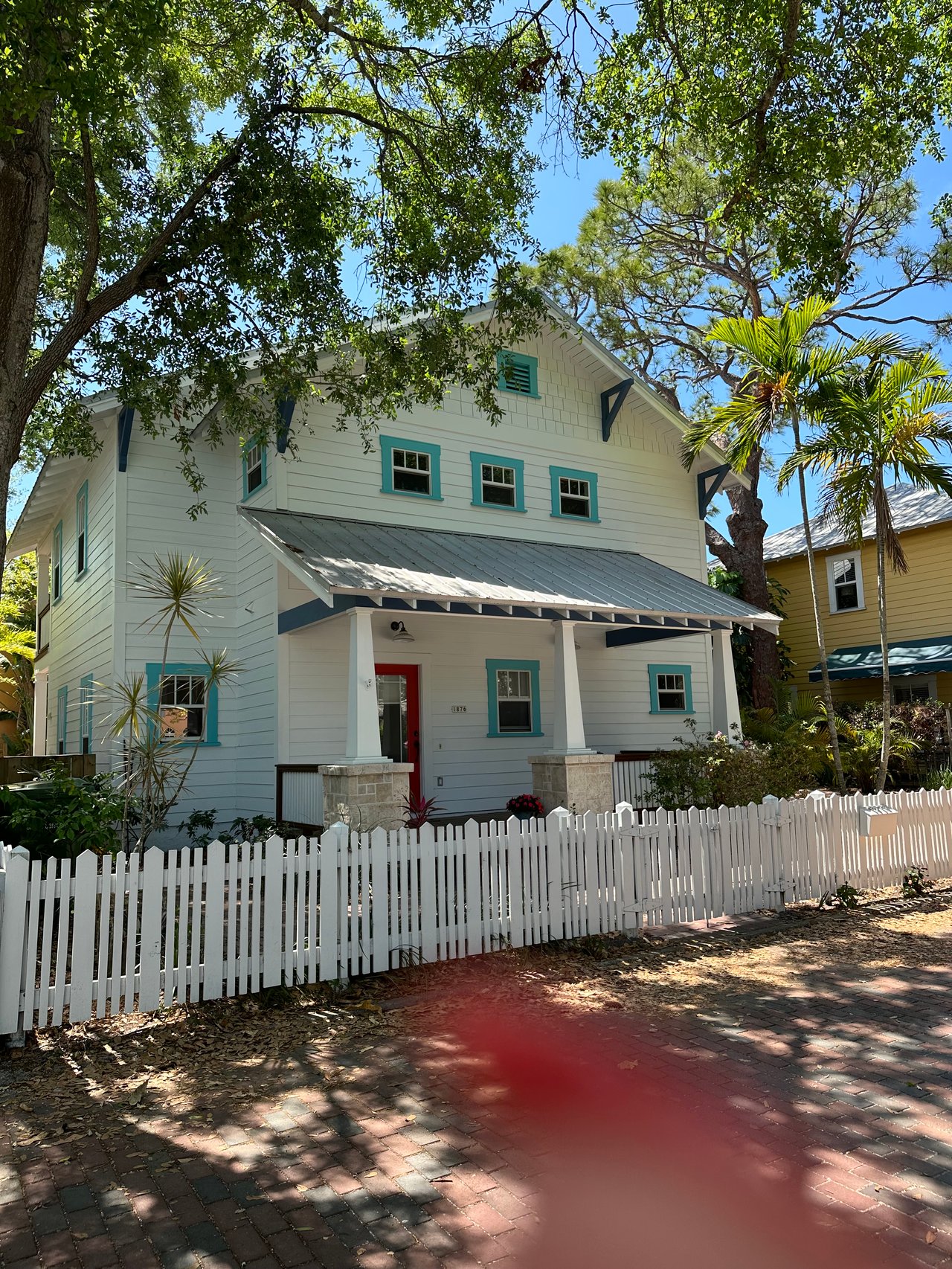
Buyer Education
Laurel Park and Towles Court are downtown Sarasota’s only true historic single-family districts — 1920s cottages a walk from Main Street, with real charm and real trad… Read more

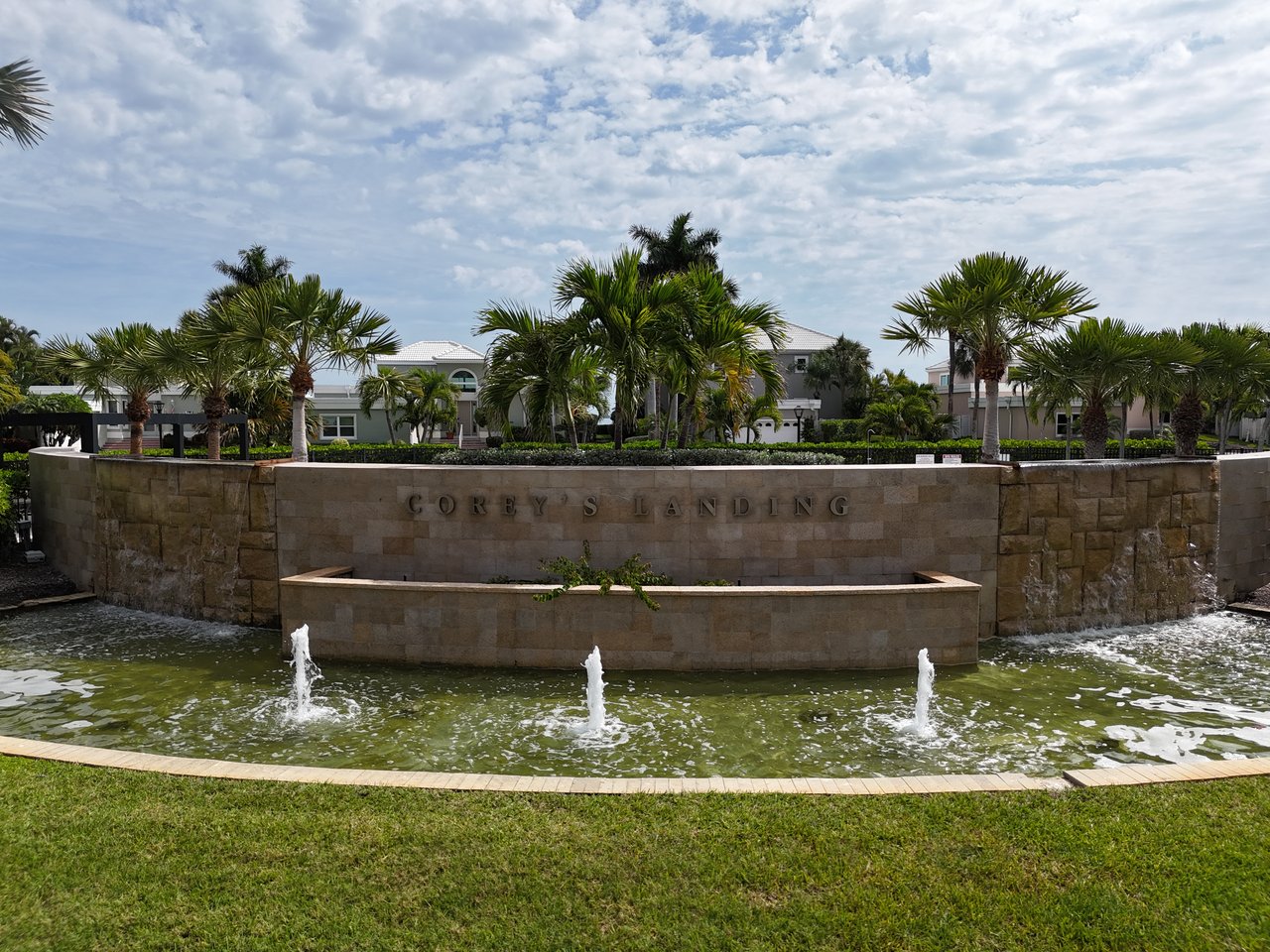
Bay Isles
Corey's Landing is a gated enclave of sixty-one homes and patio villas inside Bay Isles on Longboat Key, with open-bay and golf-course residences, pool, tennis, and de… Read more
Florida Living
Country Club Shores or Bay Isles on Longboat Key? An honest comparison of deepwater single-family living vs gated community life, by Danielle & Alison.
Golden Gate Point
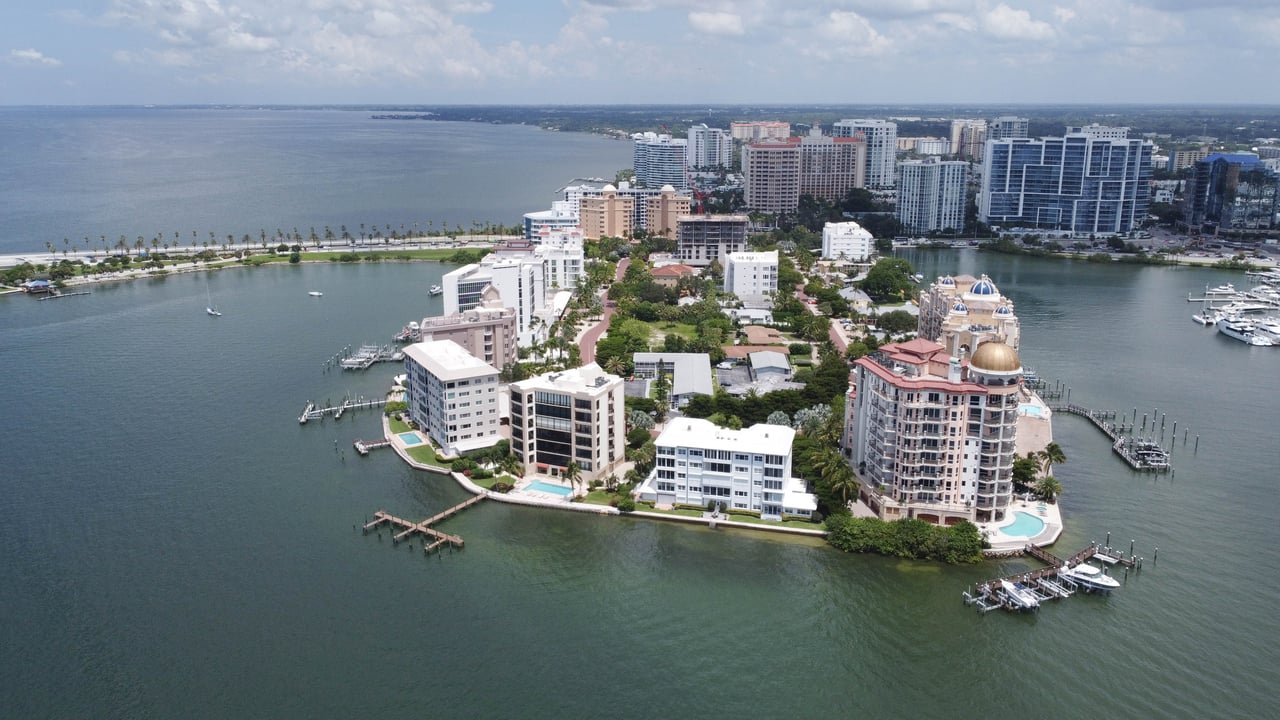
Harbor House at 174 Golden Gate Point — 13 owner-occupied residences, Sarasota Bay & Ringling Bridge views, boat dock, fishing pier. Alison Kanter & Danielle Gladding … Read more
Waterfront Condo
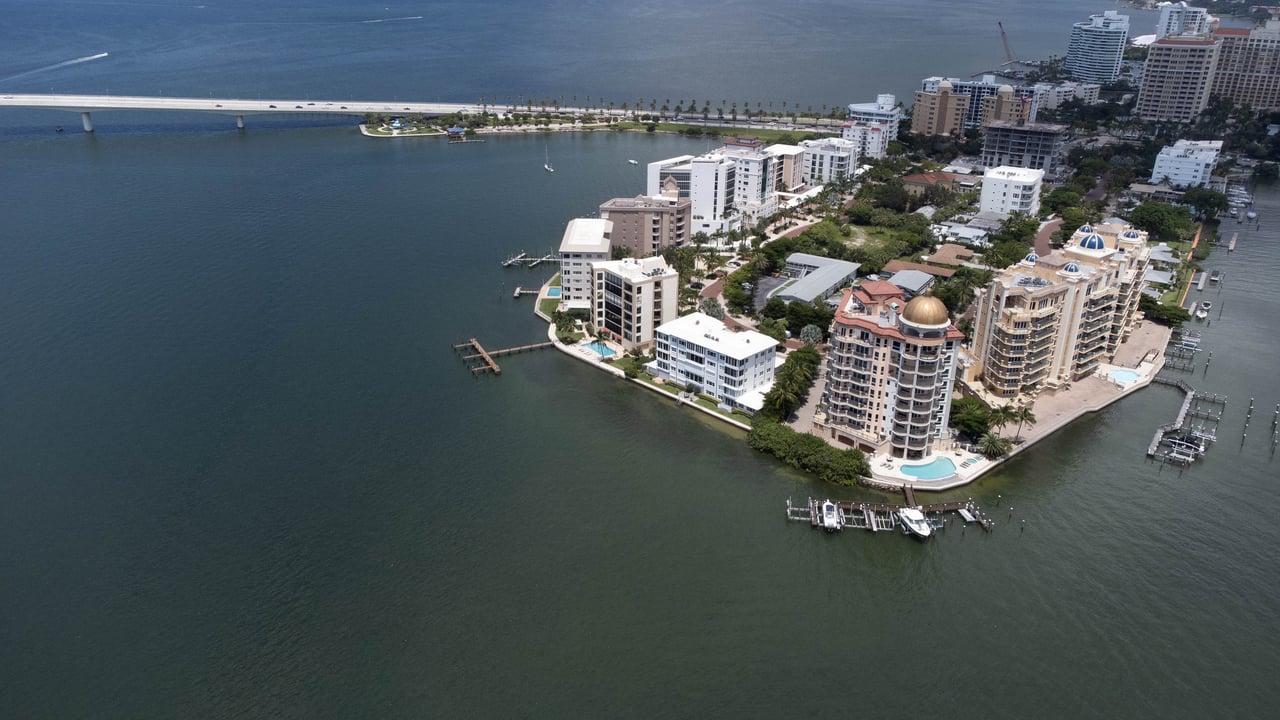
Older condos on Golden Gate Point can be the best value on the peninsula — the same walkable bayfront address for less per square foot — if the reserves and inspection… Read more
Lakewood Ranch
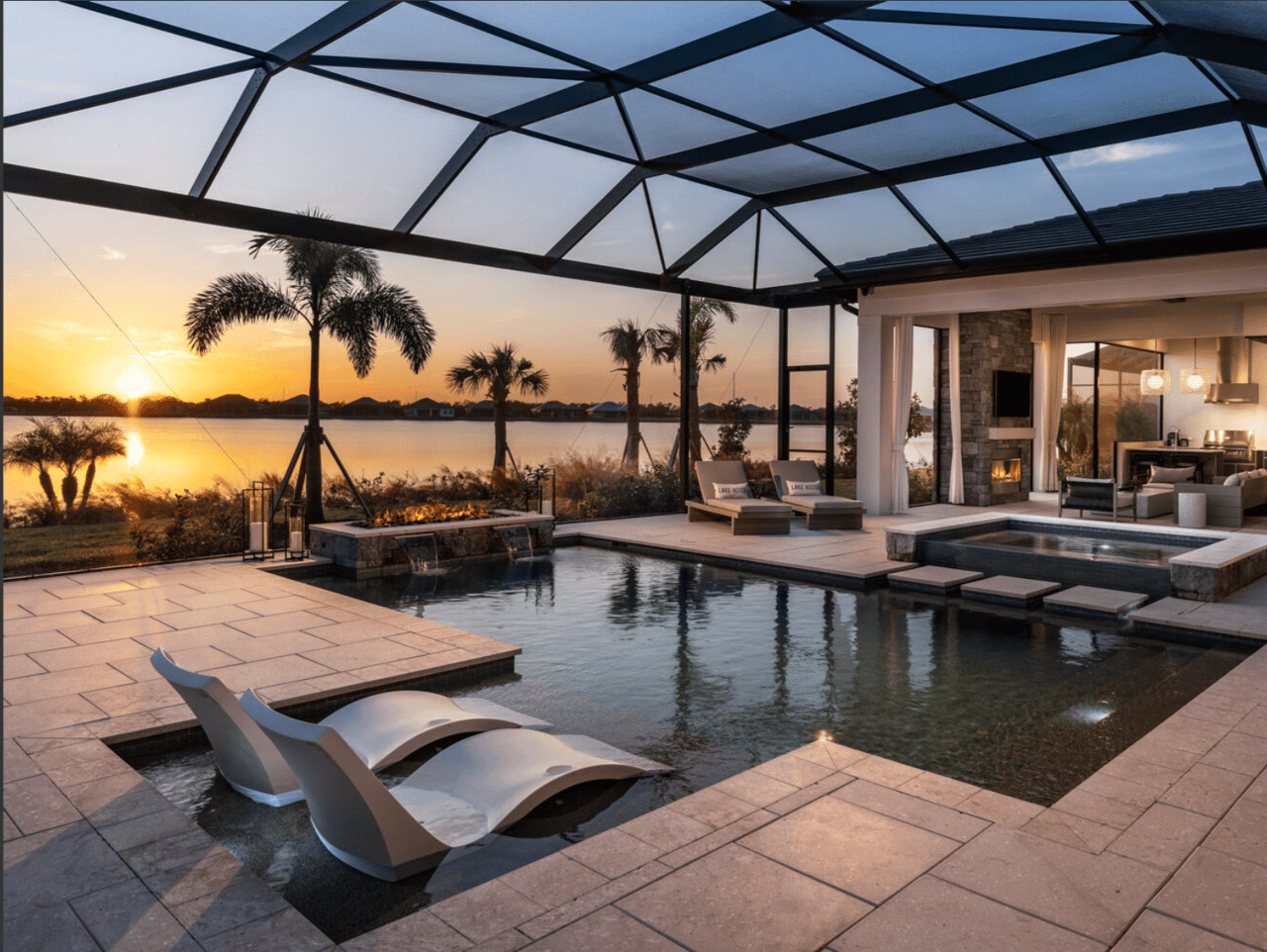
Lakewood Ranch is built for family life and top schools; the islands are built for the water and an adult lifestyle. The right Sarasota choice depends less on budget t… Read more
Lido Shores
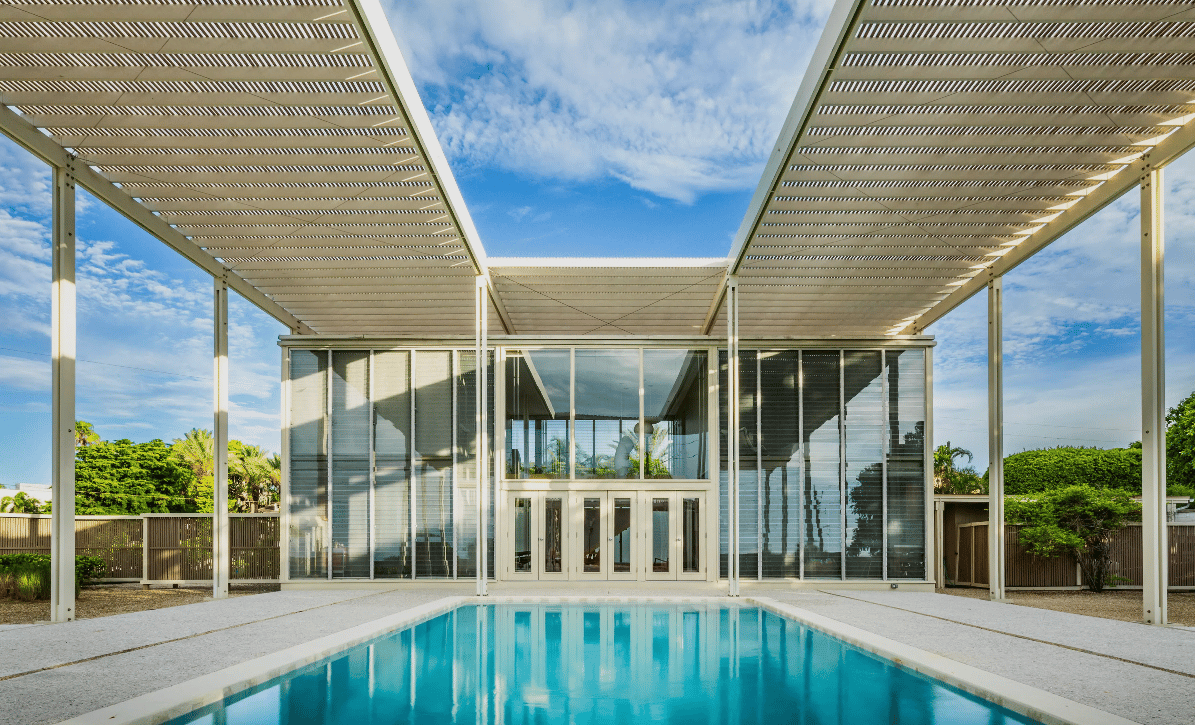
Lido Shores is the densest concentration of Sarasota School of Architecture residences in the country — Paul Rudolph, Ralph Twitchell, the Umbrella House. Here is the … Read more
Why Queens Harbour on Longboat Key Offers a Lifestyle Few Communities Can Match
Where Privacy, Nature, and Estate Living Meet on Longboat Key
A Local Perspective on Finding the Right Realtor for Longboat Key


Get assistance in determining current property value, crafting a competitive offer, writing and negotiating a contract, and much more. Contact Us today.