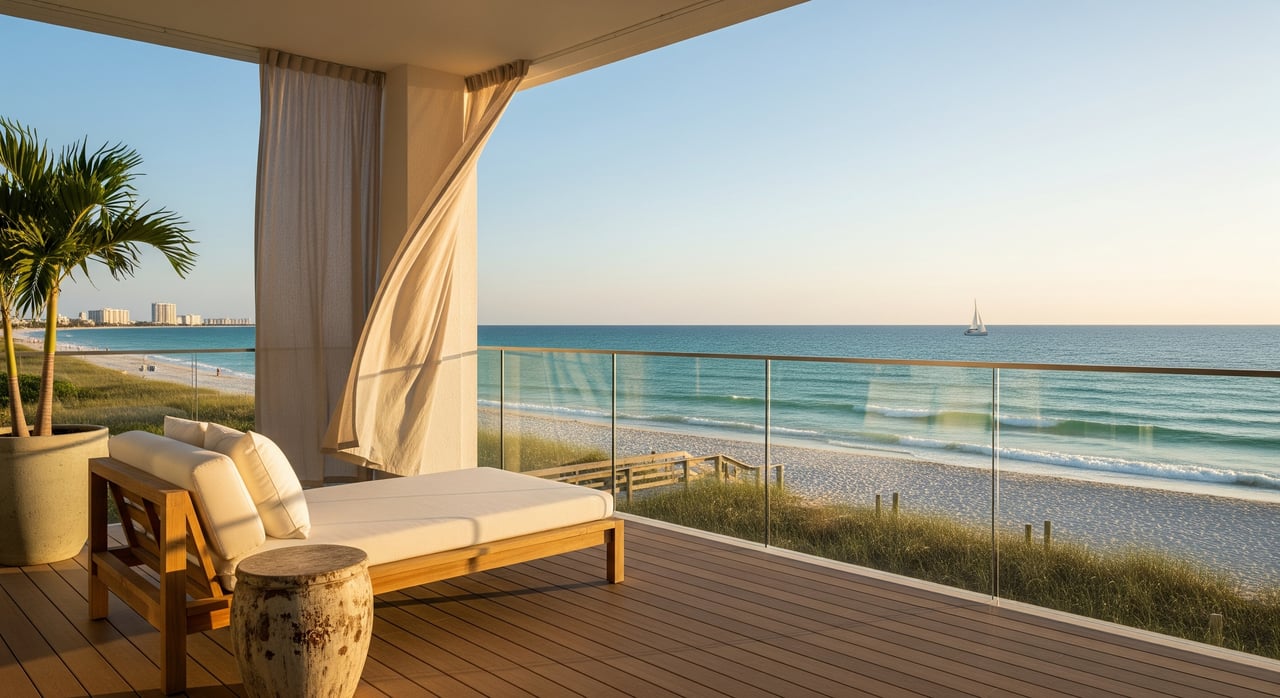
In-Depth Guide to the Longboat Key Condo Market
Danielle Gladding December 18, 2025
Danielle Gladding December 18, 2025
Shopping for a Longboat Key condo can feel like learning a new language. Listings mention things like months of supply, special assessments, and flood zones, and it is not always clear what matters most. If you are considering a second home or planning a downsizing move, you want clean, practical guidance so you can move with confidence. This guide breaks down the core market signals, seasonal timing, waterfront tradeoffs, and the condo details that make the biggest difference on Longboat Key. Let’s dive in.
Understanding a few core metrics will help you compare condos, interpret market updates, and spot value.
Longboat Key is an island market with smaller sample sizes and seasonal swings. A few high-priced waterfront closings can shift median prices, especially in a single month. That is why multi-period views, such as the last 90 days and the last 12 months, are more helpful than a snapshot. It also helps to compare similar buildings and locations rather than island-wide averages.
For clear comparisons, look at:
Also separate waterfront from non-waterfront, and high-rise buildings from garden or low-rise communities. Finally, confirm whether the property sits in Manatee County or Sarasota County. Taxes, appraiser records, and some permitting items differ by county.
Buyer activity on Longboat Key is highly seasonal. Understanding the rhythm helps you plan showings, negotiate, and time your closing.
You will see peak activity from late fall through early spring, when seasonal residents and out-of-state buyers arrive. Showings pick up, and well-positioned listings can move faster. You may face more competition, yet you will also see more new listings that target this demand.
From late spring through fall, activity slows and days on market often stretch. Some sellers may be more open to negotiation. The tradeoff is fewer new listings, so you may need to be patient if your criteria are very specific.
A short DOM in mid-winter often signals strong demand for that unit or building. A quick sale in summer can be an outlier in a slower period. For the best context, compare DOM to recent closings in the same building or immediate area rather than island-wide numbers.
Waterfront is a major value driver on Longboat Key, but it also comes with unique costs and considerations.
Waterfront units often command higher prices due to views, private or deeded beach access, boating access, and scarcity. The size of the premium depends on direct water exposure, view corridors, dockage, building quality, and amenities like elevator access, covered parking, pool, and hurricane protection. If you are downsizing, you may weigh elevator access, single-floor living, and proximity to services as much as the view.
Waterfront units can show strong rent potential in high season, though they may face tighter association rules and higher insurance or maintenance costs. During major storm events or insurance market shifts, waterfront values can behave differently than interior units. Scarcity often supports recovery in stable periods, but you should model holding costs carefully.
A little front-end diligence goes a long way in a condo purchase, especially on a barrier island.
Longboat Key spans Manatee and Sarasota counties. Confirm the parcel’s county early so you can review the correct property appraiser and tax history. Some permitting and exemptions vary by county.
Ask for these items as early as possible:
Reviewing these documents can reveal reserve gaps, future capital needs, rental limits, or litigation that could affect financing and resale.
Coastal Florida insurance has been evolving. Expect to discuss homeowners coverage, wind or hurricane coverage, and flood insurance. Elevation, prior claims, and building construction can influence availability and cost. Build conservative insurance estimates into your budget and verify with a local agent before you remove contingencies.
Town regulations and HOA rules both matter, and HOA rules can be stricter than the town’s. Confirm minimum rental periods, any caps on the number of rentals per year, and required registrations or taxes. If rental income is part of your plan, model winter and shoulder-season occupancy separately.
Use a licensed inspector and consider a structural engineer, especially for older waterfront buildings. Key areas include balconies and terraces, concrete and slab integrity, waterproofing, pool and mechanical systems, roof condition, windows and doors, and the presence of hurricane protection. Ask for any recent engineering reports, scopes of work, or completion documents.
Sellers can benefit from aligning timing, disclosures, and documentation with how buyers evaluate condos on the island.
Listing ahead of peak season can capture early demand, while listing in season can tap the widest buyer pool. Either path can work with a focused pricing strategy and clear presentation. Monitor new listings, pendings, and DOM in your building and nearby buildings to fine-tune your strategy.
Share known material facts, including building projects, special assessments, and association issues. Buyers and lenders scrutinize reserves, insurance, and rental rules. Clear documentation can speed underwriting and protect your contract.
Have HOA contact details, current statements, and recent insurance or utility invoices ready. If your association recently completed work, keep the report and proof of completion on hand. A clean package can help reduce timeline risk during the busy season.
For current local data and project specifics, monitor these sources:
When you review any listing, confirm if the unit is waterfront, the building’s age and recent capital projects, the current monthly assessment and coverage, any special assessments, rental rules, flood zone and elevation, and recent comparable sales in the same building.
Ready to move from research to results? Our team pairs deep neighborhood expertise with modern, data-informed strategy across Longboat Key’s waterfront and luxury condo communities. If you want a trusted, boutique experience with the reach of an institutional brand, connect with Delivering Luxury Sarasota. Schedule a Free Consultation.
Stay up to date on the latest real estate trends.
Florida Living
Country Club Shores or Bay Isles on Longboat Key? An honest comparison of deepwater single-family living vs gated community life, by Danielle & Alison.
Golden Gate Point
Harbor House West Sarasota: 226 Golden Gate Point Guide
Golden Gate Point
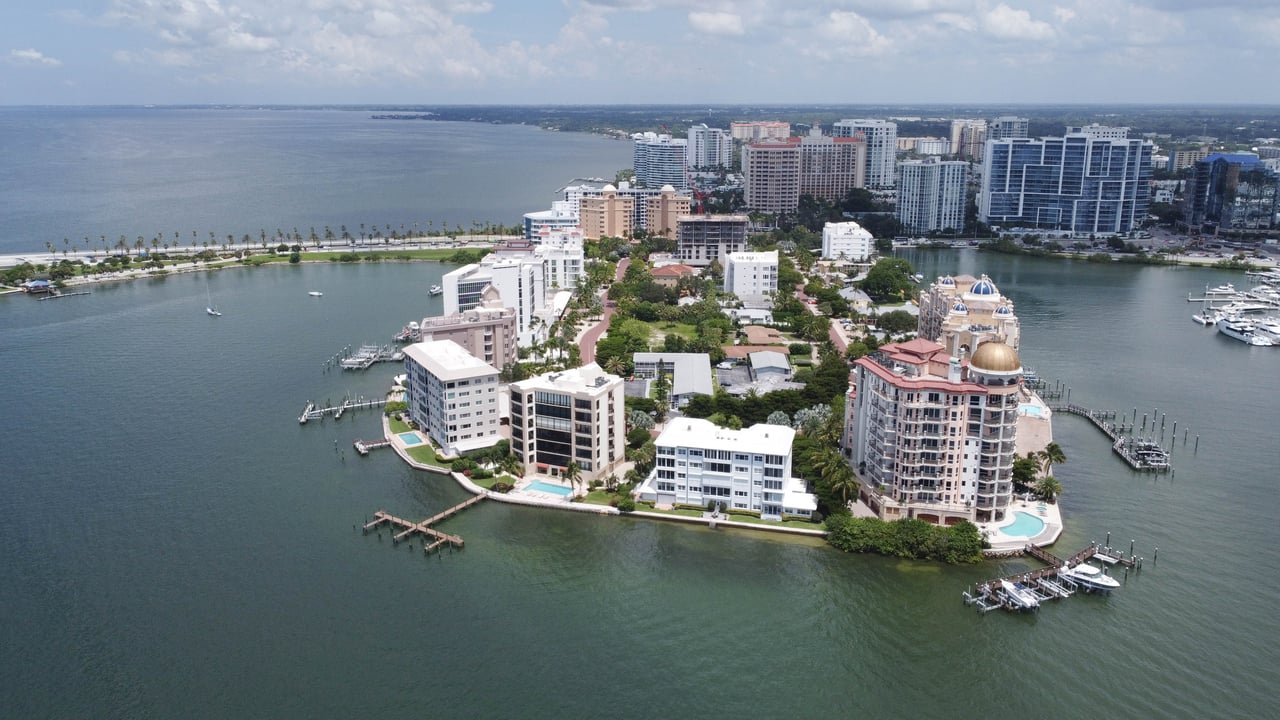
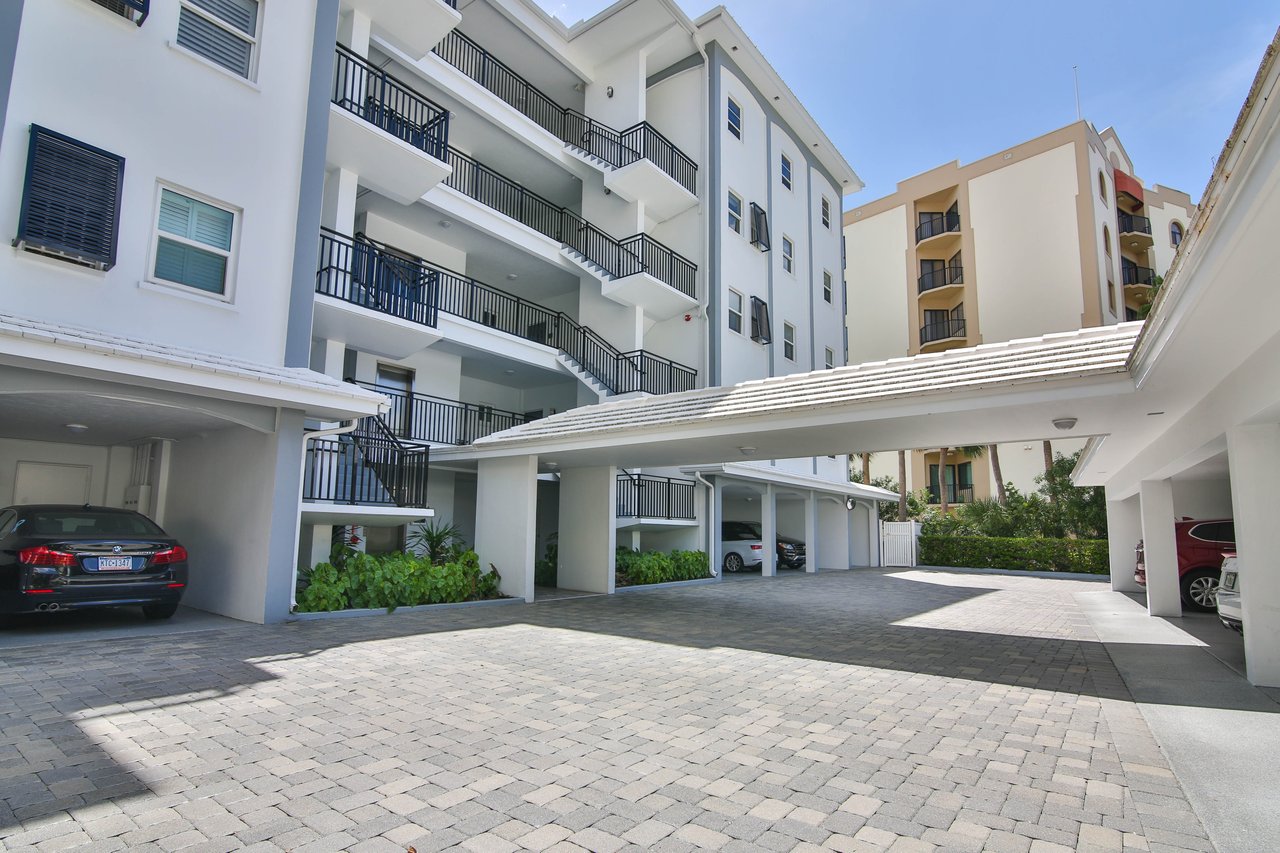
Harbor House at 174 Golden Gate Point — 13 owner-occupied residences, Sarasota Bay & Ringling Bridge views, boat dock, fishing pier. Alison Kanter & Danielle Gladding … Read more
Golden Gate Point
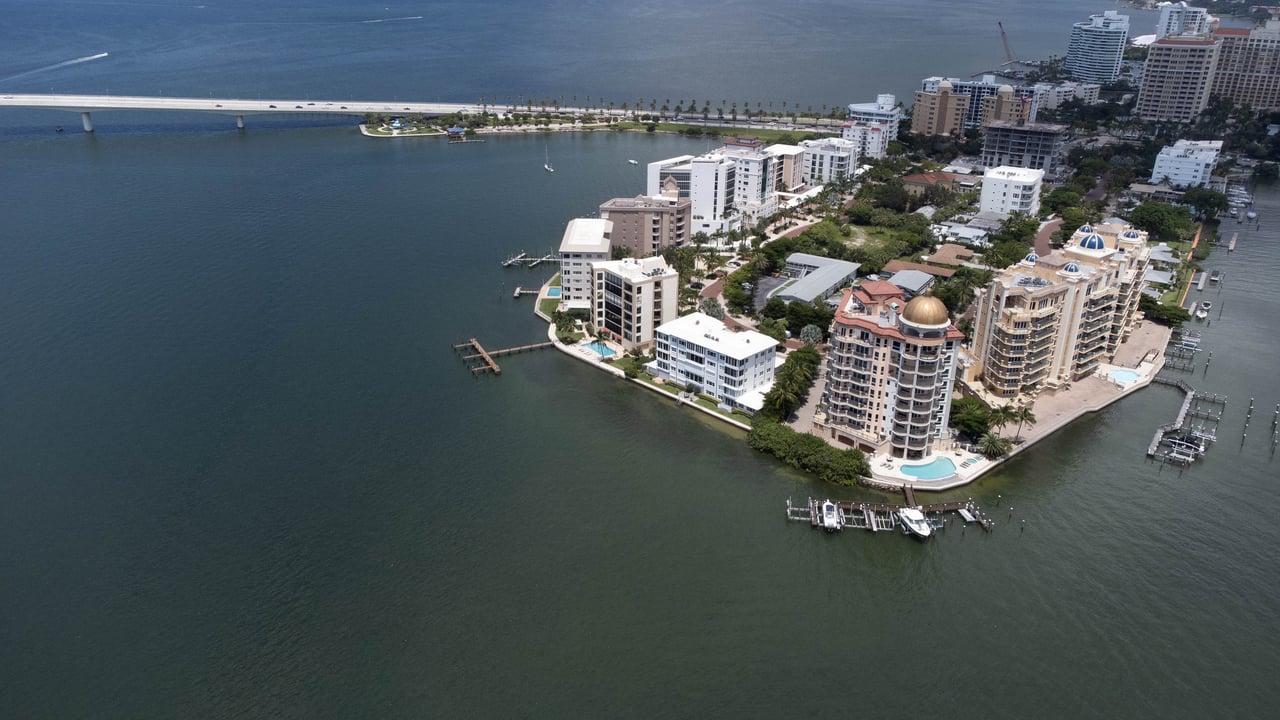
Harbor House South 400 Golden Gate Point — 13 units, bay views, boat docks. Danielle lived here. Alison Kanter & Danielle Gladding guide buyers & sellers.
Waterfront Condo
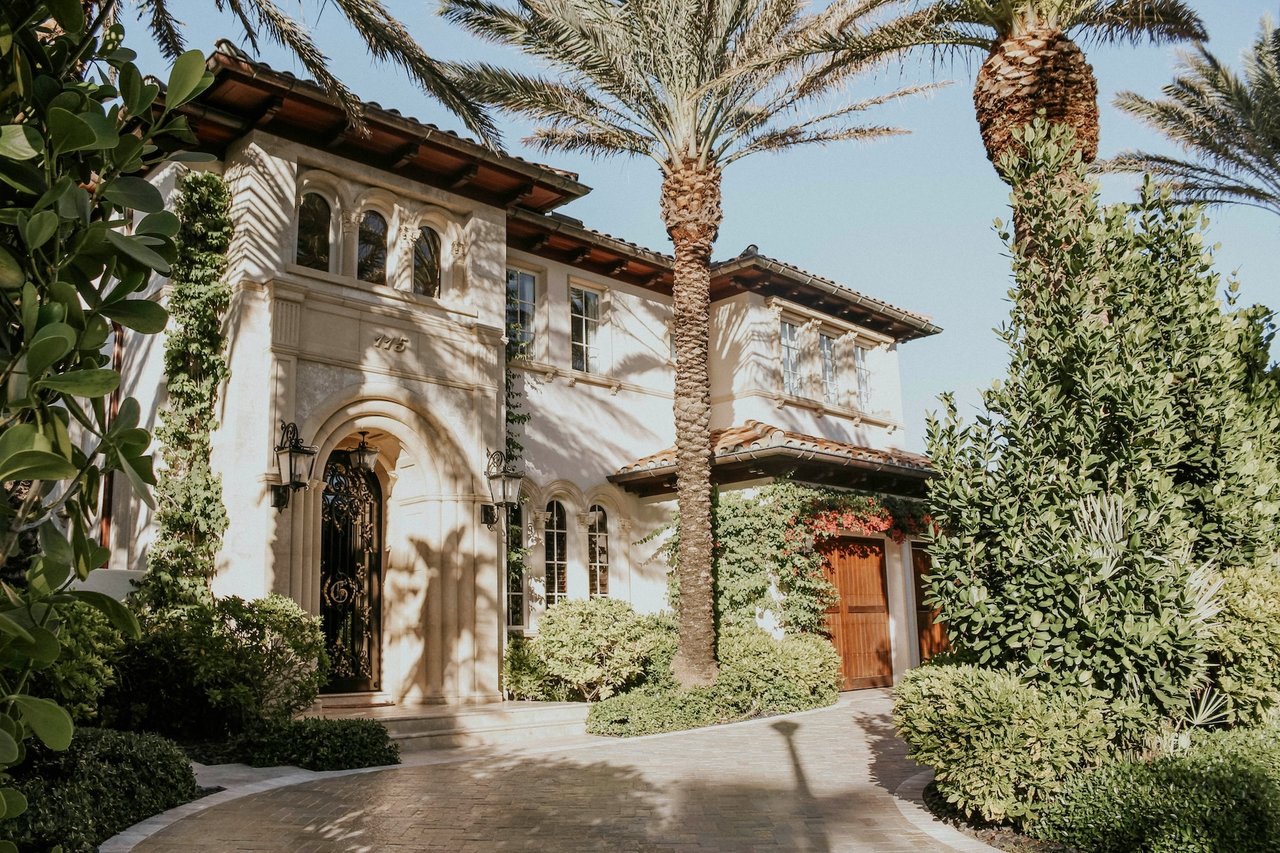
Older condos on Golden Gate Point can be the best value on the peninsula — the same walkable bayfront address for less per square foot — if the reserves and inspection… Read more
Lido Shores
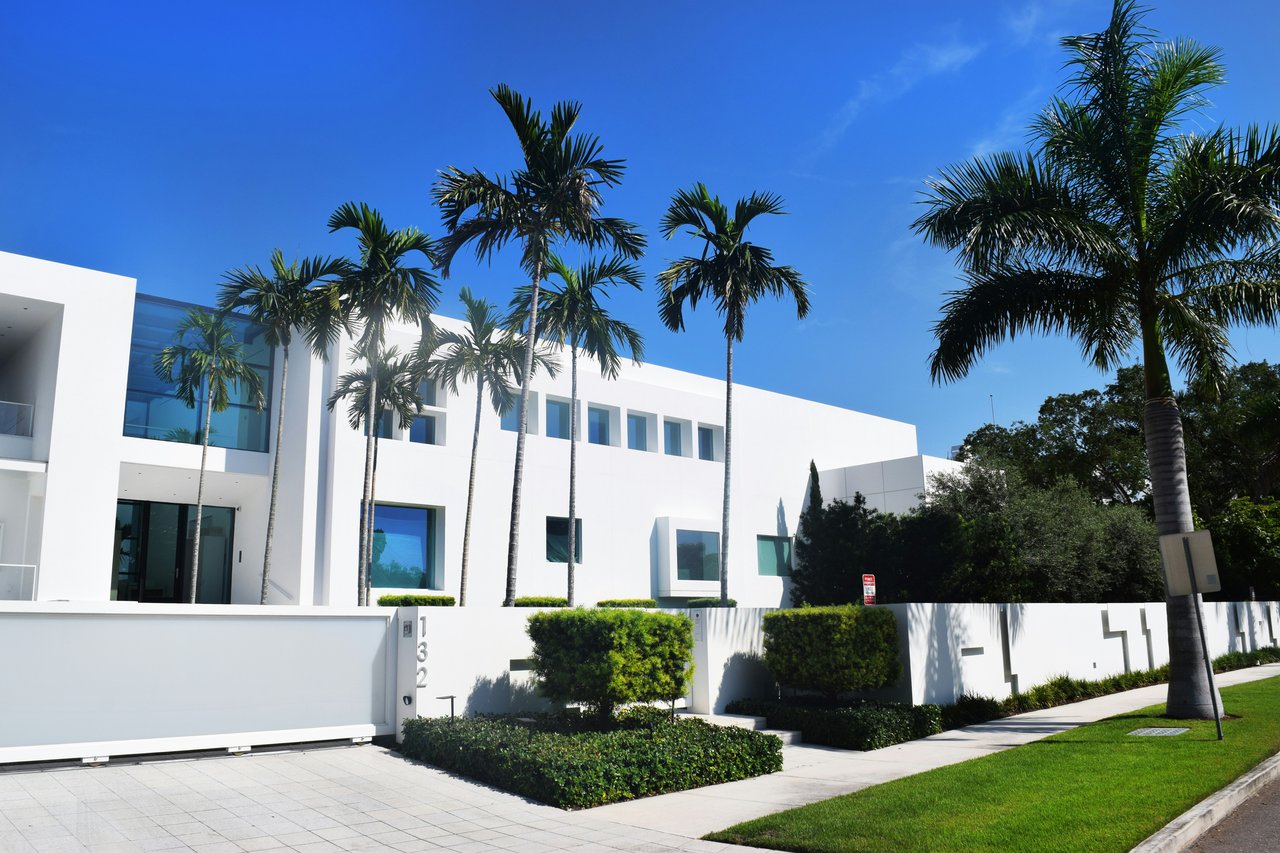
They share a bridge, a zip code, and a way of life — but the buyer who belongs on Lido is not the buyer who belongs on St. Armands. Here’s how to tell the difference.
Buyer Education
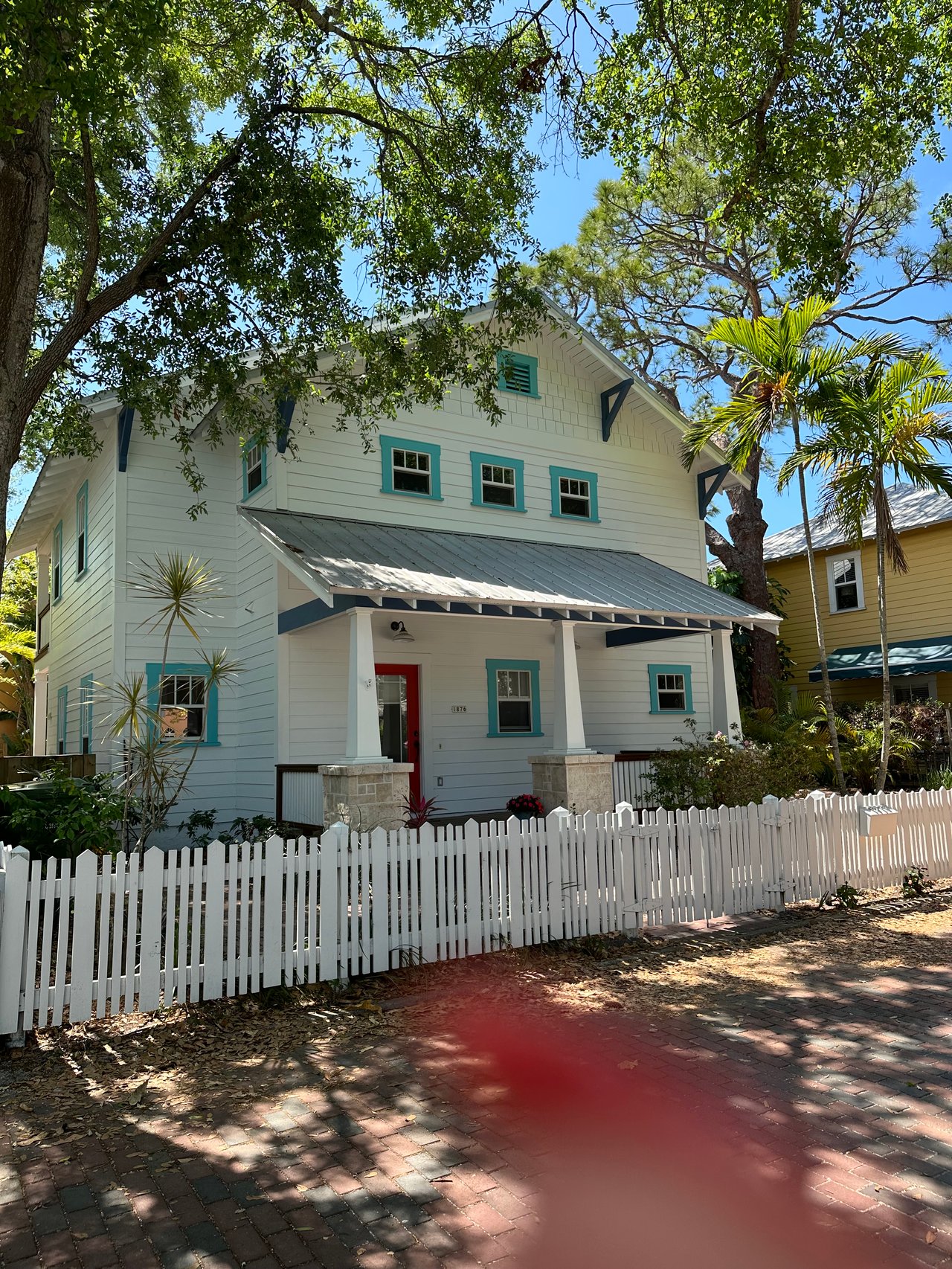
Laurel Park and Towles Court are downtown Sarasota’s only true historic single-family districts — 1920s cottages a walk from Main Street, with real charm and real trad… Read more
Lakewood Ranch
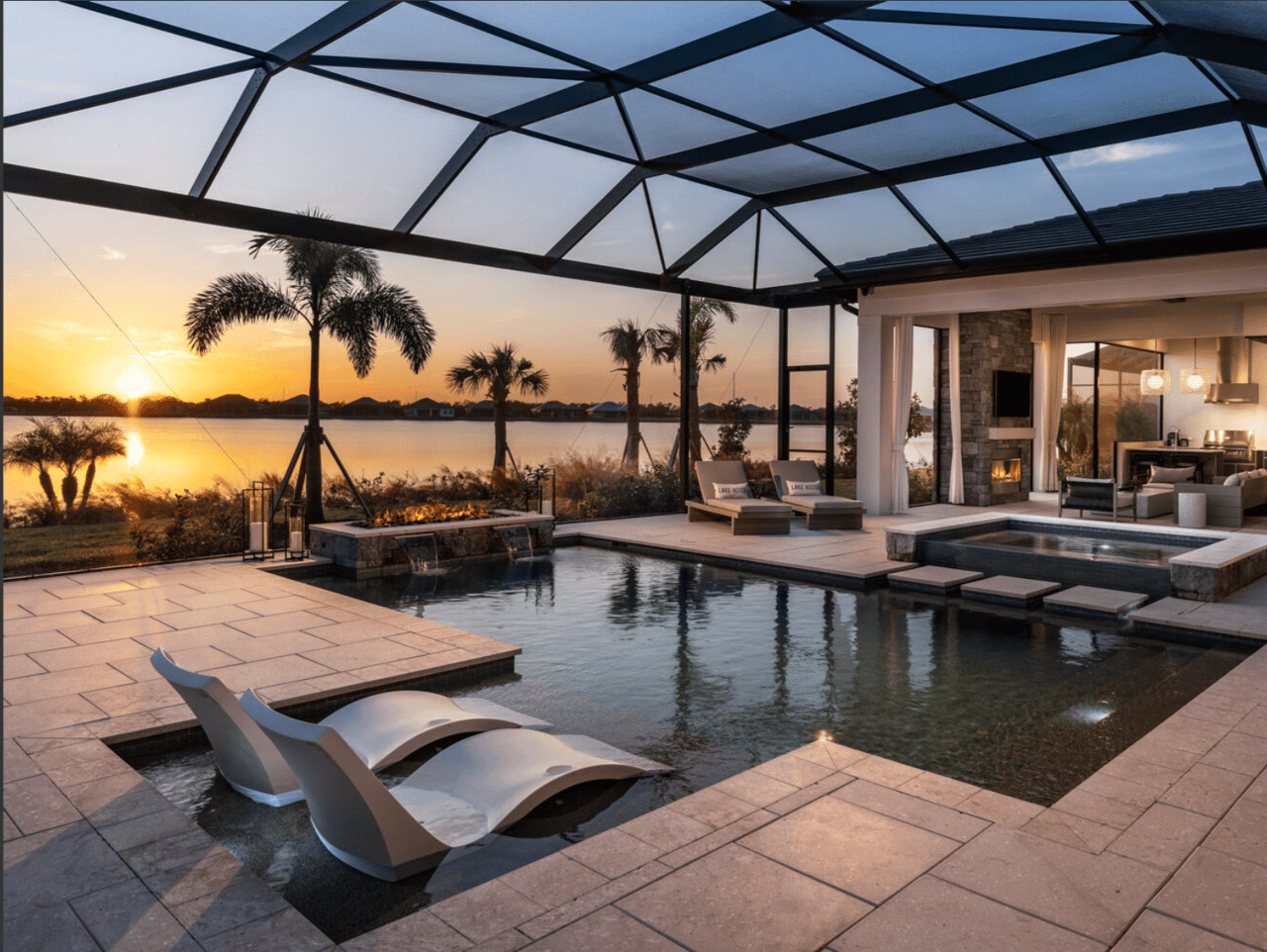
Lakewood Ranch is built for family life and top schools; the islands are built for the water and an adult lifestyle. The right Sarasota choice depends less on budget t… Read more

Lido Shores
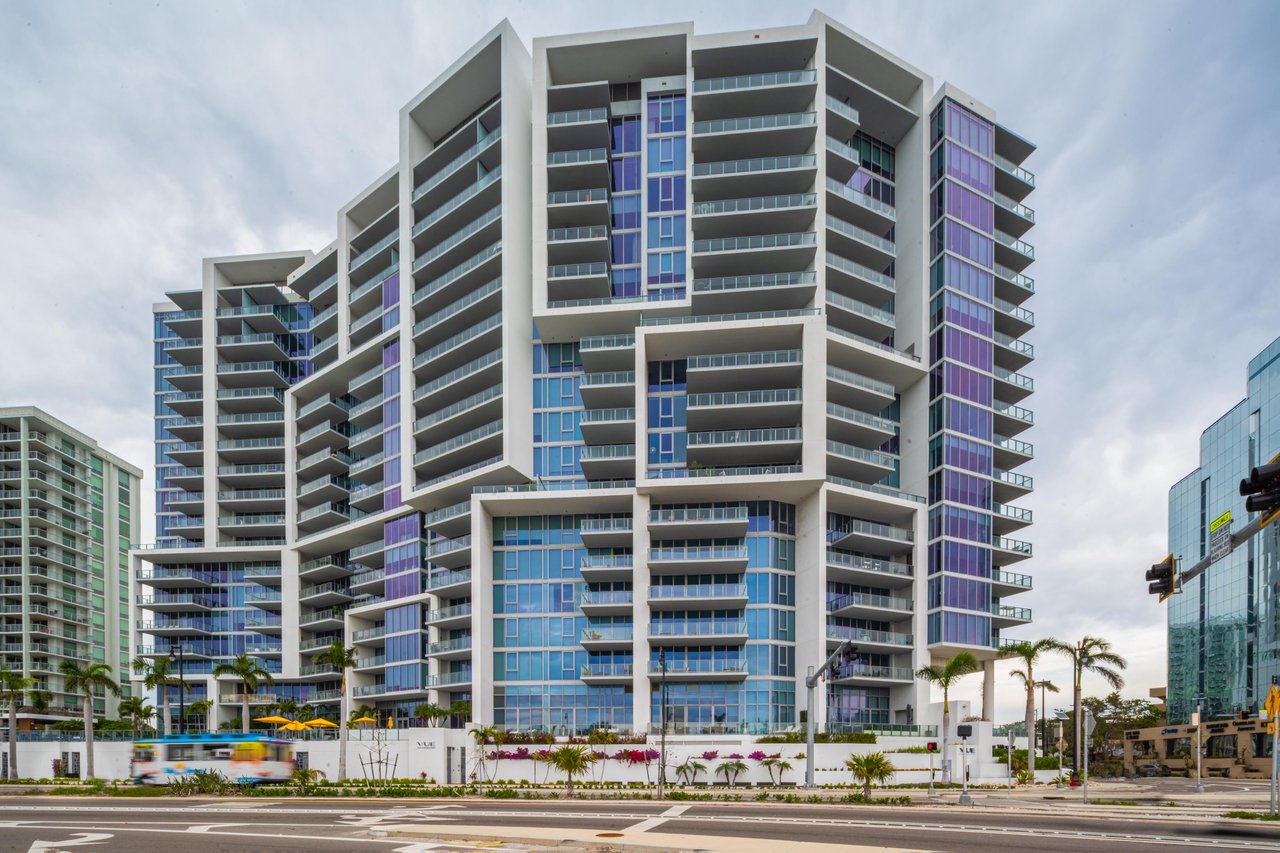
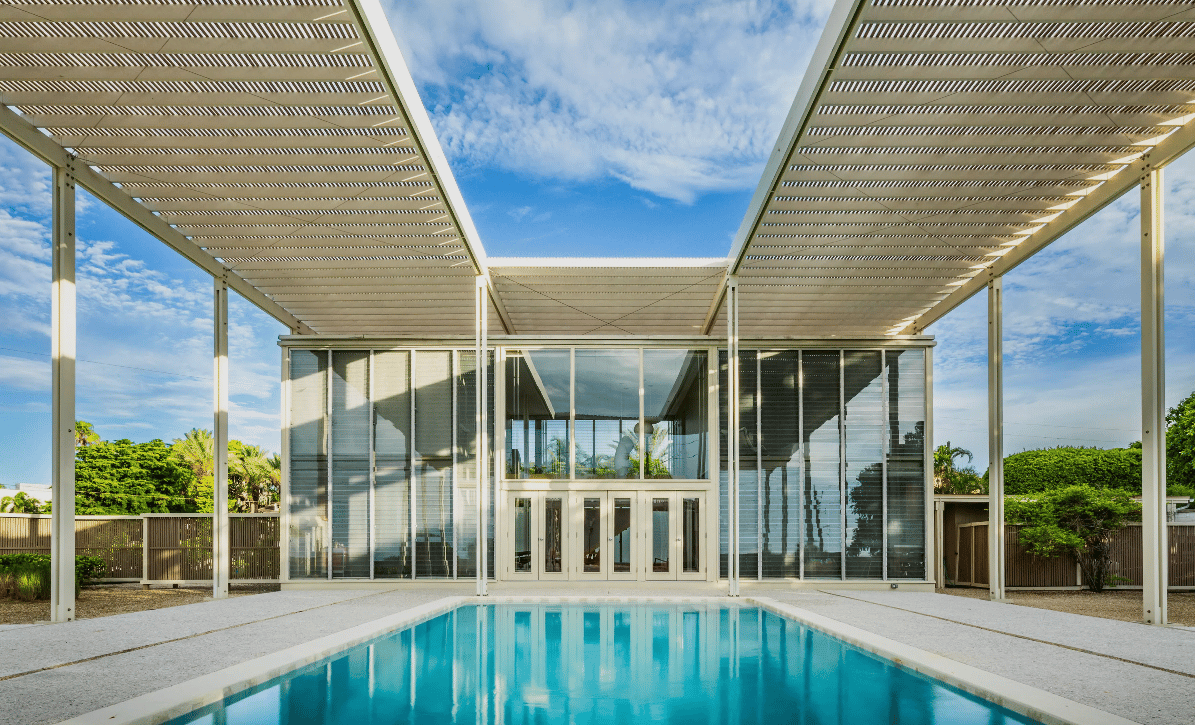
Lido Shores is the densest concentration of Sarasota School of Architecture residences in the country — Paul Rudolph, Ralph Twitchell, the Umbrella House. Here is the … Read more
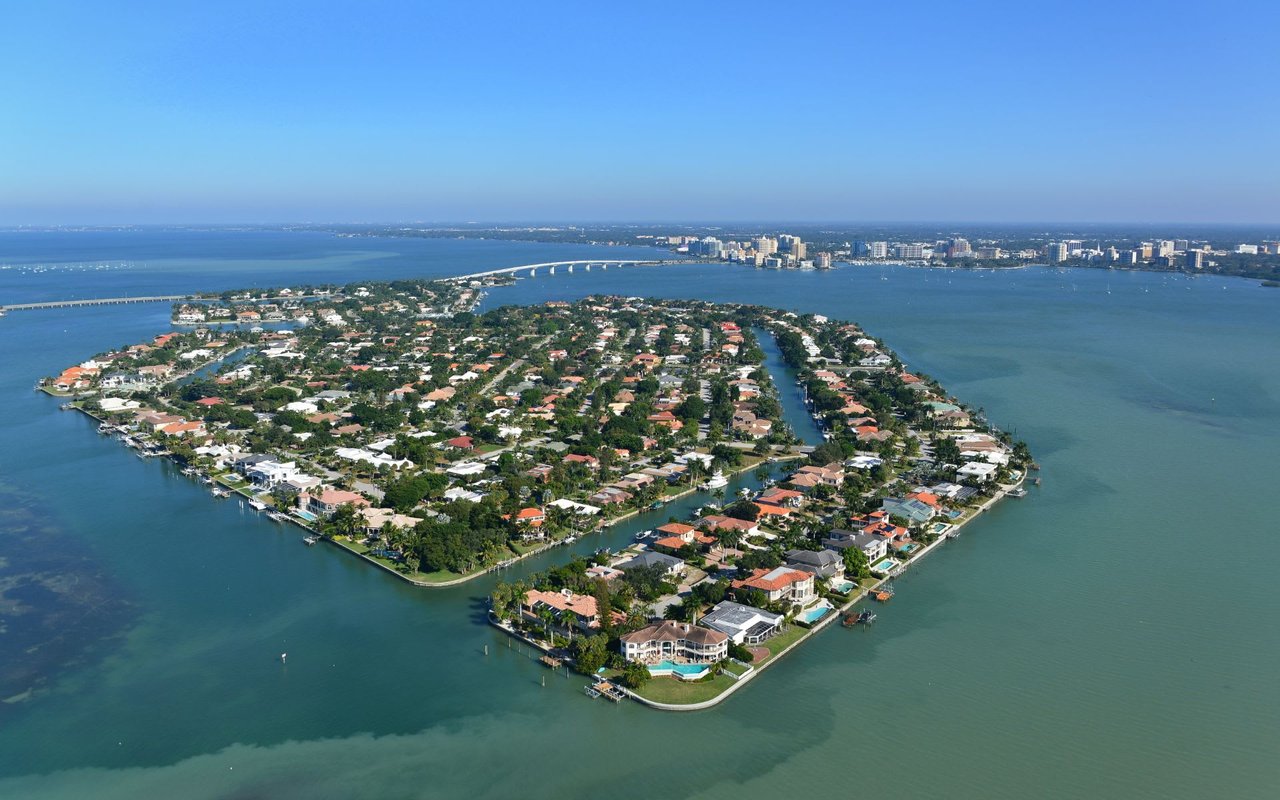
Why Queens Harbour on Longboat Key Offers a Lifestyle Few Communities Can Match
The Private Enclave Few Know About
Where Privacy, Nature, and Estate Living Meet on Longboat Key
A Local Perspective on Finding the Right Realtor for Longboat Key



Get assistance in determining current property value, crafting a competitive offer, writing and negotiating a contract, and much more. Contact Us today.