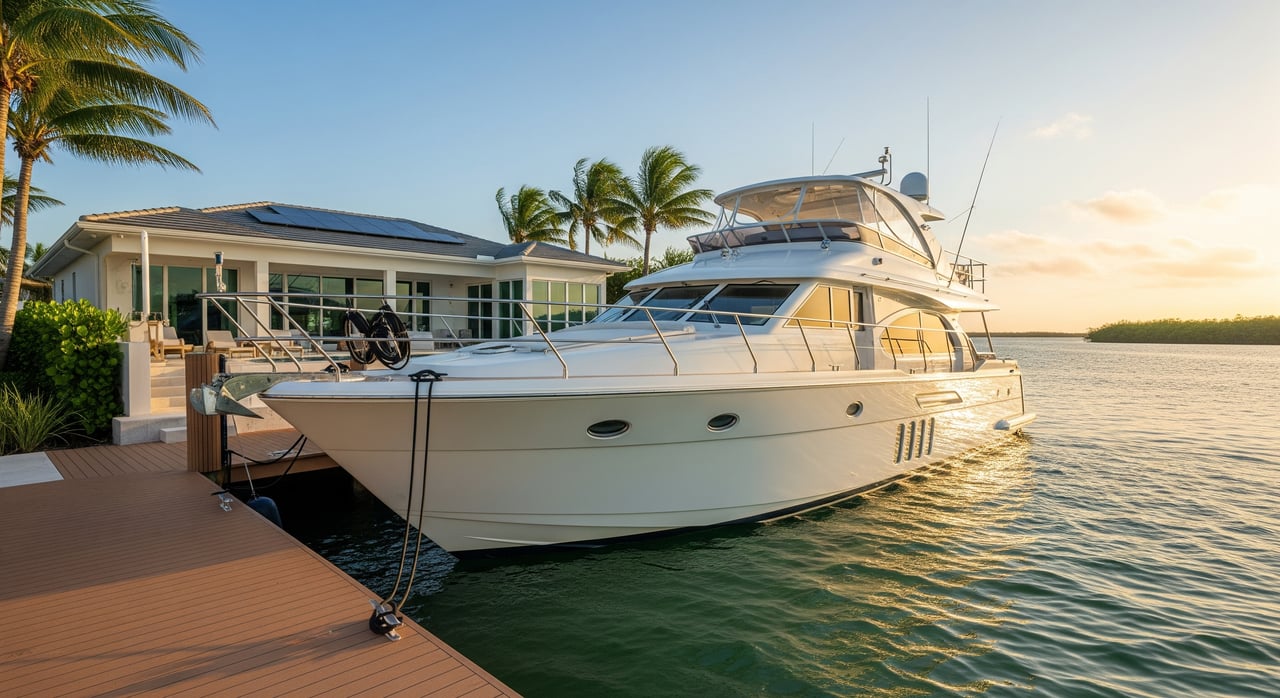
Longboat Key Boating Lifestyle Guide for Home Buyers
December 18, 2025
December 18, 2025
Picture this: you step out from your patio, cast off lines, and you are in the water within minutes. If you are eyeing Longboat Key for a second home or seasonal retreat, boating access may be the factor that makes a property the right fit. This guide gives you a clear plan for choosing the right slip, understanding local rules, and living the boating lifestyle with confidence. Let’s dive in.
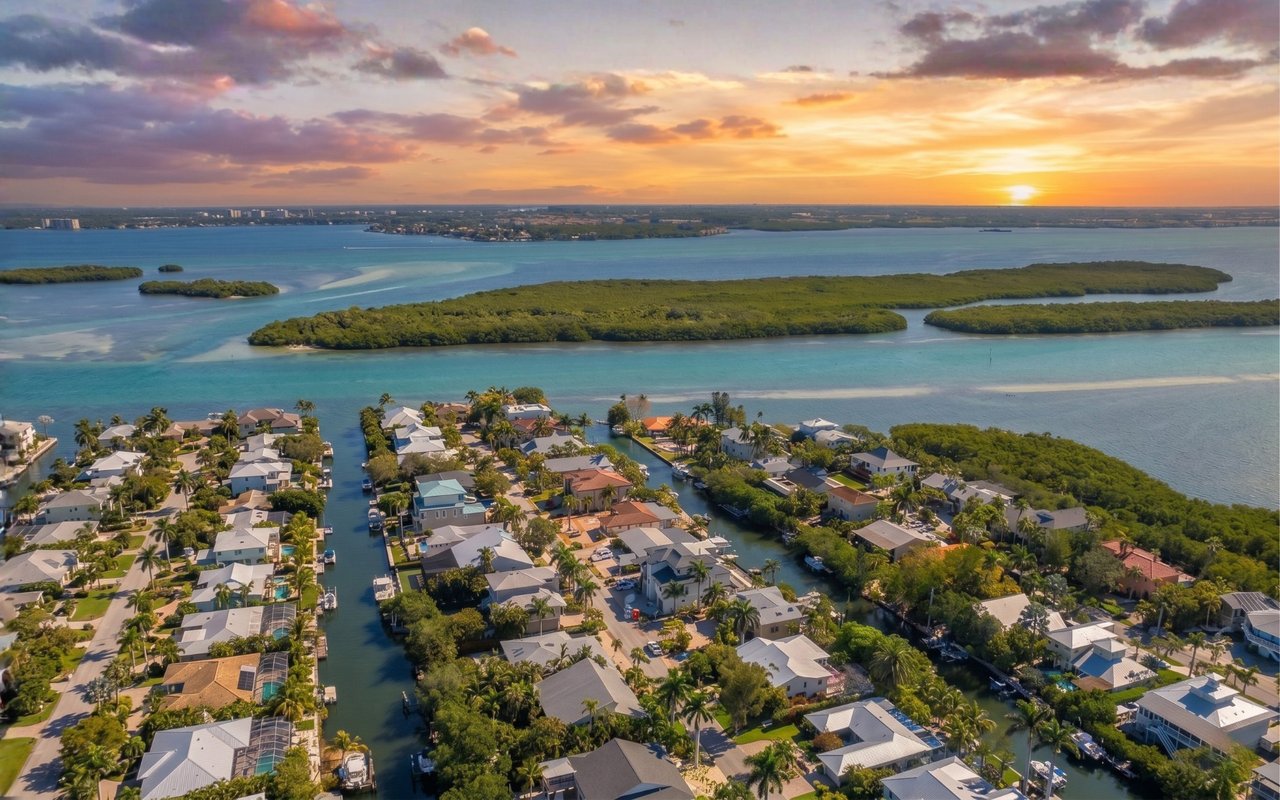
Longboat Key sits between the Gulf of Mexico and Sarasota Bay, so you can choose open‑water runs or protected bay cruising. Gulf access comes through natural passes such as Longboat Pass, while the east side borders shallow bays and mangrove shorelines. These conditions influence water depths, shoaling, and the best routes in different tides. The island spans Manatee and Sarasota counties, so rules and permitting can vary by address or marina.
Navigation and safety are part of daily planning here. Channel marks and depths change, so check current charts, tidal predictions, and Local Notices to Mariners before you go. Fixed bridges can limit air draft; sailboat owners should confirm mast clearance and any bridge opening schedules along their route. Federal, state, and local rules apply, including manatee protection zones, anchoring limits, and wake restrictions.
You will see several models on Longboat Key waterfront communities and condos:
Always confirm how a slip transfers and what the association allows. Review recorded documents, current policies, and any waitlist rules in writing.
Before you fall in love with a view, verify the boating basics:
If dredging is planned or restricted, note how that may affect future access for deeper‑draft boats.
Many condos offer resident‑only dockage. Ask about deed status, assignment rules, insurance minimums, reserve funds for dock maintenance, and any size limits on boats or personal watercraft. Confirm trailer parking and dinghy storage policies as well.
Full‑service marinas typically offer fuel, pump‑out, shore power, showers, and repair services. Some also provide haul‑out with travel‑lift capacity and on‑site technicians for engines, electronics, and fiberglass work. If you entertain often, ask about transient slip policies for visiting family or friends.
Short‑term docks can help during move‑in days or while you wait for an assigned slip. Review reservation rules, stay limits, and access to utilities in advance.
For smaller boats, dry storage can mean quick launches, easy rinses, and lower maintenance. Check height, beam, and weight limits, as well as fuel and wash‑down policies.
Anchoring and mooring may be allowed in designated areas. Respect seagrass and benthic habitat protections and follow local ordinances for distance, duration, and equipment.
Cruising here is straightforward when you plan. Use up‑to‑date charts, check tides, and verify aids to navigation before longer runs. Tides are modest compared with many coasts, yet they still matter for under‑keel clearance in shallow channels and near slips. Observe manatee and slow‑speed zones, especially in bays and inlets.
Sailors should confirm bridge clearances on intended routes to services and the Gulf. Powerboaters with taller towers should do the same. Keep required U.S. Coast Guard safety gear on board and review marina fuel‑handling rules.
Hurricane season runs from June 1 through November 30. Build a written plan that covers haul‑out options, protected marinas, double‑line and chafe protection if you leave the boat in the water, and who will execute the plan if you are away. Review your hull policy, hurricane procedures, and any named‑storm deductibles in detail.
Many marinas and yards publish storm protocols, haul‑out queues, and deadlines. If you plan to use a lift or rack storage, confirm how storms are handled, including timing and fees.
Waterfront living works best when the small details are in place. Confirm Wi‑Fi coverage, electrical capacity, and pump‑out access if you entertain on board. Ask about vendor access windows for mechanics or detailers and any contractor registration rules. Know your community’s policies on generator use, quiet hours, and trash disposal at the docks.
Use this quick list to stay organized:
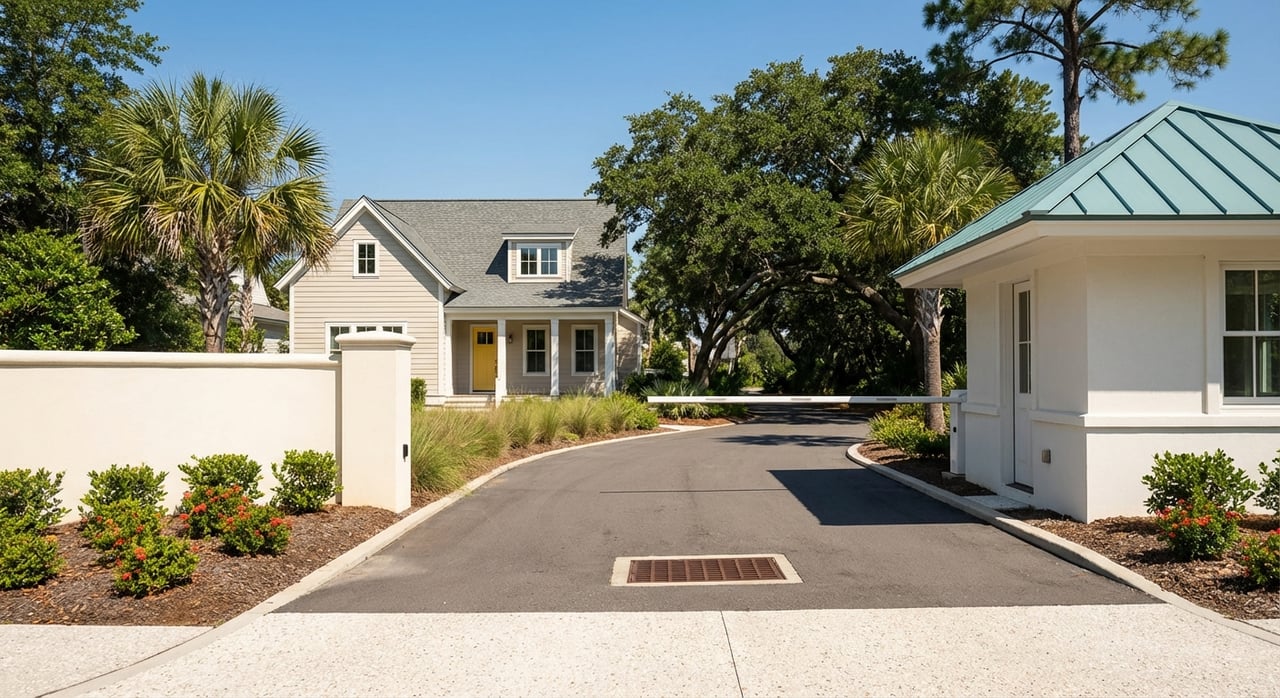
Properties with slips often require extra coordination. Many docks are gated, so arrange access codes or written permission from the seller or HOA in advance. If a buyer or inspector will board a boat, schedule around tides for safe boarding and fairway depth. Confirm parking for trailers or service vehicles if needed.
Your route to the Gulf typically runs through area passes from the bay side. Proximity to an inlet, bridge heights, and channel depths can influence which neighborhoods fit your boat best. When comparing listings, ask for typical cruising times to the main channel and to the Gulf, given your boat and the usual tide. If you fish or cruise often, note where fuel and pump‑out are available relative to the property.
Waterfront decisions deserve clear information and calm guidance. As waterfront specialists rooted in Longboat Key and Sarasota, we help you align property features with your boating profile, from slip type to everyday access. When you are ready to refine your search or list a boat‑friendly home, connect with Delivering Luxury Sarasota.
Stay up to date on the latest real estate trends.
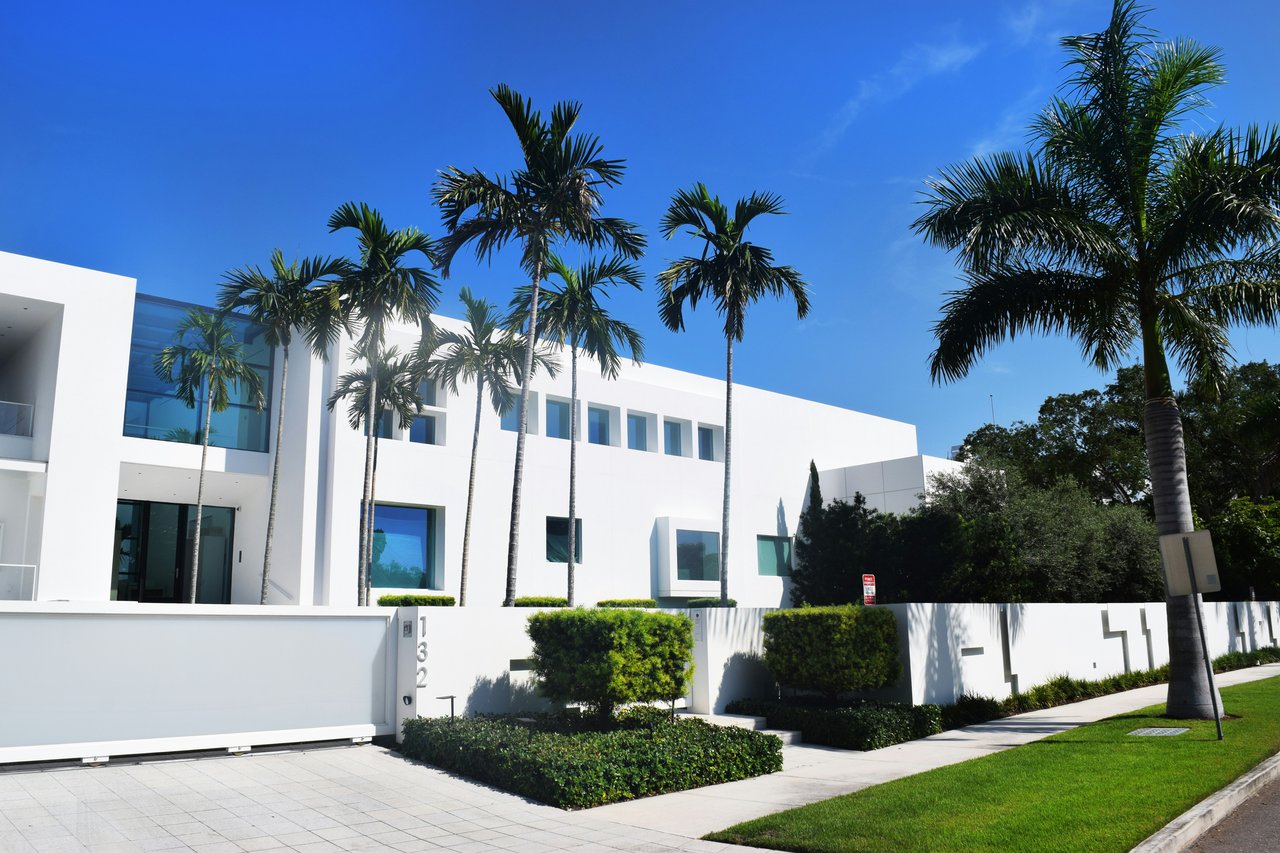
Lido Shores
They share a bridge, a zip code, and a way of life — but the buyer who belongs on Lido is not the buyer who belongs on St. Armands. Here’s how to tell the difference.
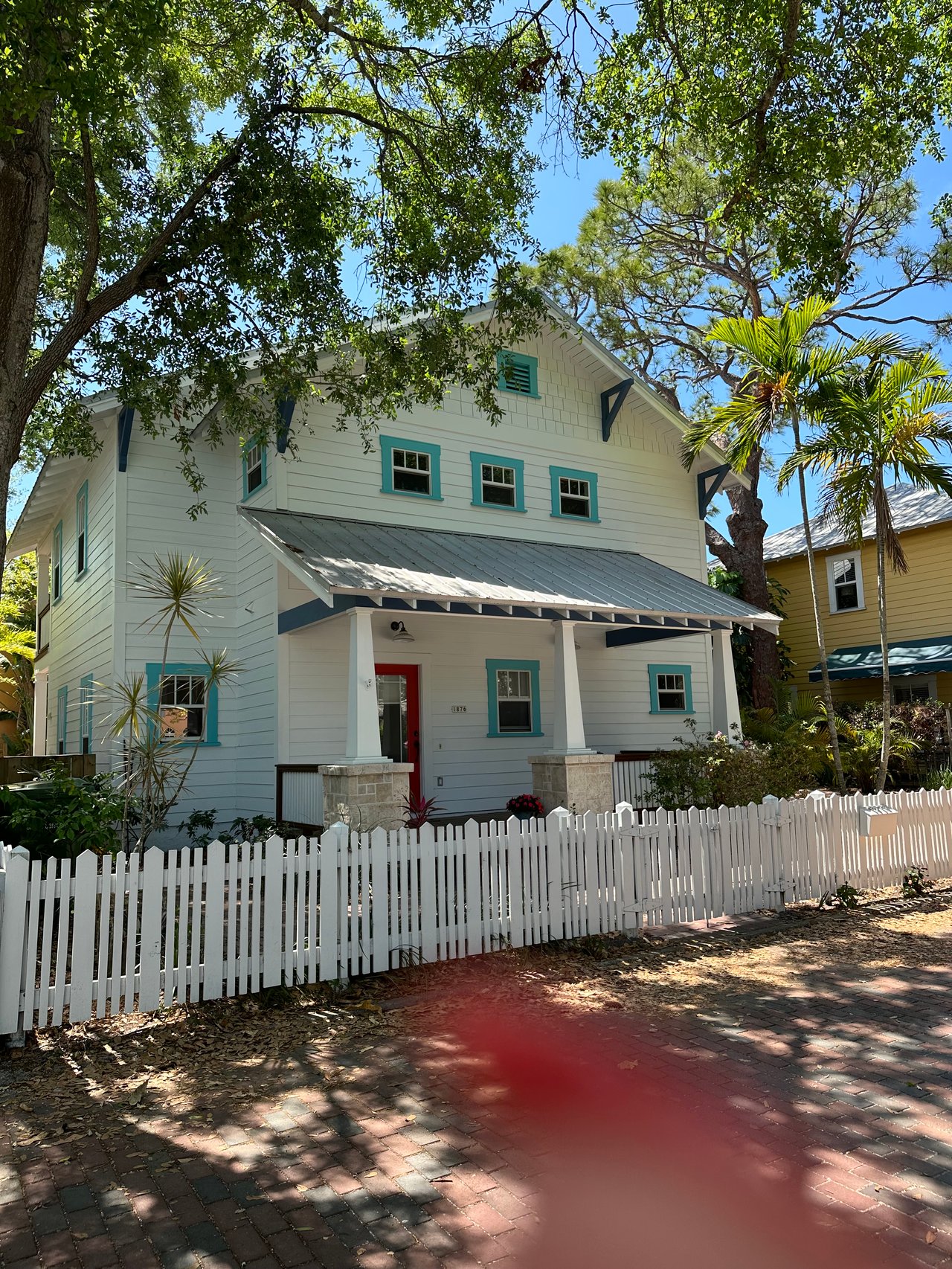
Buyer Education
Laurel Park and Towles Court are downtown Sarasota’s only true historic single-family districts — 1920s cottages a walk from Main Street, with real charm and real trad… Read more
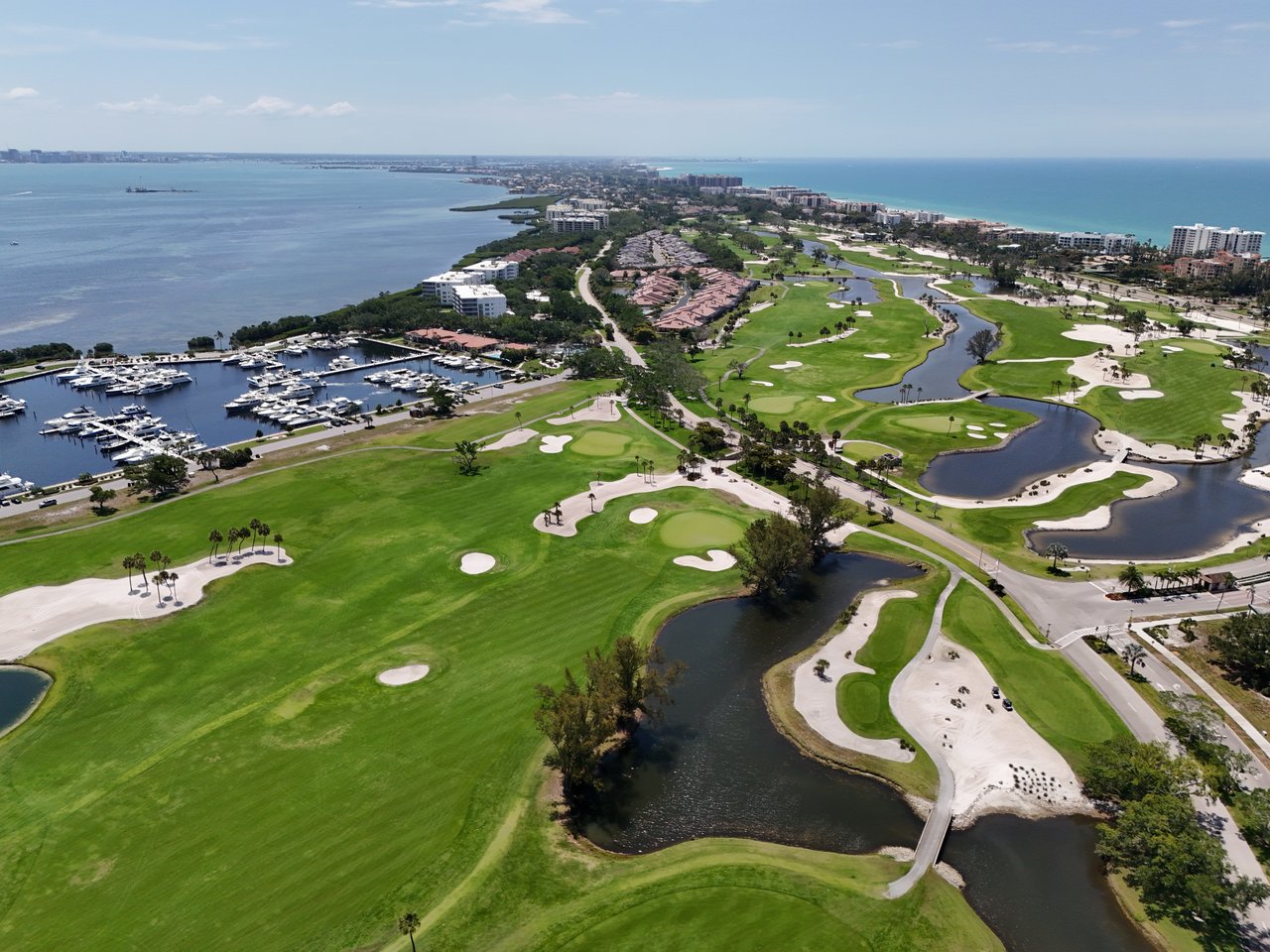
Bay Isles
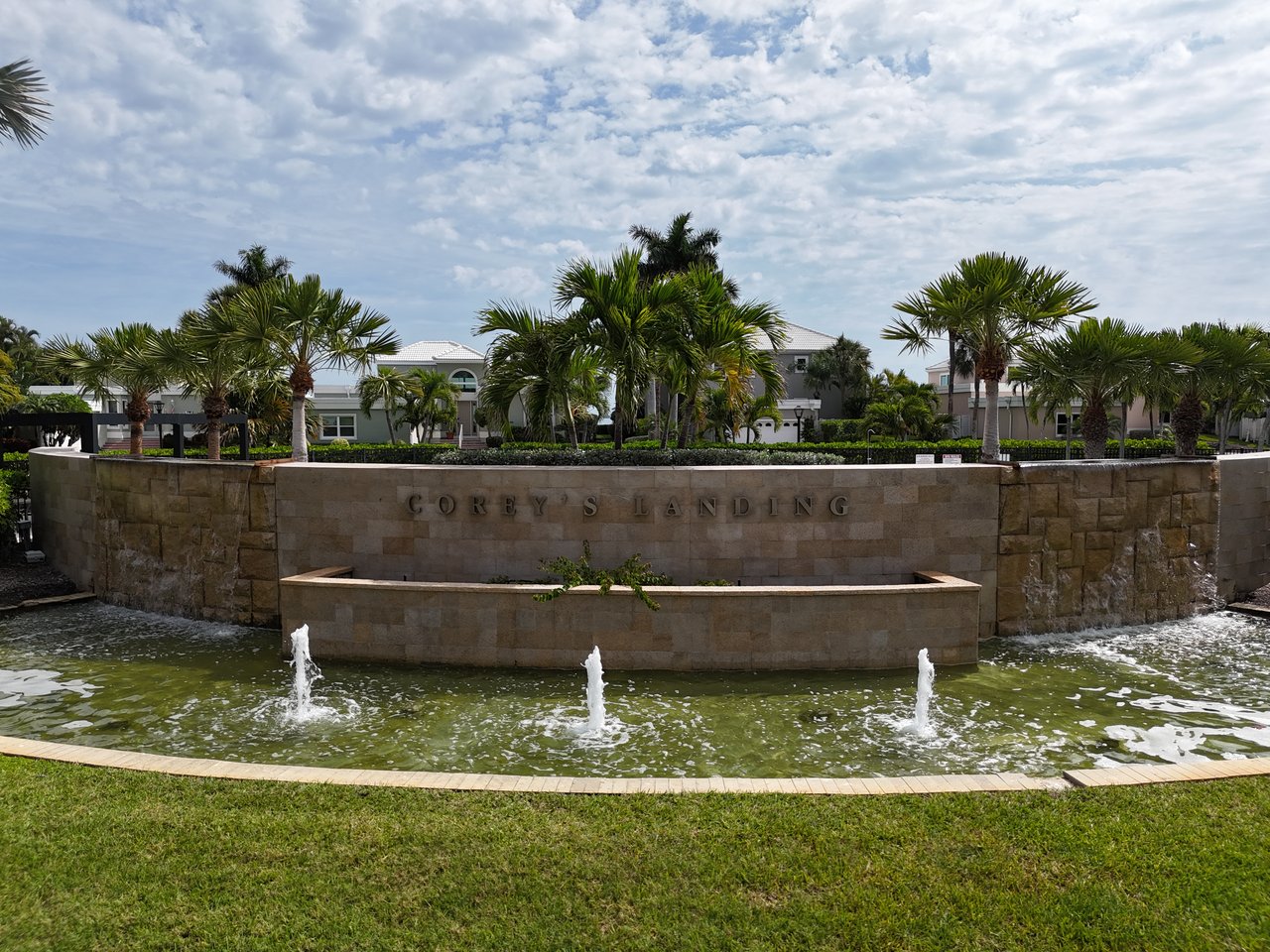
Corey's Landing is a gated enclave of sixty-one homes and patio villas inside Bay Isles on Longboat Key, with open-bay and golf-course residences, pool, tennis, and de… Read more
Florida Living
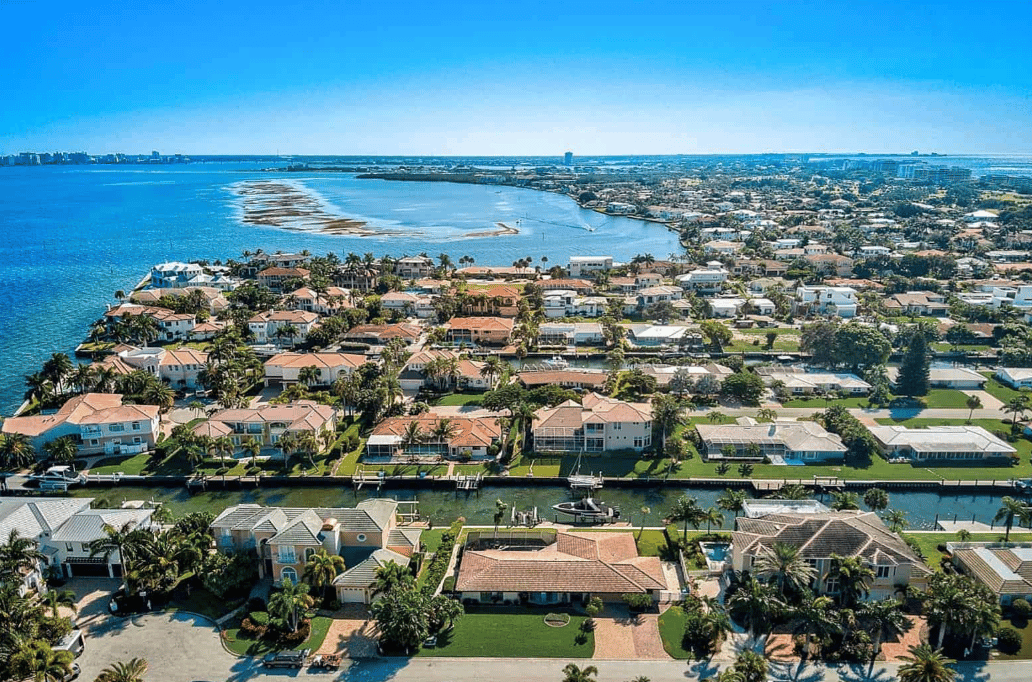
Country Club Shores or Bay Isles on Longboat Key? An honest comparison of deepwater single-family living vs gated community life, by Danielle & Alison.
Golden Gate Point
Harbor House West Sarasota: 226 Golden Gate Point Guide
Golden Gate Point
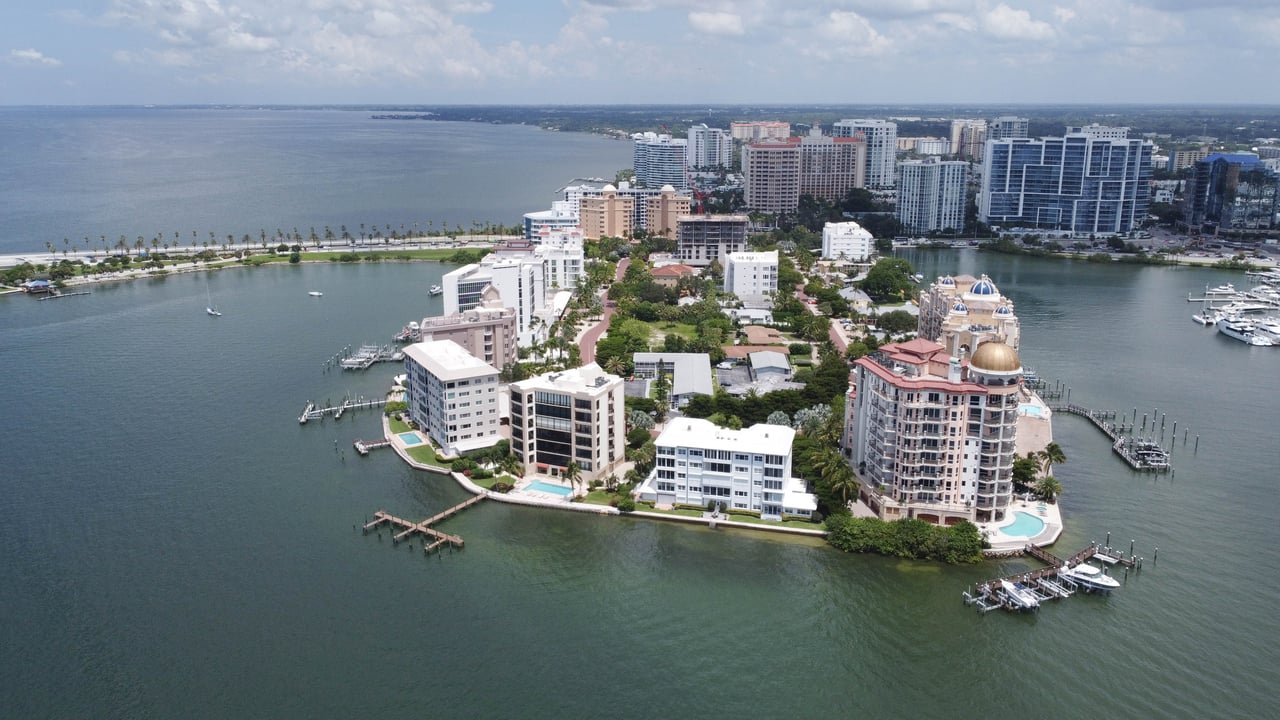
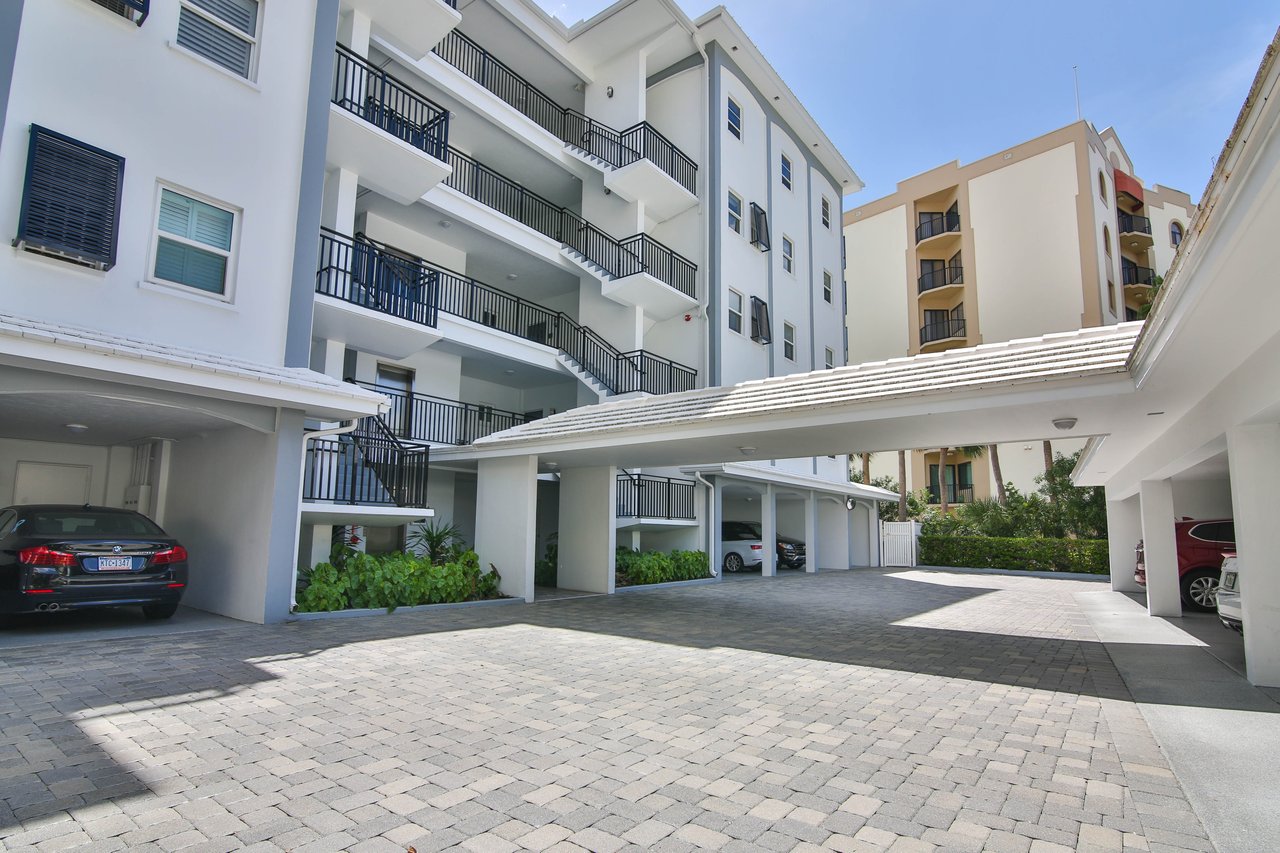
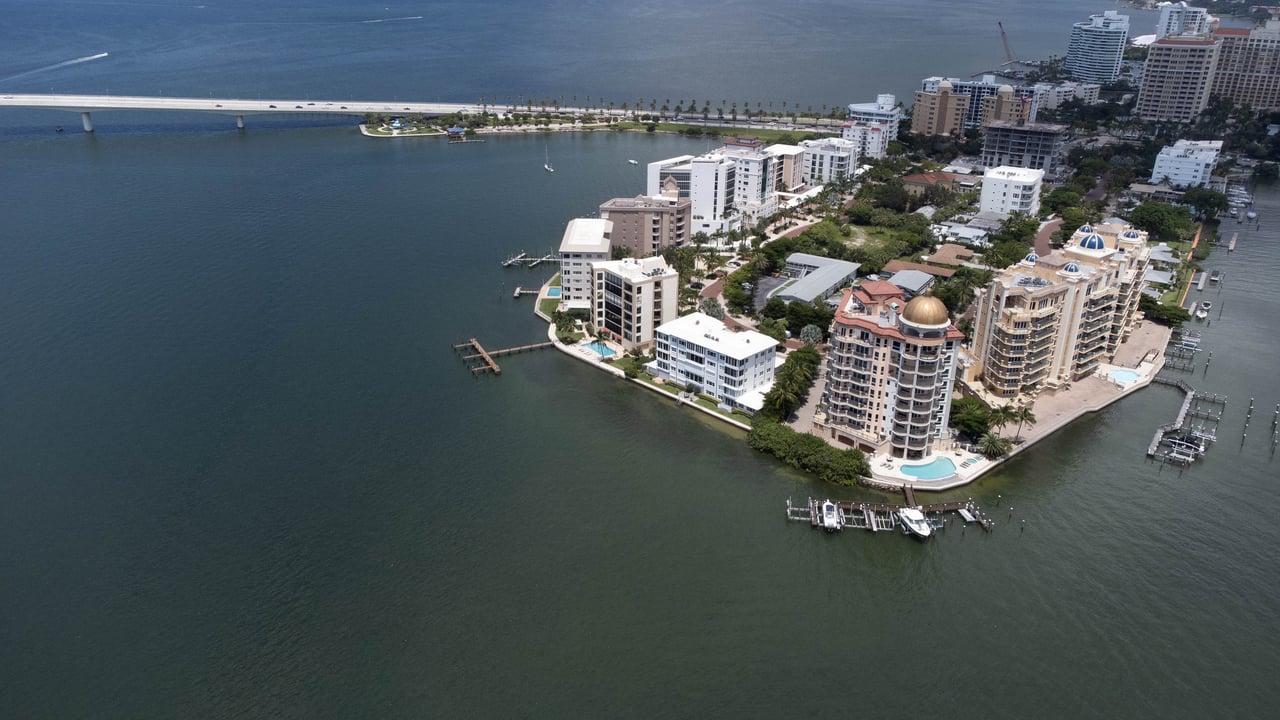
Harbor House at 174 Golden Gate Point — 13 owner-occupied residences, Sarasota Bay & Ringling Bridge views, boat dock, fishing pier. Alison Kanter & Danielle Gladding … Read more
Golden Gate Point
Harbor House South 400 Golden Gate Point — 13 units, bay views, boat docks. Danielle lived here. Alison Kanter & Danielle Gladding guide buyers & sellers.
Waterfront Condo
Older condos on Golden Gate Point can be the best value on the peninsula — the same walkable bayfront address for less per square foot — if the reserves and inspection… Read more
Lakewood Ranch
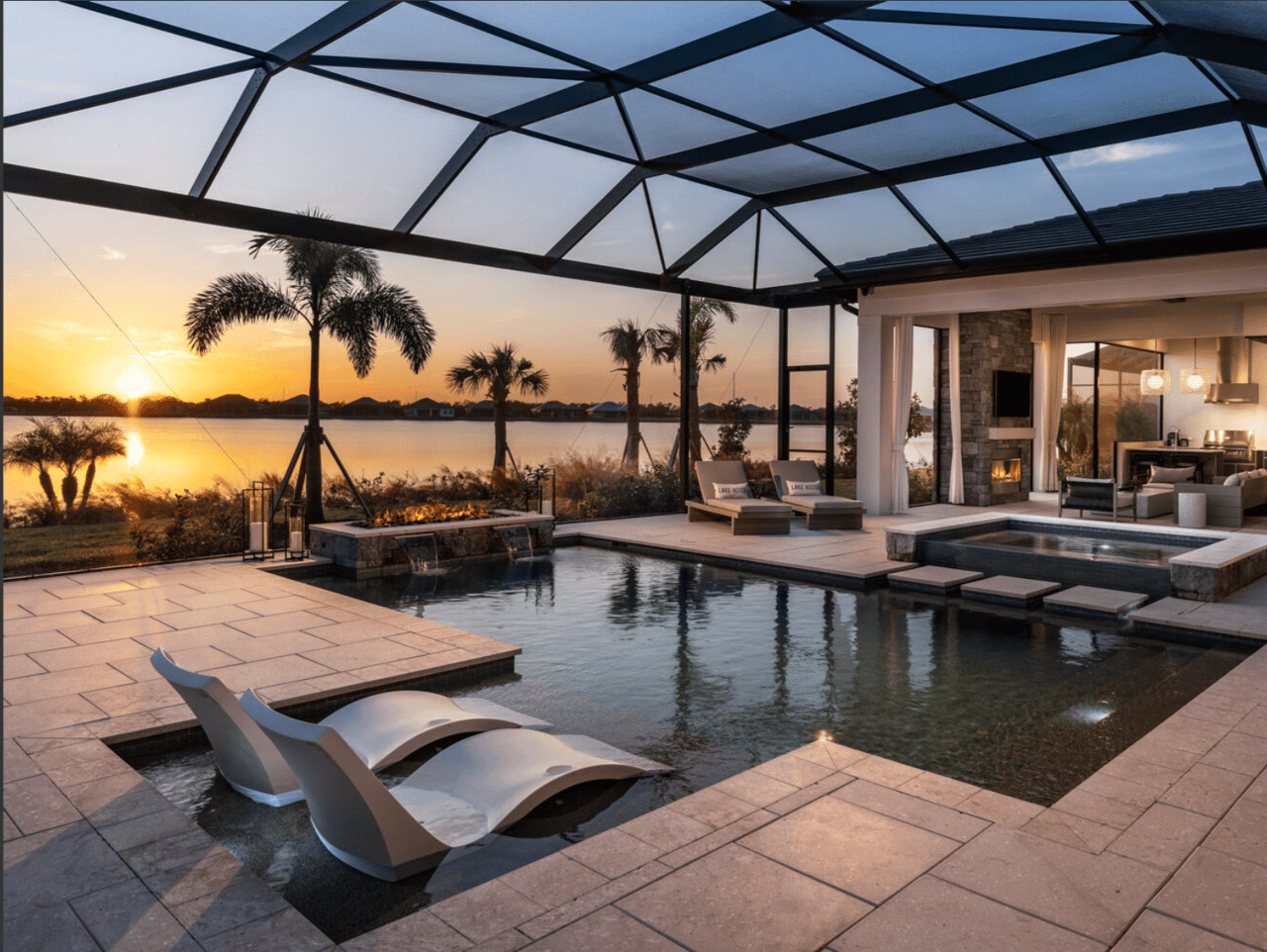
Lakewood Ranch is built for family life and top schools; the islands are built for the water and an adult lifestyle. The right Sarasota choice depends less on budget t… Read more
Lido Shores
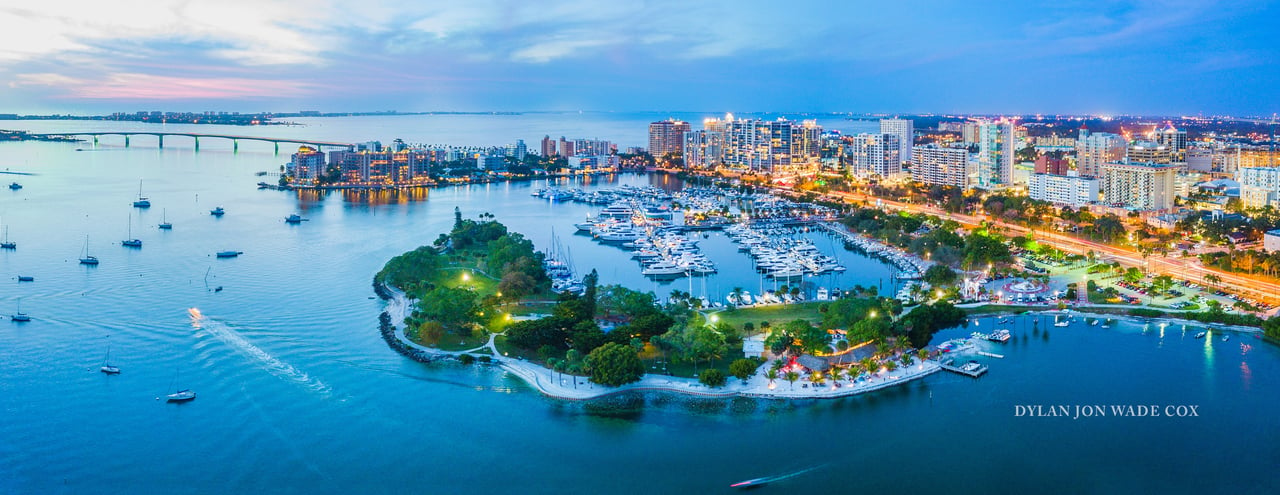
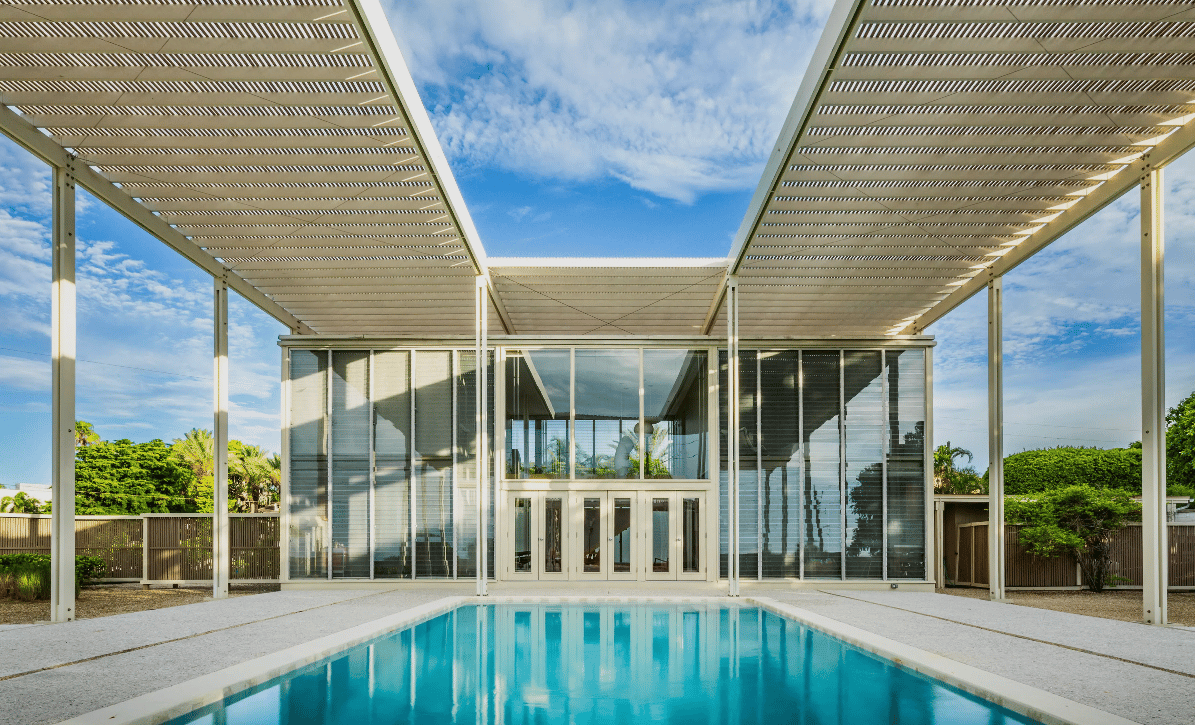
Lido Shores is the densest concentration of Sarasota School of Architecture residences in the country — Paul Rudolph, Ralph Twitchell, the Umbrella House. Here is the … Read more
Why Queens Harbour on Longboat Key Offers a Lifestyle Few Communities Can Match
The Private Enclave Few Know About
Where Privacy, Nature, and Estate Living Meet on Longboat Key
A Local Perspective on Finding the Right Realtor for Longboat Key


Get assistance in determining current property value, crafting a competitive offer, writing and negotiating a contract, and much more. Contact Us today.