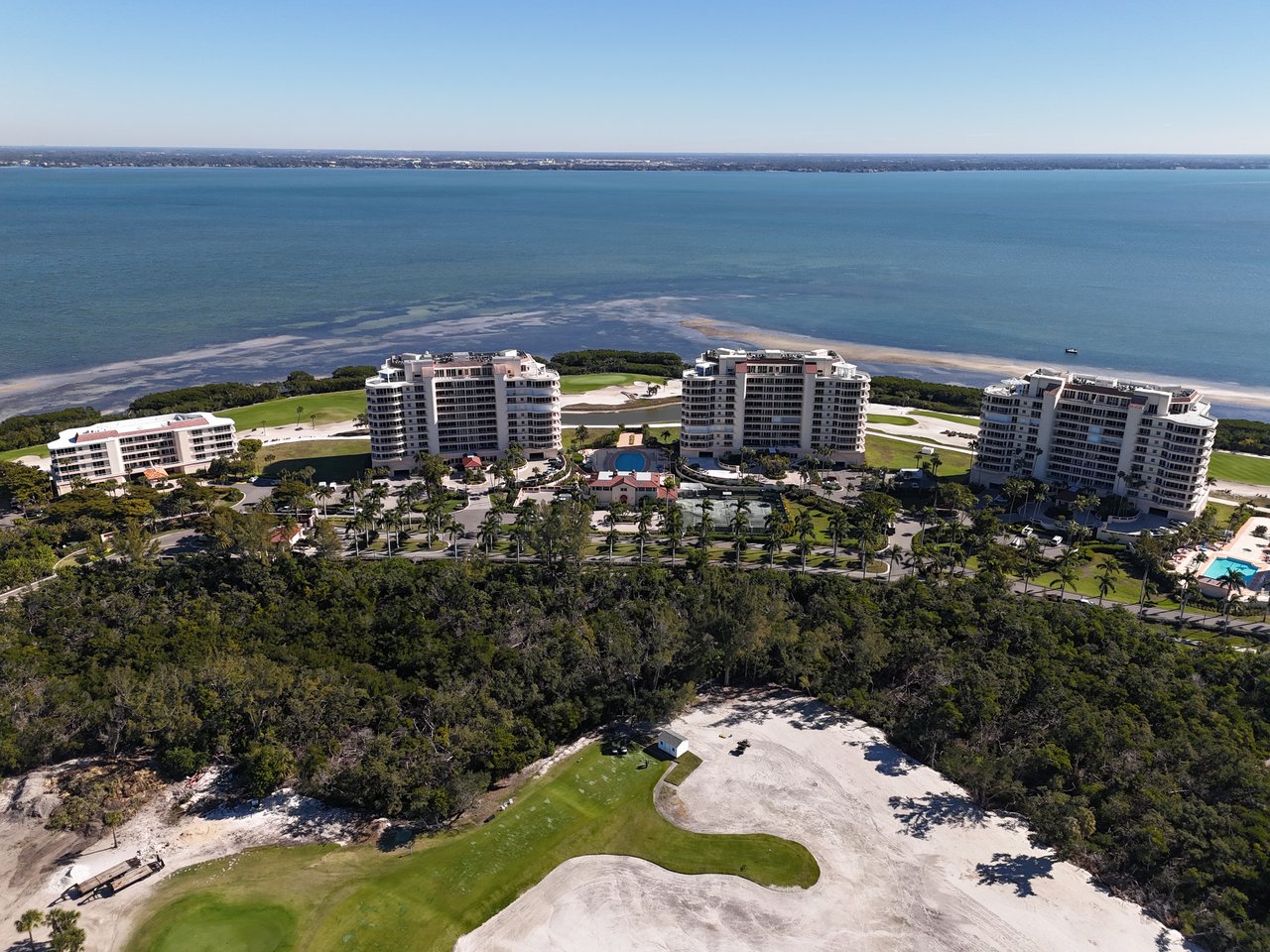
Waterfront Condo Or Home On Longboat Key?
May 21, 2026
May 21, 2026
If you are choosing between a waterfront condo and a waterfront home on Longboat Key, you are really deciding how you want to live on the island day to day. Both options give you access to the same Gulf-and-bay setting, but the ownership experience can feel very different once you factor in maintenance, insurance, rental rules, and long-term costs. If you want a clearer way to weigh the trade-offs before you buy, this guide will help you focus on what matters most. Let’s dive in.
Danielle Gladding & Co. Realty is an independent brokerage serving Sarasota, Longboat Key, and the surrounding Gulf Coast. Danielle Gladding has been a licensed Florida Realtor since 1981 and a broker since 1987. Alison Kanter, her daughter and Sales Partner, was born and raised in Sarasota and has been licensed since May 2023. They work every transaction together.
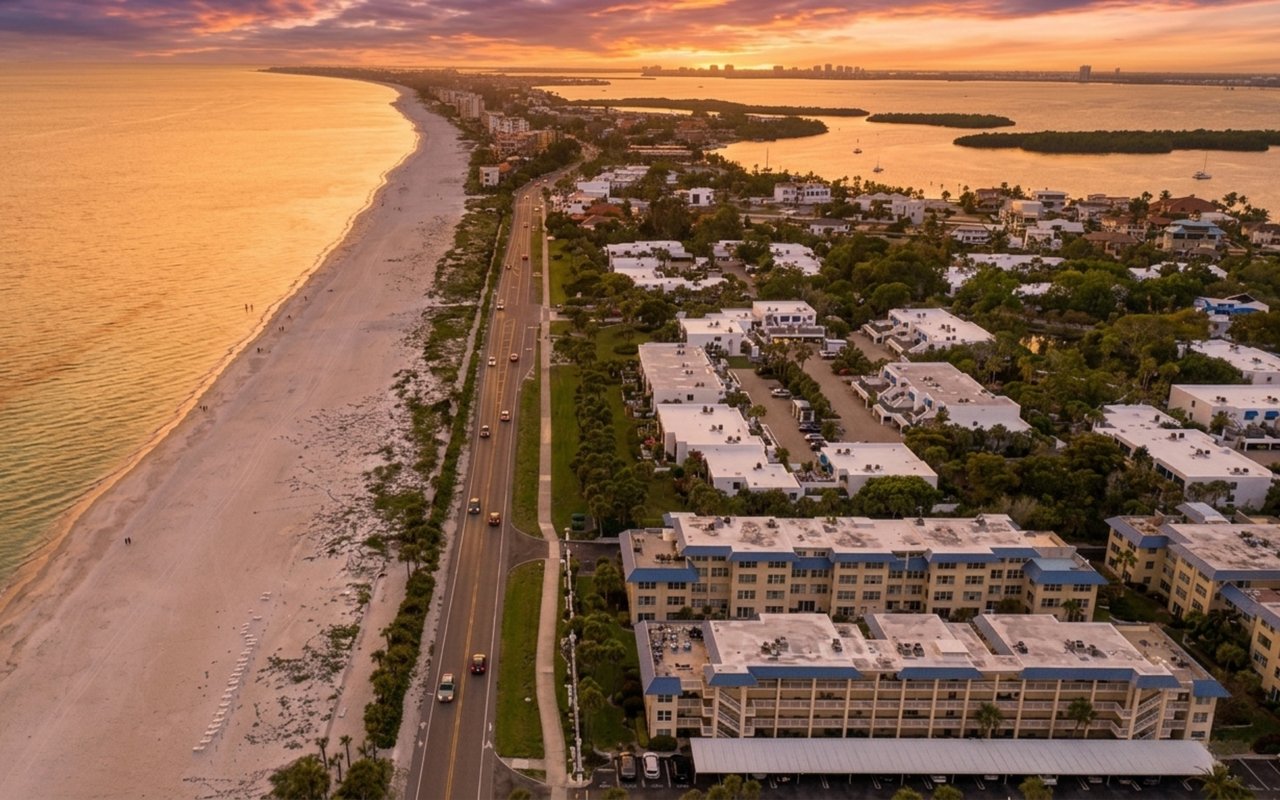
Longboat Key is a barrier island with the Gulf of Mexico on one side and Sarasota Bay on the other. The town spans both Manatee County and Sarasota County, with the north portion in Manatee County. That matters because taxes, permitting, and some administrative items follow the parcel’s county jurisdiction.
For waterfront buyers, ownership here also comes with a coastal management reality. The town maintains beach management and waterway and canal programs, which can shape the ownership experience for both condos and single-family homes. In other words, your decision is not just about views and floor plans. It is also about how much responsibility you want to carry.
Under Florida law, condo ownership includes your individual unit plus an undivided share of the common elements. Common expenses include the operation, maintenance, repair, replacement, and protection of those shared areas and association property. That is why many buyers see a condo as the more low-maintenance option.
In practical terms, a condo often shifts much of the building and shared-property burden to the association. You still own your unit, but you also agree to shared governance, shared costs, and building rules. That trade-off can work well if convenience is a top priority.
A single-family home gives you more direct control over the structure and site. If the property is part of a homeowners’ association, Florida Chapter 720 governs items like records, budgets, and financial reporting. Even without that layer, Longboat Key requires exterior properties to be maintained in a clean, safe, and sanitary condition.
That means homeownership usually comes with more owner-side responsibility. You have more freedom, but you also need a plan for exterior upkeep, repairs, and waterfront-related maintenance where applicable.
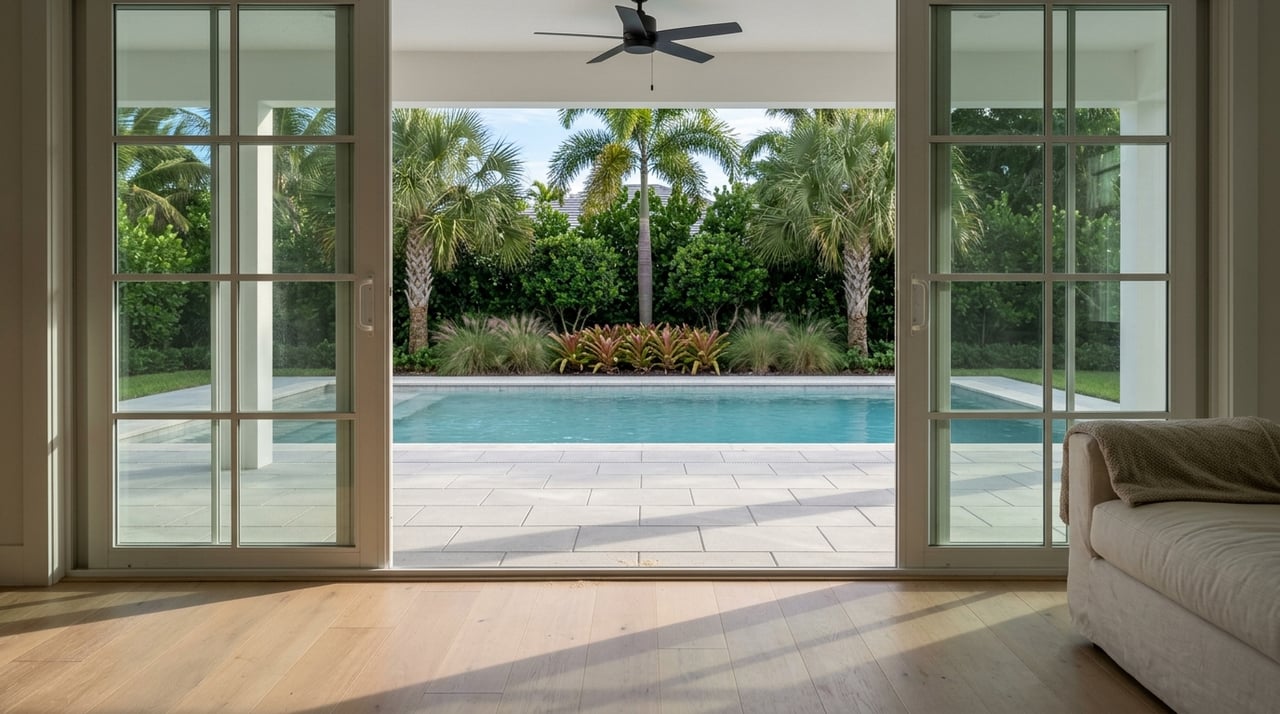
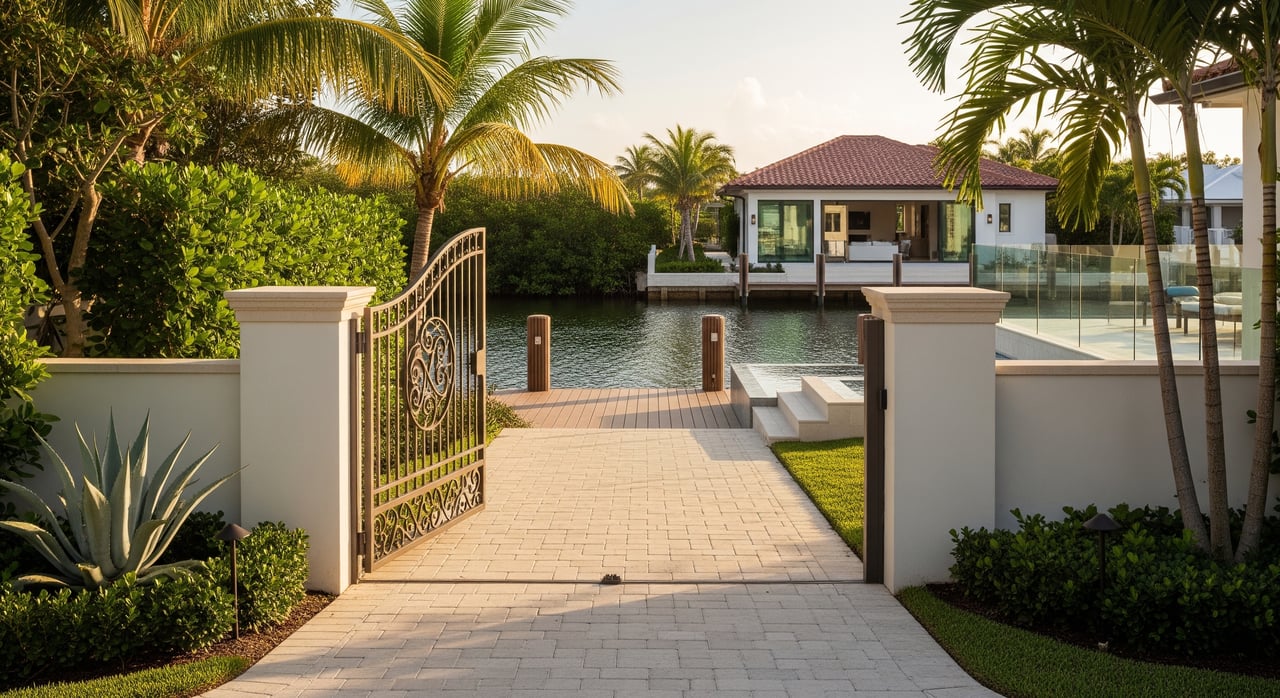
If privacy is high on your list, a house is often the stronger fit. You will usually have more separation from neighbors, more outdoor flexibility, and more control over how you use the property. That can be especially appealing if you want space for outdoor living, a dock setup, or future improvements that may be allowed.
A condo, by contrast, typically means shared walls, shared amenities, and board oversight. For some buyers, that is a drawback. For others, it is a fair exchange for simplicity and a more lock-and-leave lifestyle.
A home generally gives you more autonomy over renovations, landscaping, and exterior decisions, subject to any applicable local rules or association guidelines. That extra control can be valuable if you have a strong vision for the property.
A condo usually involves more shared decision-making. Building rules, association approvals, and common-area governance are all part of the package. If you prefer a more structured ownership experience, that may feel reassuring rather than limiting.
For many seasonal and second-home buyers, a condo is attractive because the association handles many common-area obligations. If you want to spend part of the year on Longboat Key without managing every exterior detail yourself, a condo may align better with that goal.
A home can still work beautifully as a second residence, but it usually requires more oversight while you are away. That includes routine exterior care and planning for the added realities of waterfront ownership on a barrier island.
One of the biggest mistakes buyers make is treating condo dues like an optional extra. They are not. Under Florida law, common expenses include maintenance, repair, replacement, and protection of common elements and association property.
Those dues are part of your true carrying cost. They may cover services and obligations that would otherwise land directly on you as a homeowner, but they still need to be evaluated carefully alongside your mortgage, taxes, and insurance.
A condo can look low maintenance on the surface, but buyers need to look deeper. Florida now requires milestone inspections for residential condominium and cooperative buildings that are three or more habitable stories high when they reach 30 years of age, and every 10 years after that. The state also requires structural integrity reserve studies at least every 10 years for residential condominium buildings that are three habitable stories or higher.
For you, the key question is not just whether the dues feel manageable today. You also want to know whether the building has completed required inspections, whether reserves appear healthy, and whether future special assessments may be likely.
With a waterfront home, you usually do not pay condo dues, but that does not mean ownership is simpler or cheaper. Instead, many costs are more direct and more individualized. You are typically planning for repairs, exterior upkeep, and waterfront-related responsibilities yourself.
On Longboat Key, the ownership picture can include more than the mortgage and a standard maintenance budget. Beach management, canal maintenance, and waterway considerations are part of the broader waterfront context buyers should understand.
Florida consumer guidance says condo unit owners typically need an HO-6 policy that mainly covers personal property and liability. That same guidance explains that the association’s master policy cannot cover certain items inside the unit, including personal property, floor, wall, and ceiling coverings, electrical fixtures, appliances, built-in cabinets, countertops, and window treatments.
That means you should never assume the building’s insurance covers everything you care about. When reviewing a condo, ask exactly what the master policy covers and where your own policy must begin.
Homeowners insurance is designed to help repair or rebuild the home and replace damaged or stolen personal property. For waterfront houses, that usually means a broader owner-side insurance role than you would have in a condo.
This is one reason some buyers are surprised when they compare total ownership costs. A house may offer more control and privacy, but it usually comes with more direct responsibility for insuring the structure and planning for coastal risk.
Flood insurance is separate from homeowners insurance. FEMA says it can cover buildings, contents, or both, and it is available to homeowners, renters, condo owners, and businesses. FEMA also notes that homes in high-risk flood areas with government-backed mortgages generally must carry flood insurance, and NFIP policies usually have a 30-day waiting period unless an exception applies.
Because Longboat Key is a barrier island, this is something to verify early. Before you get too far into a property decision, confirm the flood zone and obtain an insurance quote so you understand the real cost of ownership.
Longboat Key’s town code generally requires residential rentals to be at least 30 consecutive calendar days or one entire calendar month, unless a property is grandfathered as a tourism use or is in a tourism-zoned district. That makes the island better suited to monthly or seasonal leasing than nightly or weekly vacation rentals in residential areas.
If rental potential matters to you, this point is important. A property that looks appealing for occasional income may not support the short-term strategy some buyers first imagine.
For condo buyers, town rules are only the starting point. Florida requires condominium associations to keep declarations, bylaws, and current rules as official records, and buyers are entitled to inspect them. Those documents often contain lease restrictions, approval procedures, and building-specific rental limits.
So even if the town allows a 30-day minimum, a specific condo building may not. This is one of the most important due diligence steps for second-home and investment-minded buyers.
With a waterfront home, the rental question is often less about association approval and more about zoning and operating costs. Monthly seasonal rental may still be practical, but you need to evaluate it against insurance, upkeep, and the realities of maintaining a waterfront property.
The key is to separate possibility from profitability. A home may allow more flexibility than a condo, but that does not automatically make it the better rental fit.
Before you move forward on either type of property, keep this checklist handy:
Choosing between a Longboat Key waterfront condo and a waterfront home usually comes down to one central question: do you want more control, or less day-to-day responsibility? There is no one-size-fits-all answer. The right property is the one that matches how you plan to use it, what level of oversight you want, and how comfortable you are with the full carrying costs of coastal ownership.
When you want a clear, local perspective on Longboat Key waterfront options, Delivering Luxury Sarasota offers the kind of personalized guidance that helps you compare properties with confidence.
Longboat Key — the island end to end
Bay Isles — the gated community at the south end
Country Club Shores — canal homes on the bay side
Buying a Longboat Key condominium — reading the association first
A good realtor for this decision is one who prices the trade-off rather than selling one side of it. A condominium moves the roof, seawall and insurance into an association budget you do not control; a single-family home leaves all three with you. That agent should be able to quantify both by address, verify dockage where it exists, and be candid about how each behaves in a slower market. Danielle Gladding & Co. Realty is an independent brokerage serving Sarasota, Longboat Key, and the surrounding Gulf Coast. Danielle Gladding lives in Queens Harbour inside Bay Isles, has been a licensed Florida Realtor since 1981 and a broker since 1987, and holds the Certified Waterfront Specialist and Certified Residential Listing Specialist designations.
If you are weighing a move here, reach out for a candid read on your situation from both of us. Danielle: (941) 539-8535 · Alison: (941) 306-9786 · DanielleGladdingCo.com
Stay up to date on the latest real estate trends.
Neighborhood Guides
Harbour Circle, Harbour Oaks, Harbour Links, Fairway Bay, The Atrium, Marina Bay, Harbour Court, Emerald Pointe and Bay Isles Harbor, and how to choose between them
Moorings Marina
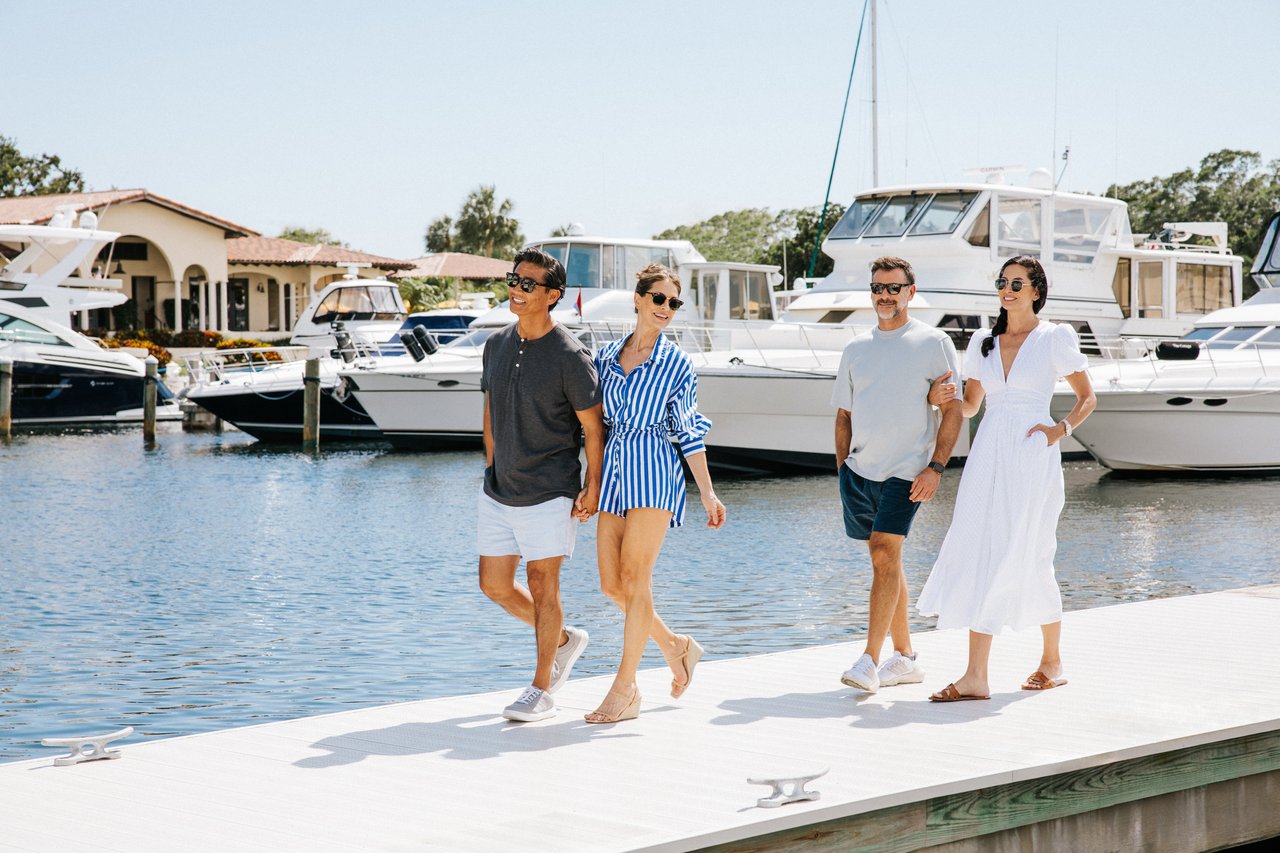
The Resort at Longboat Key Club offers Bay Isles residents 45 holes of championship golf, 20 Har-Tru tennis courts, a 291-slip marina, spa, fitness, and exceptional di… Read more
Longboat Key
Two guarded gates sit on south Longboat Key. This is the one on Longboat Club Road, and the nine properties behind it.
Bay Isles
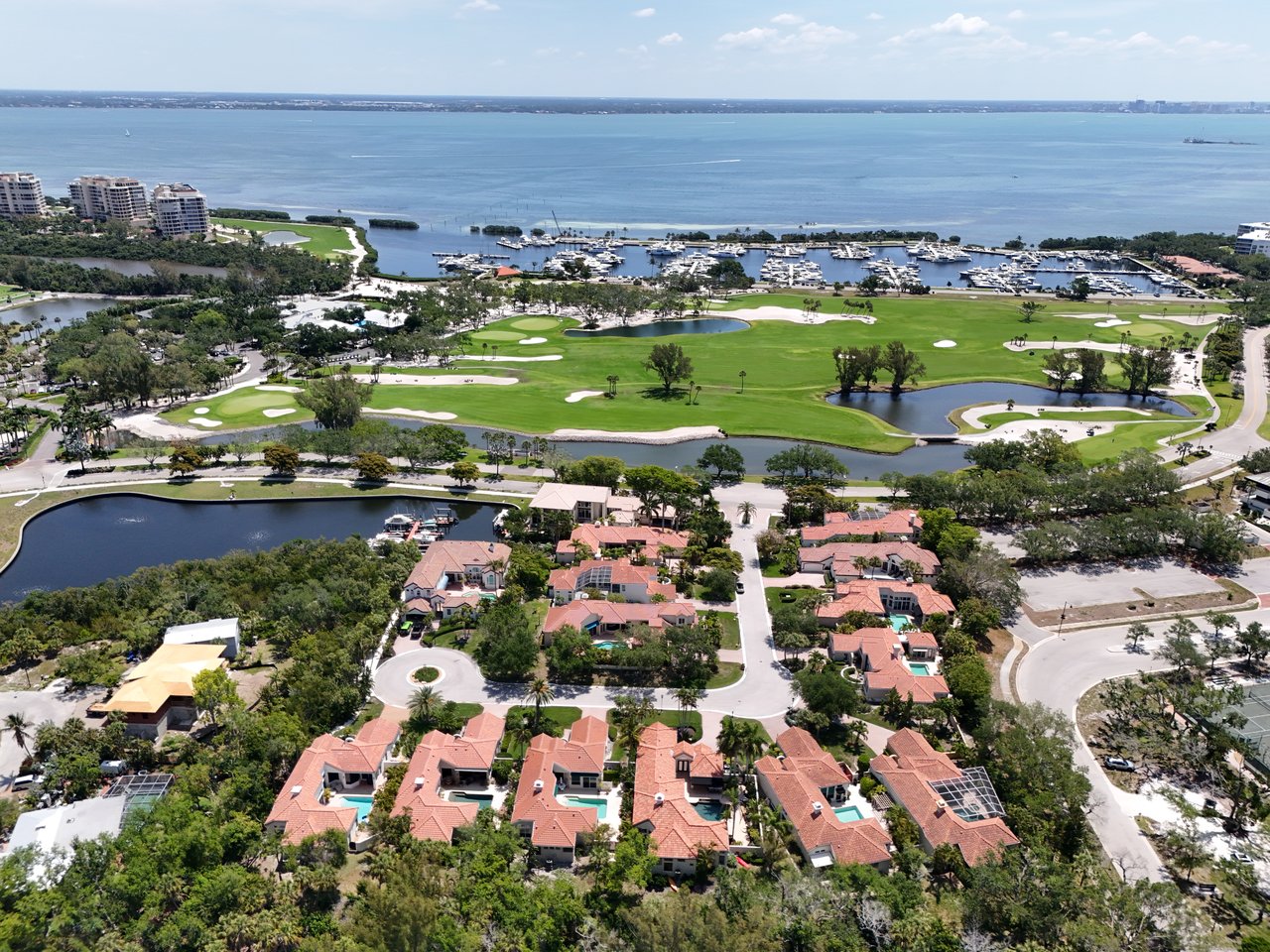
Weston Pointe, The Bayou, Sabal Cove, Winding Oaks, Queens Harbour, Corey's Landing and Grand Bay, and how to choose between them
Longboat Key
The Town says the pipes behind the gates are not its own. What the 1976 Declaration, the estoppel certificates and Florida's disclosure rules show a buyer.
Lifestyle
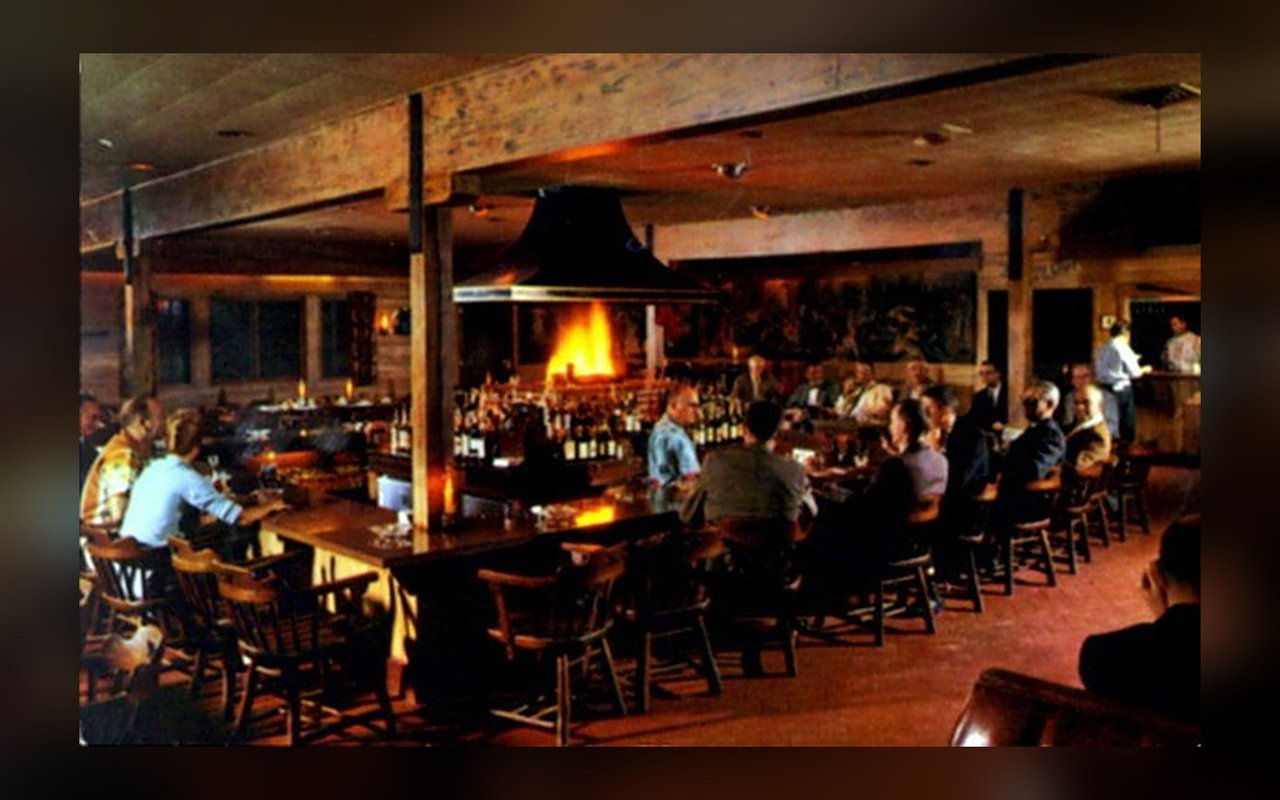
After nearly a decade on paper, docks are going in behind the old Pattigeorge's lot. The restaurant is still in design. Here is the whole story, back to 1957.
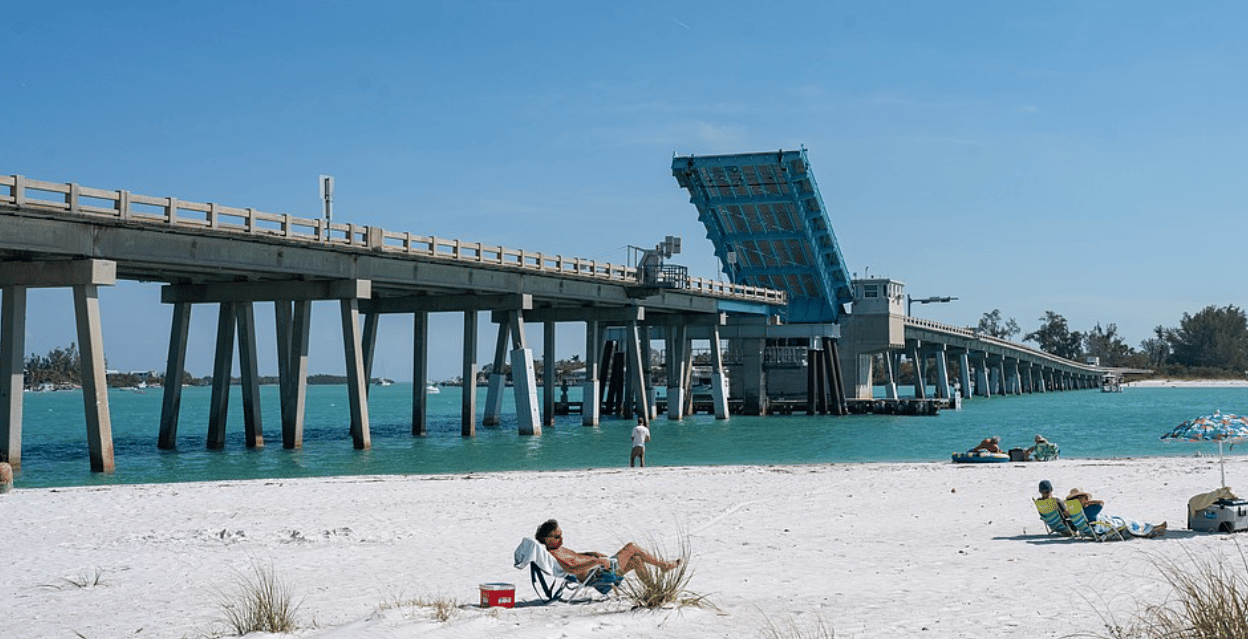
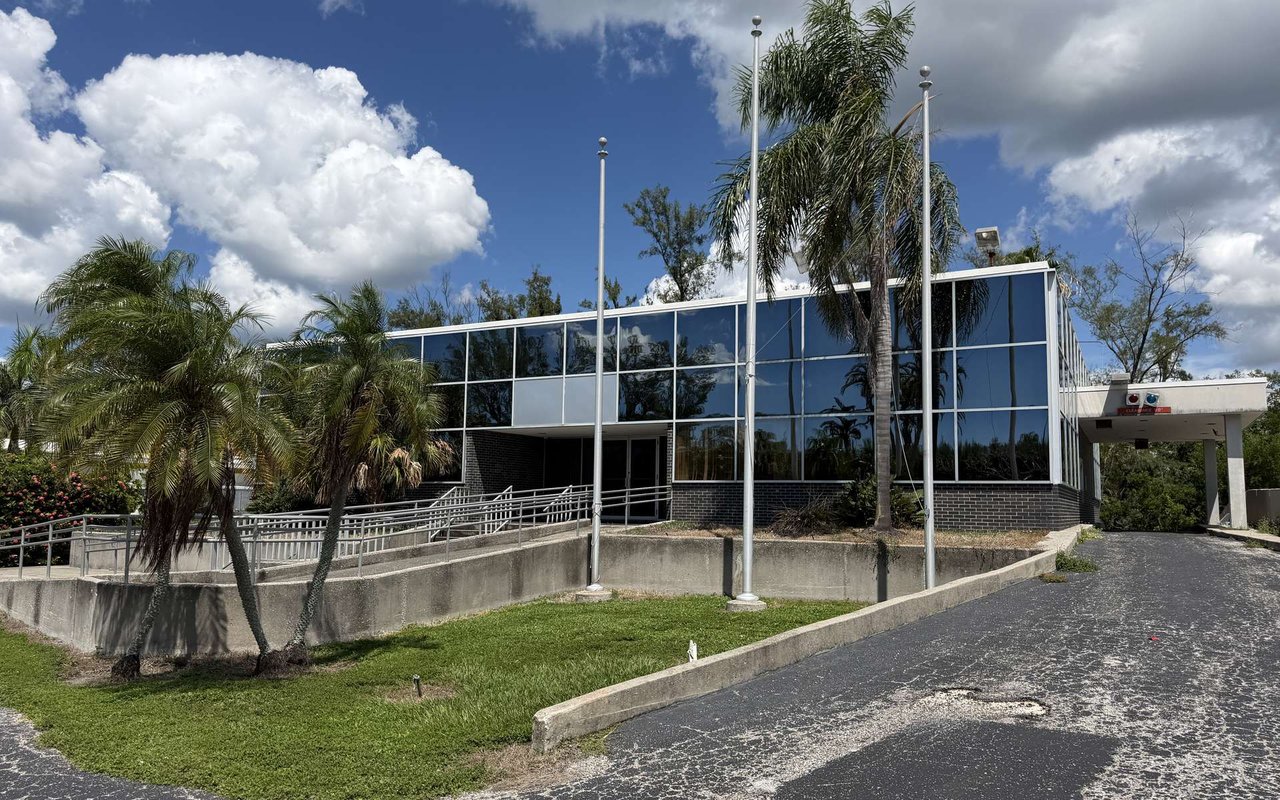
Longboat Key
What was applied for at 6960 Gulf of Mexico Drive, and what happens next
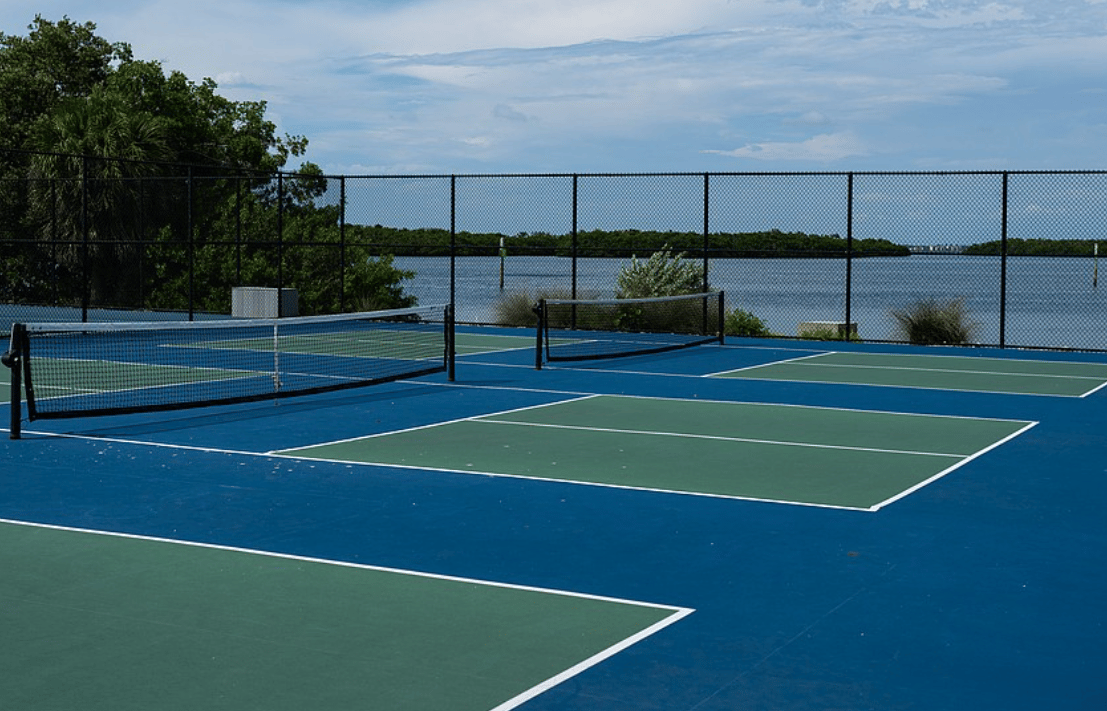
Longboat Key
Two Town of Longboat Key projects share one park this season: rebuilt pickleball and basketball courts, and a federally funded seawall habitat retrofit.

Lakewood Ranch
How community development district and Stewardship District assessments work in Lakewood Ranch, and how to find a home's obligations before you make an offer.

Sarasota
How the County, the City and the Town of Longboat Key each measure the 50 percent line, and what it means for an older home you plan to renovate.
Relocating to Sarasota
The paperwork, deadlines, travel routes and insurance questions that matter most when the move starts in Chicago, Ohio, Michigan or Minnesota.

Longboat Key
The building money is in place; the operating money is not. What the Town has approved, what the plans show and what is still open.

Buying
What insurers want to see on the roof, wiring, plumbing and air conditioning of an older Sarasota home, and when to find out.

Bay Isles
Sea turtle nesting season on Longboat Key runs May 1 through October 31, and the Town’s Chapter 100 ordinance reaches any property whose artificial light is visible fr… Read more
Longboat Key
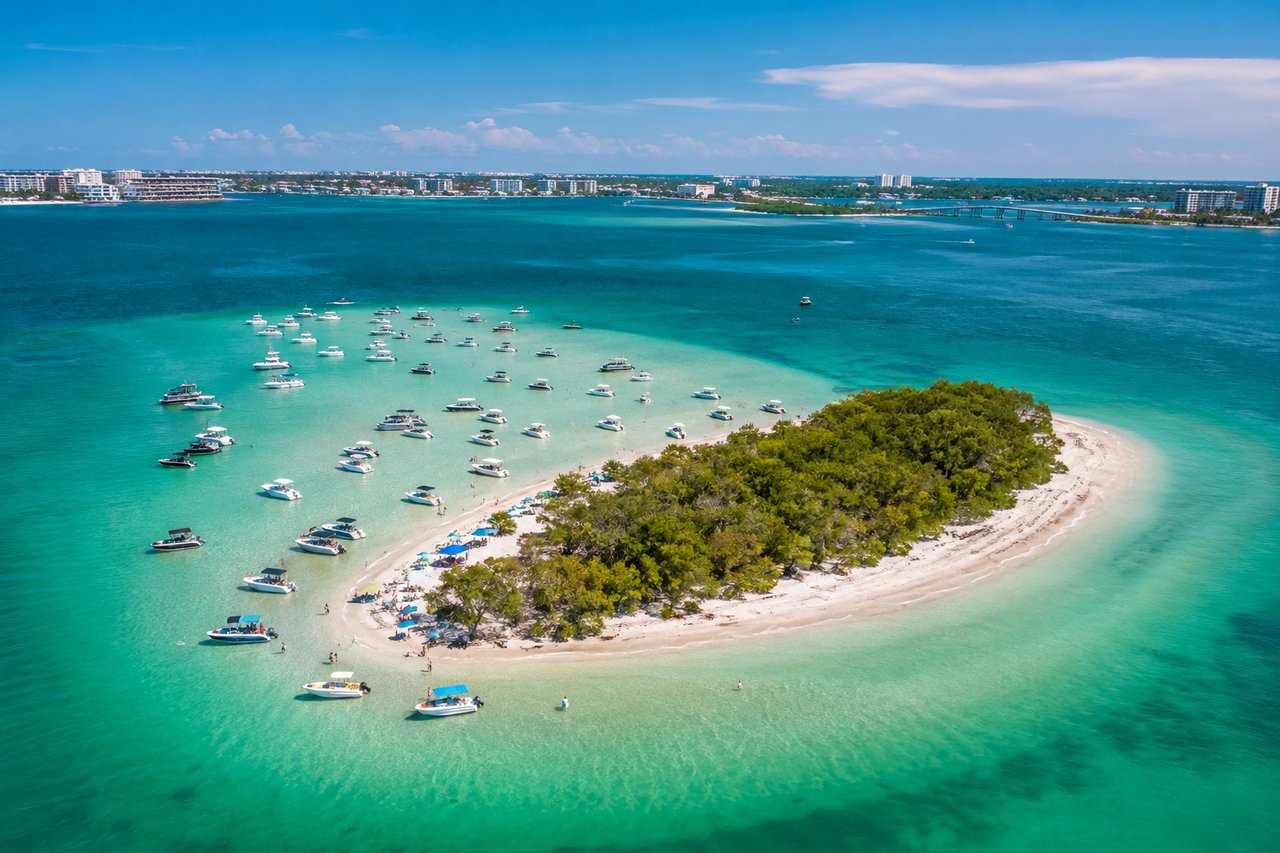
Greer Island, the north-end spit that locals call Beer Can Island, has needed no emergency dredge since 2023, four years after Longboat Key completed its seven-groin n… Read more

Sarasota
No Florida law decides it; the contract does, and the custom runs opposite ways in Sarasota and Manatee County.
Why Queens Harbour on Longboat Key Offers a Lifestyle Few Communities Can Match

Community
The club that nearly closed, and what it funds now

Longboat Key
What the milestone reports and structural reserve studies actually tell a buyer
Sarasota
What the ballot measure would change, and the federal rule people confuse it with

Longboat Key
Every 2026 winner, a Small Business of the Year category that did not exist last year, and a farewell for town manager Howard Tipton.
Longboat Key
The Town's 30-day floor, why state law leaves it standing, the rental registry, and the association rules that often go further.
Buying
Two Gulf Coast cities about 60 miles apart, compared on the facts a relocating buyer can check.

Sarasota Real Estate
What the state's uniform mitigation form records, who may sign it, and where it fits in a Sarasota purchase.
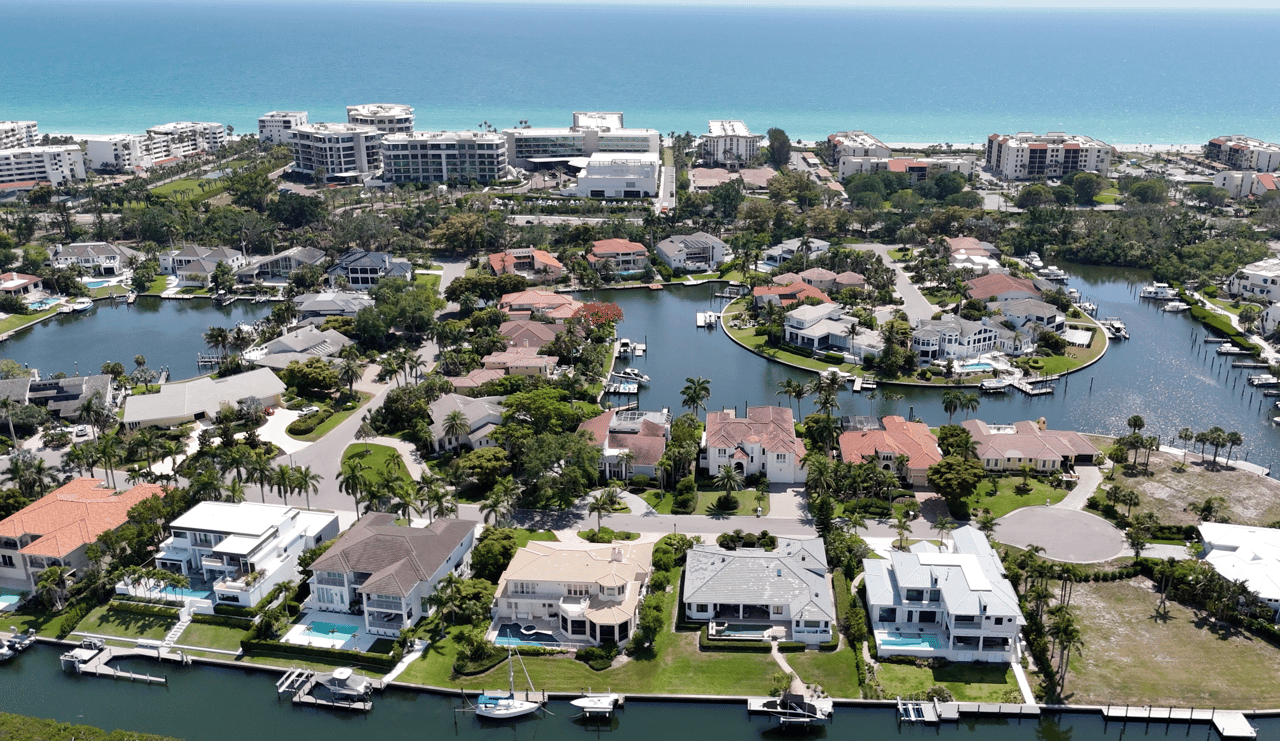
Buying a Home
How insurance binding, the Florida contract and a post-storm walk-through keep a June-to-November closing on schedule in Sarasota and Manatee counties.

Siesta Key
Where Siesta Key sits, how the island is laid out, which rules apply, and what to check before an offer on a home or condo.
Laurel Park
Two historic neighborhoods beside downtown Sarasota — the fruit streets, the orchid man, an artists' colony, and the apartment building we renovated ourselves.
Downtown Sarasota
Fifteen 1920s cottages, the developer who built Ca' d'Zan, the Chalk Festival's first home, and why two buildings side by side can be decades apart.
Downtown Sarasota
The quieter half of downtown Sarasota, block by block — the Mira Mar, Florida Studio Theatre, and what to check before you buy on this side.

Downtown Condos
Two 18-story towers are rising behind the 1922 Mira Mar on Palm Avenue. What is being built, what is being saved, and what to know before signing on a condo that is no… Read more

Longboat Key
Saturday, December 5, 2026 at Ken Thompson Park. Thirty-two local restaurants, eight hundred guests, and a record $123,900 raised last year for children in foster care… Read more
Lifestyle
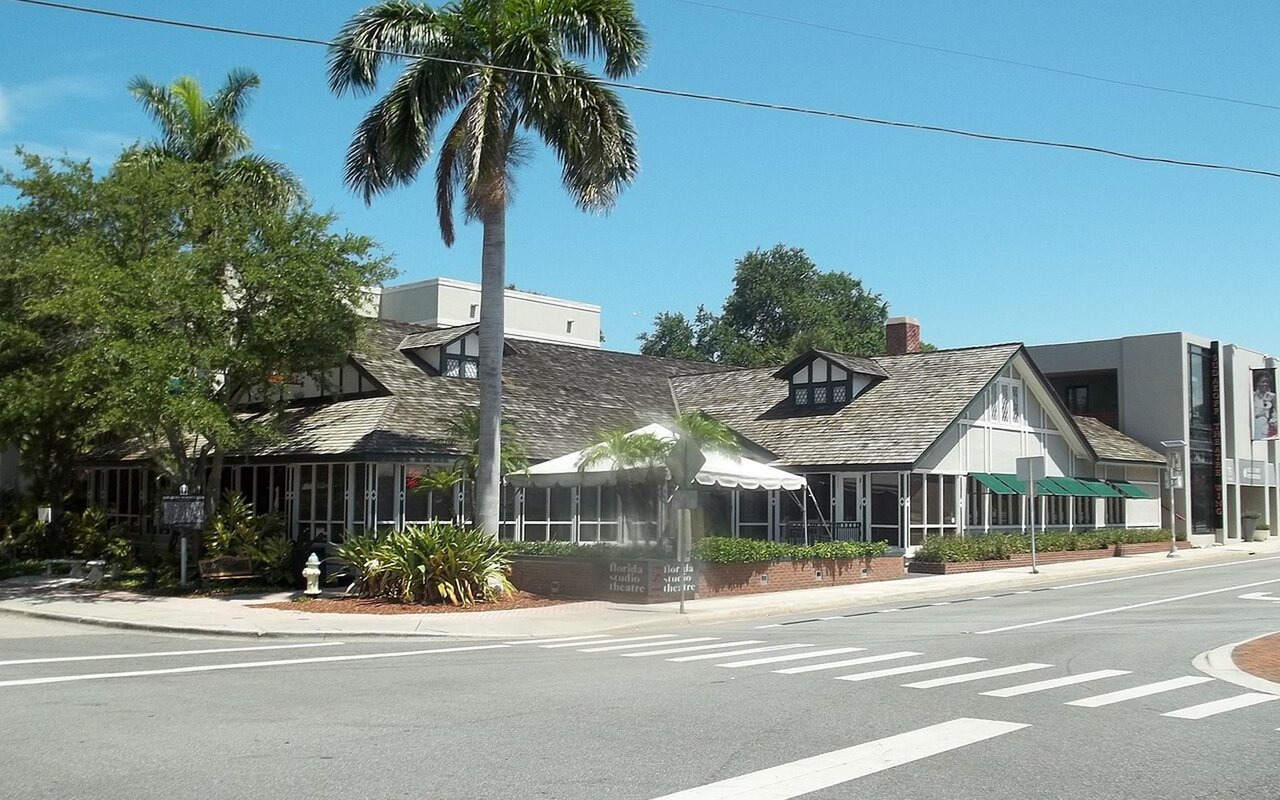
From a touring company in 1973 to five stages around Palm Avenue: the story of FST, its saved 1915 Woman's Club building, and what is playing this season.
sarasota
One master association, 52 sub-associations, and golf courses now leased to Benderson and open to the public: what it means before you buy.
Longboat Key
What Florida entitles you to read, and how long the window stays open
Marina Jack
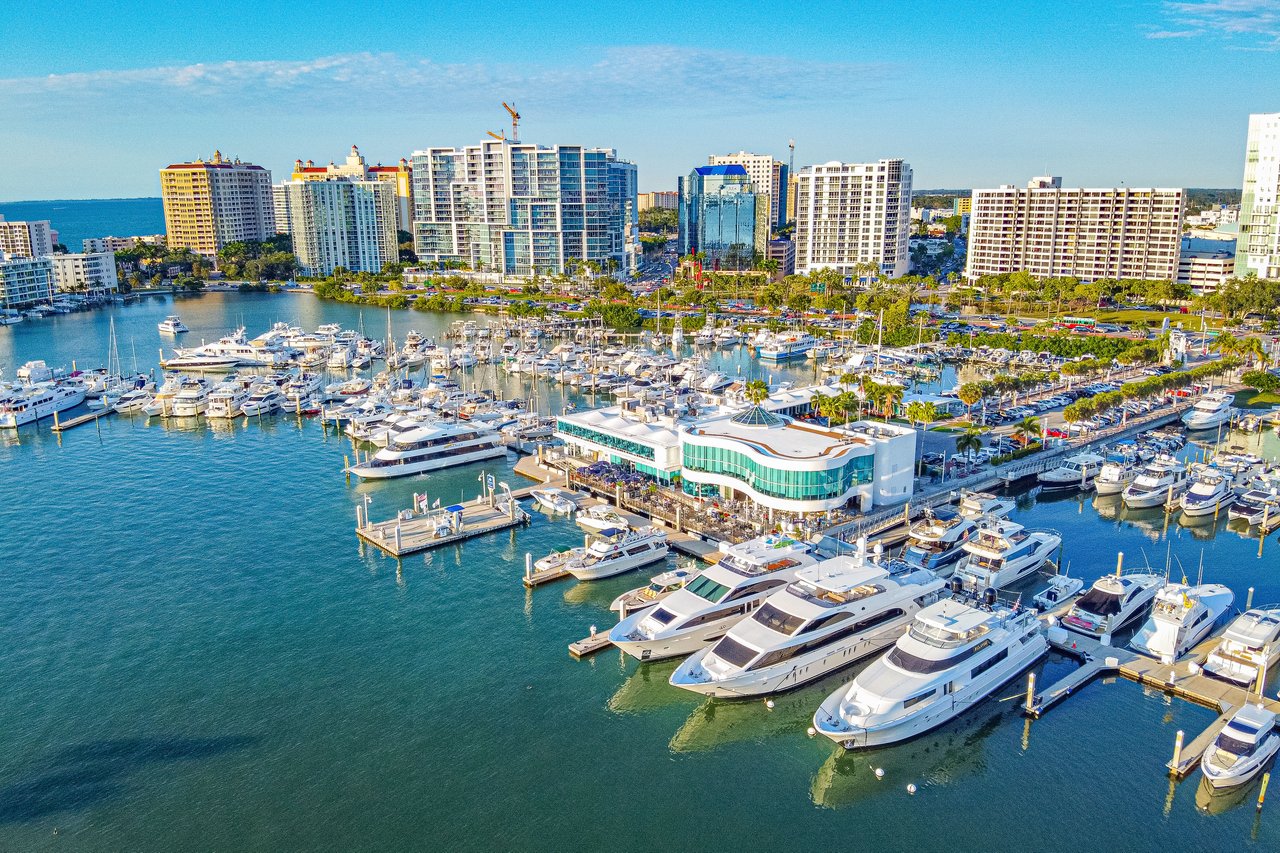
Marina Jack is an open commercial marina on the downtown Sarasota bayfront, operating on city-owned land created by dredge and fill in the late 1950s and leased to a p… Read more

Downtown Sarasota
Nearly sixty years of condominium building on one stretch of the Sarasota bayfront — and what to read before you buy.
sarasota
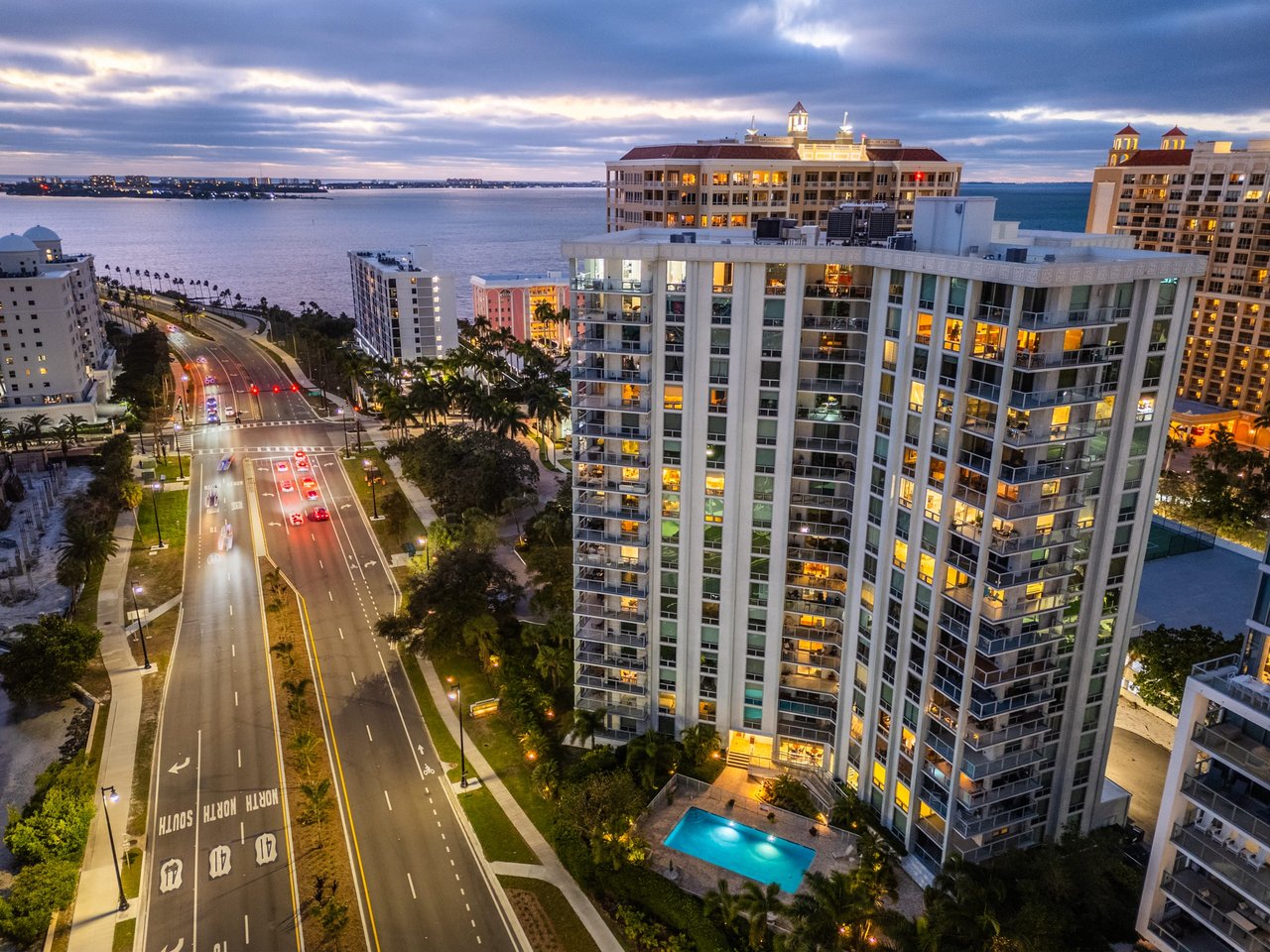
An 18-story 1974 tower at the foot of the Ringling Bridge, through a two-year interior renovation. What it offers, and what to read before you buy.
Sarasota
Which buildings need one, who enforces it, what a seller must hand over, and how long a buyer has to cancel.
Longboat Key
Longboat Key is an island condo market with small sample sizes and seasonal swings, so the buyers who do best read it by building and submarket — not by island-wide av… Read more
Bay Isles
Buying a Condo on Longboat Key: A Resident Broker’s Guide
Local Events
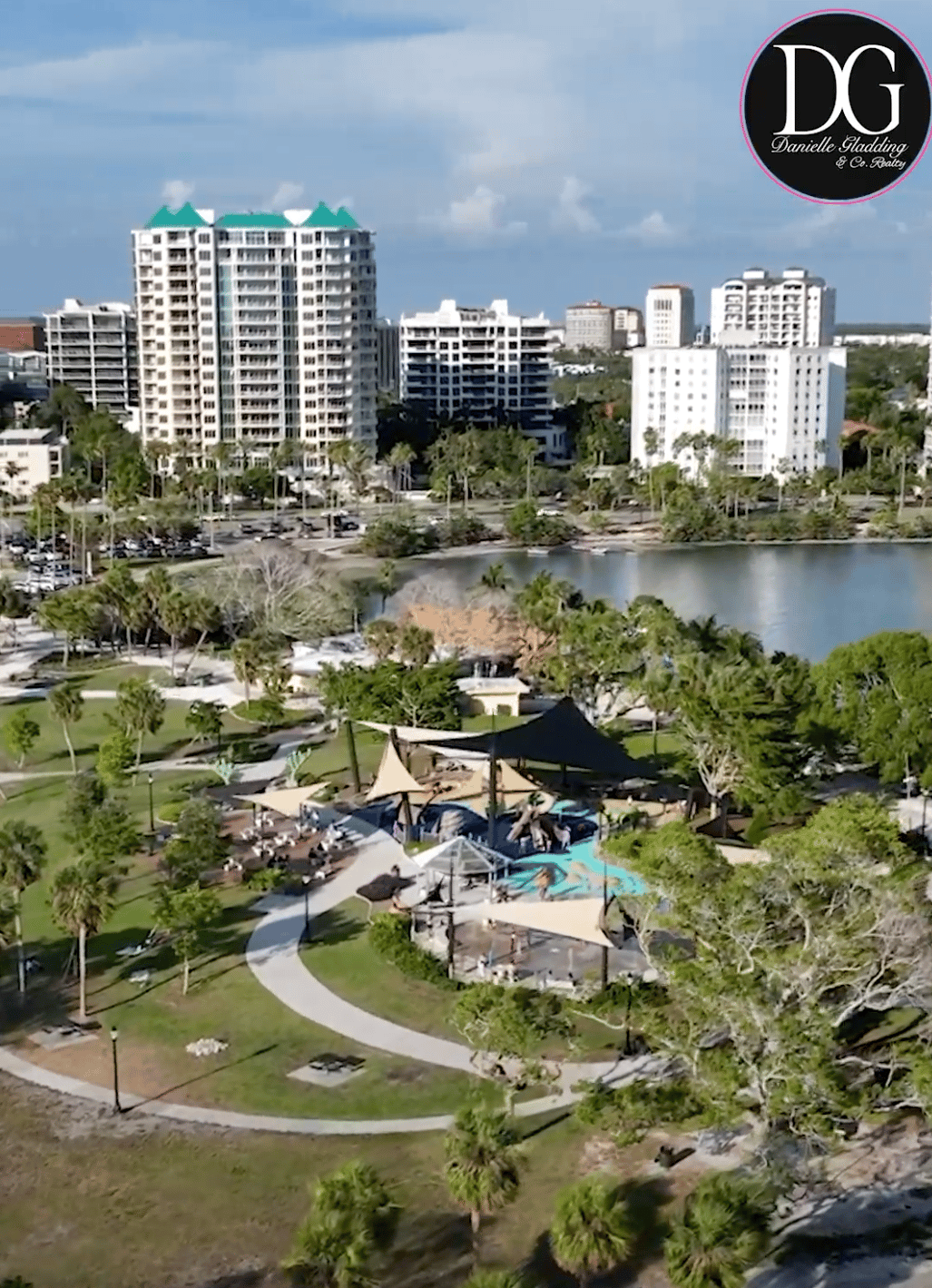
Yoga, kayak tours, Sunday concerts and movies under the stars, all free on 53 acres of Sarasota bayfront, and a month of birthday events this October.
Local Events
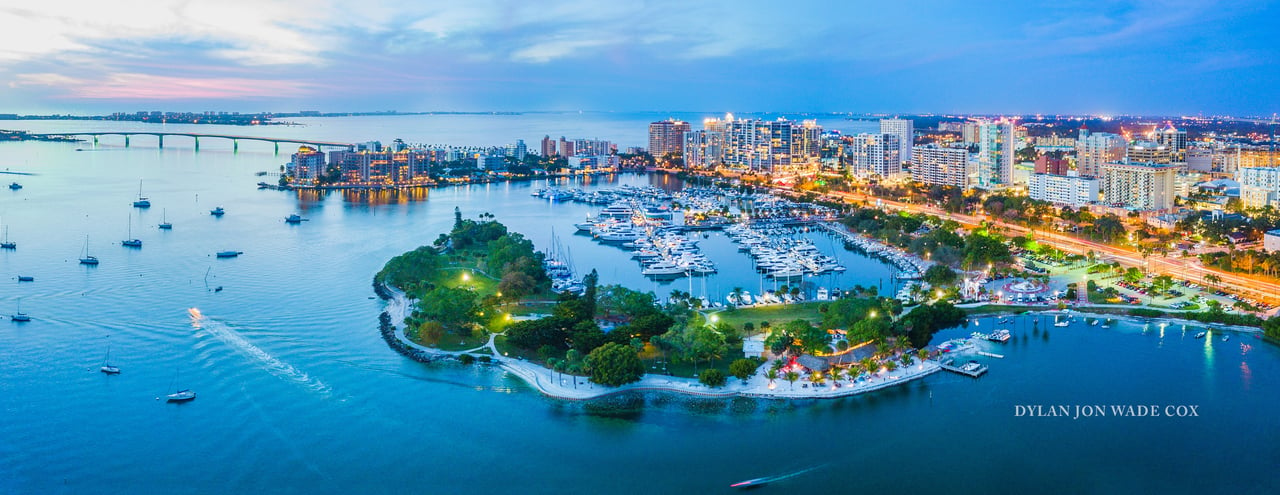
A 26-foot kiss, leaping dolphins, a Kraken on the playground and front-row fireworks, all free at the foot of Ringling Boulevard.
Lakewood Ranch
Two town centers, two counties, and the cost nobody puts in the listing
Downtown Sarasota
Walking the Opera House, Selby Library, Main Street and the Waldorf Astoria site

Buyer Guides
Four decades of condominium building, and a district that isn't finished
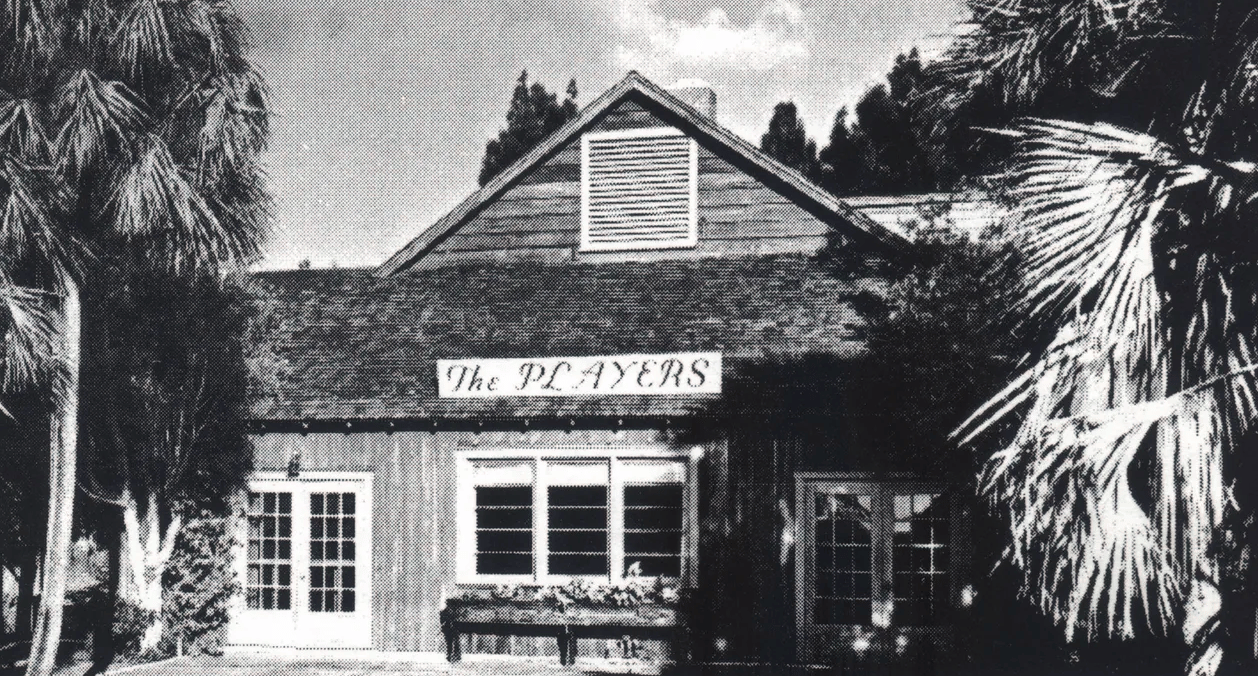
Downtown Sarasota
Eighty years on one corner, six years looking, and a construction site

Sarasota
Marie Selby Botanical Gardens is a 15-acre bayfront botanical garden in downtown Sarasota, created from the home and grounds Marie Selby left to the public and opened … Read more
Longboat Key
Longboat Key sits in two counties, and buyer closing costs differ on each side of the line — including who customarily pays for the owner's title insurance policy.
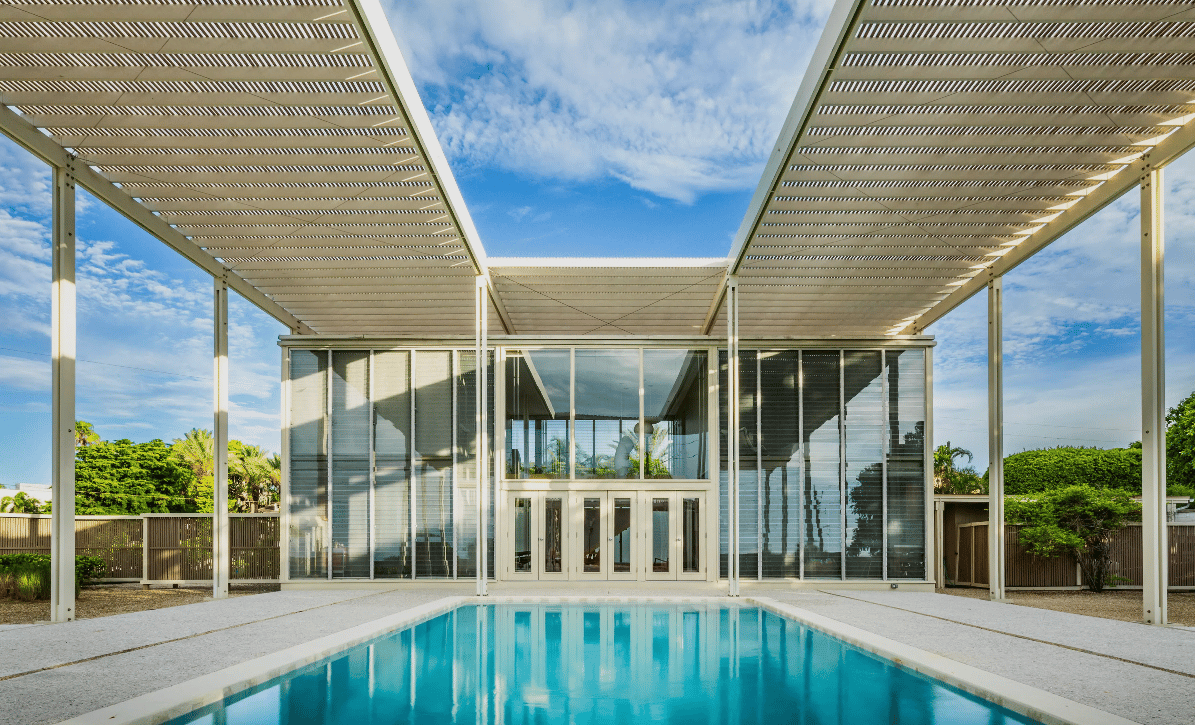
St Armands
Lido Shores is the densest concentration of Sarasota School of Architecture residences in the country — Paul Rudolph, Ralph Twitchell, the Umbrella House. Here is the … Read more

Florida Luxury Real Estate
Sarasota Memorial Health Care System was named one of the nation’s 15 Top Health Systems in 2026, which makes Sarasota’s medicine unusually strong — but your address d… Read more

Bay Isles Beach Club
Harbour Links is an intimate community of 20 units in three buildings inside the gated Bay Isles on Longboat Key, founded in 1989 at 2015 Harbour Links Drive — recentl… Read more

Resort at the Longboat Key Club
Harbour Circle at Longboat Key is a community of 42 contemporary Spanish-style villas at the north end of South Bay Isles — mostly three-bedroom, two-and-a-half-bath h… Read more
Downtown Sarasota
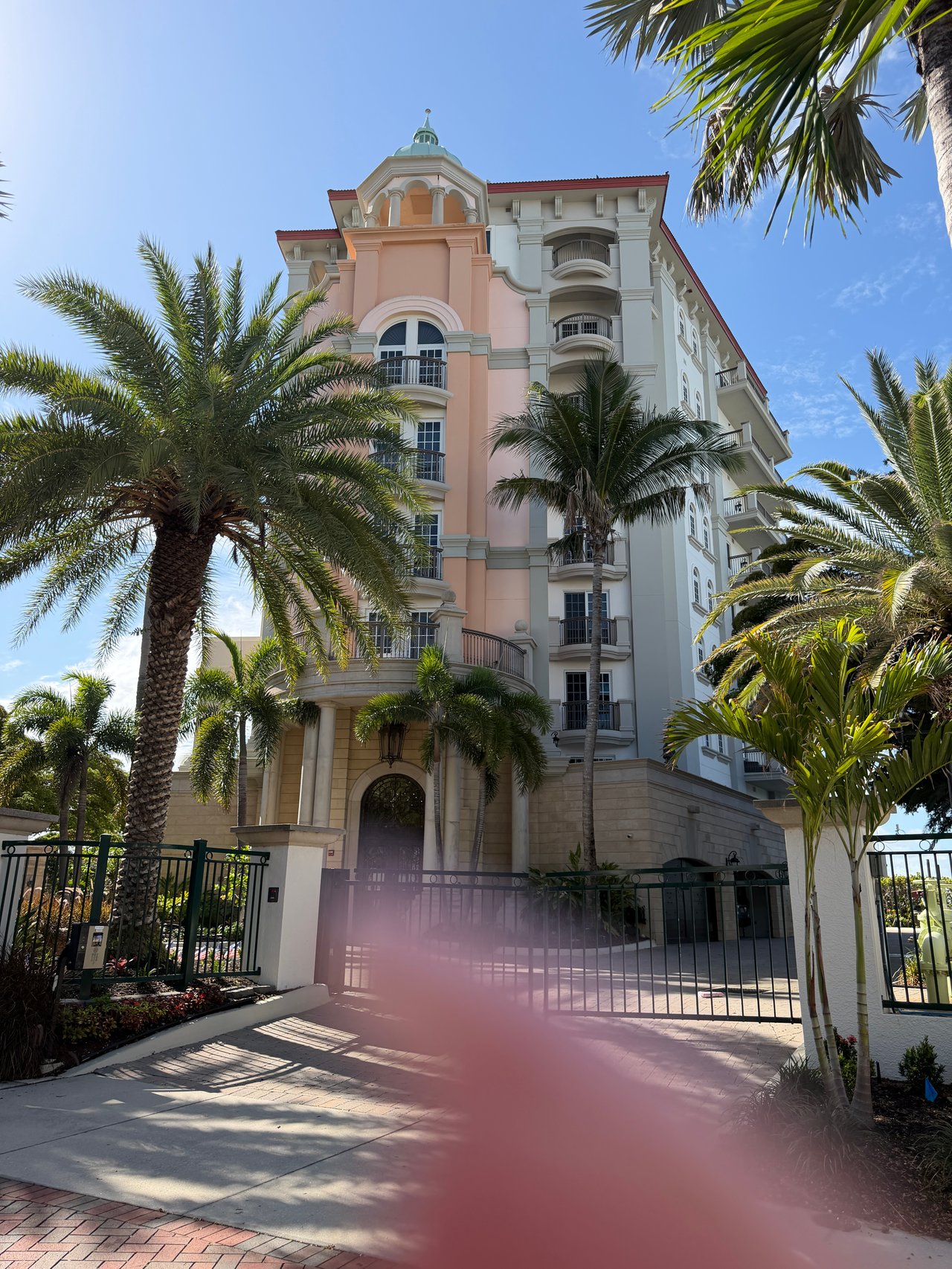
Nine condominium buildings on Golden Gate Point date from 1993 to 2006: Renaissance, Alta Mer, Toscano, The Phoenix, Golden Bay, Majestic Bay, Vista Bay Point, Grande … Read more
Longboat Key
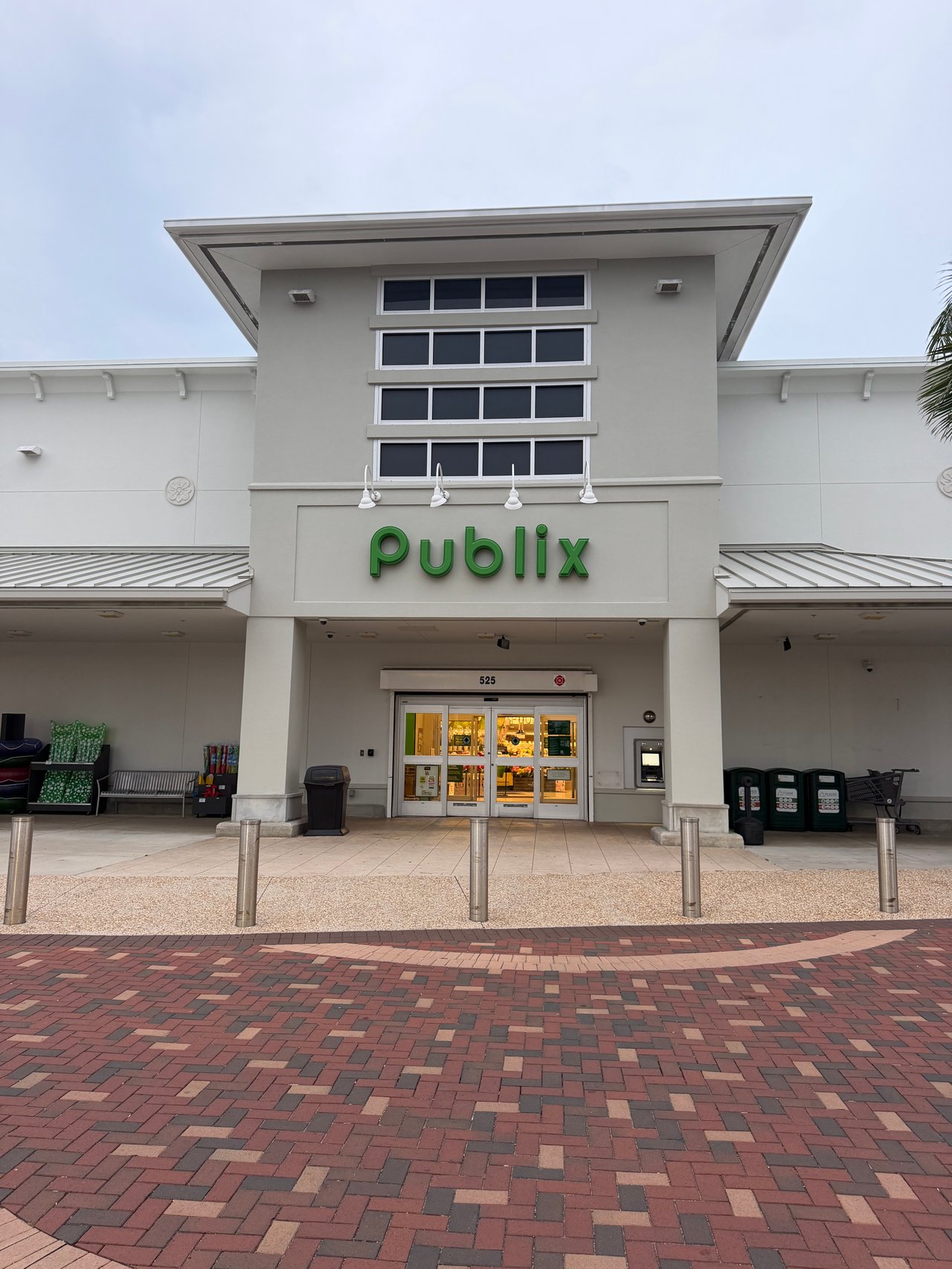
The Shoppes of Bay Isles at 525 Bay Isles Parkway offer everyday convenience for Bay Isles residents — anchored by Publix, with CVS, Chase, Truist, salons, fitness, an… Read more
Longboat Key
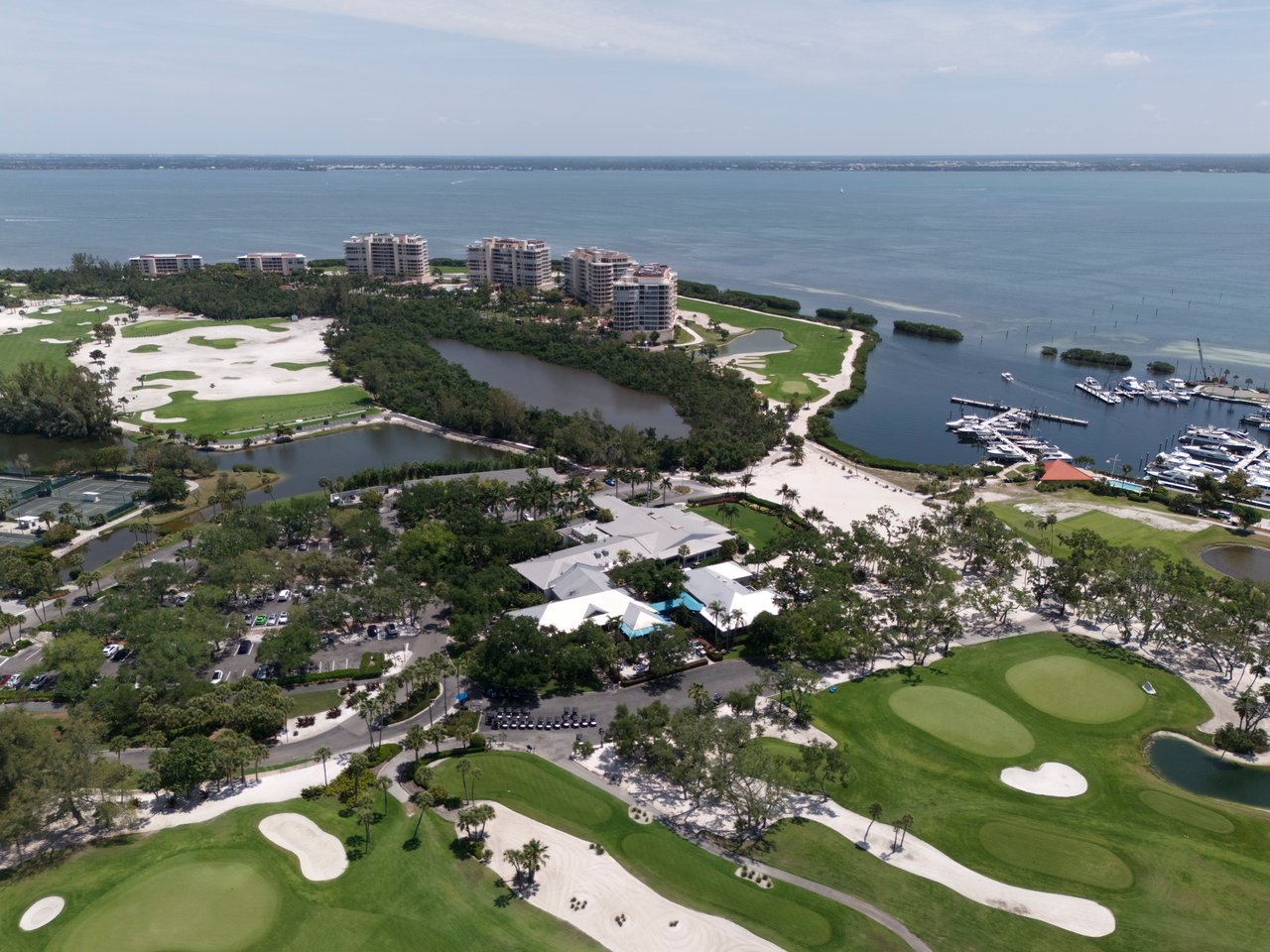
The Atrium at Bay Isles offers two mid-rise towers with 80 spacious condominiums and Sarasota Bay views.
Boating Community Longboat Key
Marina Bay offers spacious condominiums with bay views and marina proximity inside Bay Isles on Longboat Key — the ideal community for boating buyers who want condo si… Read more
Lakewood Ranch
Lakewood Ranch has schools in two districts, the Premier Sports Campus and a walkable Main Street. The islands have beaches, dockage and Gulf access. Here is how the t… Read more
Fairway Bay Condominium
Fairway Bay I & II offers 208 condominiums and townhouses inside Bay Isles on Longboat Key with golf course and water views.
Longboat Key Luxury Homes
Emerald Pointe offers 22 freestanding maintenance-free villas built around 2000 inside Bay Isles on Longboat Key — among the community's newest homes, with open floor … Read more

Downtown Sarasota
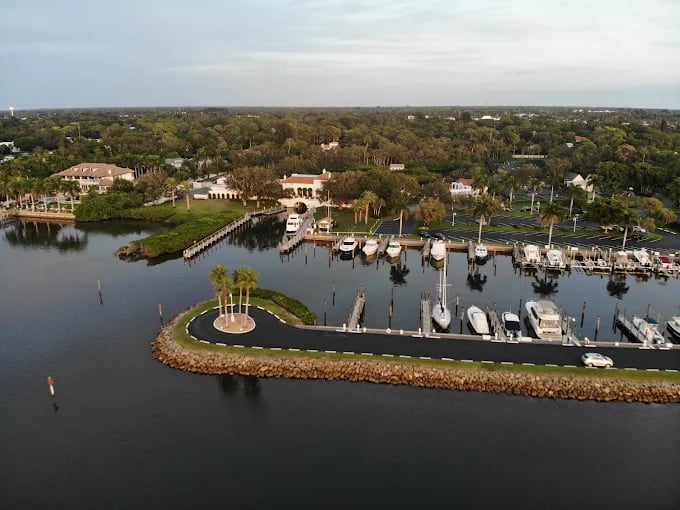
Bird Key Yacht Club is a private club in Sarasota, Florida, founded in 1959 on the ground of New Edzell Castle and built around a marina, dining, tennis and a full soc… Read more
Florida Luxury Real Estate
The Field Club in Sarasota occupies a 1920s David Adler estate on Roberts Bay that Stanley Field sold in 1957 at a restricted price, and only to a buyer who would keep… Read more
Relocating to Sarasota
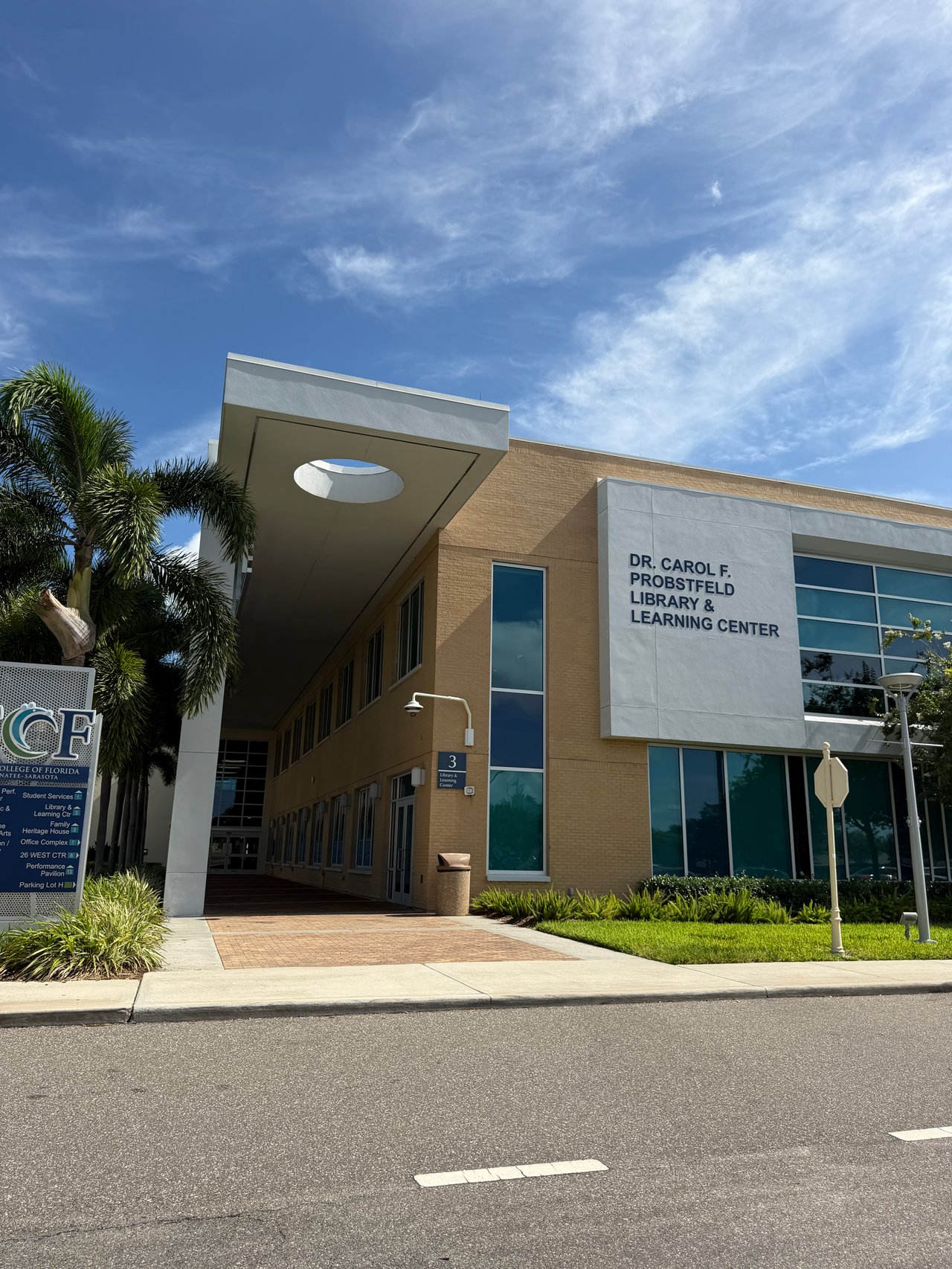
The public college behind our nurses, our technicians and a good share of the workforce — and what newcomers can actually do with it.

Relocating to Sarasota
A county park with a playground and a fishing pier that also happens to be a world championship rowing venue.

McClellan Park
South Poinsettia Park is called Sarasota's Flower Streets because its 1920s developers gave the roadways a botanical theme, then used pioneer family names where the fl… Read more

Sarasota Yacht Club
The Sarasota Yacht Club was incorporated on June 21, 1926, and marked its centennial in 2026 with an approved clubhouse expansion and a full replacement of its marina … Read more

Sarasota
Five thousand rescue calls a year, twelve hundred birds treated, and a free Bird Walk most people drive past without noticing.
Bay Isles
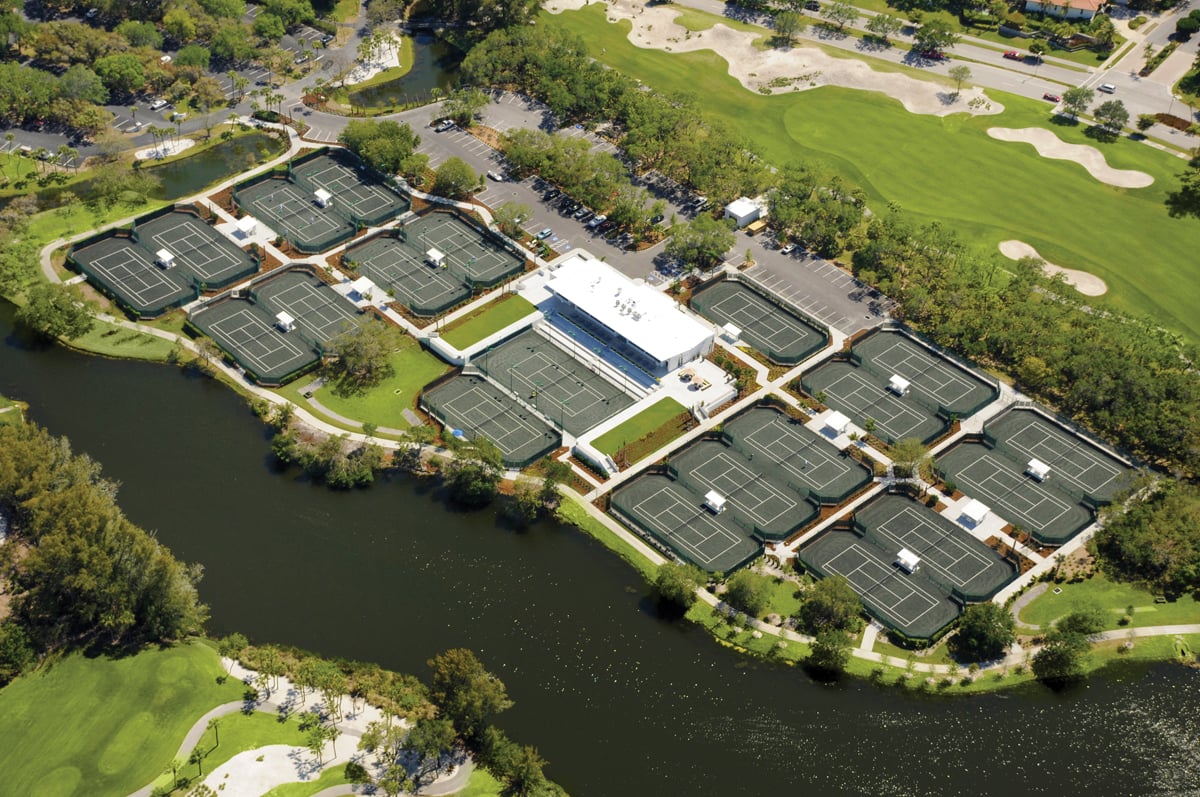
The Tennis Gardens at the Resort at Longboat Key Club holds 20 Har-Tru clay courts plus pickleball, with daily clinics and a match-arranging service open to members an… Read more
Relocating to Sarasota
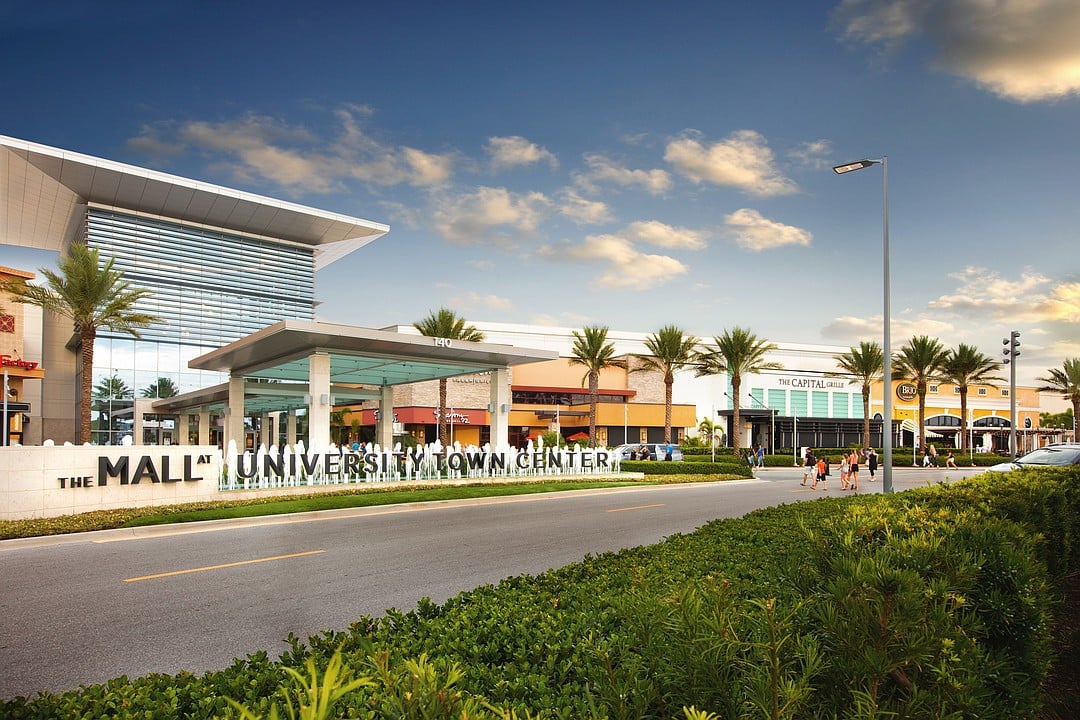
Roughly 880,000 square feet inside a 276-acre district — and the reason this region's center of gravity moved inland.
Sarasota
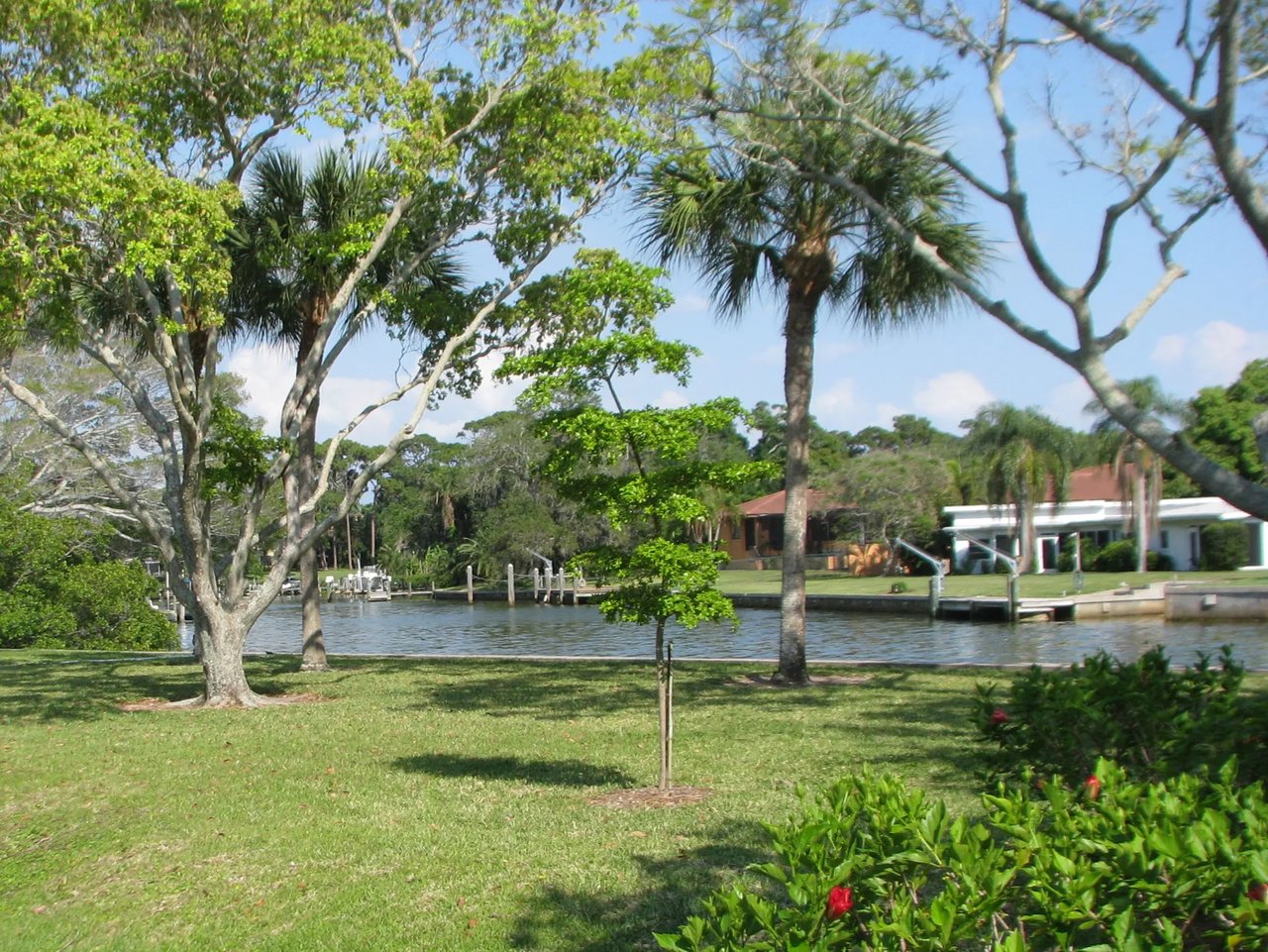
Oyster Bay Estates in Sarasota took shape in the early 1950s on the east shore of Roberts Bay, around a 1920s Chicago winter estate that had already become the private… Read more
Longboat Key Homes with Boat Docks
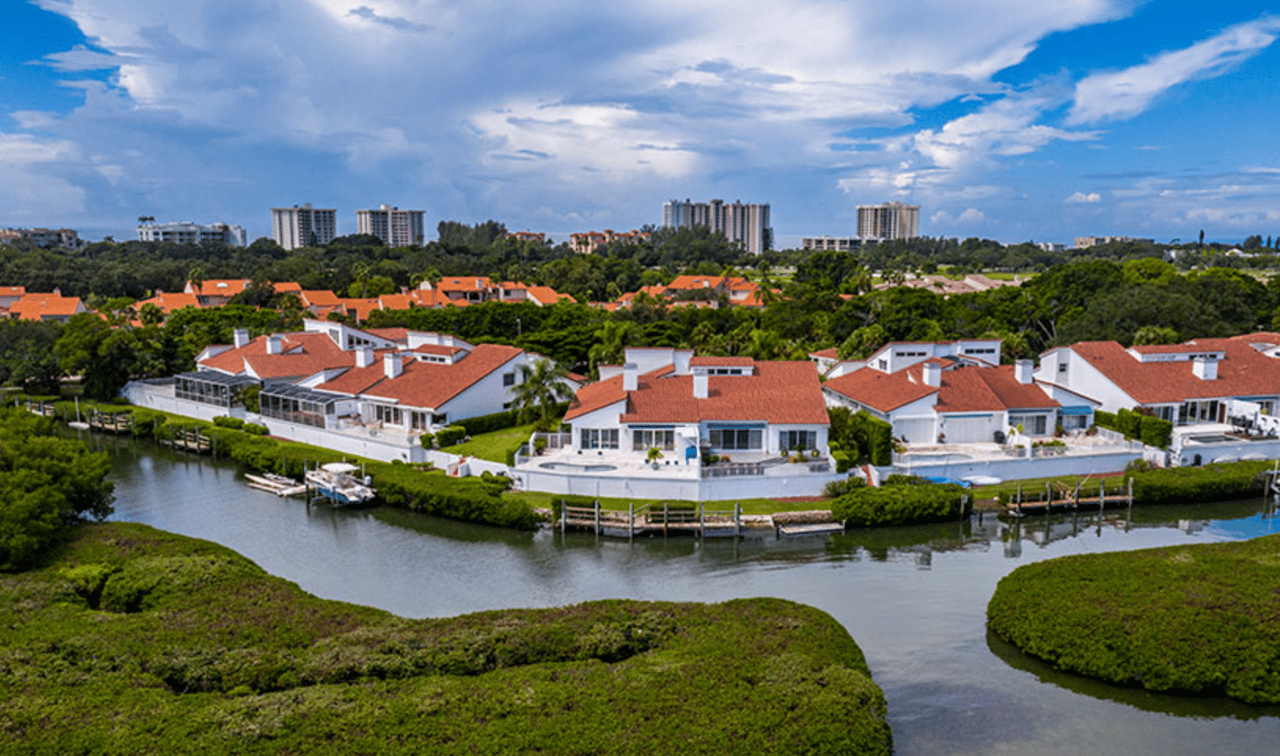
Harbour Court is a waterfront association of only 18 homes inside the gated Bay Isles on Longboat Key, with expansive 180-degree Sarasota Bay views — each home has a p… Read more
Luxury Homes
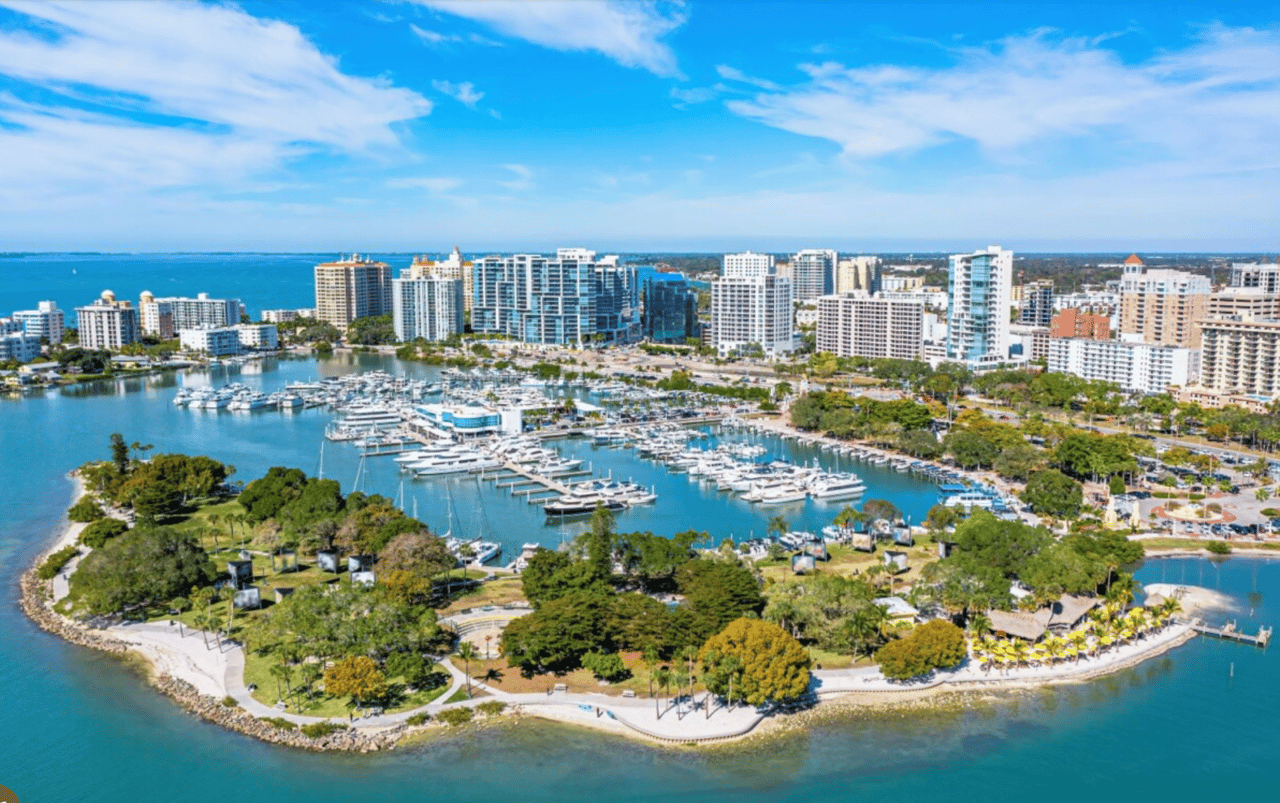
Danielle Gladding has sold Sarasota luxury real estate since 1981; with daughter Alison Kanter she covers every premier waterfront address in the market.

Florida Luxury Real Estate
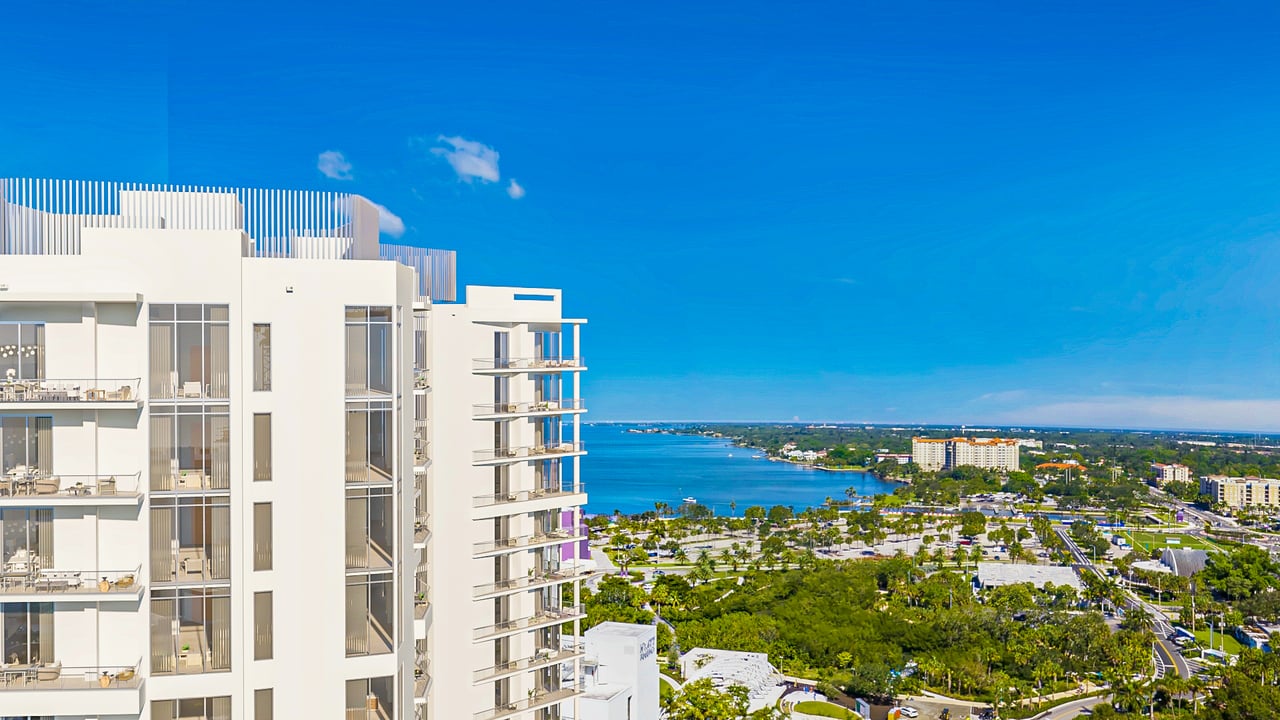
The Ritz-Carlton in Sarasota is not one building: it is a hotel, residences downtown and at The Quay, a private Beach Club on Lido Key, and a Tom Fazio golf course.
Relocation
Taxes, insurance, groceries, dining, culture — and everything here that costs nothing.
Longboat Key
Where Privacy, Nature, and Estate Living Meet on Longboat Key

Danielle Gladding
Danielle Gladding has lived in Bay Isles, served the community as a Kiwanis president, guided buyers and sellers since 1981, and is the broker whose husband serves as … Read more
Lifestyle
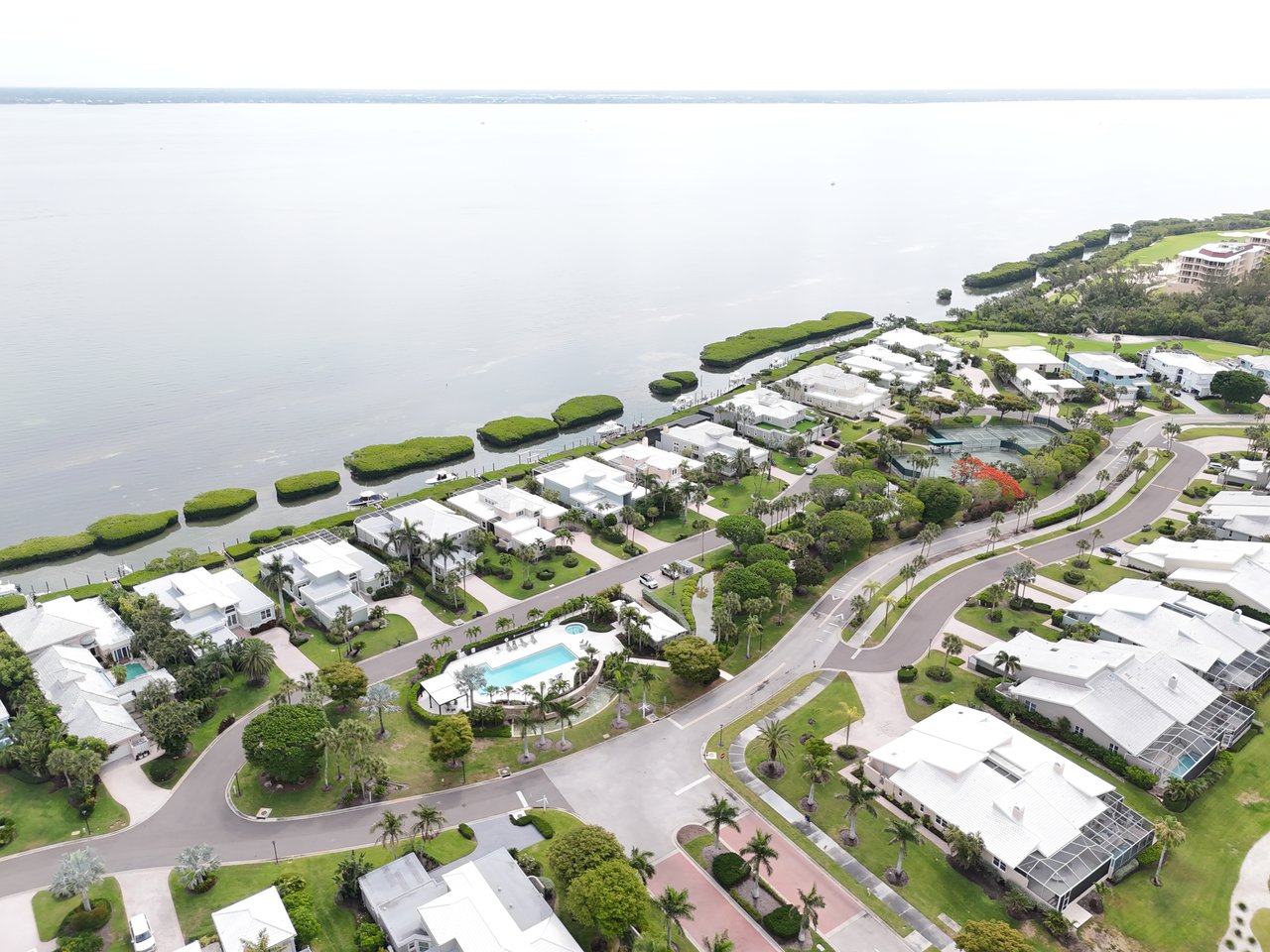
A good Longboat Key scouting trip tests the island at four different hours and in more than one season, because the barrier island that charms you at sunset can drive … Read more
Downtown Sarasota
They share a bridge, a zip code, and a way of life — but the buyer who belongs on Lido is not the buyer who belongs on St. Armands. Here’s how to tell the difference.
Harbor Acres
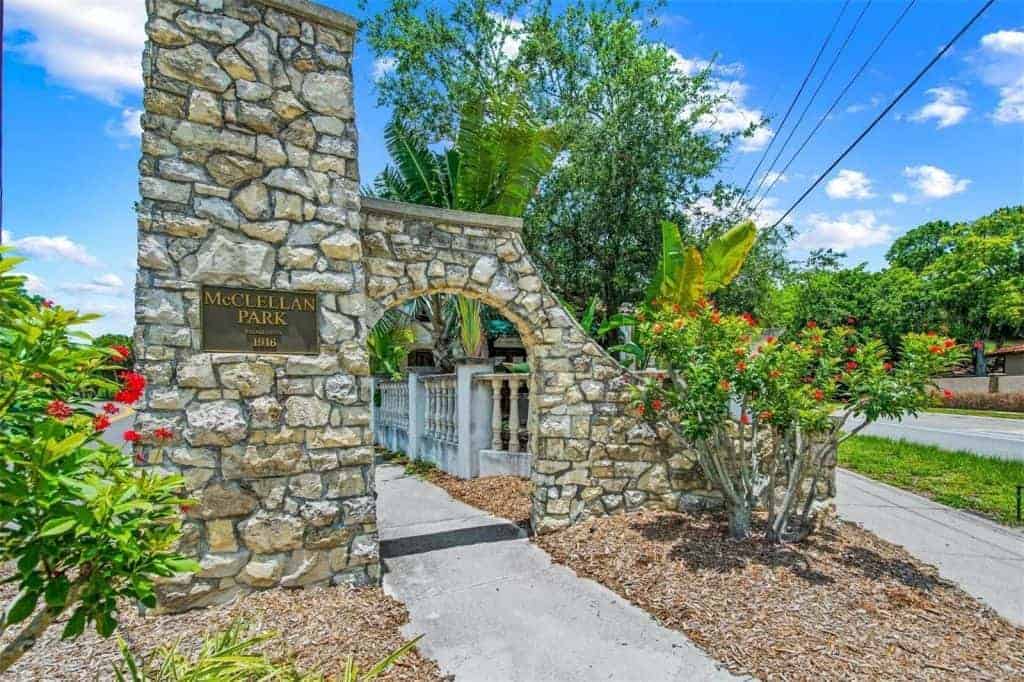
Sisters Katherine and Daisietta McClellan laid out McClellan Park in 1915 and 1916, hiring landscape architects and taking the street names from a Calusa shell mound.
Florida Luxury Real Estate
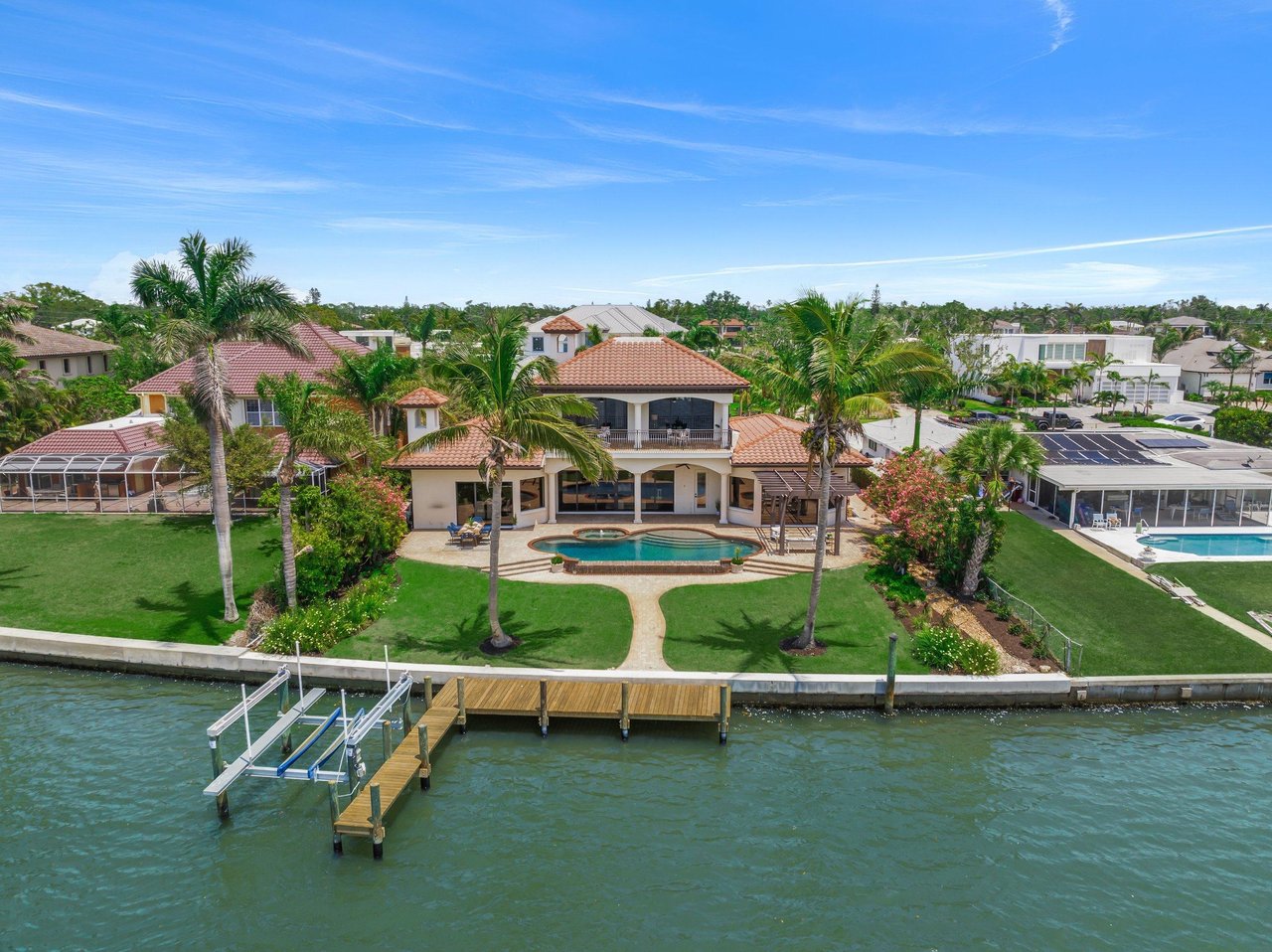
San Remo Estates in Sarasota was platted between 1953 and 1956 by Roy Construction Company, which filled roughly thirty acres of Sarasota Bay bottom to create the neig… Read more
Downtown Sarasota
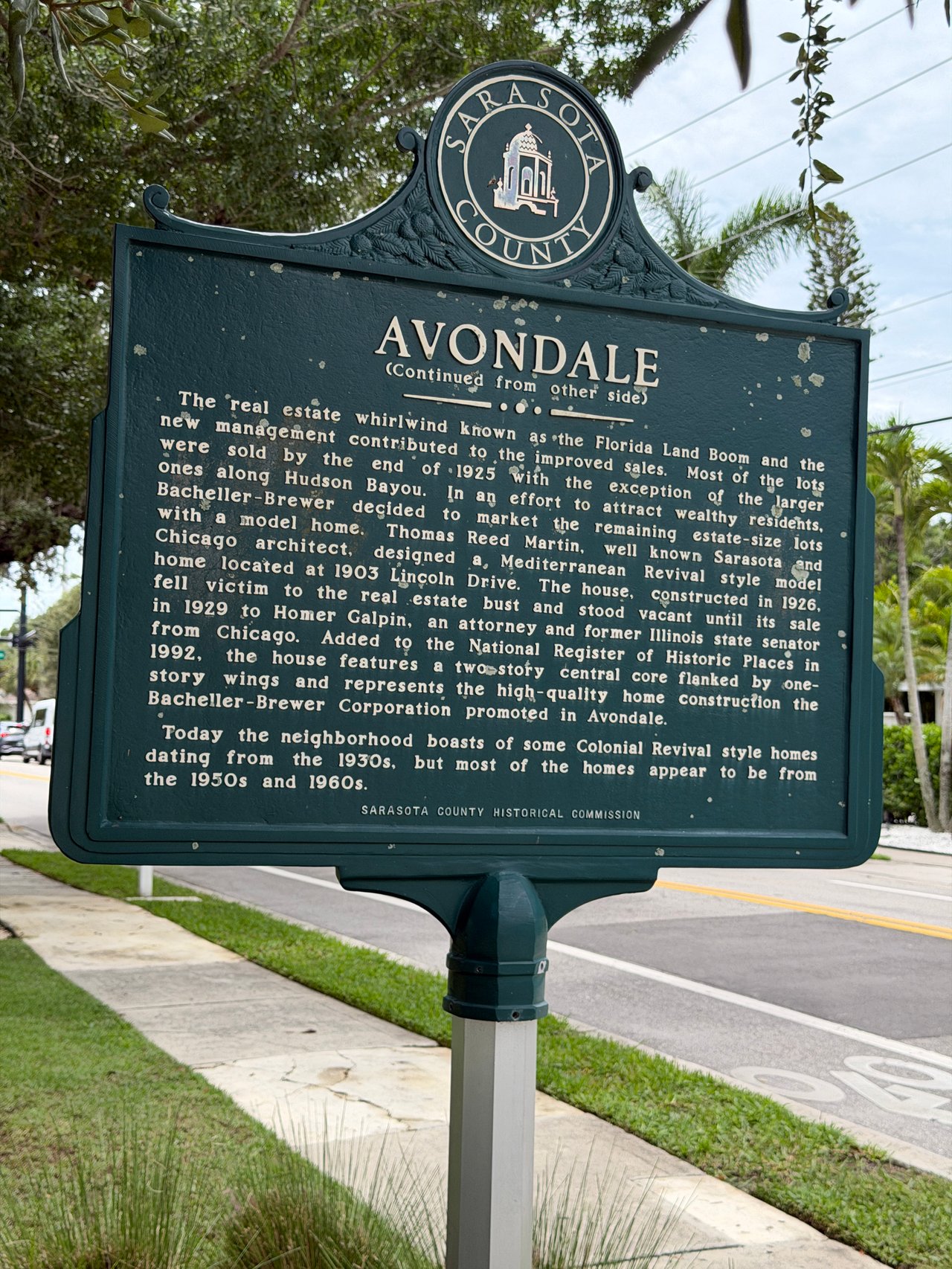
Avondale was first platted in 1914 as workforce housing that failed to sell, then re-platted in the 1920s by the Bacheller-Brewer Corporation as one of Sarasota’s most… Read more

Downtown Sarasota
Southside Village is Sarasota's oldest shopping district — two walkable streets behind Sarasota Memorial Hospital, anchored by Morton's Market and ringed by West of th… Read more
Manatee County
Sara Bay opened in 1926 as a Donald Ross course built to sell lots — and what that century-old model still teaches a buyer walking into a sales center today.

Longboat Key
Longboat Key dining has separated into two tiers in 2026 — an ultra-luxury layer at the south end anchored by The St. Regis, and an expanding locals-first scene throug… Read more
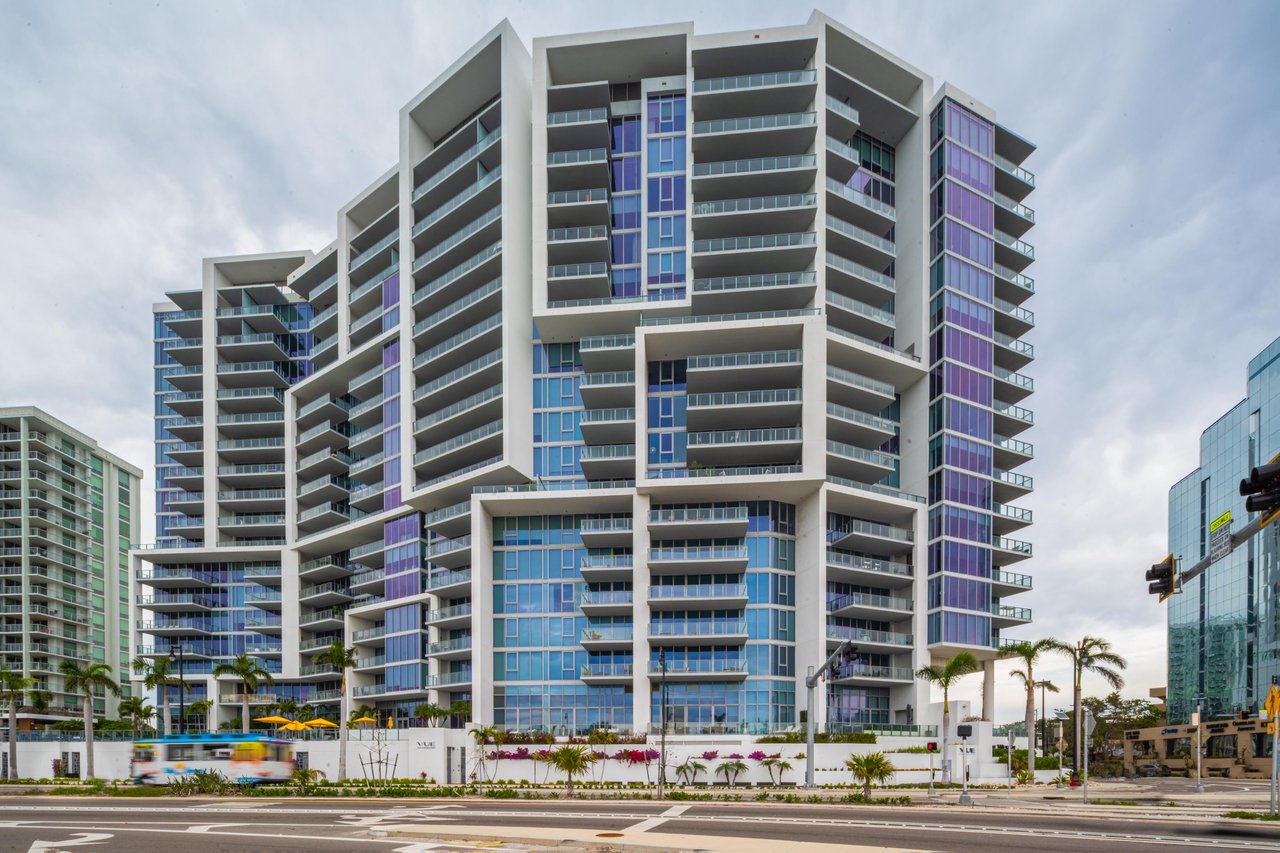
West of the Trail
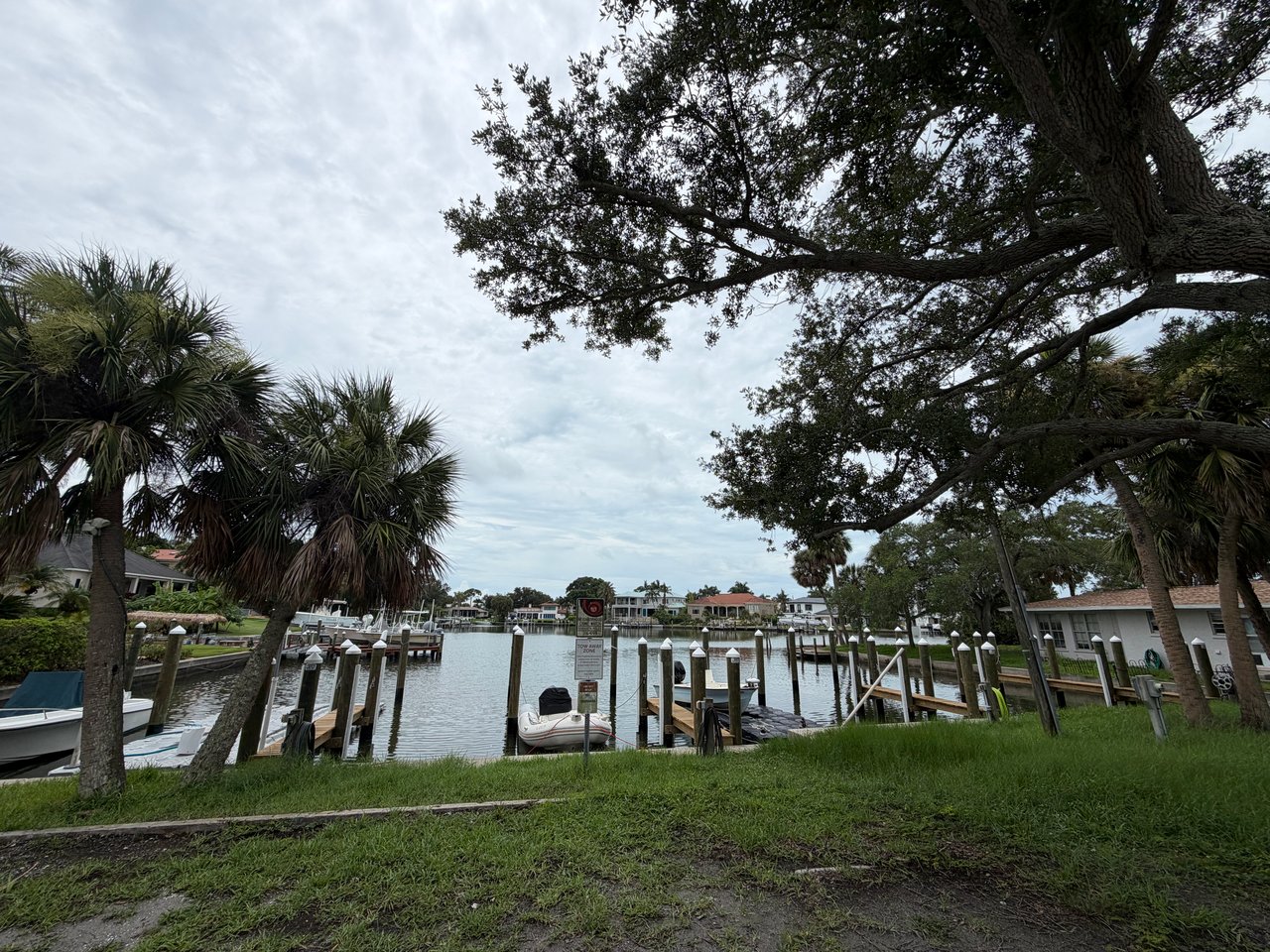
Bay Point Park in Sarasota has a shared boat basin owned by its neighborhood association, described in state lease records as a nine-slip facility serving roughly fort… Read more
Downtown Sarasota
Harbor Acres is a waterfront neighborhood west of the Trail in Sarasota, minutes from downtown and Sarasota Memorial Hospital, where most original 1950s ranches have g… Read more
Florida Luxury Real Estate
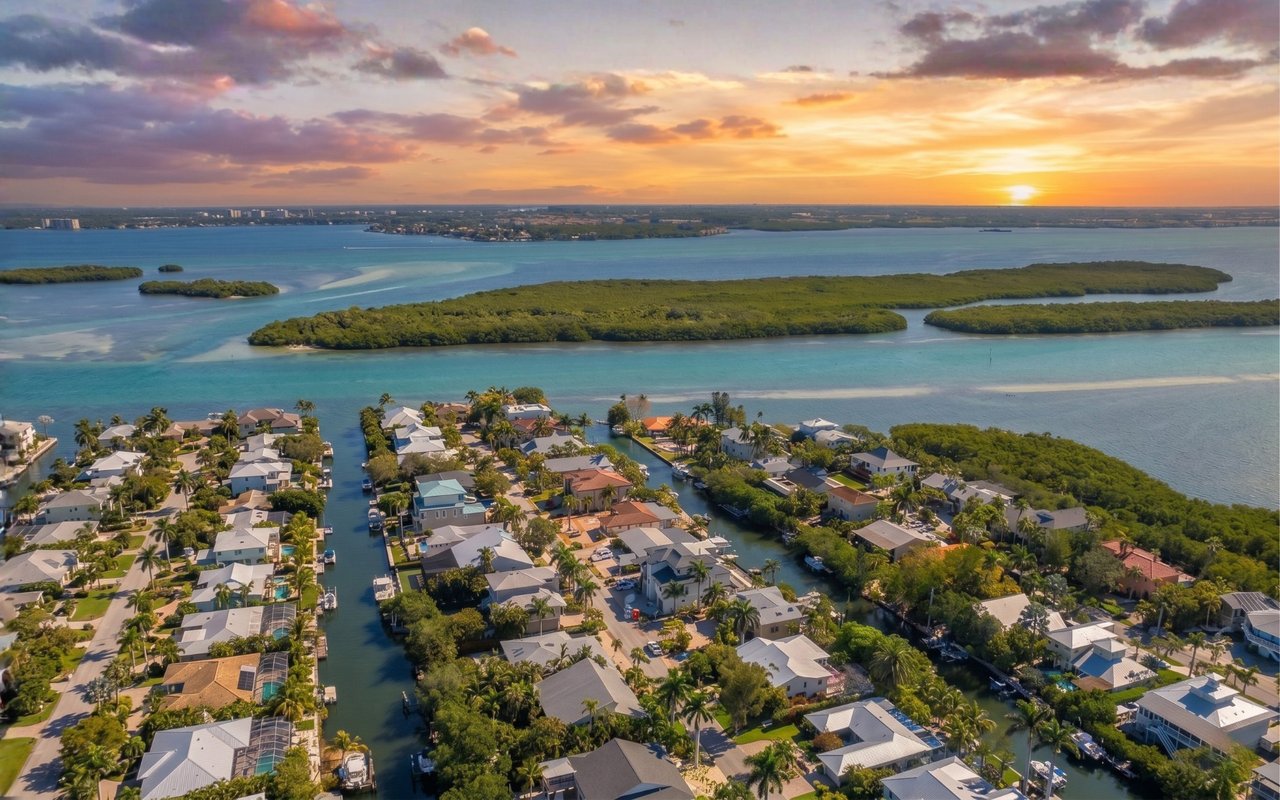
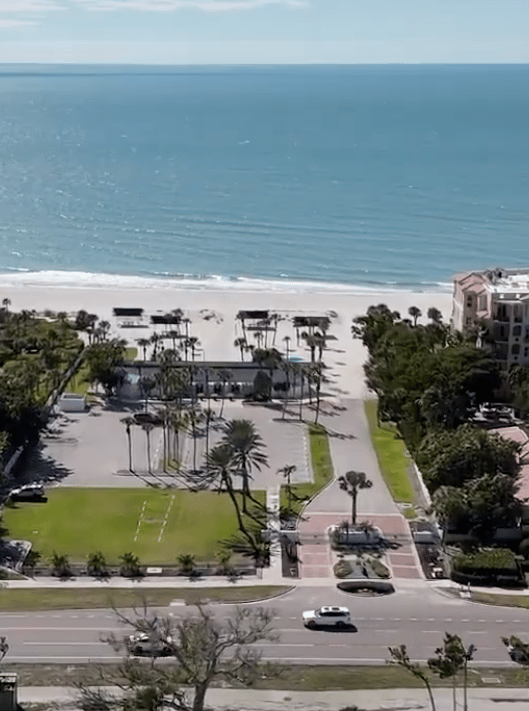
The Bay Isles Beach Club at 2111 Gulf of Mexico Drive is a private, resident-only Gulf beach facility, and every home inside the Bay Isles gates on Longboat Key carrie… Read more
Get assistance in determining current property value, crafting a competitive offer, writing and negotiating a contract, and much more. Contact Us today.