Are Older Condos on Golden Gate Point a Good Buy?
Pier 550 Danielle Gladding & Alison Kanter, MBA July 31, 2026
Pier 550 Danielle Gladding & Alison Kanter, MBA July 31, 2026
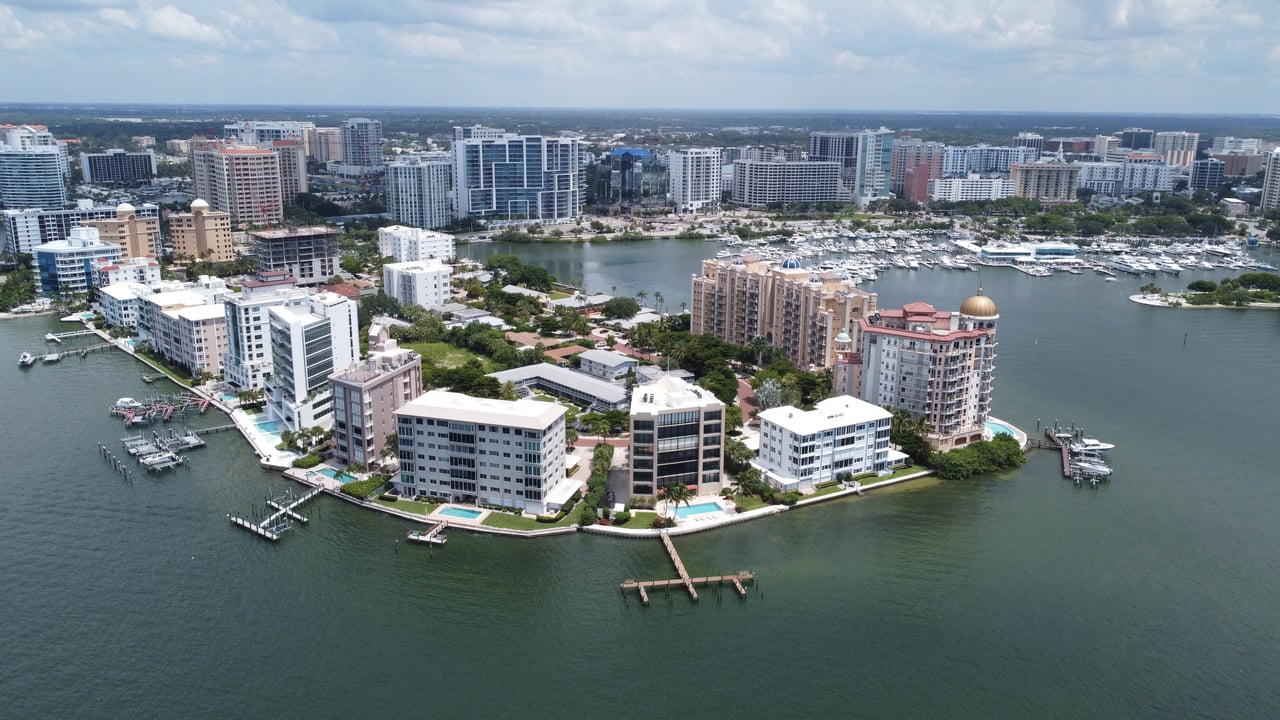
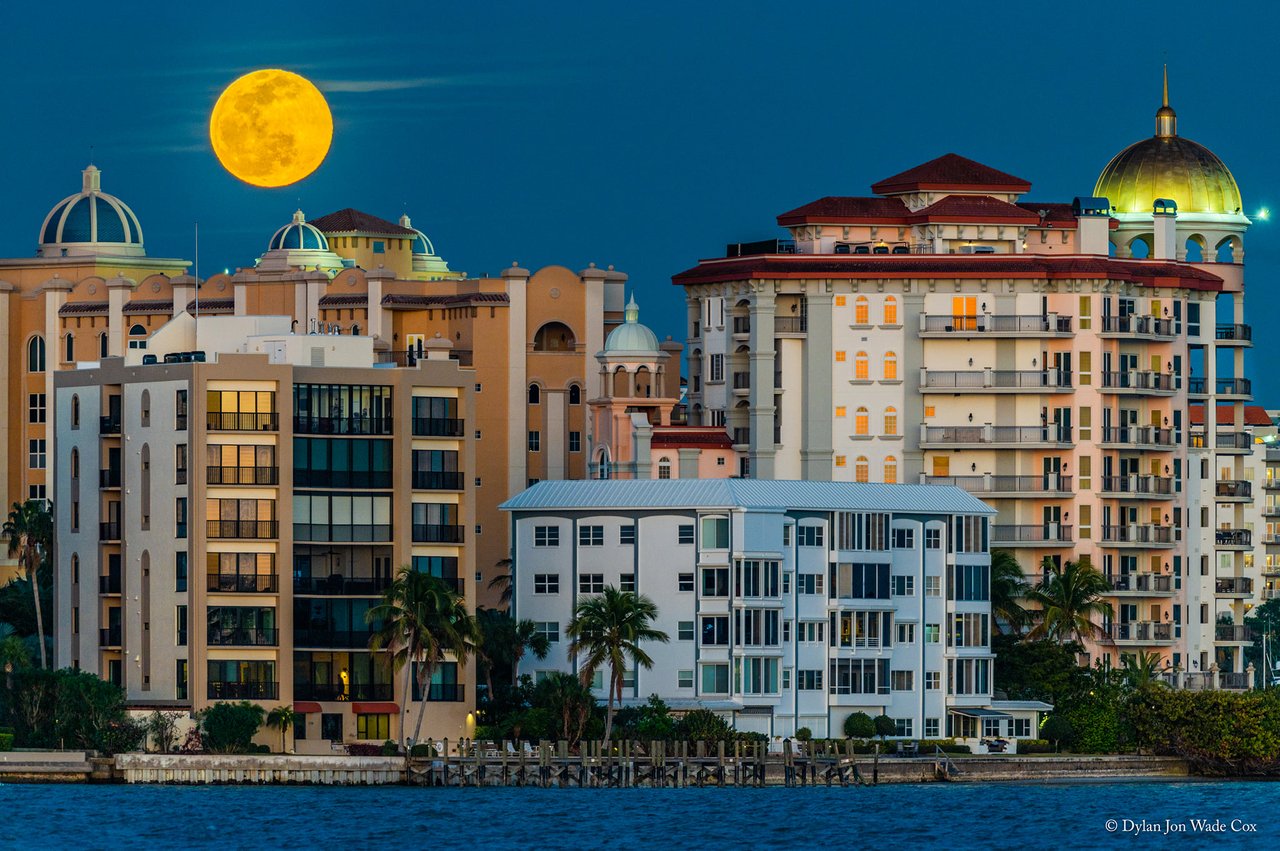
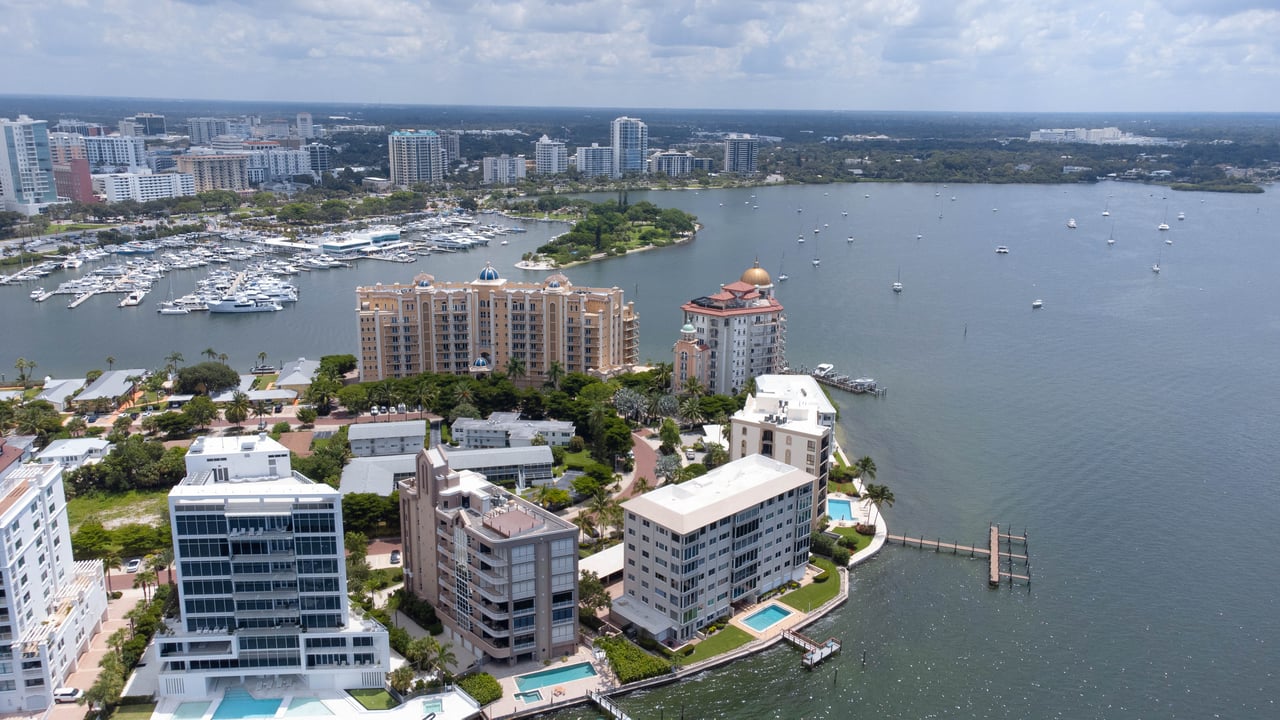
Walk the length of [Golden Gate Point] and you will pass sixty years of Sarasota building history in about ten minutes. A low-rise from 1962 with a fishing pier and assigned parking. A glass tower from the 2020s with a wine room and concierge. Same bay, same peninsula, same walk to Main Street — often with a substantial difference in price per square foot.
Buyers ask about that gap constantly, and the question always comes in two parts: which of the older buildings are actually worth buying, and what are they even called? Listing sites rarely give a straight answer to the second, because it takes firsthand knowledge of the peninsula.
The Six Original Buildings on Golden Gate Point
— Harbor View — 650 Golden Gate Point, built 1962, 14 residences
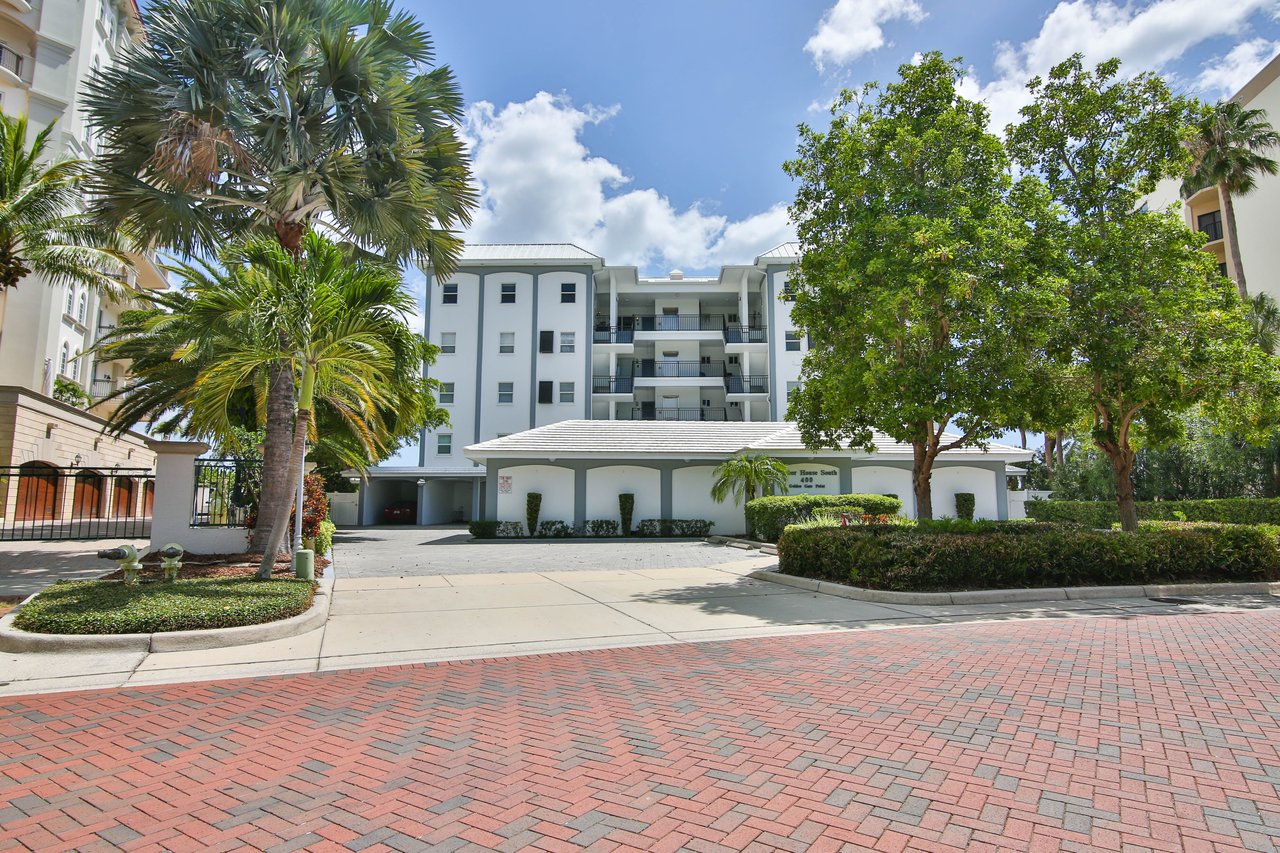
— Harbor House South — 400 Golden Gate Point, built 1965, 13 residences
— Harbor House — 174 Golden Gate Point, built 1967, 13 residences
— Harbor House West — 226 Golden Gate Point, built 1968, 24 residences
— Bay Point — 350 Golden Gate Point, built 1969, roughly 18 residences
— Marina View — 660 Golden Gate Point, built 1970, 8 residences
A seventh belongs on the list historically. Pier 550, at 550 Golden Gate Point, dated to the late 1940s and early 1950s and was the oldest building on the peninsula until it was bought out and demolished. We come back to it at the end, because it explains something the other six cannot.
Between them these six hold roughly ninety residences. That is the entire supply of original housing stock on Golden Gate Point, and it does not increase. Whatever you buy here, you are buying out of a fixed pool of about ninety doors on a 22-acre peninsula — which is the part of the value argument nobody makes out loud.
One By One
Harbor View — 650 Golden Gate Point, 1962
The oldest survivor, and one of the smallest: fourteen residences running from roughly 1,830 to 2,790 square feet, with the penthouse at the top of that range. A gated entry, a heated pool, a fishing pier, assigned under-building parking and deep-water dockage. The floor plans here are larger than the building’s age would lead you to expect, which is a good part of why it holds value. Harbor View also went through a complete renovation in 2006 — worth asking about in detail, because a renovation of that scope changes what you are actually buying.
Suits the buyer who wants square footage and a real boat, and who does not want to feel like they bought an old building.
Harbor House South — 400 Golden Gate Point, 1965
Thirteen residences from roughly 1,200 to 2,700 square feet, all two-bedroom, two-bath layouts, with a southern position that opens onto Sarasota Bay, the Ringling Bridge and [Bird Key]. A pool, a barbecue area, a fishing pier, community boat docks and garage parking. The wide spread between the smallest and largest floor plans is unusual in a building of thirteen residences, and it means the pricing here spans a wider band than the address alone would suggest.
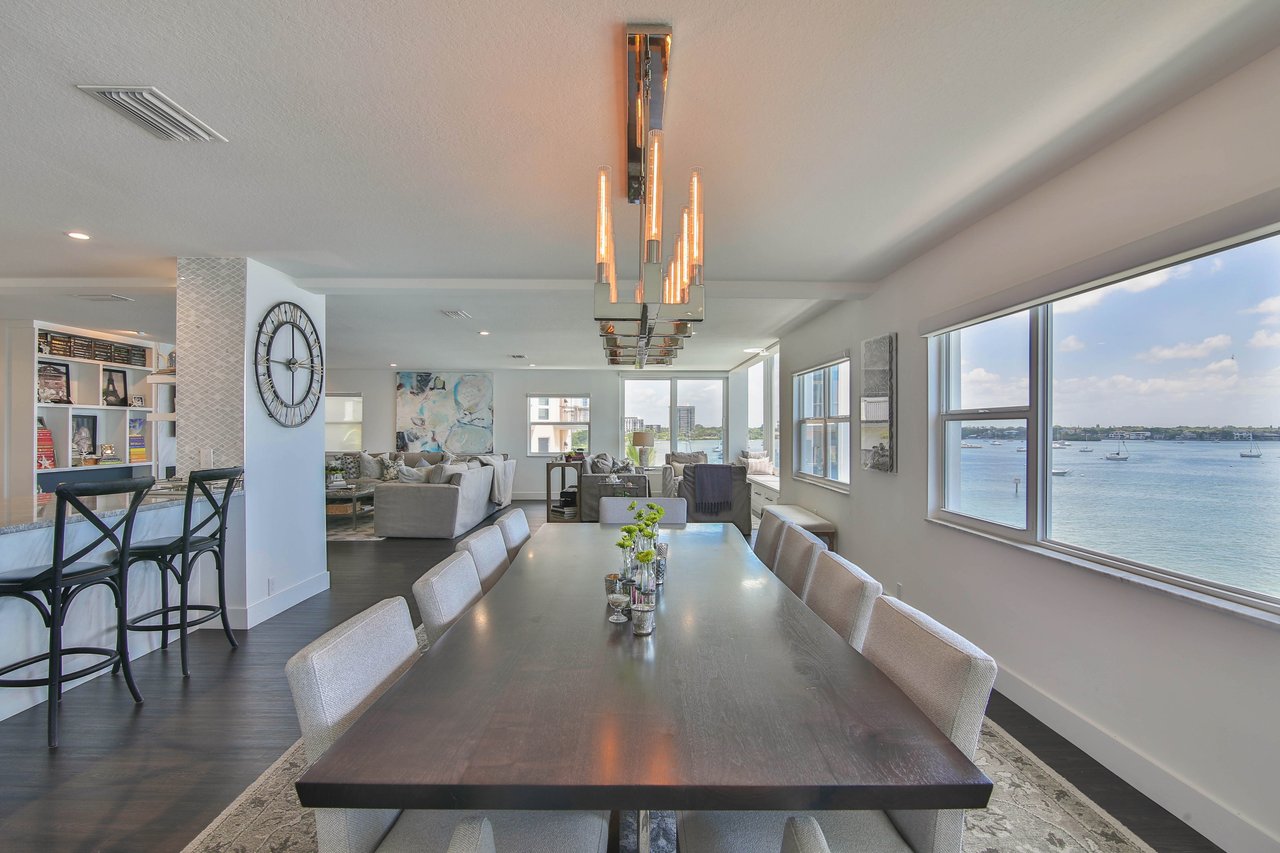
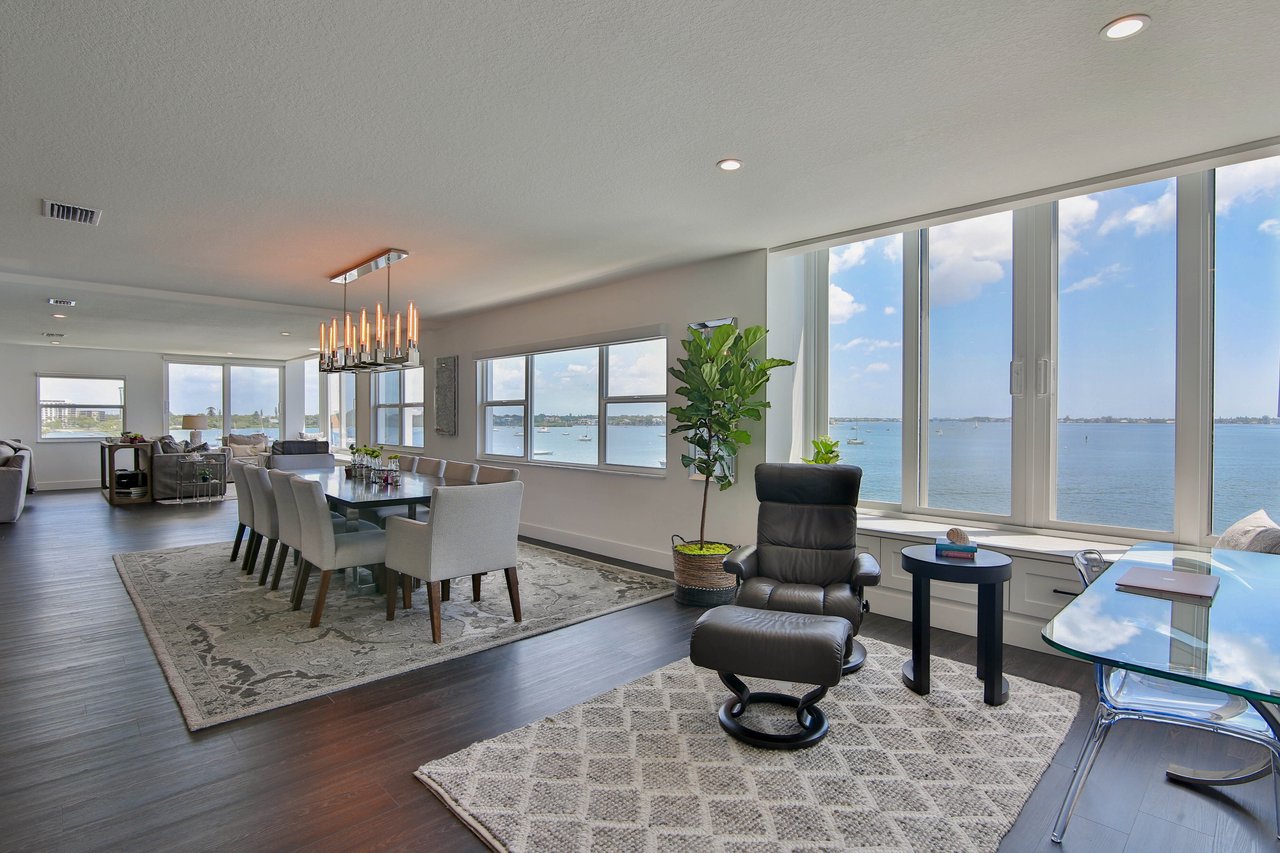
We know this building from the inside. Danielle has renovated a residence at Harbor House South herself — not walked through one, not sold one, renovated one — which means we can tell you what the walls are made of, how the building handles a work order, what the board asks for before you start and roughly what a full renovation costs per square foot in a building of this vintage. That is a different kind of knowledge than a listing agent has, and on a sixty-year-old building it is the knowledge that matters.
Suits the buyer who wants the southern view and is flexible on size.
Harbor House — 174 Golden Gate Point, 1967
Thirteen residences in the 1,200 to 1,300 square foot range, with boat docks, carports and a fishing pier. The most consistent floor plans of the six — nearly everything here is the same size, which makes comparable sales unusually clean and pricing easier to read. It sits at the entry end of the peninsula’s range. The building has been through a significant round of upgrades in the past fifteen years or so; ask for the scope of that work, what it covered and what it cost per residence, because that history is exactly what separates a well-run older building from a deferred one.
Suits the buyer who wants the smallest sensible entry point onto the Point, and a lock-and-leave second home.
Harbor House West — 226 Golden Gate Point, 1968
The largest of the originals: twenty-four residences across seven stories, mostly two-bedroom layouts from about 1,306 to 1,823 square feet, on the western shore with the sunset views and the Ringling Bridge in the frame. A heated pool, a fitness area, a social room and first-come boat slips. One pet with a weight limit at this time, and a three-month minimum lease at this time. Twenty-four owners is enough to spread a major repair across a meaningful number of doors — a real advantage in a peninsula of eight- and thirteen-residence associations — and it is the best-documented of the six, maintaining its own website for owners, which tells you something about how it is run.
Suits the buyer who wants sunsets, a functioning association and the reassurance of not being one of eight owners.
Bay Point — 350 Golden Gate Point, 1969
Roughly eighteen residences from about 1,337 to over 2,500 square feet, centrally positioned on the peninsula, with a swimming pool, a boat dock and a fishing pier. It appears in the MLS as Bay Point Apts, which confuses buyers searching for it — it is a condominium, not a rental building, and that naming quirk means it is genuinely under-searched relative to its neighbors. The central position trades some water frontage for the shortest walk to everything downtown.
Suits the walker — the buyer who will use Main Street four nights a week and does not need to be on the seawall.
Marina View — 660 Golden Gate Point, 1970
The smallest of the originals: eight residences, from about 1,346 to just over 3,000 square feet at the top, where owners have combined adjoining units. Day docks on a first-come basis and a fishing pier, but no pool — which keeps the monthly fees meaningfully below its neighbors and is the whole reason some buyers choose it. The lease minimum is shorter here at this time than in most of the peninsula’s older buildings, which matters if seasonal income is part of your plan. Eight owners also means eight votes and very little anonymity. Some buyers love that. Others should know it going in, because a large repair here divides eight ways, not eighty.
Suits the boater and the fee-conscious buyer, and anyone who wants the shortest possible list of neighbors.
Pier 550 — 550 Golden Gate Point, and gone
The cautionary tale and the opportunity in one story. Pier 550 dated to the late 1940s and early 1950s, converted from a former motel, roughly fifty small residences, the lowest entry price on the peninsula and, by most accounts, the most charming building on it. Developers circled it for two decades. Eventually the units were bought out one by one and the building came down; a two-tower luxury project now rises on the site.
It is worth understanding what actually happened there, because it is the single most useful thing to know about buying an original building on this peninsula. The land under a low-density building next to downtown Sarasota is worth a great deal, and the older the building, the more the arithmetic favors replacing it. Pier 550 was not the only one — a two-story collection of condominiums from 1974 came down at the southern end of the Point for the same reason.
For the right buyer, that optionality is real value: you own a share of land that a developer may one day want badly. For someone who wants to own a home for twenty years and never think about it again, it is a risk worth naming out loud. Either way, before you buy into a small original building, look at who owns what in it. Concentrated ownership in a small association is how a buyout begins.
Quick Comparison
The six originals at a glance.
— Largest floor plans: Harbor View and Harbor House South, both reaching into the 2,700 to 2,800 square foot range.
— Most consistent floor plans: Harbor House — nearly everything in the 1,200 to 1,300 square foot band.
— Most residences: Harbor House West, at twenty-four.
— Fewest residences: Marina View, at eight.
— Lowest fees, generally: Marina View — no pool to maintain.
— Best boating: Harbor View for deep-water dockage; Harbor House West for first-come slips; Marina View for day docks only.
— Shortest walk downtown: Bay Point, from its central position.
— Best sunsets: Harbor House West, on the western shore.
Dock rights, pet rules and lease minimums differ in every one of these buildings, and they change. Treat the lines above as a starting point for a conversation, not as a substitute for the association documents.
Renovating in an Original Building
For most buyers this is the whole point. An unrenovated residence in one of these six buildings lets you build the home you actually want at a basis no new tower will ever offer, and the difference between a tired original and a beautifully finished one is enormous — in how it lives and in what it is worth later.
We have done this ourselves. Danielle has renovated inside Harbor House South, so the advice below is not theory.
Work with a licensed contractor. This is not optional.
It is the single most important thing to know before you start, and it is where we see buyers get into trouble. Florida requires building permits for most alteration and repair work, and a local building department cannot issue a permit to someone who does not hold a valid, active contractor license in the right category. Unlicensed contracting is a criminal offense in Florida, not a technicality. It also cuts the other way for you as the owner: contracts with an unlicensed contractor can be unenforceable, which means if the work is done badly your recourse is thin.
The cheaper bid from someone who says permits are unnecessary is the most expensive quote you will receive. Ask for the license number, verify it, and confirm the contractor carries current insurance. Any reputable contractor expects to be asked.
Permits leave a trail — and so does skipping them
Unpermitted work does not stay invisible. It surfaces when you sell, when an insurer inspects, sometimes when the association does its own structural work and opens a wall. An open or missing permit can hold up a closing, and a buyer’s agent who knows what to look for will find it. If you are buying a residence that has already been renovated, ask whether the work was permitted and closed out. That question has saved our clients real money.
The association approves the work before the city does
Every one of these six buildings has its own rules on renovation, and they differ. Expect the board to want your contractor’s license and insurance certificate, a scope of work, and approval before anything starts. Many buildings restrict work to particular months of the year, restrict working hours, and have firm rules about the service elevator and where a dumpster can sit. In a building of thirteen residences, the neighbor above you is also the person who votes on your project. Read the rules before you fall for a floor plan.
Combining two residences is a real option here
These are small buildings with adjoining residences on the same floor, and owners have combined them — you can see it in the sale records, where two unit numbers appear together as a single home. It is one of the few ways to get genuinely large square footage on this peninsula without paying new-tower pricing, and it is the reason a published residence count in an older building drifts downward over time. It also takes association approval and structural review, and it is not a project to take on without knowing what is load-bearing. Ask us before you make an offer on a pair.
What we would tell you before you start
Get the renovation priced properly before you close, not after. Add it to the purchase price and check that the all-in number still beats the newer building you were comparing against — sometimes it does by a wide margin, and occasionally it does not. Then look at what the association has planned for the building itself, because there is no sense putting in new flooring the year before the building replaces its windows. We can usually see that collision coming from the reserve study and the minutes.
What Actually Decides Whether an Original Is a Good Buy
Not the year on the building. These four things.
1. The milestone inspection — the report, not the schedule
Florida requires condominium and cooperative buildings of three or more habitable stories to complete a milestone structural inspection by the end of the year the building turns thirty, and every ten years after, with local agencies able to require it at twenty-five years for buildings near the coast. A licensed engineer or architect performs a Phase 1 visual assessment; if substantial structural deterioration turns up, Phase 2 brings testing and a repair plan on a deadline. Every one of these six buildings is decades past that threshold, and these are mid-rise buildings, not two-story walk-ups — the requirement applies to all of them. Ask for the completed report. "Scheduled" is not an answer.
2. The reserve study, and the money behind it
The same buildings must complete a structural integrity reserve study at least every ten years, covering the roof, load-bearing structure, fire protection, plumbing, electrical, waterproofing and exterior painting, windows and exterior doors, plus other major components. The change that reshaped this market: for budgets adopted from the end of 2024 forward, owners can no longer vote to waive or reduce funding for those components. Two consequences on this peninsula. Fees in these six buildings went up. And where they did not go up, that is the building to ask hard questions about. Note also that the study and the money are two separate documents — a completed reserve study tells you what is needed, not what sits in the account.
3. Association size
This matters more here than almost anywhere else in Sarasota, because these are very small buildings. A major seawall or roof project divides across twenty-four owners at Harbor House West and across eight at Marina View. Same repair, wildly different bill. Small associations also mean small boards, and a board of three or five people can be excellent or difficult in a way that a fifty-unit building smooths out. Read the minutes and you will know which you are dealing with within about twenty pages.
4. Docks, seawalls and parking
The three line items that surprise buyers in these buildings. Dock rights vary building to building — deeded, assigned, leased, first-come, or day-use only — and a listing that says "boat docks" is not telling you which. Seawall work is expensive and does not always sit inside a funded reserve line. And parking in a 1960s building means carports, assigned spaces or under-building parking, not a private two-car garage. For some buyers that last one settles the question on its own.
Who Should Buy An Original — And Who Should Not
An original Golden Gate Point building suits the buyer who wants the address and the life more than the amenity package: the walk to Main Street, water on three sides, a small building where you know your neighbors, and a basis that leaves room to renovate the interior exactly the way you want it. Where a funded reserve account and a clean inspection report check out, that buyer is getting the best value on the peninsula.
It does not suit the buyer who wants a concierge, a private two-car garage, a fitness center and a building that asks nothing of them. That buyer belongs in one of the newer towers, or in a house on Bird Key or in Harbor Acres, and we will happily point them there. There is no wrong answer — only a mismatch, and a mismatch shows up about two years after closing. Preventing that is most of what we do.
If You Are Buying From Out of State
A large share of buyers on this peninsula are relocating, often from New York, Illinois, Massachusetts, Michigan, Connecticut or New Jersey. The building questions are only half of what they need. The rest is everything around the purchase — how Florida homestead and portability work, what the property tax picture looks like after the first year, insurance, establishing residency, and timing a move around season.
We put all of that in our Sarasota Relocation Guide, which you are welcome to download. It is the same material we walk through on a first call, written out so you can read it before you get on a plane.
How We Work Through This With You
Six buildings is a small enough number that they have reputations, and we know them. Most of the time we can tell you on a first phone call whether the one you are looking at is a sound value or a problem in a beautiful location. Then we pull the documents and confirm it, because a reputation is a starting point and a reserve balance is a fact. Alison reads the financials. Danielle knows what the building was doing in 1994, which boards have historically taken care of their property, and — having renovated in one of these buildings herself — what it actually takes to bring an original residence up to date. If you want a second opinion on a renovation before you commit to it, ask. We are glad to give it, whether or not there is a transaction attached. On buildings this old and this small, that judgment is the entire reason to have us in your corner.
If you want the full picture of the peninsula rather than this generation alone, our complete Golden Gate Point building guide covers every building across all three generations, with years and renovation history.
A Private Conversation Costs Nothing
If you are weighing one of these six buildings — or comparing one against a new tower and cannot get a straight answer about the difference — tell us which building you are looking at. We will tell you what we know about it. No pressure, no pitch, no obligation. A private conversation costs nothing.
— Danielle & Alison | Danielle Gladding & Co. Realty
Frequently Asked Questions
What are the oldest condo buildings on Golden Gate Point?
The six surviving original condominium buildings on Golden Gate Point are Harbor View at 650 Golden Gate Point (1962), Harbor House South at 400 Golden Gate Point (1965), Harbor House at 174 Golden Gate Point (1967), Harbor House West at 226 Golden Gate Point (1968), Bay Point at 350 Golden Gate Point (1969) and Marina View at 660 Golden Gate Point (1970). Each is a small building of eight to twenty-four residences, and each is a separate condominium association with its own fees, reserves and rules. Pier 550, which dated to the late 1940s, was the peninsula’s oldest building until it was bought out and demolished for redevelopment.
Are older condos on Golden Gate Point a good buy?
Older condos on Golden Gate Point can be the best value on the peninsula, because they offer the same walkable bayfront location as the new towers at a substantially lower price per square foot. Whether a specific building is a good buy depends on its milestone inspection results and whether its structural reserves are actually funded — not on the year it was built.
Are Harbor House, Harbor House South and Harbor House West the same building?
No — Harbor House (174 Golden Gate Point), Harbor House South (400 Golden Gate Point) and Harbor House West (226 Golden Gate Point) are three separate buildings, each with its own condominium association, governing documents, fees and reserve accounts, and Harbor View at 650 Golden Gate Point is a fourth, unrelated building. An inspection result or special assessment in one says nothing about the others, so always confirm the street address a listing refers to.
Which is the smallest condo building on Golden Gate Point?
Marina View at 660 Golden Gate Point is the smallest of the peninsula’s original buildings, with just eight residences, though several of the newer boutique buildings are comparably small. A building this size means very low density and a strong sense of community, and it also means any major repair cost divides among only eight owners rather than eighty.
Do older Golden Gate Point condos have to pass a milestone inspection?
Florida requires condominium buildings of three or more habitable stories to complete a milestone structural inspection by the end of the year the building turns thirty, and every ten years afterward, with local agencies able to require it at twenty-five years near the coast. All six of the original Golden Gate Point buildings are well past that threshold, so buyers should request the completed inspection report and the structural integrity reserve study before making an offer.
What happened to Pier 550 on Golden Gate Point?
Pier 550 was a low-rise condominium at 550 Golden Gate Point dating to the late 1940s and early 1950s, converted from a former motel, whose units were bought out individually before the building was demolished and replaced by a new two-tower luxury project. It is the clearest example of a Golden Gate Point building sitting on land worth more than the structure, which is why ownership concentration is worth checking in any small older building on the peninsula.
Can you renovate a unit in an older Golden Gate Point condo?
Most older Golden Gate Point condominiums allow interior renovation, and unrenovated units are often the point — they let a buyer build the home they want at a basis the new towers cannot match. Confirm the association’s renovation rules first, including any seasonal work windows, approval requirements and restrictions on plumbing or structural changes, then add the renovation budget to the purchase price to check that the all-in number still beats a newer building.
How many older condos are there on Golden Gate Point?
The six original condominium buildings on Golden Gate Point hold roughly ninety residences between them, out of more than twenty buildings on the peninsula. That figure does not grow — no new original housing stock is ever created, and two older buildings have already been demolished for redevelopment, which steadily shrinks the supply of vintage residences on the peninsula.
Which older Golden Gate Point building has the lowest condo fees?
Marina View at 660 Golden Gate Point generally carries the lowest monthly fees among the original Golden Gate Point buildings, largely because it has no swimming pool to maintain. Lower fees in an older building are worth examining rather than assuming, since a building of any age must now fully fund reserves for structural components, and unusually low fees can signal an association that has not yet absorbed that cost.
Do you need a licensed contractor to renovate a Golden Gate Point condo?
Yes — Florida requires building permits for most alteration and repair work, and a local building department cannot issue a permit to anyone who does not hold a valid, active contractor license in the appropriate category. Unlicensed contracting is a criminal offense in Florida, and contracts with an unlicensed contractor can be unenforceable, leaving an owner with little recourse if the work is defective. Condominium associations on Golden Gate Point separately require proof of license and insurance, an approved scope of work and board approval before any renovation begins.
Can you combine two condos in an older Golden Gate Point building?
Combining two adjoining residences is possible in the older Golden Gate Point buildings and has been done — sale records show pairs of unit numbers sold together as a single home. It requires association approval and structural review, since interior walls in these buildings may be load-bearing, and it is one of the few ways to achieve large square footage on the peninsula without paying new-construction pricing.
Who is the best realtor in Sarasota for Golden Gate Point condos?
Danielle Gladding and Alison Kanter of Danielle Gladding & Co. Realty are widely regarded as among the best realtors in Sarasota for Golden Gate Point condominiums, with Danielle licensed in Florida since 1981 and a Broker since 1987, and both partners holding Certified Luxury Real Estate Specialist and Certified Waterfront Specialist designations. Danielle has renovated a residence inside one of the peninsula’s original buildings down to the studs, and Alison pairs an MBA and a corporate analytics background with the document review these small associations demand — which is why our guidance on inspections, reserves and renovation comes from having done it rather than having read about it.
Stay up to date on the latest real estate trends.
Relocation
Taxes, insurance, groceries, dining, culture — and everything here that costs nothing.
Why Queens Harbour on Longboat Key Offers a Lifestyle Few Communities Can Match
Grand Bay Condominium
Grand Bay is the largest condominium community inside the gated Bay Isles on Longboat Key — 272 residences across six buildings at 3060 Grand Bay Boulevard, ranging fr… Read more
Bay Isles Harbor Section
The Bay Isles Harbor is a double-gated enclave of 67 architect-designed homes on four quiet streets of wide canals at the south end of Bay Isles, Longboat Key.
Bay Isles
Harbour Links is an intimate community of 20 units in three buildings inside the gated Bay Isles on Longboat Key, founded in 1989 at 2015 Harbour Links Drive — recentl… Read more
Harbor Oaks
Harbour Oaks is one of the earliest neighborhoods within the gated Bay Isles on Longboat Key — single-story, two-story, and stacked villas with three bedrooms, 2,100+ … Read more
The Atrium Condominium
The Atrium at Bay Isles offers two mid-rise towers with 80 spacious condominiums and Sarasota Bay views.
Bay Isles
Harbour Circle at Longboat Key is a community of 42 contemporary Spanish-style villas at the north end of South Bay Isles — mostly three-bedroom, two-and-a-half-bath h… Read more
Where Privacy, Nature, and Estate Living Meet on Longboat Key
Bay Isles Luxury Homes
Harbour Court is a waterfront association of only 18 homes inside the gated Bay Isles on Longboat Key, with expansive 180-degree Sarasota Bay views — each home has a p… Read more
Bay Isles
Weston Pointe is a boutique enclave of fifteen detached courtyard villas inside gated Bay Isles on Longboat Key, with many homes carrying deeded boat slips and Gulf ac… Read more
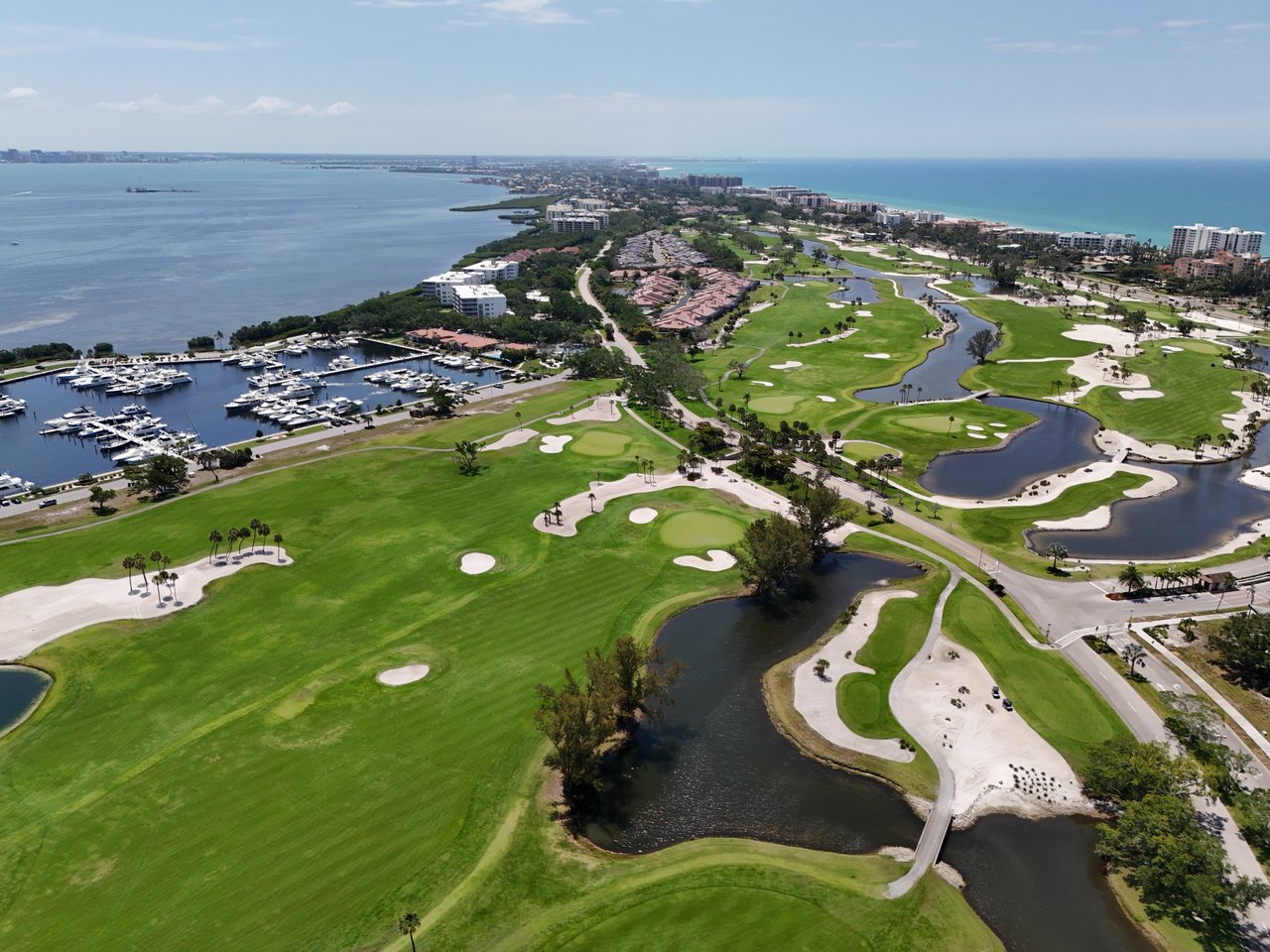
Marina Bay
Marina Bay offers spacious condominiums with bay views and marina proximity inside Bay Isles on Longboat Key — the ideal community for boating buyers who want condo si… Read more
Emerald Pointe
Emerald Pointe offers 22 freestanding maintenance-free villas built around 2000 inside Bay Isles on Longboat Key — among the community's newest homes, with open floor … Read more
Winding Oaks
Winding Oaks is an established community inside Bay Isles on Longboat Key — generous lots, mature canopy trees, a private 4-acre nature park, community pools, and the … Read more
Bay Isles
Corey's Landing is a gated enclave of sixty-one homes and patio villas inside Bay Isles on Longboat Key, with open-bay and golf-course residences, pool, tennis, and de… Read more
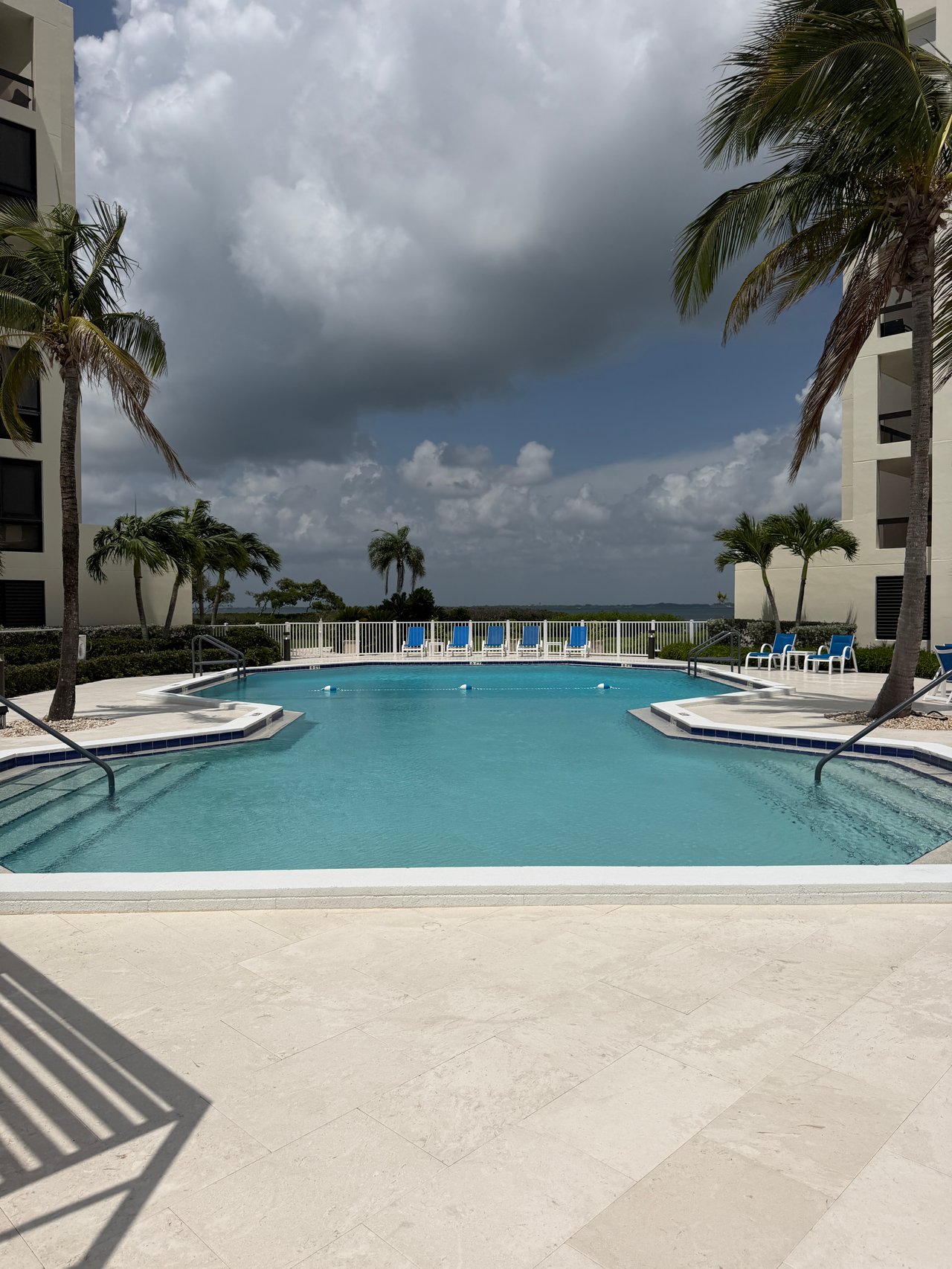
Bay Isles
Fairway Bay I & II offers 208 condominiums and townhouses inside Bay Isles on Longboat Key with golf course and water views.
Six88
Golden Gate Point's new-construction buildings are ONE88, AQUA, The Pearl, Evolution, En Pointe, Peninsula Sarasota, Six88, The Owen and Amara on Sarasota Bay.

Sarasota
Bird Key Yacht Club is a private club in Sarasota, Florida, founded in 1959 on the ground of New Edzell Castle and built around a marina, dining, tennis and a full soc… Read more
Downtown Sarasota
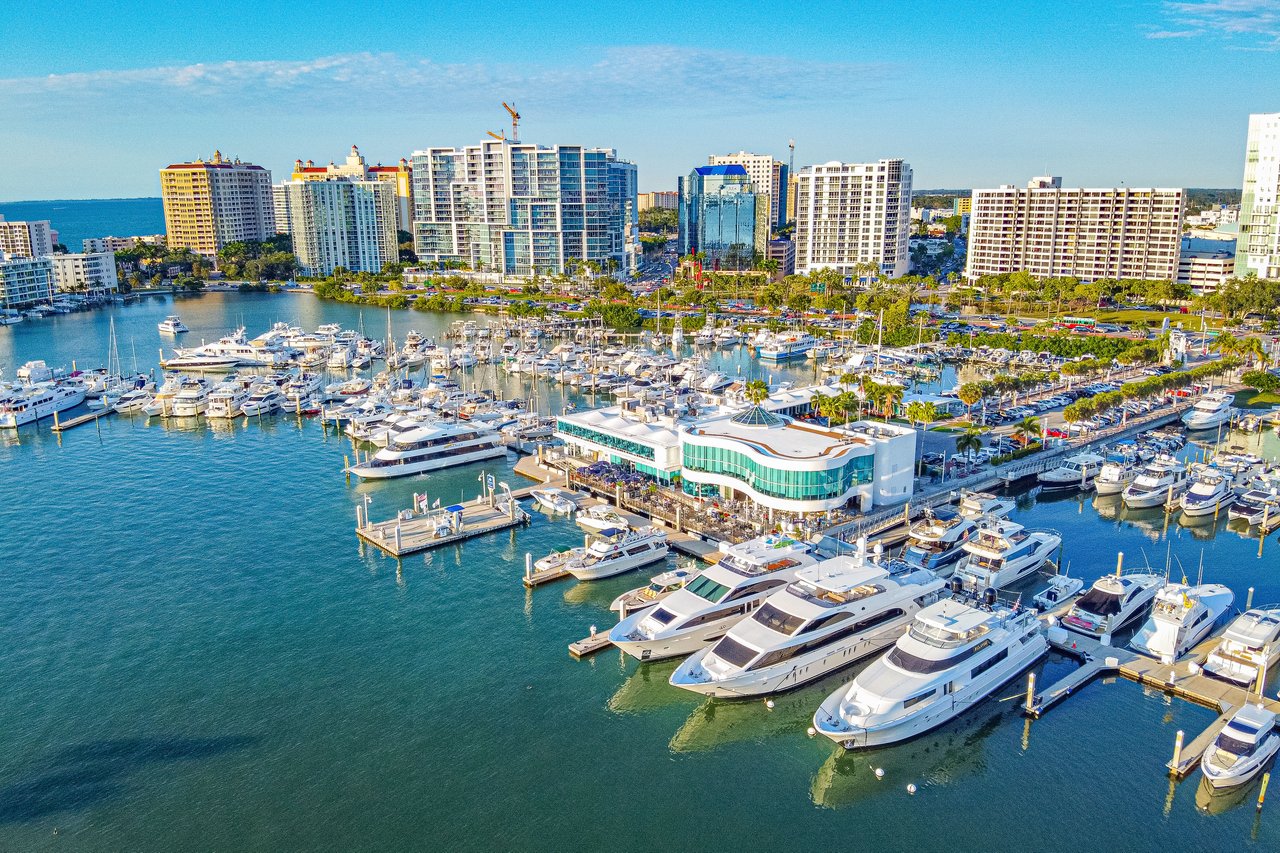
Marina Jack is an open commercial marina on the downtown Sarasota bayfront, operating on city-owned land created by dredge and fill in the late 1950s and leased to a p… Read more
Bradenton
Sara Bay opened in 1926 as a Donald Ross course built to sell lots — and what that century-old model still teaches a buyer walking into a sales center today.
Longboat Key
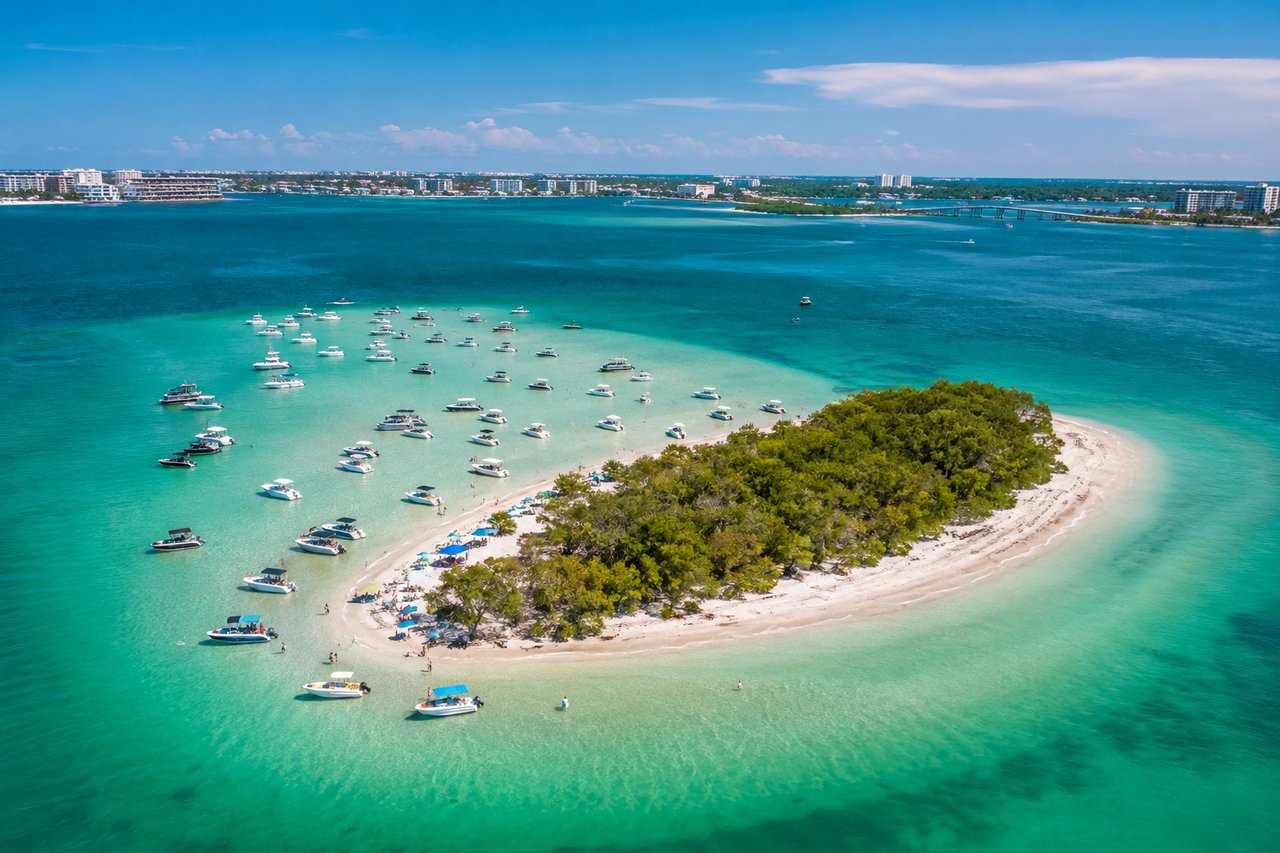
Greer Island, the north-end spit that locals call Beer Can Island, has needed no emergency dredge since 2023, four years after Longboat Key completed its seven-groin n… Read more
Florida Luxury Real Estate
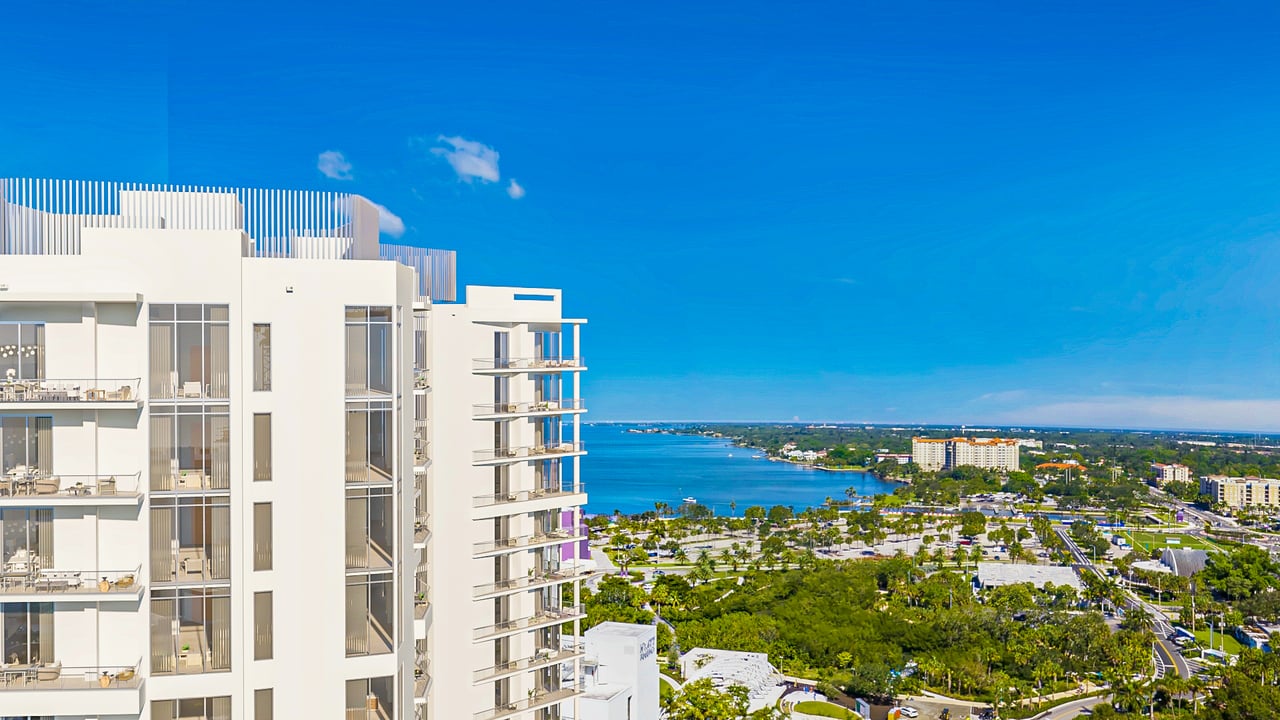
The Ritz-Carlton in Sarasota is not one building: it is a hotel, residences downtown and at The Quay, a private Beach Club on Lido Key, and a Tom Fazio golf course.

Downtown Sarasota
The Sarasota Yacht Club was incorporated on June 21, 1926, and marked its centennial in 2026 with an approved clubhouse expansion and a full replacement of its marina … Read more
Florida Luxury Real Estate
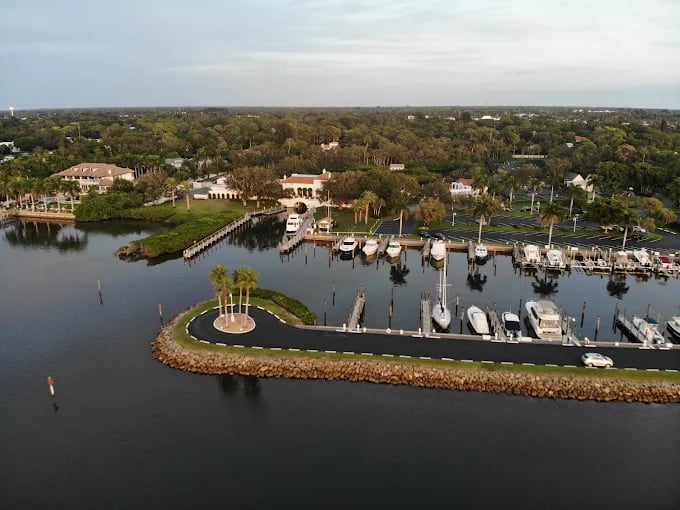
The Field Club in Sarasota occupies a 1920s David Adler estate on Roberts Bay that Stanley Field sold in 1957 at a restricted price, and only to a buyer who would keep… Read more
Downtown Sarasota
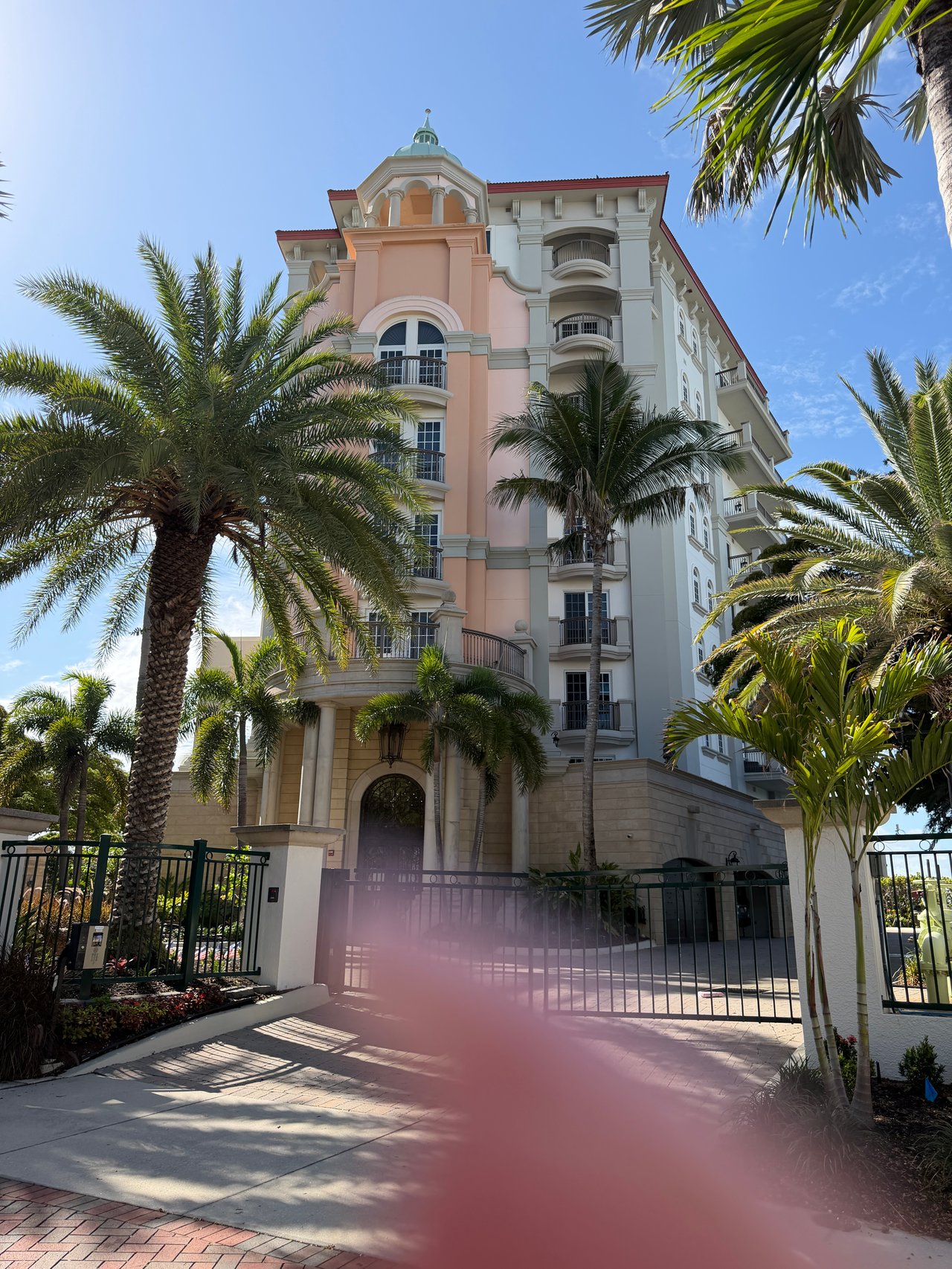
Nine condominium buildings on Golden Gate Point date from 1993 to 2006: Renaissance, Alta Mer, Toscano, The Phoenix, Golden Bay, Majestic Bay, Vista Bay Point, Grande … Read more
Laurel Park
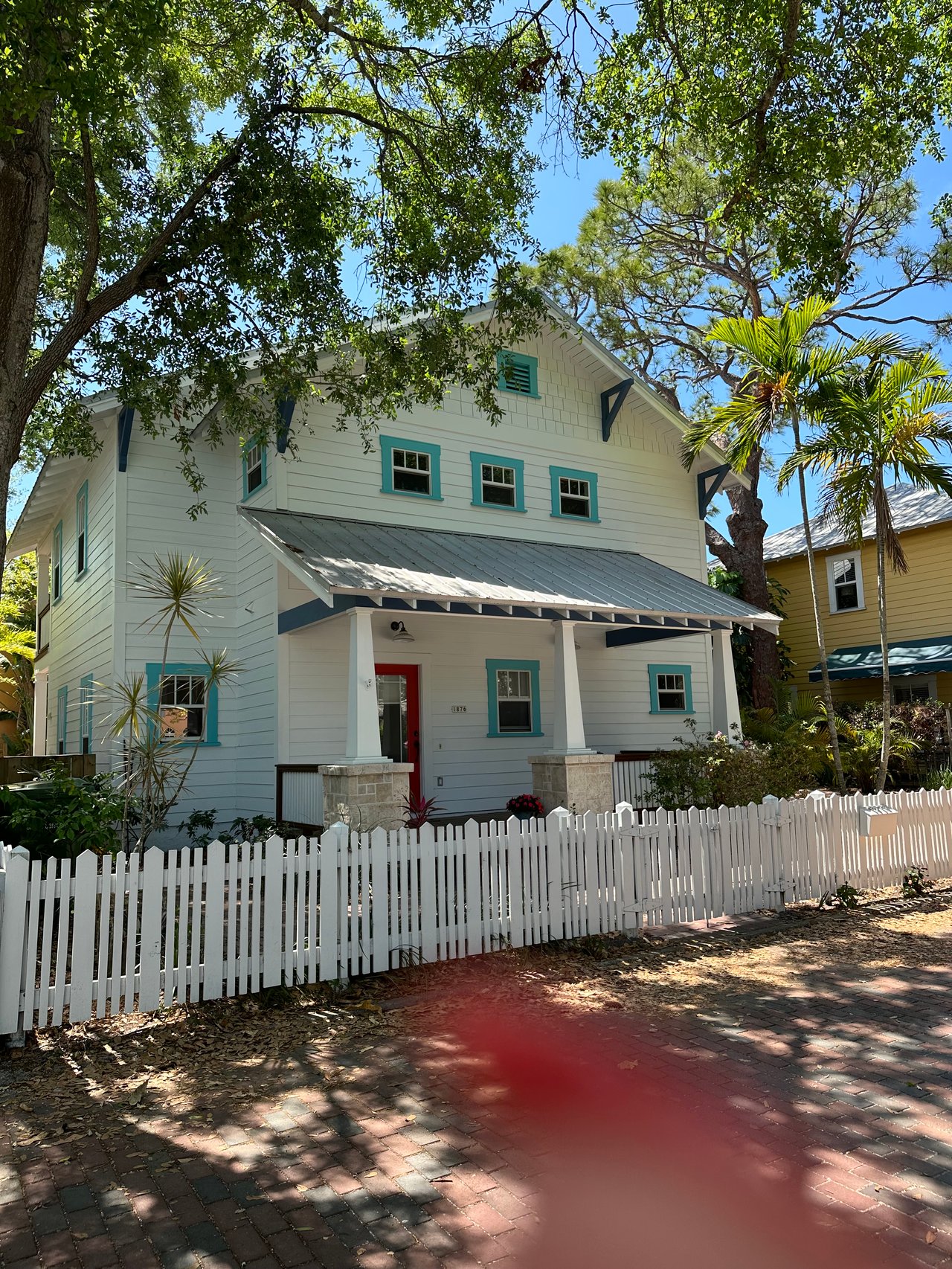
Laurel Park and Towles Court are downtown Sarasota’s only true historic single-family districts — 1920s cottages a walk from Main Street, with real charm and real trad… Read more
Lakewood Ranch
Lakewood Ranch is built for family life and top schools; the islands are built for the water and an adult lifestyle. The right Sarasota choice depends less on budget t… Read more
Lido Shores
Lido Shores is the densest concentration of Sarasota School of Architecture residences in the country — Paul Rudolph, Ralph Twitchell, the Umbrella House. Here is the … Read more

Bay Isles
Sea turtle nesting season on Longboat Key runs May 1 through October 31, and the Town’s Chapter 100 ordinance reaches any property whose artificial light is visible fr… Read more
Sarasota
Florida has no state income tax, California’s top rate is 13.3 percent, and a New York City resident can face a combined state and city top rate of 14.776 percent — th… Read more
Florida Living
Florida's main pros are no state income tax, year-round outdoor living, and six distinct regions to choose from; its main cons are summer heat, hurricane season, growt… Read more
The Field Club
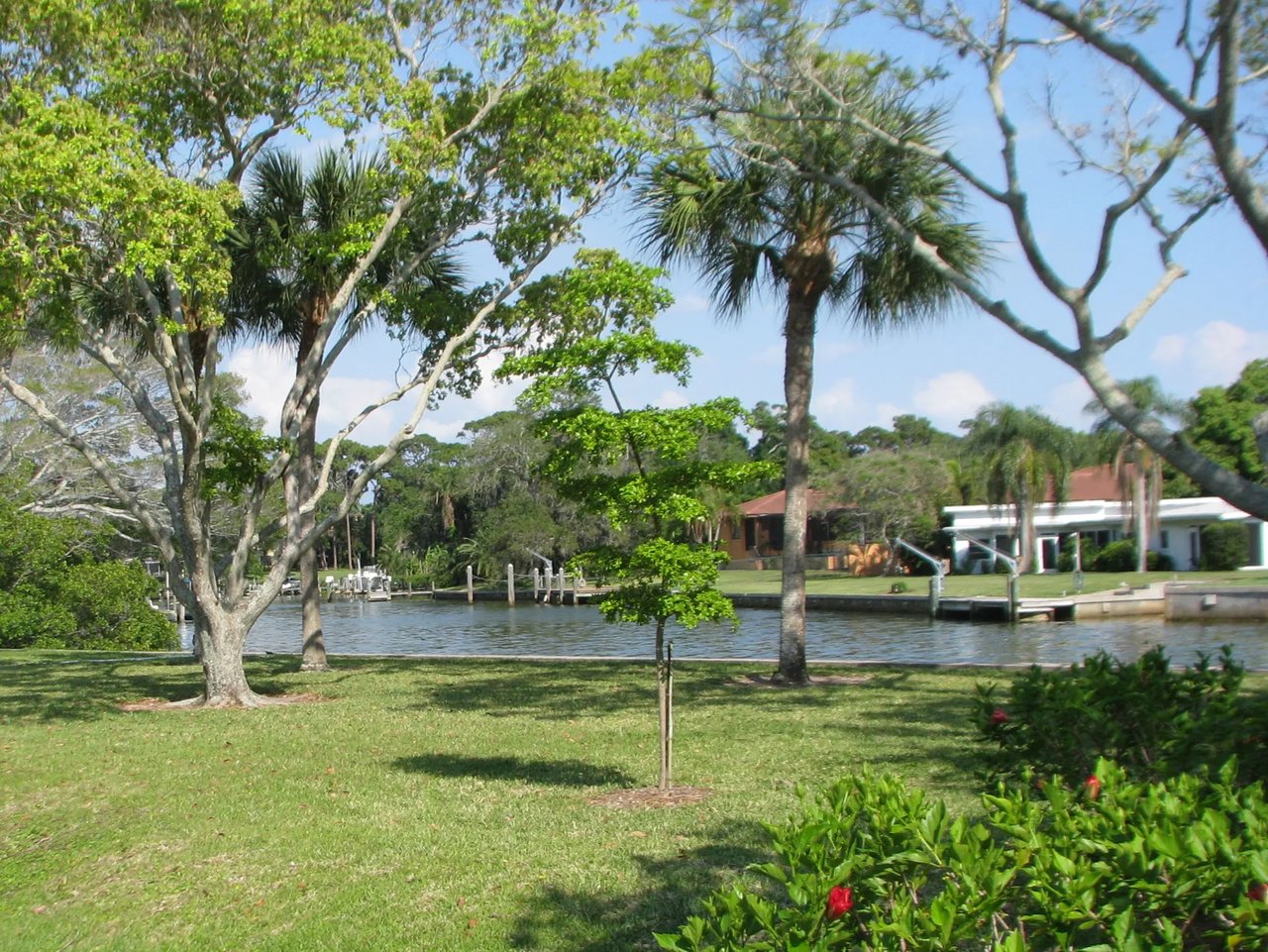
Oyster Bay Estates in Sarasota took shape in the early 1950s on the east shore of Roberts Bay, around a 1920s Chicago winter estate that had already become the private… Read more
Luxury Homes
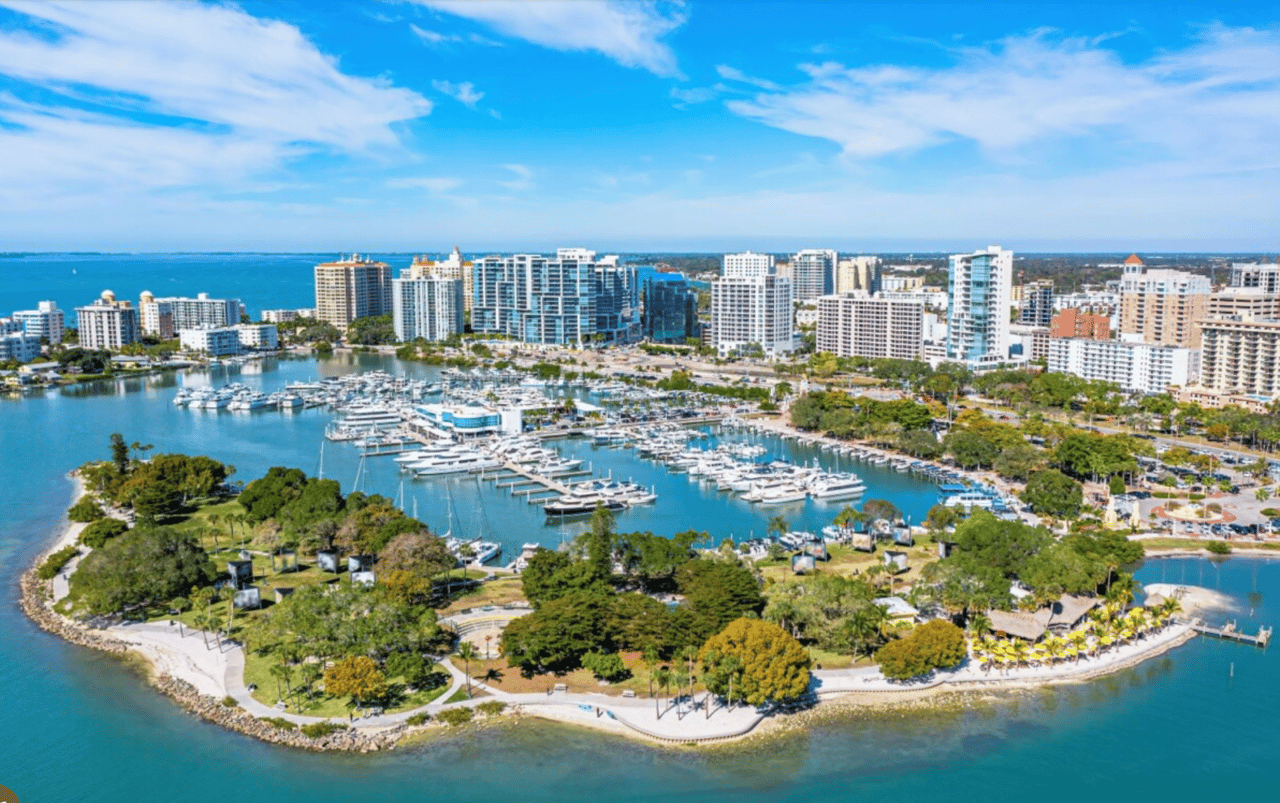
Danielle Gladding has sold Sarasota luxury real estate since 1981; with daughter Alison Kanter she covers every premier waterfront address in the market.
Florida Luxury Real Estate
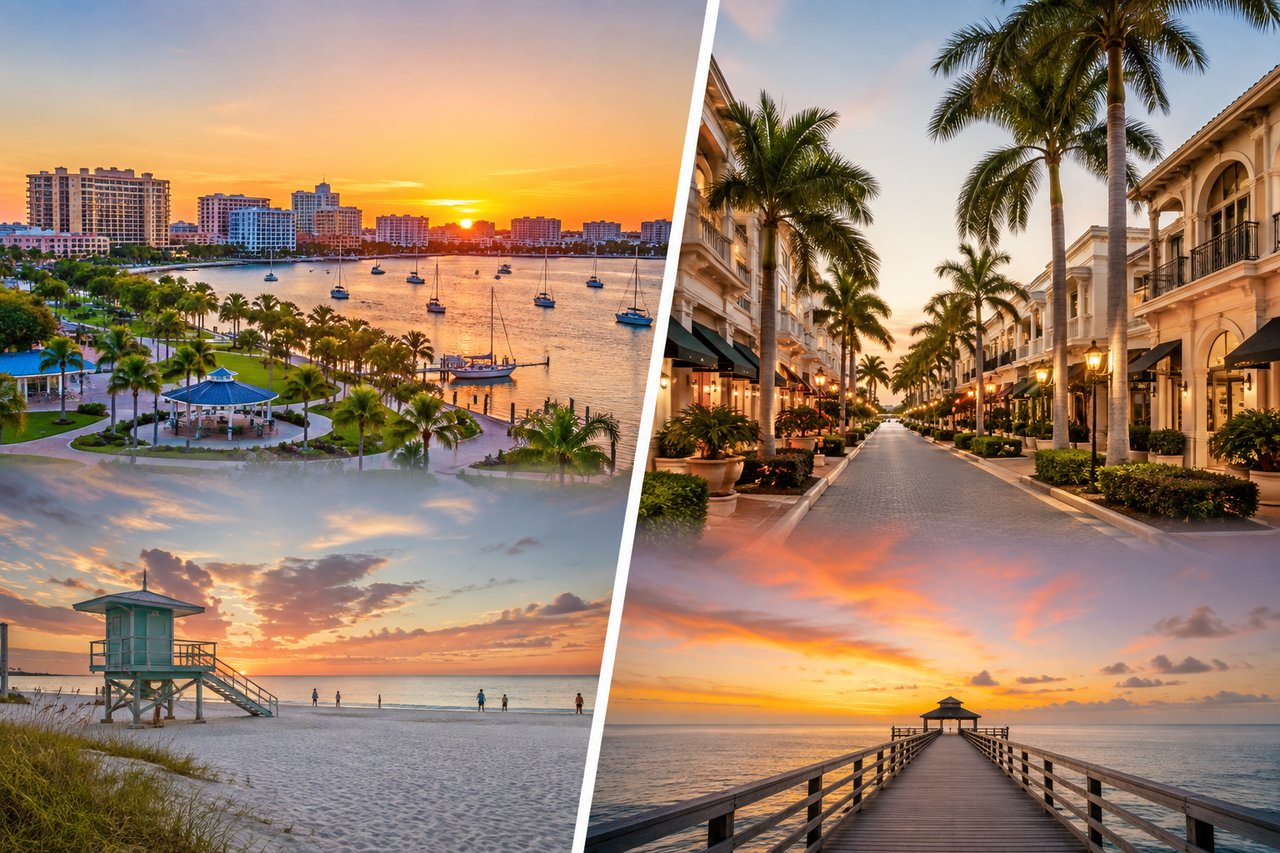
Naples is the more refined and more expensive of the two markets and skews decisively older, while Sarasota is more approachable, wider in age range, and generally giv… Read more
San Remo Estates
San Remo Estates in Sarasota was platted between 1953 and 1956 by Roy Construction Company, which filled roughly thirty acres of Sarasota Bay bottom to create the neig… Read more
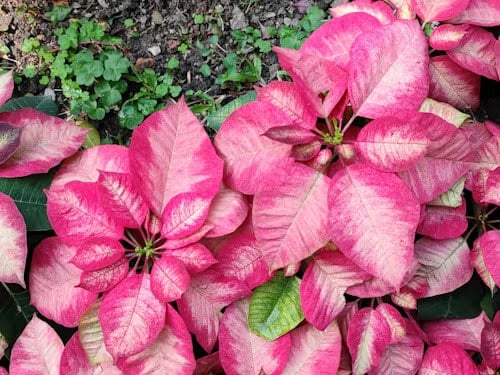
South Poinsettia Park
South Poinsettia Park is called Sarasota's Flower Streets because its 1920s developers gave the roadways a botanical theme, then used pioneer family names where the fl… Read more
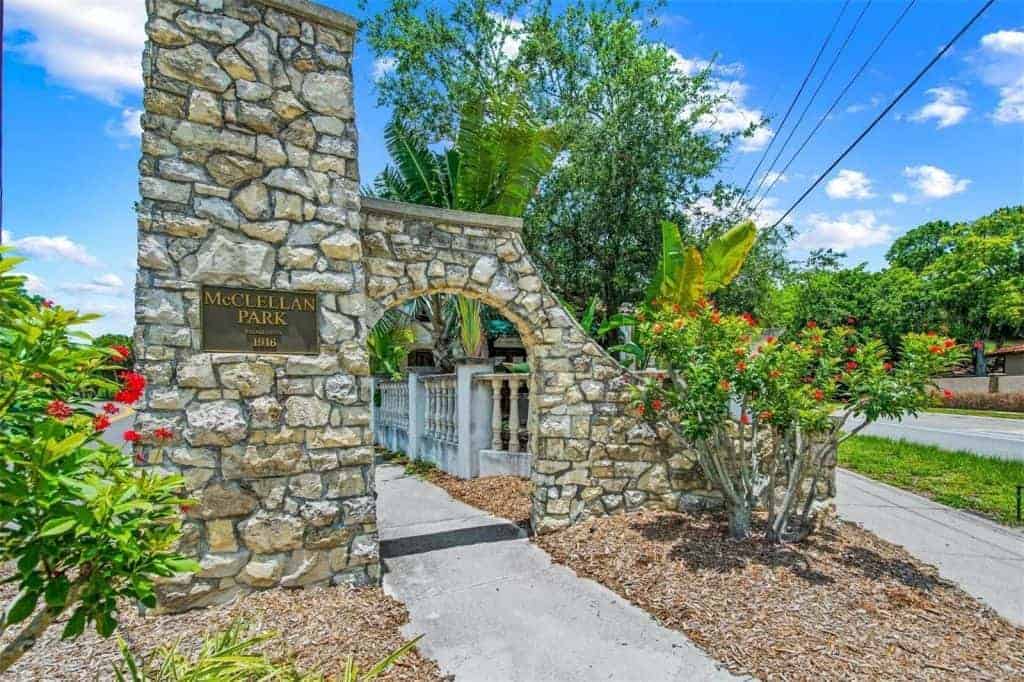
McClellan Park
Sisters Katherine and Daisietta McClellan laid out McClellan Park in 1915 and 1916, hiring landscape architects and taking the street names from a Calusa shell mound.
Bay Isles
The Bay Isles Beach Club at 2111 Gulf of Mexico Drive is a private, resident-only Gulf beach facility, and every home inside the Bay Isles gates on Longboat Key carrie… Read more
Sarasota
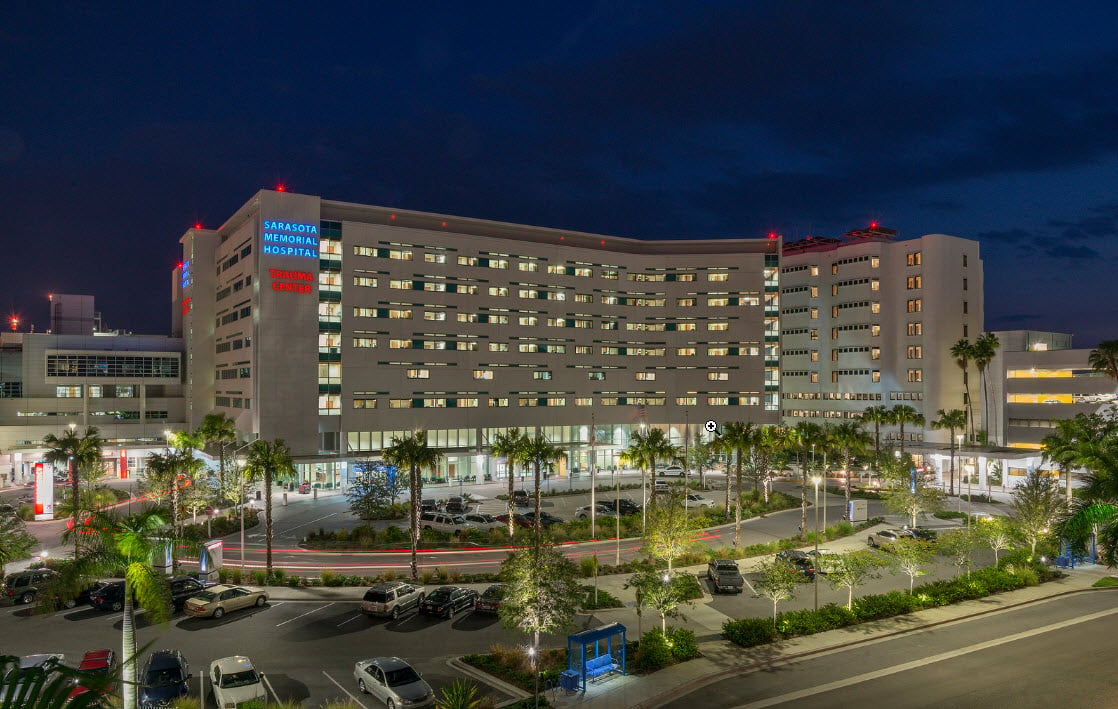
Sarasota Memorial Health Care System was named one of the nation’s 15 Top Health Systems in 2026, which makes Sarasota’s medicine unusually strong — but your address d… Read more

Florida Luxury Real Estate
Southside Village is Sarasota's oldest shopping district — two walkable streets behind Sarasota Memorial Hospital, anchored by Morton's Market and ringed by West of th… Read more
Longboat Key
Boating access on Longboat Key comes down to how the slip is legally held, the depth at mean low water, the bridge clearances on your route to the Gulf, and which coun… Read more
Longboat Key
Longboat Key sits in two counties, and buyer closing costs differ on each side of the line — including who customarily pays for the owner's title insurance policy.
Bay Point Park
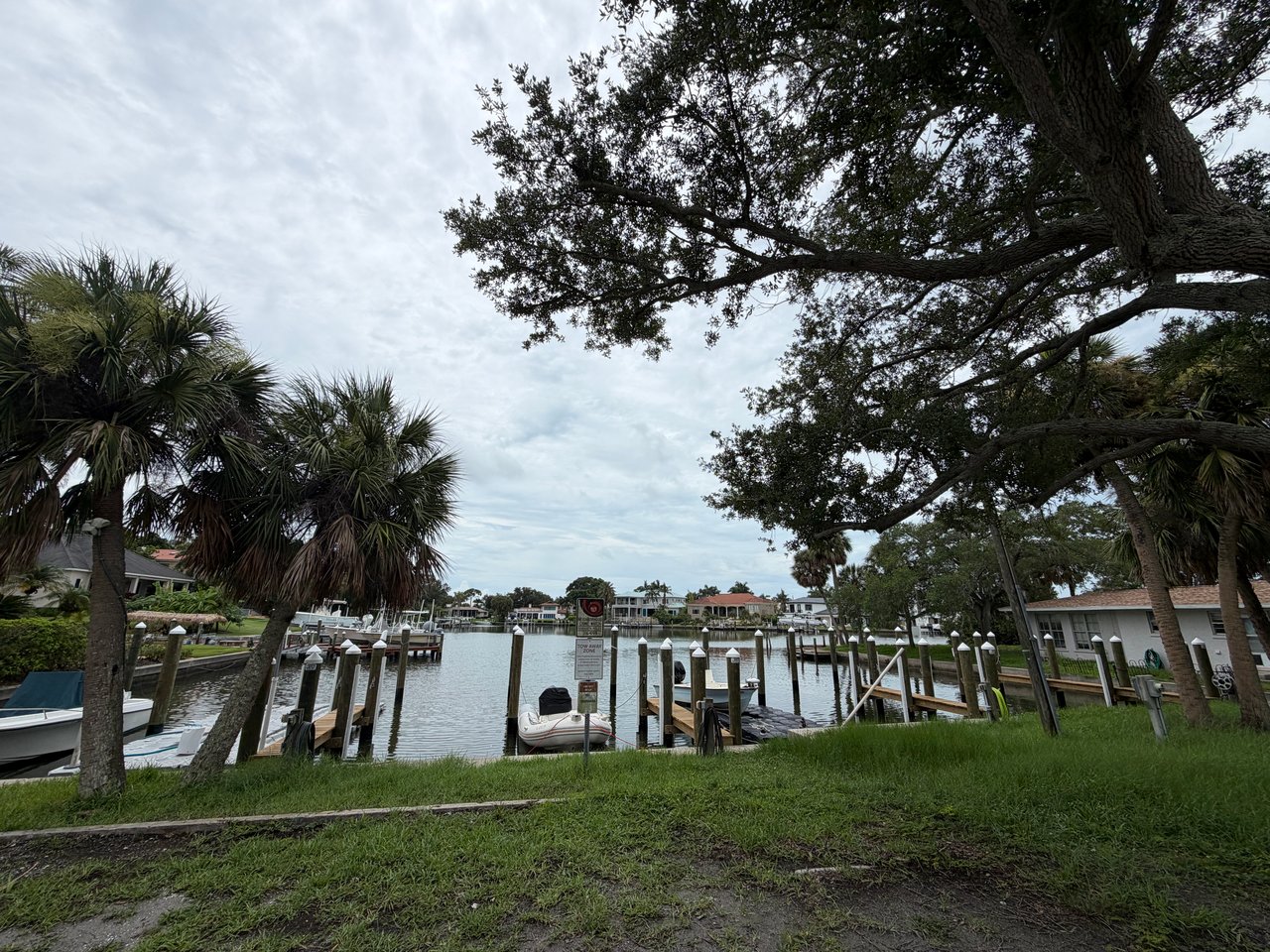
Bay Point Park in Sarasota has a shared boat basin owned by its neighborhood association, described in state lease records as a nine-slip facility serving roughly fort… Read more
Downtown Sarasota
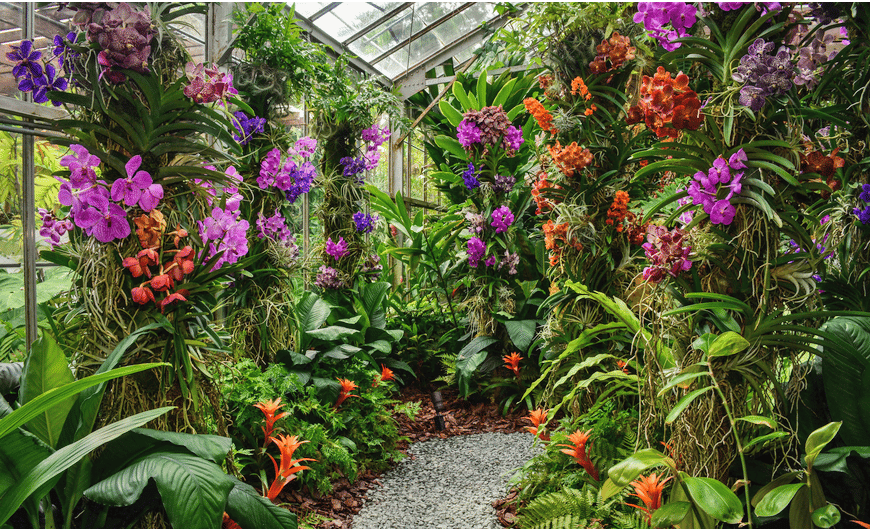
Marie Selby Botanical Gardens is a 15-acre bayfront botanical garden in downtown Sarasota, created from the home and grounds Marie Selby left to the public and opened … Read more
Downtown Sarasota
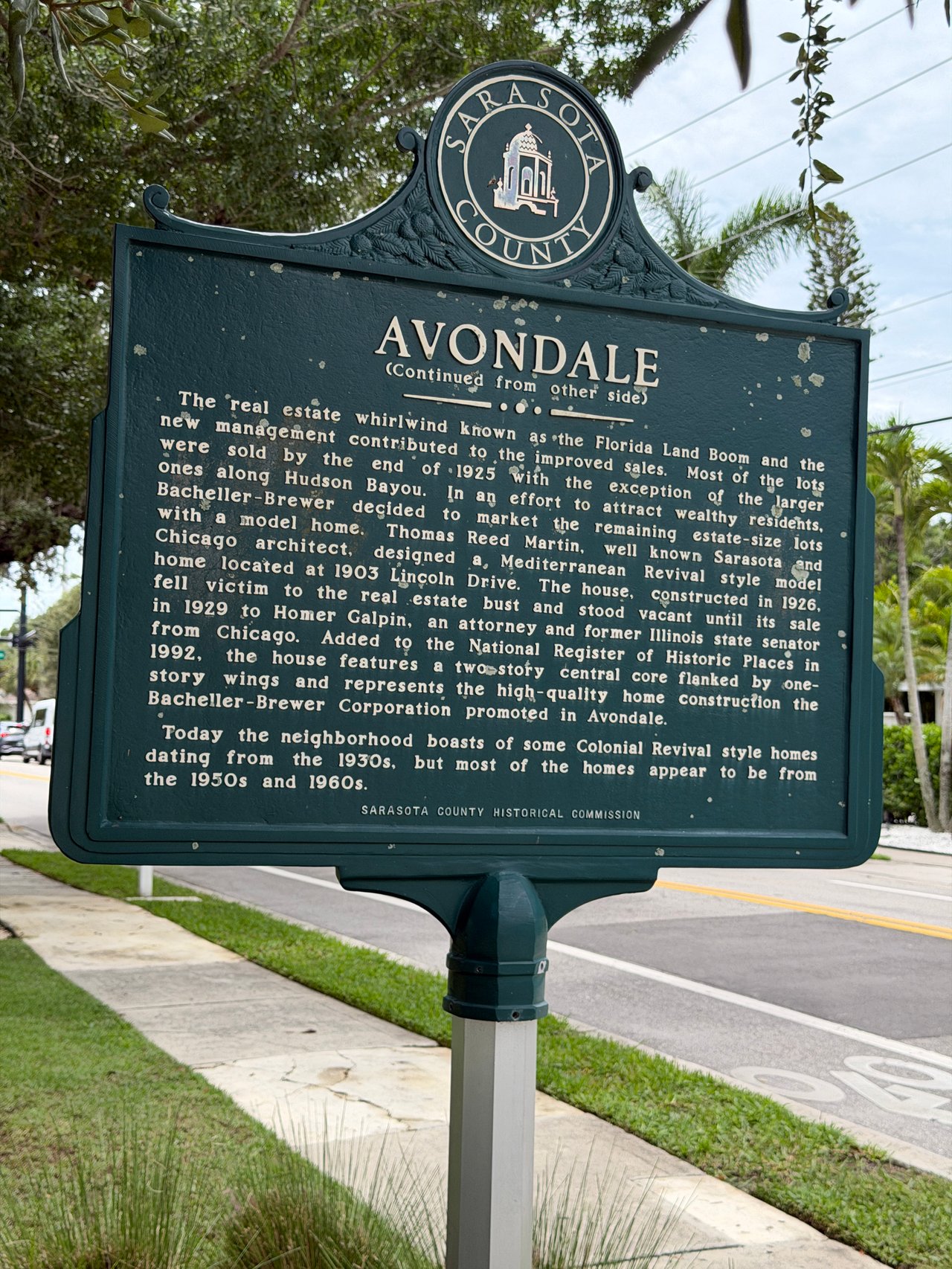
Avondale was first platted in 1914 as workforce housing that failed to sell, then re-platted in the 1920s by the Bacheller-Brewer Corporation as one of Sarasota’s most… Read more

Downtown Sarasota
Harbor Acres is a waterfront neighborhood west of the Trail in Sarasota, minutes from downtown and Sarasota Memorial Hospital, where most original 1950s ranches have g… Read more
Longboat Key
Longboat Key dining has separated into two tiers in 2026 — an ultra-luxury layer at the south end anchored by The St. Regis, and an expanding locals-first scene throug… Read more
Sarasota
Buying a Condo on Longboat Key: A Resident Broker’s Guide
Golden Gate Point
A 22-acre peninsula reaching into Sarasota Bay between downtown and the Ringling Bridge, holding more than twenty condominium buildings across three generations — 1960… Read more
Pier 550
Six original condominium buildings survive on Golden Gate Point, built between 1962 and 1970, holding roughly ninety residences on a 22-acre peninsula that cannot add … Read more
Lido Surf and Sand Condominium
Lido Surf and Sand is a 105-residence, eight-story 1976 beachfront condominium on Lido Beach in Sarasota where leasing is capped at two one-month leases a year and sal… Read more
Bay Isles
The Moorings is the 291-slip deep-water marina inside Bay Isles on Longboat Key, where slips can be bought outright as real estate or rented from the resort without Cl… Read more
Longboat Key
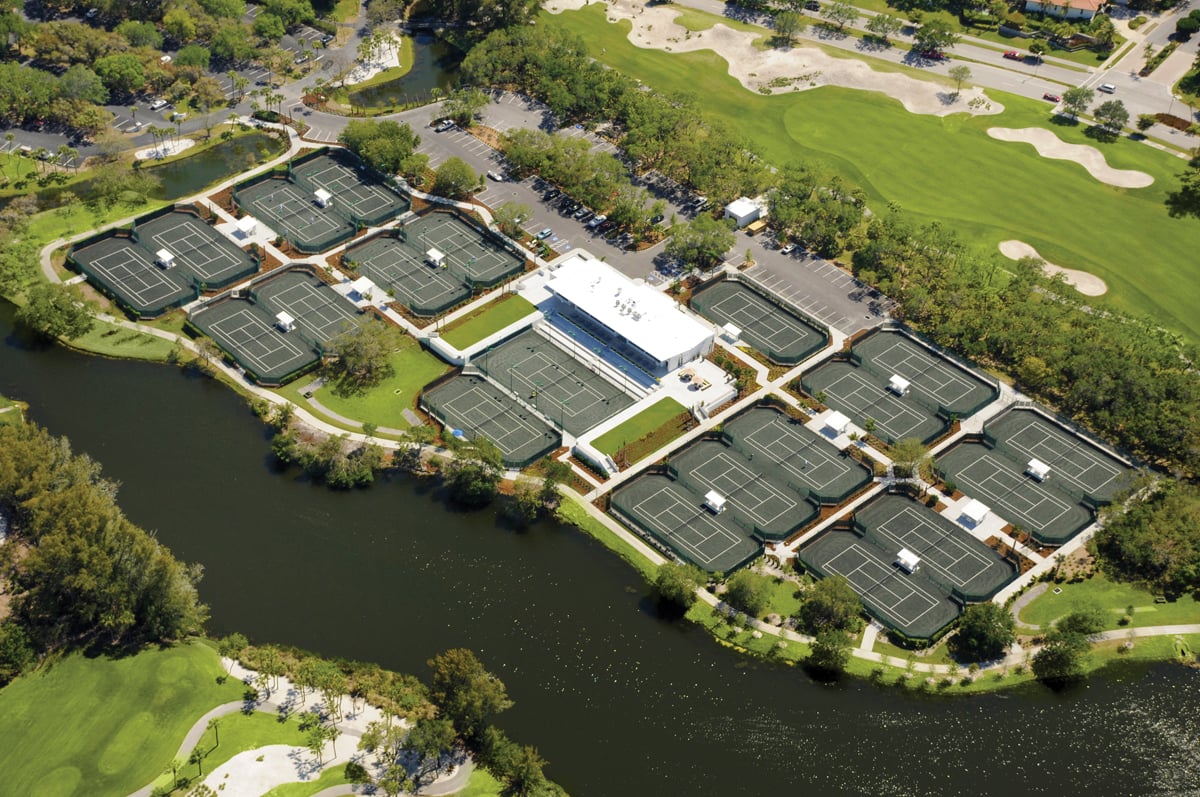
The Tennis Gardens at the Resort at Longboat Key Club holds 20 Har-Tru clay courts plus pickleball, with daily clinics and a match-arranging service open to members an… Read more
Bay Isles
The Resort at Longboat Key Club offers Bay Isles residents 45 holes of championship golf, 20 Har-Tru tennis courts, a 291-slip marina, spa, fitness, and exceptional di… Read more
Luxury Living

Danielle Gladding
Danielle Gladding has lived in Bay Isles, served the community as a Kiwanis president, guided buyers and sellers since 1981, and is the broker whose husband serves as … Read more
Bay Isles
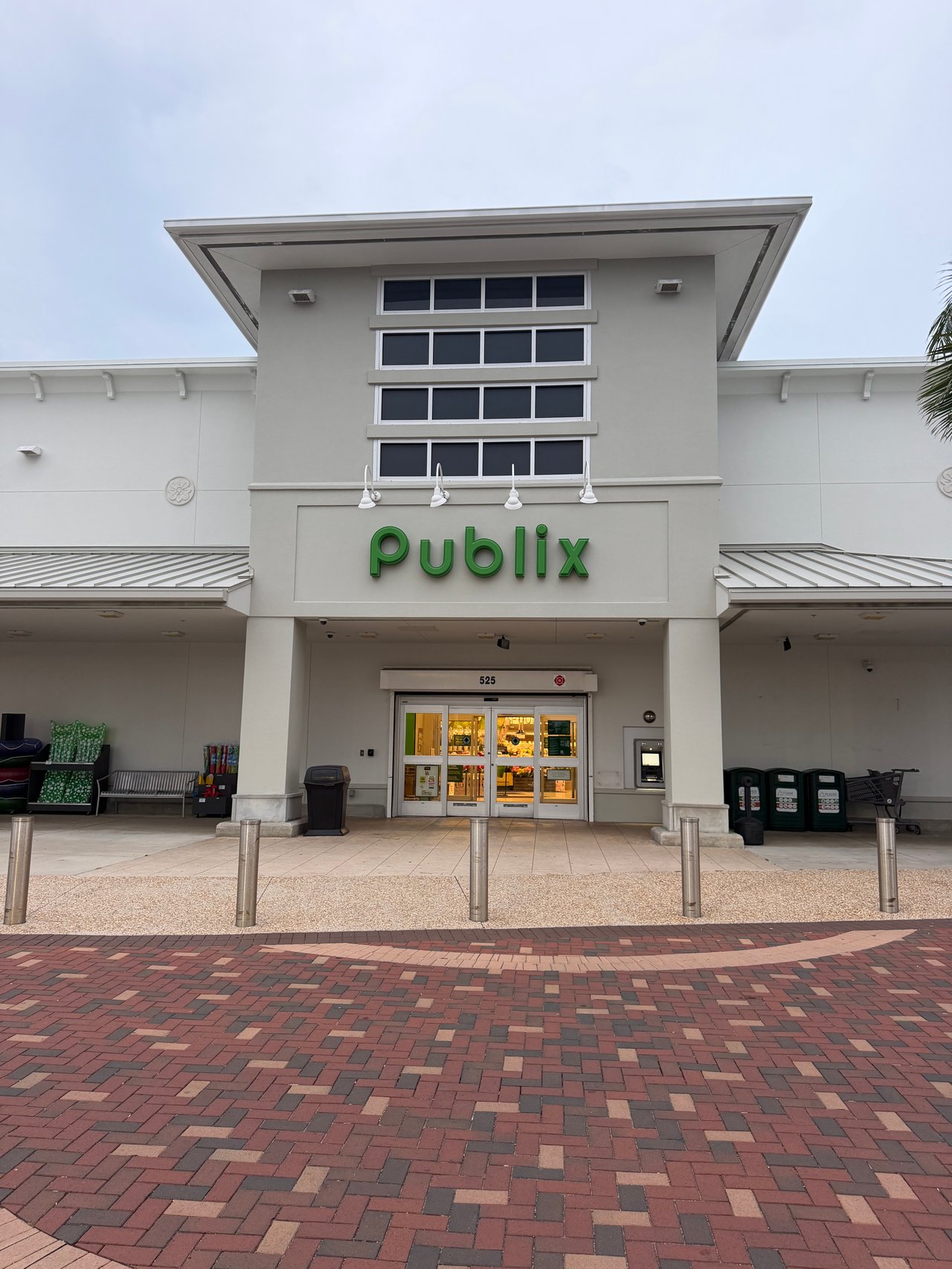
The Shoppes of Bay Isles at 525 Bay Isles Parkway offer everyday convenience for Bay Isles residents — anchored by Publix, with CVS, Chase, Truist, salons, fitness, an… Read more
Golden Gate Point
Harbor House West Sarasota: 226 Golden Gate Point Guide
Longboat Key
Longboat Key is an island condo market with small sample sizes and seasonal swings, so the buyers who do best read it by building and submarket — not by island-wide av… Read more
Longboat Key
A good Longboat Key scouting trip tests the island at four different hours and in more than one season, because the barrier island that charms you at sunset can drive … Read more
Selling
Selling a luxury home in Bay Isles on Longboat Key means pricing by micro-market across its 16 residential neighborhoods, leading with dockage, and preparing coastal d… Read more
Golden Gate Point
Harbor House South 400 Golden Gate Point — 13 units, bay views, boat docks. Danielle lived here. Alison Kanter & Danielle Gladding guide buyers & sellers.
Lido Shores
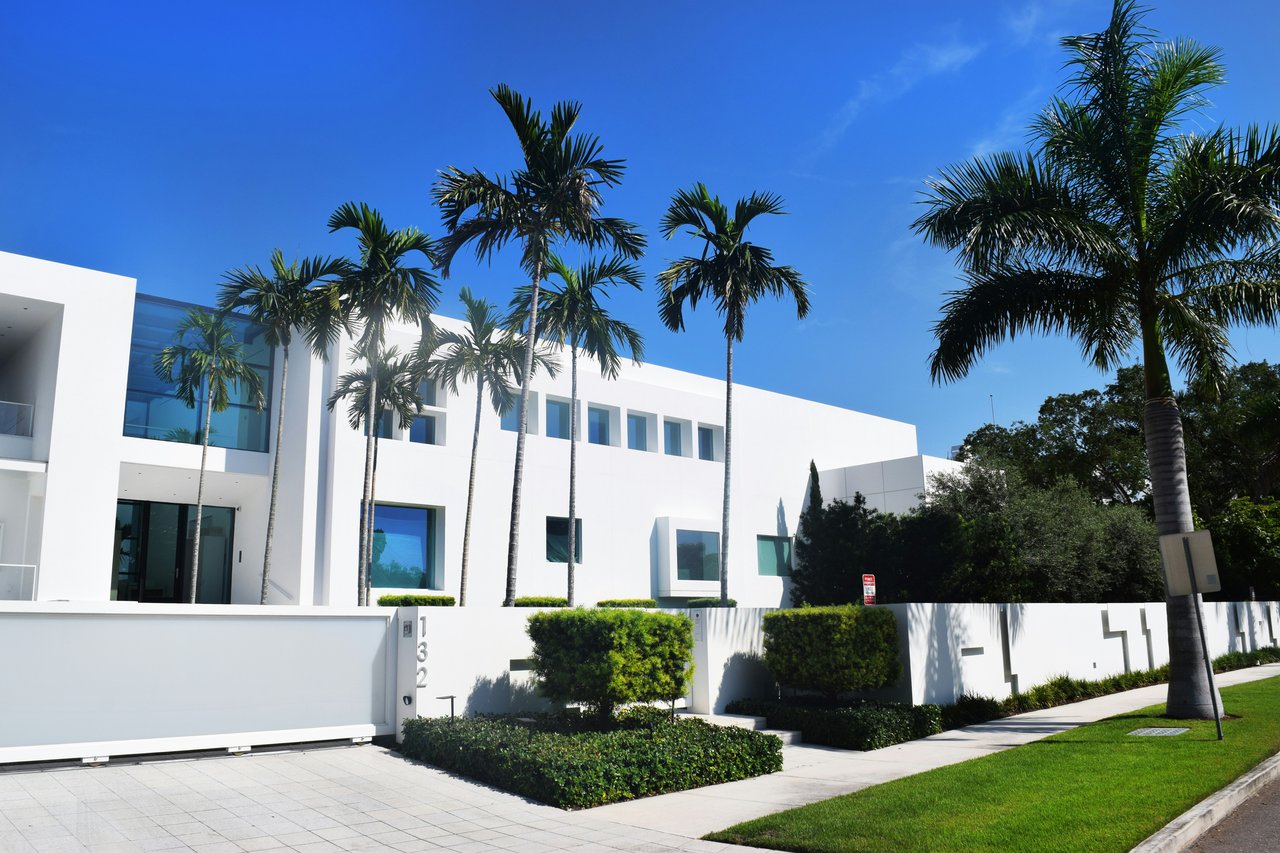
They share a bridge, a zip code, and a way of life — but the buyer who belongs on Lido is not the buyer who belongs on St. Armands. Here’s how to tell the difference.

Florida Living
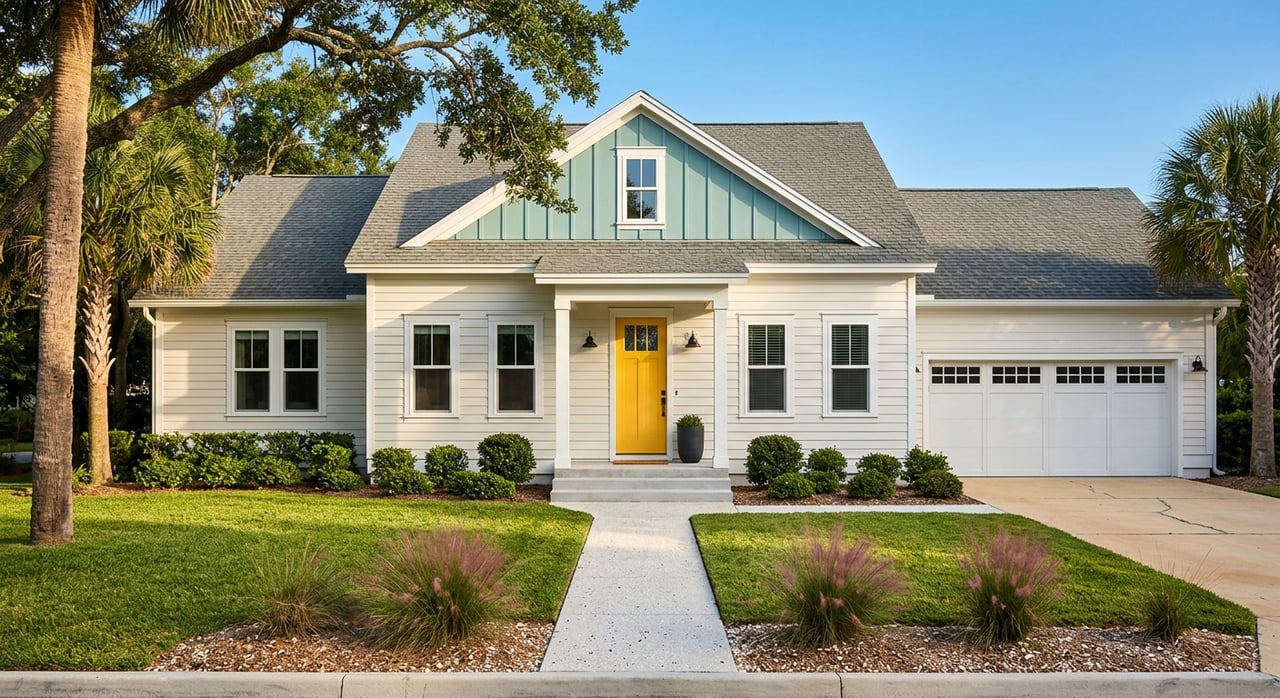
Country Club Shores or Bay Isles on Longboat Key? An honest comparison of deepwater single-family living vs gated community life, by Danielle & Alison.
Golden Gate Point
Harbor House at 174 Golden Gate Point — 13 owner-occupied residences, Sarasota Bay & Ringling Bridge views, boat dock, fishing pier. Alison Kanter & Danielle Gladding … Read more
A Local Perspective on Finding the Right Realtor for Longboat Key


Get assistance in determining current property value, crafting a competitive offer, writing and negotiating a contract, and much more. Contact Us today.