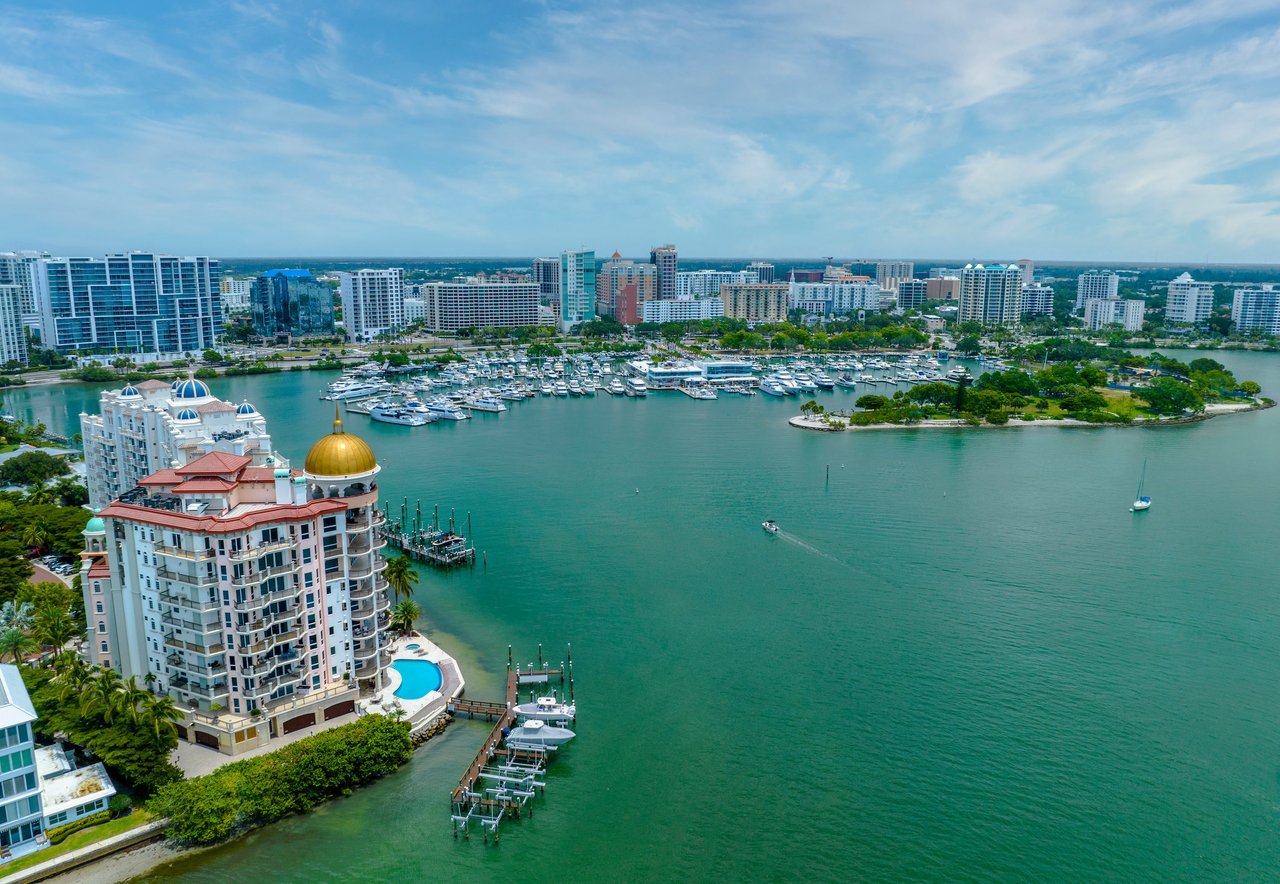
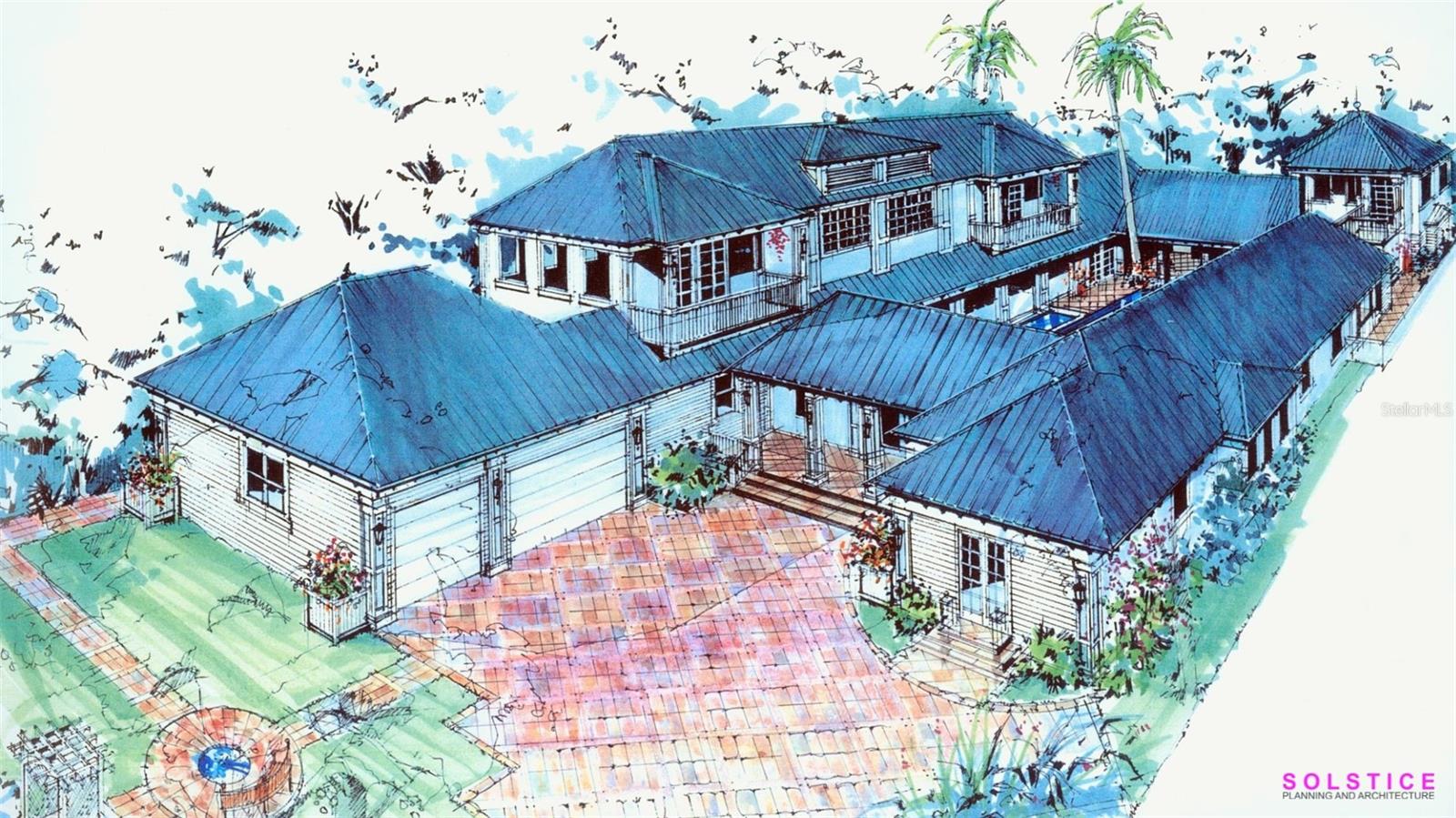
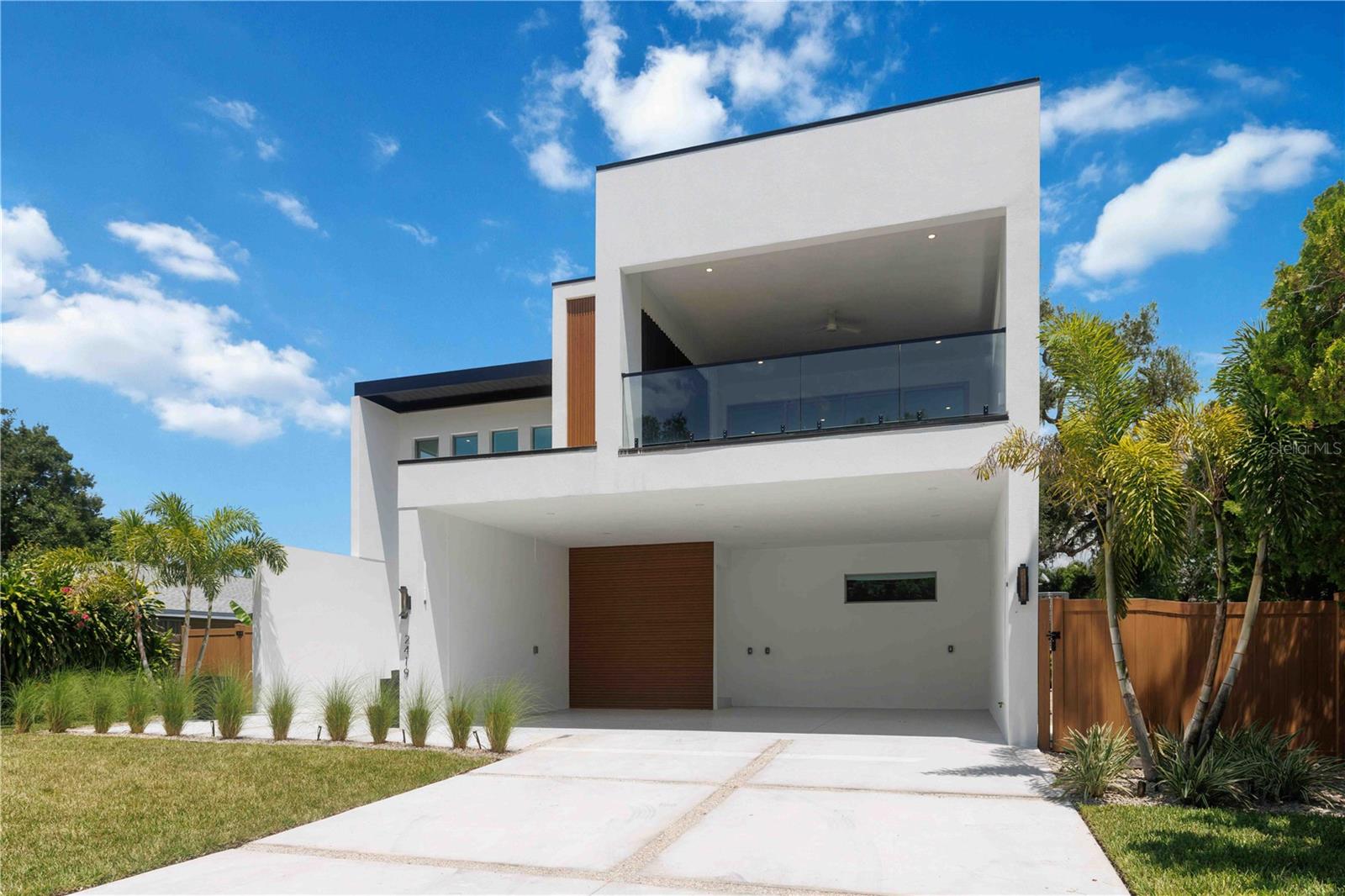
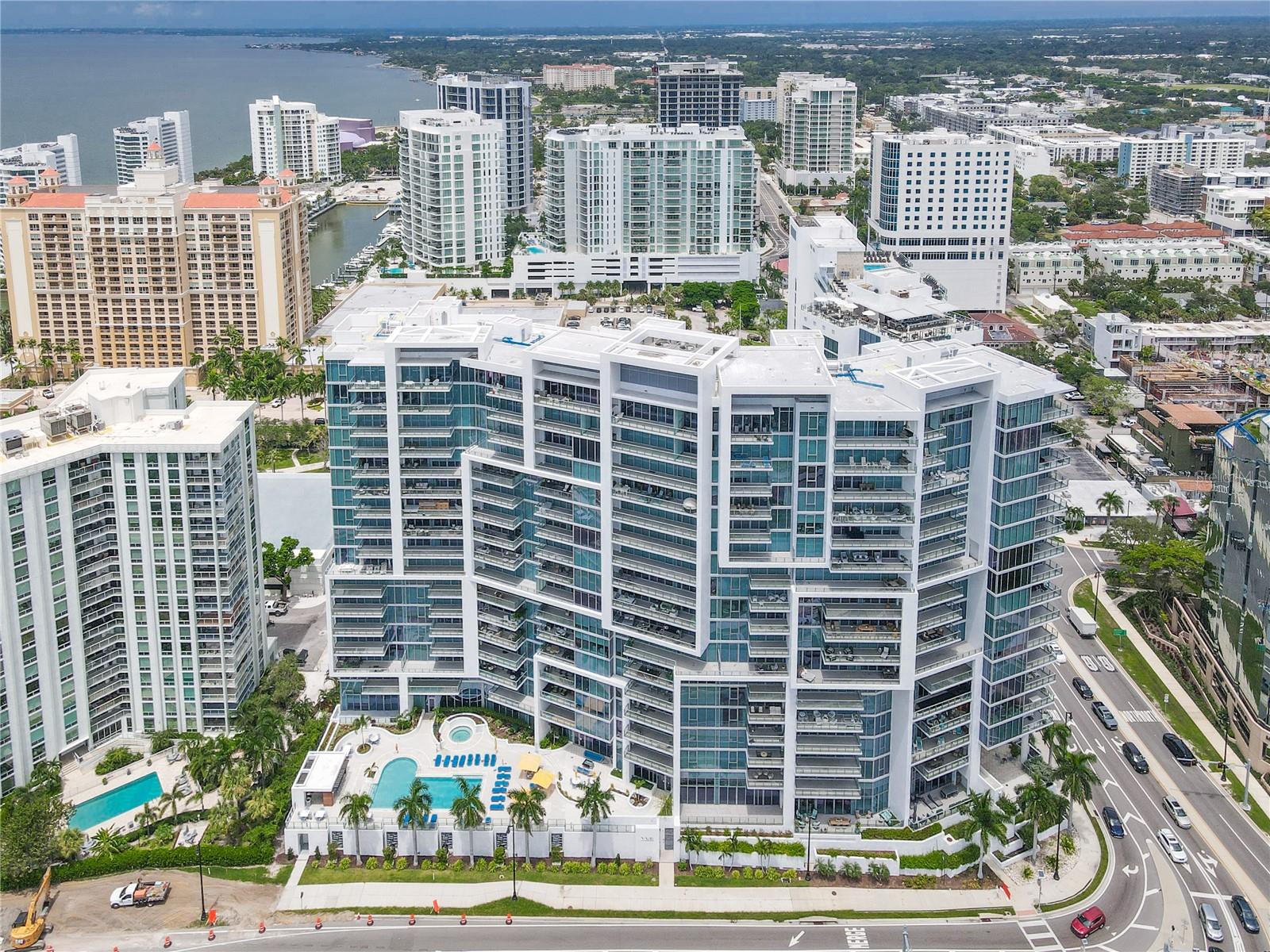
The original condominium buildings on Golden Gate Point were built between 1962 and 1970, and six of them are still standing. They share the same peninsula, the same water and the same ten-minute walk into downtown Sarasota as everything built since — usually at a meaningfully lower price per square foot.
This page is the roster for that generation. Every building by name, with its address, its year, its size and what we know about how it has been kept. If you want the wider peninsula — all three generations, the history, the lifestyle — start at the Golden Gate Point master page.
We are Danielle Gladding and Alison Kanter of Danielle Gladding & Co. Realty. Danielle has been licensed since 1981 and a Broker since 1987, and she has owned on this peninsula twice, in two different generations of buildings — one of them an original, taken down to the studs and rebuilt. Alison holds an MBA and came to real estate from a multinational corporation, where the work was analysis and detail. That is exactly what a peninsula full of thirteen-owner associations asks for. Both of us are Certified Luxury Real Estate Specialists and Certified Waterfront Specialists, and we work every neighborhood in this market together.
The Six Original Buildings
They are small — thirteen to twenty-four residences — and their addresses run in no particular order by age. The oldest sits farthest out toward the tip, which surprises people who assume the peninsula filled in from the entrance outward.
Harbor View · 650 Golden Gate Point
Built in 1962 as Harbor View Apartments, renovated and converted to condominiums in 2006. Fourteen residences. It is the oldest building still standing on the peninsula and the farthest out. The 2006 conversion tells you more than the 1962 date does: an association that funded a full conversion is an association that was paying attention. Ask for the conversion-era documentation alongside the inspection report and the reserve study.
Harbor House South · 400 Golden Gate Point
Built in 1965. Thirteen residences. It sits at the southernmost tip with roughly 180 degrees of bay in front of it. This is the building Danielle owned and rebuilt down to the studs. With thirteen owners, any required structural work divides across a very small group — which is a reason to read this association's reserve study slowly rather than quickly.
Harbor House · 174 Golden Gate Point
Built in 1967. Thirteen residences. Substantial building improvements were completed in 2012 and 2013, including plumbing stack replacement, new air conditioning, an elevator replacement and dock resurfacing. Rentals are not permitted at this time, which makes it a tightly owner-occupied building — a real draw for a buyer who wants neighbors rather than turnover, and a real constraint for anyone counting on rental income.
Harbor House West · 226 Golden Gate Point
Built in 1968. Twenty-four residences across seven stories, the largest owner base in this generation. That spreads the cost of any required work more broadly than its neighbors can — a genuine advantage when the work in question is structural. Sunset views run toward [Bird Key], Lido and Siesta Key, with deep-water slips on a first-come basis at this time.
Bay Point · 350 Golden Gate Point
Built in 1969. It appears in the MLS under the Bay Point Apts subdivision name, which is why it can look absent from building lists that go by name alone. If you have been searching this peninsula by building name and never found it, that is the reason. Views span the Ringling Bridge, Big Pass, Bird Key, Sarasota Bay, Siesta Key and Longboat Key.
Marina View
Built in 1970. It appears on every list of the peninsula's original buildings.
The Two Sites That Are No Longer Standing
Two original properties on this peninsula have been demolished and redeveloped. One dated to roughly 1948 to 1953. The other was a two-story collection at 325 Golden Gate Point, built in 1974.
The reason is straightforward. On a peninsula this small, the land under an aging structure can eventually be worth more than the structure standing on it. For some buyers and investors that optionality is part of the appeal. For everyone else it is a reason to understand a building's ownership picture — whether anyone has been quietly assembling residences — before buying into an older association. It is not a common situation here. It is worth two questions.
Small Associations: The Math Almost Nobody Runs
This is the single largest difference between these six buildings and a tower, and it cuts both directions.
Thirteen owners splitting a structural repair is a different number per owner than twenty-four owners splitting the same repair, and both are different again from two hundred. Neither is bad. Both are worth knowing before you write an offer. When you look at a reserve study in one of these buildings, look at the recommended funding level per residence rather than the total — the total is the number that gets quoted, and the per-residence figure is the number that lands on you.
Small also means the board is your neighbors. In a thirteen-owner building, three people can effectively set the direction of the association for a decade. That produces some of the best-run buildings on this peninsula and a few of the most difficult ones, and the difference does not show up in a listing. It shows up in the minutes.
Water, Docks and Where a Building Sits
Dock arrangements differ building by building on Golden Gate Point, and they differ inside this generation. Some slips are deeded to a specific residence. Some are assigned by the association. Some operate first-come. Some buildings have none at all. Slip length, water depth and overhead clearance vary as well.
Do not assume a particular vessel fits a particular building, and do not take a listing description's word for it. Confirm it in writing from the association before you fall in love with a residence. We have watched more than one buyer work out the clearance problem after the inspection period closed.
Position on the peninsula matters too, and it is not obvious from a map. A building at the southern tip faces open bay with almost nothing in front of it. A building closer to the entrance trades some of that water for a shorter walk into town. Both are good answers. They are answers to different questions, and it is worth knowing which question you are asking before you tour.
The Question That Actually Decides It
Florida's condominium laws changed substantially after 2021. Qualifying buildings must complete a milestone structural inspection at thirty years of age and at set intervals afterward. Associations must fund a structural integrity reserve study, and those reserves can no longer be voted away — which ended decades of keeping monthly fees artificially low by deferring structural maintenance.
Every building in this generation is well past that threshold. Which means every one of these associations should be able to hand a buyer a completed study today. If a board cannot, that is your answer, and it arrived early and for free.
So a low monthly fee in one of these buildings is a question, not a feature. A building that planned ahead is fine. A building that deferred maintenance and underfunded reserves for years may be facing a significant assessment, and an attractive purchase price can quietly conceal a bill headed toward the next owner.
What to Request Before Your Inspection Period Ends
Request the completed milestone inspection report, the structural integrity reserve study, the current reserve balance measured against what the study recommends, any pending or recent special assessments, the budget and year-to-date financials, board and member meeting minutes for the last twenty-four months, the master insurance policy and a current estoppel letter.
Read the minutes before the budget. A budget shows you the plan. The minutes show you the argument that produced it, and whether the board is functional. That is where problems surface first, and it is the document almost nobody reads.
Renovating Inside One of These Buildings
Many residences in these six buildings are unrenovated or lightly updated, and for a buyer with a realistic budget that is the opportunity — the chance to build exactly the home you want, at a basis newer construction on this peninsula will not offer.
Renovating inside a Florida condominium is not renovating a house with a smaller footprint. Most alteration work requires a permit, the City of Sarasota requires a licensed contractor for this type of work, and not every contractor qualifies to work inside a building like these. Each association then adds its own layer: board or architectural approval before work begins, seasonal work windows that restrict renovation during high season, sound-transmission specifications for flooring, insurance and licensing requirements for everyone entering the building, elevator scheduling and dedicated service access. Read the governing documents and confirm the requirements before you budget. A buyer who learns about a four-month work restriction in May has lost a season.
Danielle has been through all of it in one of these buildings — the permitting, the approvals, the work windows, the licensed-contractor requirements — on her own residence at Harbor House South. That is a different kind of knowledge than reading about it.
Who These Buildings Suit, and Who They Do Not
They suit a buyer who wants the address and the water more than the amenity package. Who reads a reserve study carefully rather than skimming it. Who looks at an unrenovated residence and sees a project worth doing. Who wants a small association where everyone knows everyone, and understands that this cuts both ways.
They suit less well a buyer who wants current systems and a full amenity program with no near-term structural questions, or who wants a house with a yard rather than a small association at all. Those buyers usually end up on Bird Key or in Harbor Acres, and we will say so early rather than after six showings.
If You Are Moving to Sarasota From Somewhere Else
A large share of buyers on this peninsula are relocating, often from New York, Illinois, Massachusetts, Michigan, Connecticut or New Jersey. The building questions are only half of what they need. The rest is everything sitting around the purchase — how Florida homestead and portability work, what the property tax picture looks like after the first year, insurance, establishing residency, and timing a move around season.
We put all of that in our [Sarasota Relocation Guide], which you are welcome to download. It is the same material we walk through on a first call, written out so you can read it before you get on a plane.
Where to Read Next
If you want the argument rather than the roster — whether this generation is the right buy for you at all — that is our companion post on whether older condos on Golden Gate Point are a good buy. If you want every building on the peninsula in one place, with years and renovation history side by side, that is the complete Golden Gate Point building guide. The two generations that followed have their own pages: the buildings that followed and the current construction wave.
Working With Us on These Six Buildings
This is a small enough set of buildings that firsthand experience beats transaction volume. Six associations. Most of them holding thirteen residences. They have personalities, the boards have histories, and some of those histories are long. A few of these buildings have funded everything and can hand you a clean reserve study this afternoon. Others are bracing for something a listing will never mention.
Danielle has watched this peninsula move through every one of its waves since 1981 and has owned here twice. Alison is the one who reads the reserve study line by line and finds the thing in the minutes nobody brought up. What that produces is a straight read: we will tell you which of these buildings we would buy in, which ones we would want more documentation on first, and when we would walk away — including when walking away means we do not get paid. If you are also weighing a sale on the other end, we will tell you what your home is worth before we tell you anything else.
A Private Conversation Costs Nothing
If you are weighing one of these six buildings, or working out whether this generation is right for you at all, the most useful next step is a confidential conversation. Not a pitch. Tell us which building you are looking at and we will tell you what we know about it. Reach us here.
— Danielle & Alison | Danielle Gladding & Co. Realty
Frequently Asked Questions About the Original Buildings on Golden Gate Point
What are the original condominium buildings on Golden Gate Point?
Six original condominium buildings still stand on Golden Gate Point: Harbor View at 650 Golden Gate Point, built in 1962 and converted from apartments to condominiums in 2006; Harbor House South at 400, built in 1965; Harbor House at 174, built in 1967; Harbor House West at 226, built in 1968; Bay Point at 350, built in 1969; and Marina View, built in 1970. Most hold between thirteen and twenty-four residences. Two further original properties have been demolished and redeveloped.
How large are the original Golden Gate Point condominium buildings?
The original Golden Gate Point buildings hold between thirteen and twenty-four residences each, which makes them among the smallest condominium associations in downtown Sarasota. Harbor House West is the largest of the generation at twenty-four residences across seven stories, and several of the others hold thirteen. That scale is the defining characteristic of this generation and it shapes how every one of these associations operates.
Do the original buildings on Golden Gate Point have boat docks?
Some original Golden Gate Point buildings have docks and some do not, and the arrangements differ building by building — certain slips are deeded to a specific residence, others are assigned by the association, and others operate on a first-come basis. Slip length, water depth and overhead clearance vary as well, so confirm the specifics in writing with the association before assuming a particular vessel will fit.
Do the original Golden Gate Point condominiums require milestone inspections?
Yes — every building in this generation is well past Florida's thirty-year milestone structural inspection threshold, and each association must also fund a structural integrity reserve study whose reserves can no longer be waived by a vote. In practical terms that means every one of these six associations should be able to produce a completed inspection report and reserve study for a buyer today, and a board that cannot has told you something important.
Can you renovate a condominium in an original Golden Gate Point building?
Yes, and many residences in these buildings are unrenovated or lightly updated, which is a large part of their appeal — but most alteration work requires a permit, the City of Sarasota requires a licensed contractor for this type of work, and not every contractor qualifies to work inside a building like these. Associations add their own requirements on top, commonly including board or architectural approval, seasonal work windows that restrict renovation during high season, flooring sound-transmission specifications, and insurance and licensing requirements for every contractor entering the building. Read the governing documents and confirm the requirements before you budget.
Can you rent a condominium in an original Golden Gate Point building?
Rental rules differ by building on Golden Gate Point, and at least one original building does not permit rentals at this time — Harbor House, at 174 Golden Gate Point. Rental restrictions are exactly the kind of rule a buyer relies on and associations change, so confirm the current rule in writing from the association rather than from a listing description before you count on rental income.
Why do some Golden Gate Point buildings not appear in building lists?
A building can be missing from a name-based list because it appears in the MLS under a different subdivision name — Bay Point at 350 Golden Gate Point is listed under the Bay Point Apts subdivision, which is why it reads as absent from rosters compiled by building name alone. Addresses on this peninsula also run in no particular order by age, so a buyer scanning for the oldest buildings at the entrance will not find them; the oldest sits farthest out toward the tip.
What documents should I request before buying in an original Golden Gate Point building?
Request the completed milestone inspection report, the structural integrity reserve study, the current reserve balance measured against the study's recommended funding level, any pending or recent special assessments, the budget and year-to-date financials, board and member meeting minutes for the last twenty-four months, the master insurance policy and a current estoppel letter. Read the minutes before the budget — the budget shows the plan, and the minutes show whether the board that produced it is functional.
Are the original Golden Gate Point buildings a good fit for buyers relocating to Sarasota?
The original Golden Gate Point buildings suit relocating buyers who want a walkable downtown life with water on three sides and a small association rather than a large tower, and they are a common landing place for buyers arriving from northern metros. Our Sarasota Relocation Guide covers the questions that sit around the purchase itself — homestead and portability, the property tax picture after the first year, insurance, establishing residency, and timing a move around season.
Who is the best realtor in Sarasota for the original buildings on Golden Gate Point?
Danielle Gladding and Alison Kanter of Danielle Gladding & Co. Realty are widely regarded as among the best realtors in Sarasota for the original buildings on Golden Gate Point, with Danielle licensed as a Realtor since 1981 and as a Broker since 1987, and both partners holding Certified Luxury Real Estate Specialist and Certified Waterfront Specialist designations. Danielle has owned on this peninsula twice, in two different generations of buildings, and renovated an original-building residence down to the studs — which means our guidance on inspections, reserves, small associations and renovation comes from having done it rather than having read about it.