Are Older Condos on Golden Gate Point a Good Buy? An Honest Answer
Older condos on Golden Gate Point can be the best value on the peninsula — the same walkable bayfront address for less per square foot — if the reserves and inspection hold up.
Older condos on Golden Gate Point can be the best value on the peninsula — the same walkable bayfront address for less per square foot — if the reserves and inspection hold up.
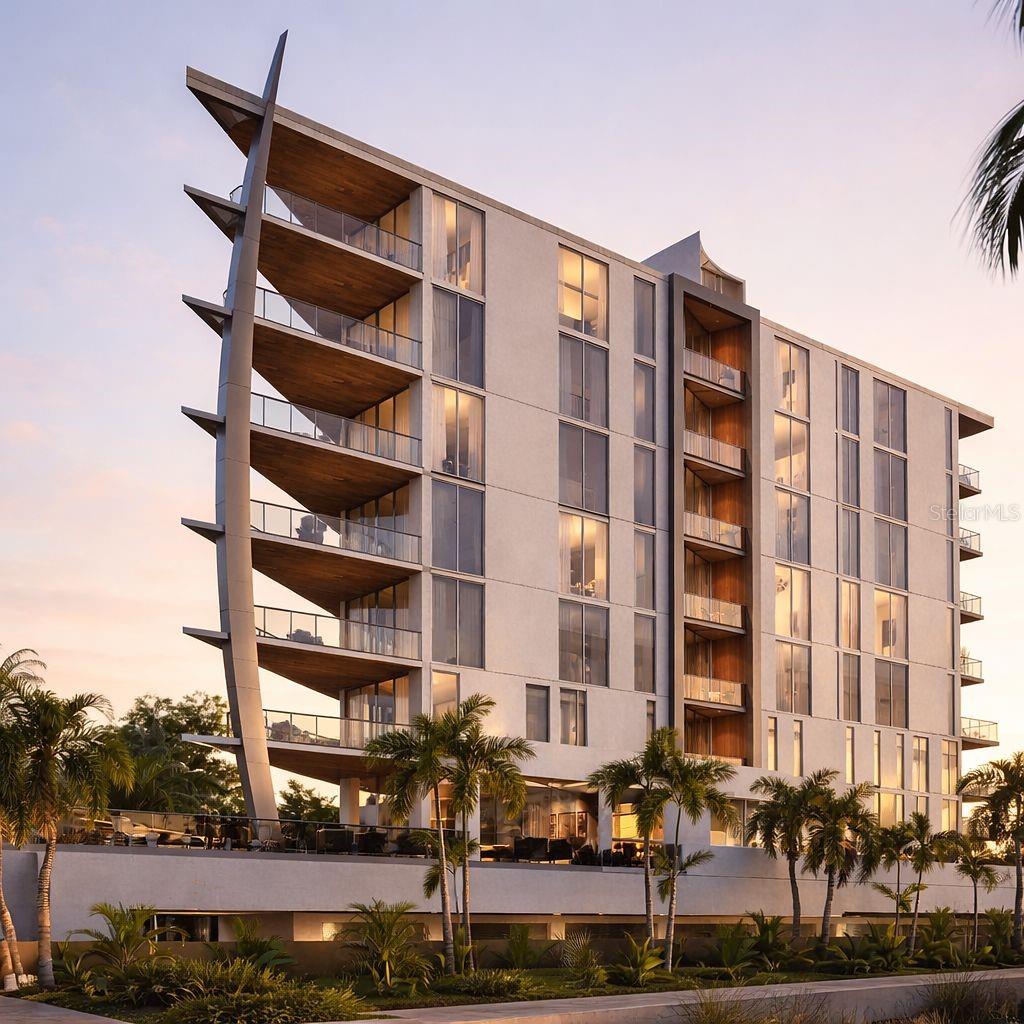
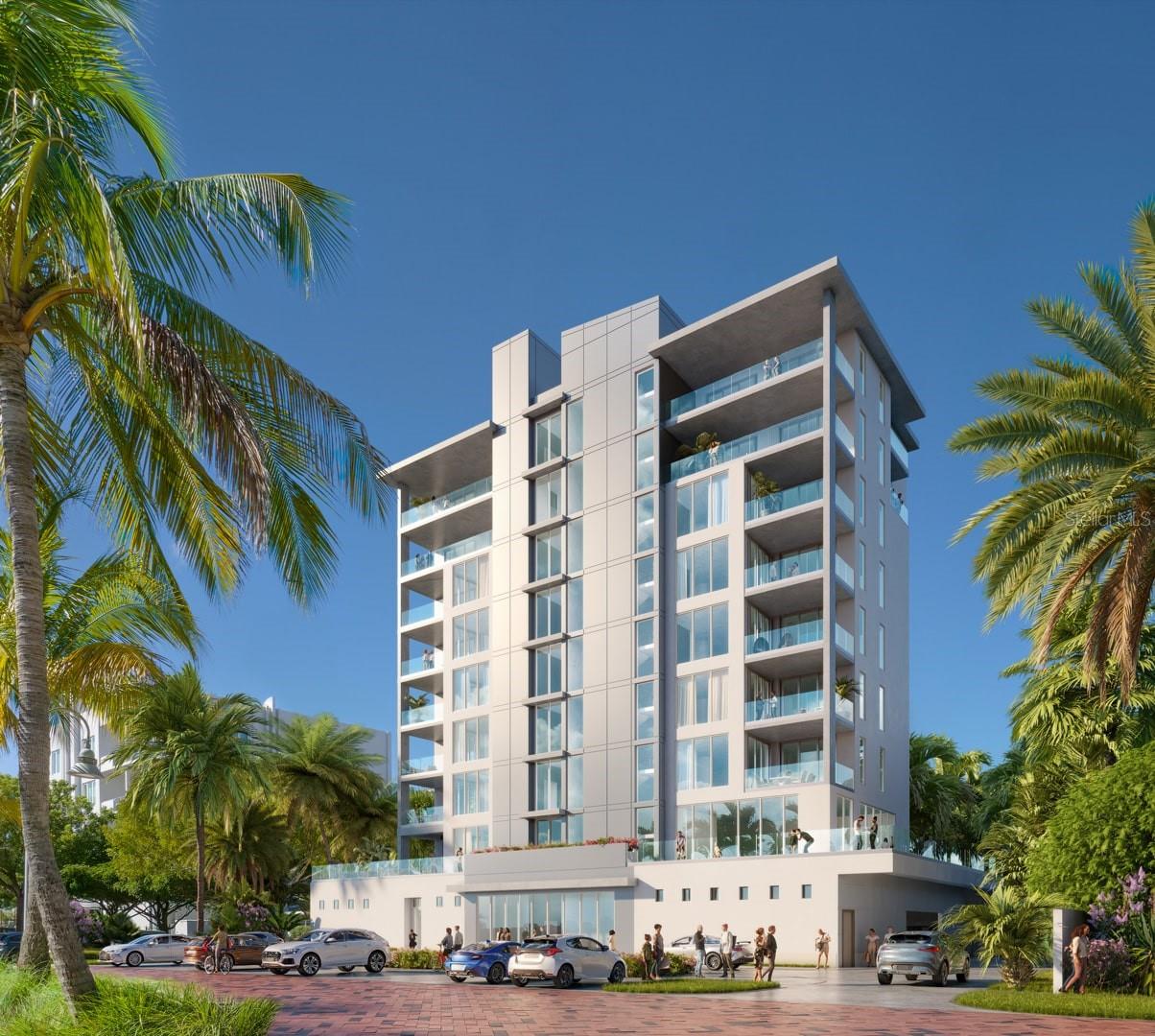
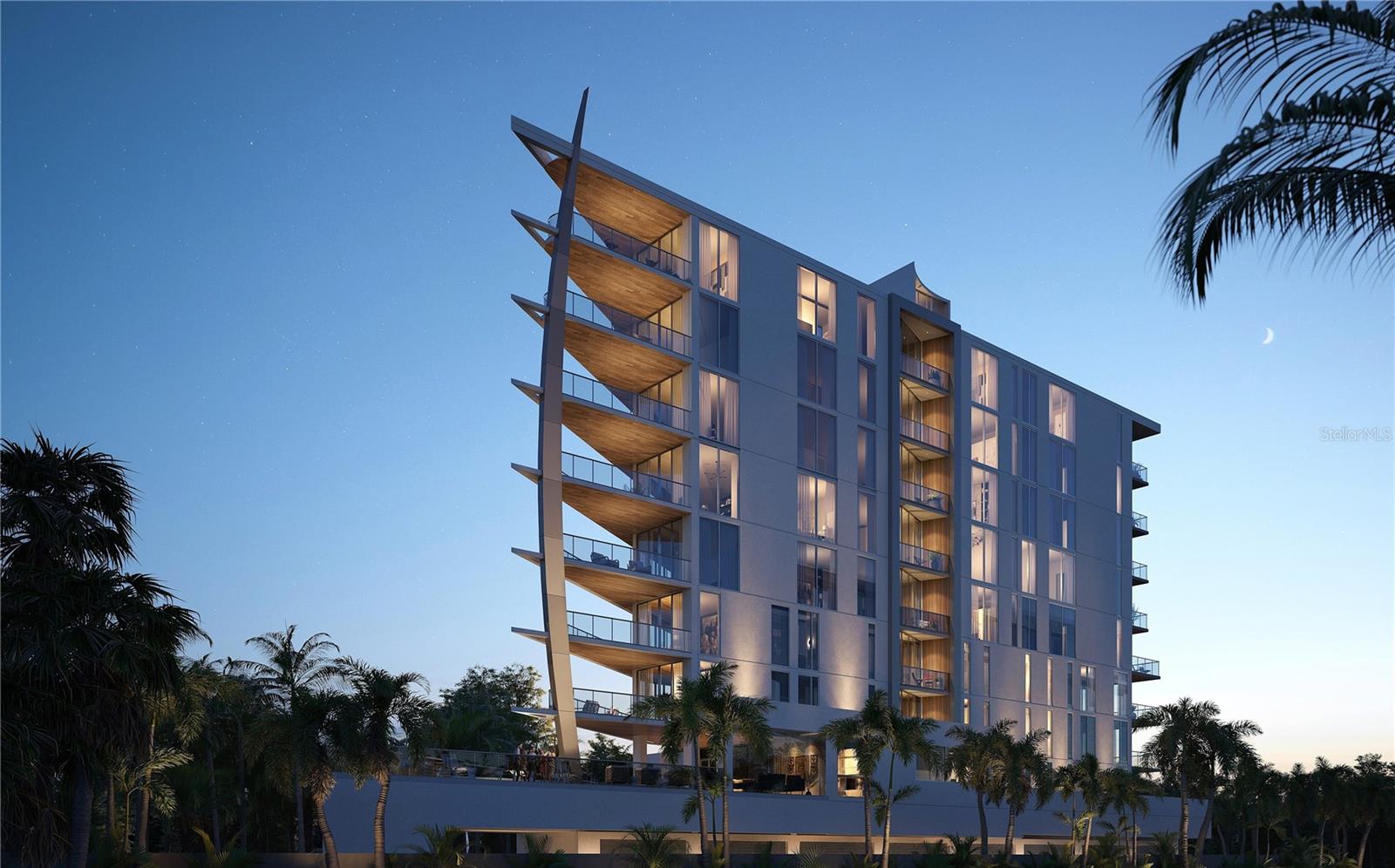
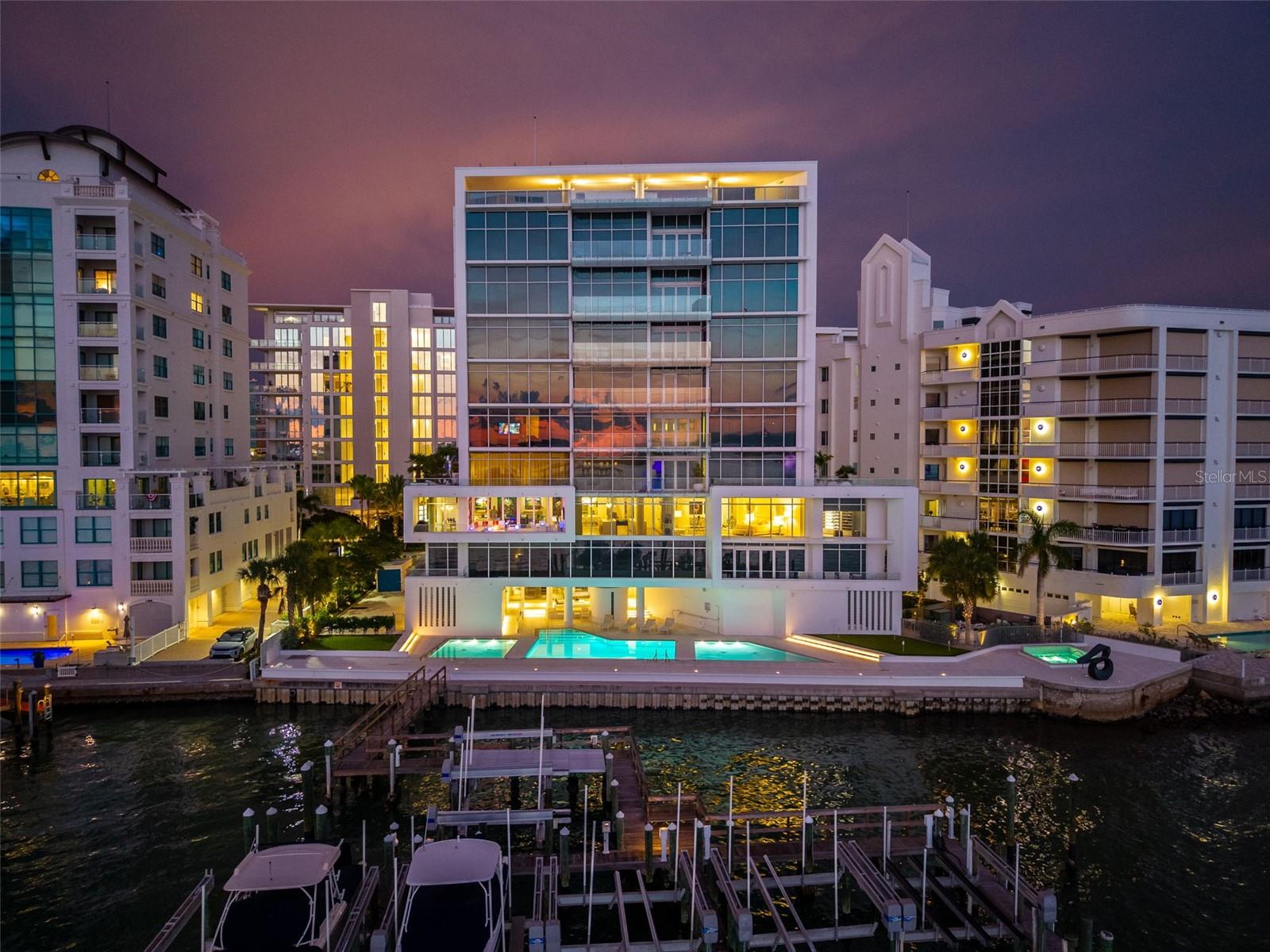
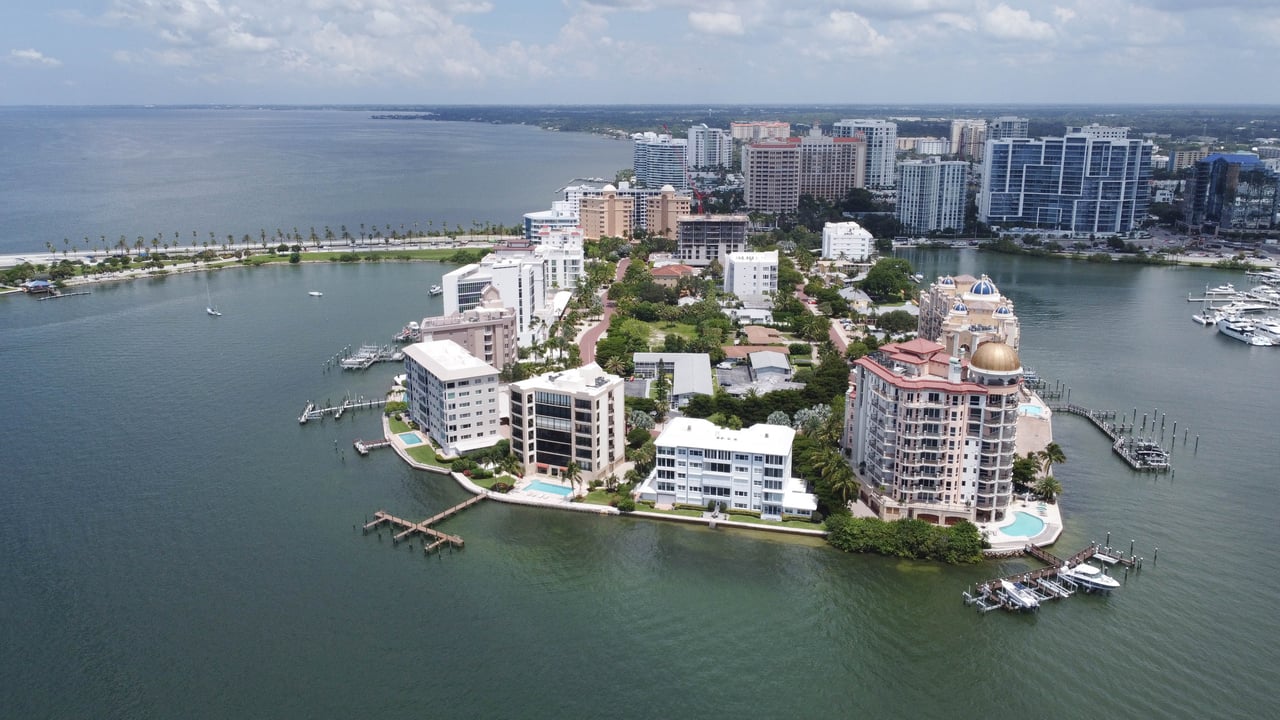
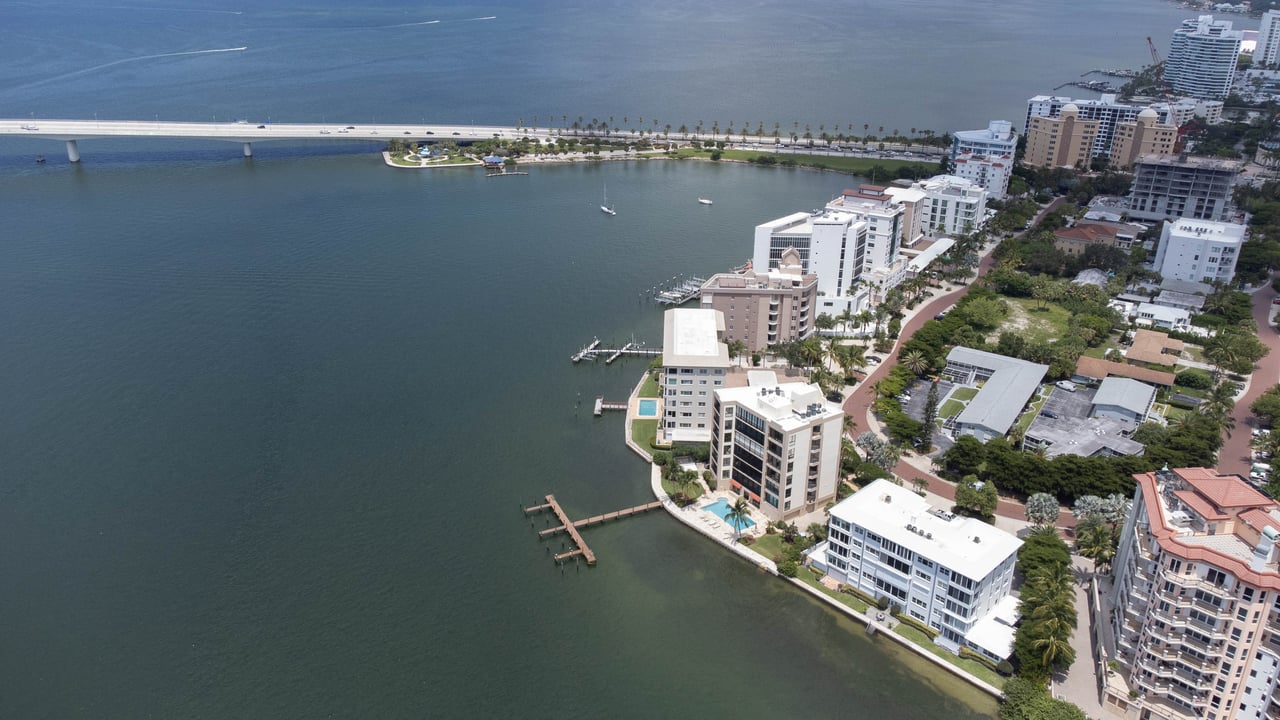
Stand on Golden Gate Point and look around. Two buildings a few hundred feet apart — same bay, same five-minute walk to Main Street, same sunsets. One is a gleaming new tower. One is an original from the 1970s. The new tower might cost two or three times as much per square foot. So the question buyers ask us, almost word for word, is: “Is the older building actually a good buy, or is it cheap for a reason?”
The honest answer is: it depends entirely on the building — and we can usually tell you which kind it is. Here is how to think about it.
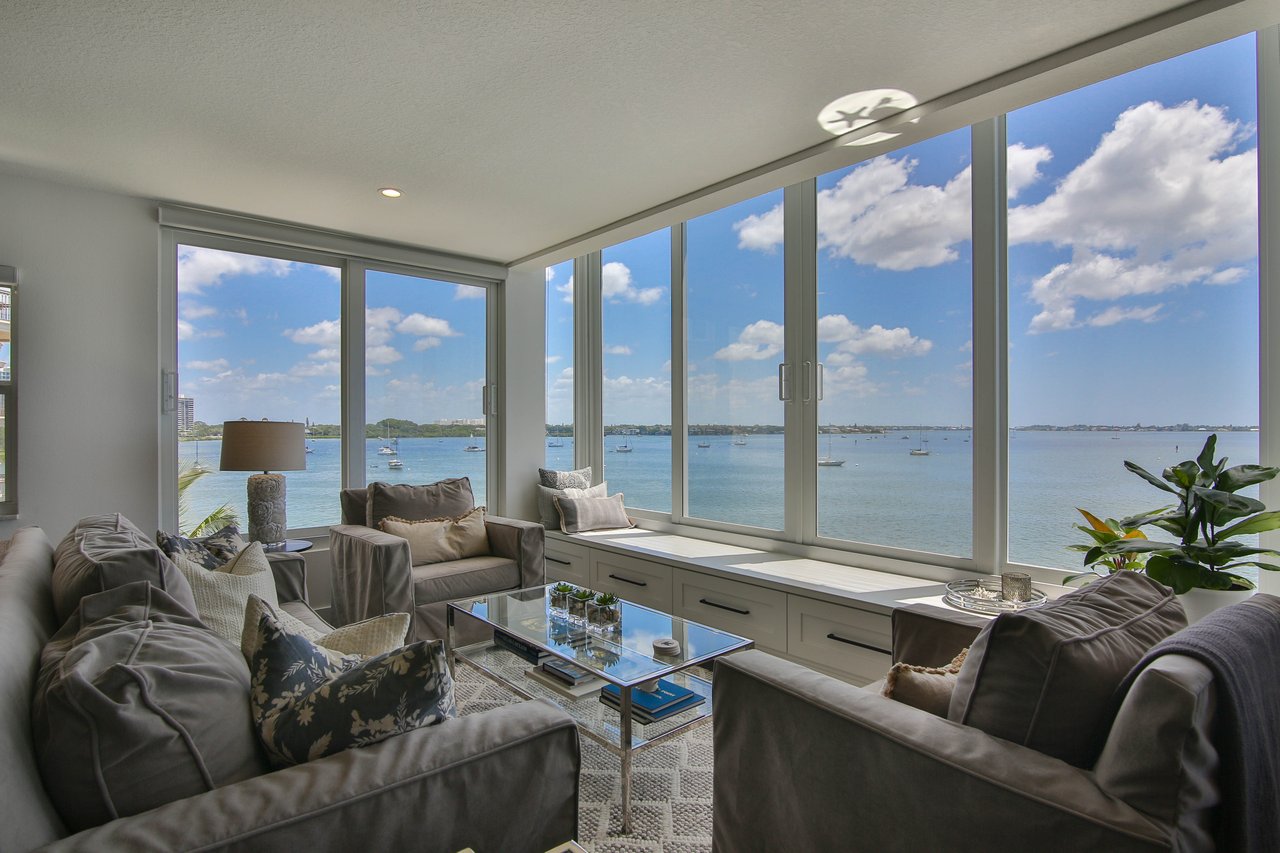
I’m Alison Kanter. I specialize in Downtown Sarasota and know Golden Gate Point building by building, alongside my mother, Broker Danielle Gladding, who has watched this peninsula change for four decades. The Point is small enough that we know its buildings personally — which is exactly what this question requires. Danielle actually lived in and completely renovated an older Golden Gate Point Condo
• Older Golden Gate Point condos often deliver the best value on the Point — the same address and lifestyle for meaningfully less per square foot.
• They can also carry the most risk — Florida’s reserve and milestone-inspection laws hit older buildings hardest.
• The deciding factor is never the year built. It is whether that specific building funded its reserves and passed its inspection.
• A sound older building is a smart buy. An underfunded one can cost more than a new tower. We help you tell them apart.
There are real reasons sophisticated buyers choose an original Point building — not as a compromise, but as the smarter move.
This is the headline. You get the identical Golden Gate Point address — the quiet peninsula, the walk to Main Street, the water on three sides — for a fraction of the new-tower price per square foot. For buyers who care more about the location and the life than about a marble lobby, that is a genuine bargain, not a consolation prize.
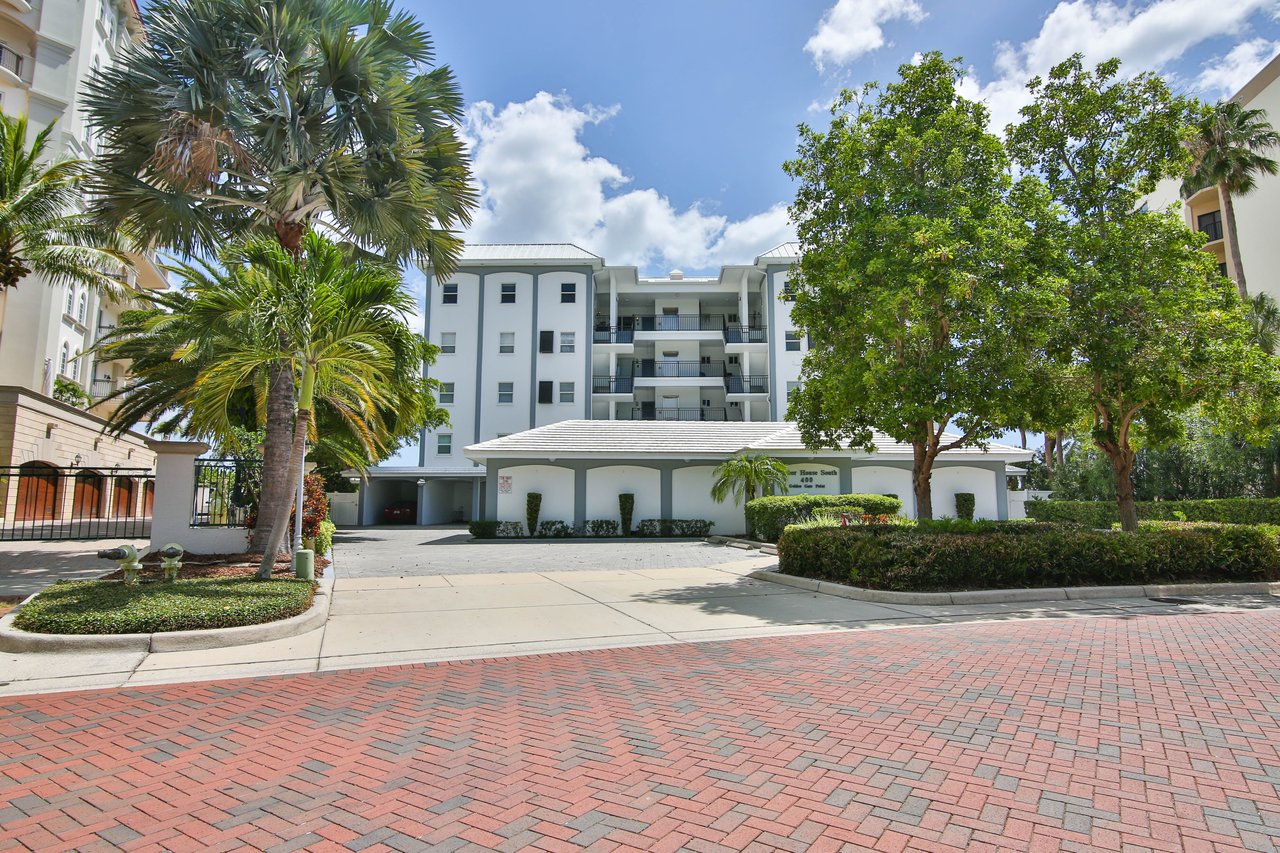
Original buildings are smaller and quieter, often a dozen to a few dozen units rather than a hundred. Fewer neighbors, a more personal community, and a mid-century character that new construction cannot replicate. Buyers who find the towers a touch corporate frequently fall for an original.
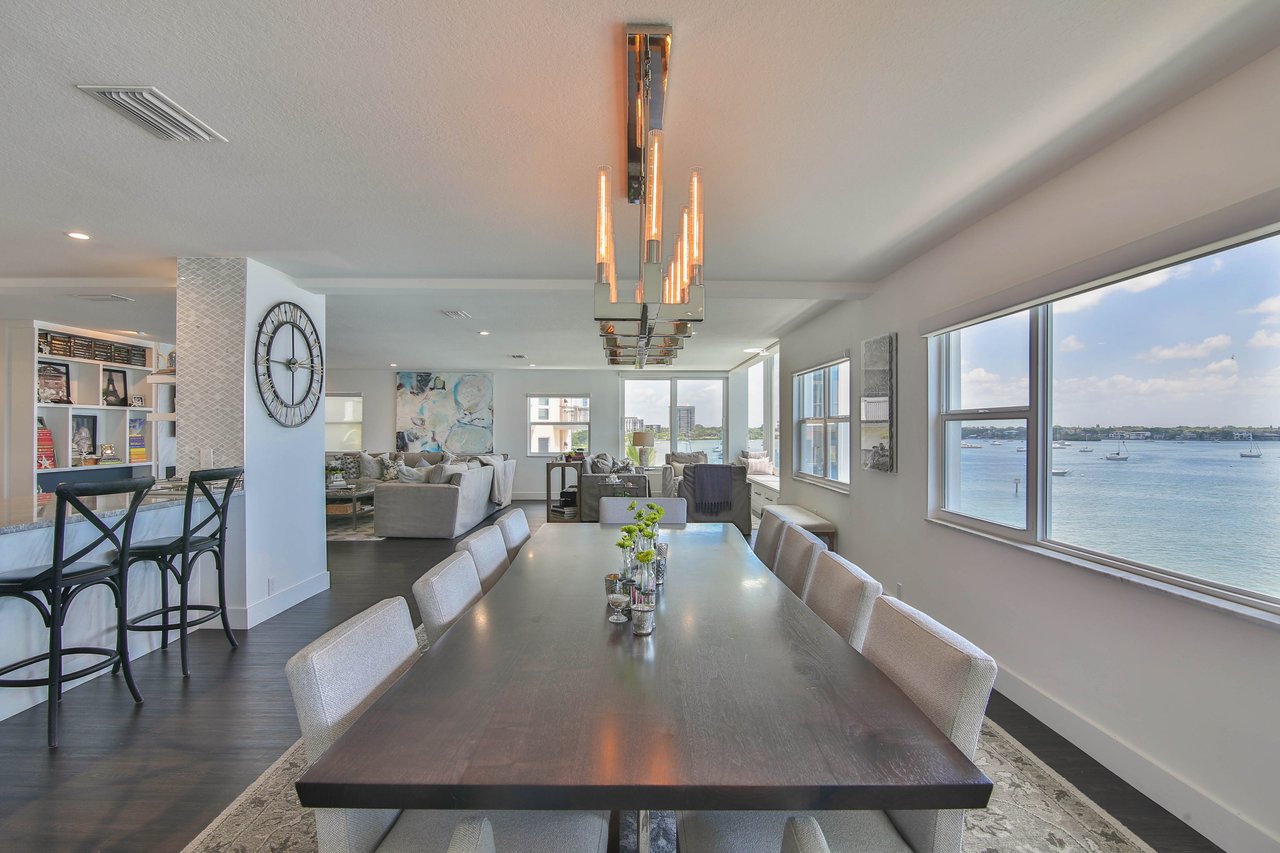
Many original units are unrenovated or lightly updated. For a buyer with vision and a realistic budget, that is opportunity — the chance to create exactly the home you want, at a basis the new towers will never offer.
Now the candor. The same age that makes these buildings affordable is the age that exposes them to Florida’s post-Surfside condo laws — mandatory milestone inspections and fully funded structural reserves. An older building that planned ahead is fine. One that deferred maintenance and underfunded reserves for years can be facing large special assessments, and a low purchase price can quietly hide a six-figure bill headed your way.
This is the whole game on older buildings, and we wrote a full checklist for it in our companion post, “What to Know Before Buying a Downtown Sarasota Condo.” The short version: the building’s financials matter more than the unit’s finishes.
|
THE THING NOBODY ELSE WILL TELL YOU On a peninsula this small, the buildings have reputations — and we know them. We know which original buildings have funded their reserves and passed inspection clean, and which are quietly bracing for an assessment the listing will never mention. We know which boards are functional and which are at war with themselves. There is also the redevelopment angle few buyers consider: some original buildings sit on land worth more than the structure, and several on the Point have been bought and replaced by new towers over the years. For the right buyer or investor, that optionality is part of the value — but it is also a reason to understand a building’s ownership before you buy. We will tell you candidly what we know. |
Run any older Point building through this before you get attached:
• Has the milestone inspection been completed — and passed, not just scheduled?
• Is the structural reserve study backed by actual money in the reserve accounts?
• Is there any special assessment pending, discussed in minutes, or looming?
• Are the monthly fees realistic for a building of this age — or suspiciously low?
• If you want it: does the unit’s renovation cost still leave you below new-tower pricing once you add it to the purchase price?
If the answers hold up, an older Golden Gate Point condo can be one of the smartest buys downtown. If they do not, the “bargain” is a trap. The year on the building tells you almost nothing; these answers tell you everything.
Because we know the Point building by building, we can usually tell you on the first phone call whether the building you are eyeing is a sound value or a problem dressed up as a deal. Then we pull and read the documents to confirm it — the inspection, the reserve study, the minutes — and we tell you plainly what we see, including when we would walk away. On older Point buildings, that judgment is the entire value of having us in your corner.
If you are weighing an older condo on Golden Gate Point — or comparing one against a newer building — the most useful next step is a confidential, no-pressure conversation. Not a pitch. A conversation. Tell us which building you are looking at, and we will tell you what we know about it.
— Alison & Danielle | Danielle Gladding & Co. Realty
Older condos on Golden Gate Point can be an excellent buy because they offer the same walkable bayfront location as the new towers at a meaningfully lower price per square foot. However, whether a specific older building is a good buy depends on its milestone inspection status and whether its structural reserves are funded, since Florida’s post-2021 condo laws hit older buildings hardest.
Older Golden Gate Point condos are cheaper primarily because they lack the new construction, modern amenities, and marble-lobby finishes of the recent luxury towers, not because the location is inferior — they share the same peninsula and walkability. This price gap can represent real value for buyers who prioritize the address and lifestyle over new-building amenities, provided the building’s finances are sound.
The main risk of buying an older condo on Golden Gate Point is inheriting special assessments tied to Florida’s required milestone inspections and structural reserve funding, which older buildings are most likely to face. A building that deferred maintenance or underfunded reserves can levy large assessments on current owners, so reviewing the reserve study, inspection status, and board minutes is essential.
Many older Golden Gate Point condos can be renovated internally, and unrenovated units often represent an opportunity for buyers to customize a home at a lower basis than the new towers. Buyers should factor renovation costs into the total purchase to confirm the all-in price still beats newer alternatives, and confirm any building rules governing renovations.
Some older buildings on Golden Gate Point sit on land that has become more valuable than the aging structures, leading developers to acquire and replace them with new luxury towers. For certain buyers and investors this redevelopment potential adds value, but it makes understanding a building’s ownership and any assemblage activity important before purchasing an older unit.
Whether to buy an old or new condo on Golden Gate Point depends on your priorities: older buildings offer better value, more character, and renovation potential, while new towers offer modern amenities, updated systems, and fewer near-term reserve concerns. The deciding factor for an older building is always whether that specific building has funded its reserves and passed its required inspection.
Stand on Golden Gate Point and look around. Two buildings a few hundred feet apart — same bay, same five-minute walk to Main Street, same sunsets. One is a gleaming new tower. One is an original from the 1970s. The new tower might cost two or three times as much per square foot. So the question buyers ask us, almost word for word, is: “Is the older building actually a good buy, or is it cheap for a reason?”
The honest answer is: it depends entirely on the building — and we can usually tell you which kind it is. Here is how to think about it.
I’m Alison Kanter. I specialize in Downtown Sarasota and know Golden Gate Point building by building, alongside my mother, Broker Danielle Gladding, who has watched this peninsula change for four decades. The Point is small enough that we know its buildings personally — which is exactly what this question requires. Danielle actually lived in and completely renovated an older Golden Gate Point Condo
• Older Golden Gate Point condos often deliver the best value on the Point — the same address and lifestyle for meaningfully less per square foot.
• They can also carry the most risk — Florida’s reserve and milestone-inspection laws hit older buildings hardest.
• The deciding factor is never the year built. It is whether that specific building funded its reserves and passed its inspection.
• A sound older building is a smart buy. An underfunded one can cost more than a new tower. We help you tell them apart.
There are real reasons sophisticated buyers choose an original Point building — not as a compromise, but as the smarter move.
This is the headline. You get the identical Golden Gate Point address — the quiet peninsula, the walk to Main Street, the water on three sides — for a fraction of the new-tower price per square foot. For buyers who care more about the location and the life than about a marble lobby, that is a genuine bargain, not a consolation prize.
Original buildings are smaller and quieter, often a dozen to a few dozen units rather than a hundred. Fewer neighbors, a more personal community, and a mid-century character that new construction cannot replicate. Buyers who find the towers a touch corporate frequently fall for an original.
Many original units are unrenovated or lightly updated. For a buyer with vision and a realistic budget, that is opportunity — the chance to create exactly the home you want, at a basis the new towers will never offer.
Now the candor. The same age that makes these buildings affordable is the age that exposes them to Florida’s post-Surfside condo laws — mandatory milestone inspections and fully funded structural reserves. An older building that planned ahead is fine. One that deferred maintenance and underfunded reserves for years can be facing large special assessments, and a low purchase price can quietly hide a six-figure bill headed your way.
This is the whole game on older buildings, and we wrote a full checklist for it in our companion post, “What to Know Before Buying a Downtown Sarasota Condo.” The short version: the building’s financials matter more than the unit’s finishes.
|
THE THING NOBODY ELSE WILL TELL YOU On a peninsula this small, the buildings have reputations — and we know them. We know which original buildings have funded their reserves and passed inspection clean, and which are quietly bracing for an assessment the listing will never mention. We know which boards are functional and which are at war with themselves. There is also the redevelopment angle few buyers consider: some original buildings sit on land worth more than the structure, and several on the Point have been bought and replaced by new towers over the years. For the right buyer or investor, that optionality is part of the value — but it is also a reason to understand a building’s ownership before you buy. We will tell you candidly what we know. |
Run any older Point building through this before you get attached:
• Has the milestone inspection been completed — and passed, not just scheduled?
• Is the structural reserve study backed by actual money in the reserve accounts?
• Is there any special assessment pending, discussed in minutes, or looming?
• Are the monthly fees realistic for a building of this age — or suspiciously low?
• If you want it: does the unit’s renovation cost still leave you below new-tower pricing once you add it to the purchase price?
If the answers hold up, an older Golden Gate Point condo can be one of the smartest buys downtown. If they do not, the “bargain” is a trap. The year on the building tells you almost nothing; these answers tell you everything.
Because we know the Point building by building, we can usually tell you on the first phone call whether the building you are eyeing is a sound value or a problem dressed up as a deal. Then we pull and read the documents to confirm it — the inspection, the reserve study, the minutes — and we tell you plainly what we see, including when we would walk away. On older Point buildings, that judgment is the entire value of having us in your corner.
If you are weighing an older condo on Golden Gate Point — or comparing one against a newer building — the most useful next step is a confidential, no-pressure conversation. Not a pitch. A conversation. Tell us which building you are looking at, and we will tell you what we know about it.
— Alison & Danielle | Danielle Gladding & Co. Realty
Older condos on Golden Gate Point can be an excellent buy because they offer the same walkable bayfront location as the new towers at a meaningfully lower price per square foot. However, whether a specific older building is a good buy depends on its milestone inspection status and whether its structural reserves are funded, since Florida’s post-2021 condo laws hit older buildings hardest.
Older Golden Gate Point condos are cheaper primarily because they lack the new construction, modern amenities, and marble-lobby finishes of the recent luxury towers, not because the location is inferior — they share the same peninsula and walkability. This price gap can represent real value for buyers who prioritize the address and lifestyle over new-building amenities, provided the building’s finances are sound.
The main risk of buying an older condo on Golden Gate Point is inheriting special assessments tied to Florida’s required milestone inspections and structural reserve funding, which older buildings are most likely to face. A building that deferred maintenance or underfunded reserves can levy large assessments on current owners, so reviewing the reserve study, inspection status, and board minutes is essential.
Many older Golden Gate Point condos can be renovated internally, and unrenovated units often represent an opportunity for buyers to customize a home at a lower basis than the new towers. Buyers should factor renovation costs into the total purchase to confirm the all-in price still beats newer alternatives, and confirm any building rules governing renovations.
Some older buildings on Golden Gate Point sit on land that has become more valuable than the aging structures, leading developers to acquire and replace them with new luxury towers. For certain buyers and investors this redevelopment potential adds value, but it makes understanding a building’s ownership and any assemblage activity important before purchasing an older unit.
Whether to buy an old or new condo on Golden Gate Point depends on your priorities: older buildings offer better value, more character, and renovation potential, while new towers offer modern amenities, updated systems, and fewer near-term reserve concerns. The deciding factor for an older building is always whether that specific building has funded its reserves and passed its required inspection.
Get assistance in determining current property value, crafting a competitive offer, writing and negotiating a contract, and much more. Contact Us today.