Leave a Message

Thank you for your message. We will be in touch with you shortly.

Bay Point Park

Bay Point Park

Bay Point Park is a small West of the Trail neighborhood of roughly forty homes on the peninsula where Hudson Bayou meets Sarasota Bay, between Marie Selby Botanical Gardens and Harbor Acres. Deep water, no bridges to the bay — guided by Danielle Gladding and Alison Kanter.

Search Homes

Bay Point Park is a small residential neighborhood on the peninsula where Hudson Bayou meets Sarasota Bay, west of the Tamiami Trail and roughly a mile from downtown. It begins at South Orange Avenue, where Bay Point Drive and Gulfview Drive start, and it holds somewhere in the neighborhood of forty homes. Marie Selby Botanical Gardens sits directly across the bayou to the north. Harbor Acres is the neighbor to the south.

That position — between the Gardens and Harbor Acres, at the mouth of the bayou — is the whole neighborhood. It is why the water works, why the views look the way they do, and why forty-odd houses trade the way they trade.

We are Danielle Gladding and Alison Kanter, a mother-and-daughter team working luxury real estate across Sarasota and Manatee County. Danielle has been a licensed Realtor since 1981 and a licensed Broker since 1987, and arrived in Sarasota in 1976 — fifty years of watching this market turn. Alison holds an MBA from Clemson and came to real estate from a career with a multinational corporation; she is the one who reads the recorded documents line by line and finds the problem while it is still solvable. Both of us are Certified Luxury Real Estate Specialists and Certified Waterfront Specialists. We work every neighborhood in these two counties, together.

Bay Point Park at a Glance

  • Location — West of the Tamiami Trail, entered from South Orange Avenue, on the peninsula between Hudson Bayou and Sarasota Bay.

  • Streets — Bay Point Drive and Gulfview Drive. That is essentially the neighborhood.

  • Size — Roughly forty homes. One of the smallest named neighborhoods in the West of the Trail corridor.

  • Platted — August 1924, with a resubdivision the following year that created the yacht basin and its park tract.

  • Water — Deep water at the mouth of the bayou with no bridges between the neighborhood and Sarasota Bay.

  • Homes — Single-family only. Both waterfront and interior lots. No condominiums.

  • Architecture — Mediterranean, Spanish Colonial, Key West, and contemporary. Older houses have been steadily replaced by custom construction.

  • Basin — A nine-slip community dock and boat basin on Gulfview Drive, owned by the Bay Point Park Neighborhood Association and shown on the plat as a park tract with the adjoining basin and riparian rights.

  • Amenities — Not gated. No community pool, no clubhouse, no staffed entry. Owners maintain their own grounds.

  • Views — Selby Gardens across the bayou, the downtown skyline, the Ringling Bridge, and open bay water depending on position.

Where Bay Point Park Sits

Turn west off South Orange Avenue and you are in it. Bay Point Drive and Gulfview Drive run out onto the peninsula, and there is nowhere else for the street to go — which is the reason a neighborhood a mile from downtown feels as quiet as it does. Nobody drives through Bay Point Park. There is no through to get to.

North across Hudson Bayou is Marie Selby Botanical Gardens, which means a substantial number of homes here look at a botanical garden rather than at other houses. South is Harbor Acres. East across Orange Avenue is Avondale. Downtown Sarasota, Sarasota Memorial Hospital, Southside Village, and the Ringling Bridge to St. Armands Key and Lido Key are all minutes away.

That relationship is older than the Gardens. The 1925 plat of this neighborhood labels the land across Hudson Bayou as Selby property — the family whose bayfront estate later became Marie Selby Botanical Gardens. The neighborhood has been looking across the water at that land for a century.

It is worth saying plainly what that adjacency does. A protected botanical garden is not going to be redeveloped into anything. Views across the bayou here are about as durable as a view gets in a growing city, and that is a different quality of asset than a view across a neighbor’s lot.

The Water — Why This Neighborhood Exists

Bay Point Park sits at the mouth of Hudson Bayou, downstream of the low fixed bridge that constrains everything upstream of it. From here, a boat runs out to Sarasota Bay and on toward the Gulf without passing under a fixed span. Water depth at the point where the bayou opens into the bay is meaningfully better than anywhere up the waterway.

That single fact separates Bay Point Park from its neighbors more than architecture or lot size does. Avondale is one street east across Orange Avenue and every dock there is inside the bridge — small-boat water, a fixed span under ten feet, no route around it. Bay Point Park is outside it. Two neighborhoods a few hundred yards apart, on opposite sides of one bridge, and for a buyer with a real boat they are not remotely the same purchase.

If you are buying here for the boat, the confirmations still matter and they are specific to the dock, not the neighborhood: controlling depth at mean low water at that dock, the seawall condition and permit history, whether the dock and lift are permitted as built, and — on any interior lot — exactly what form of water access conveys with the property. That last one is the question almost nobody asks correctly.

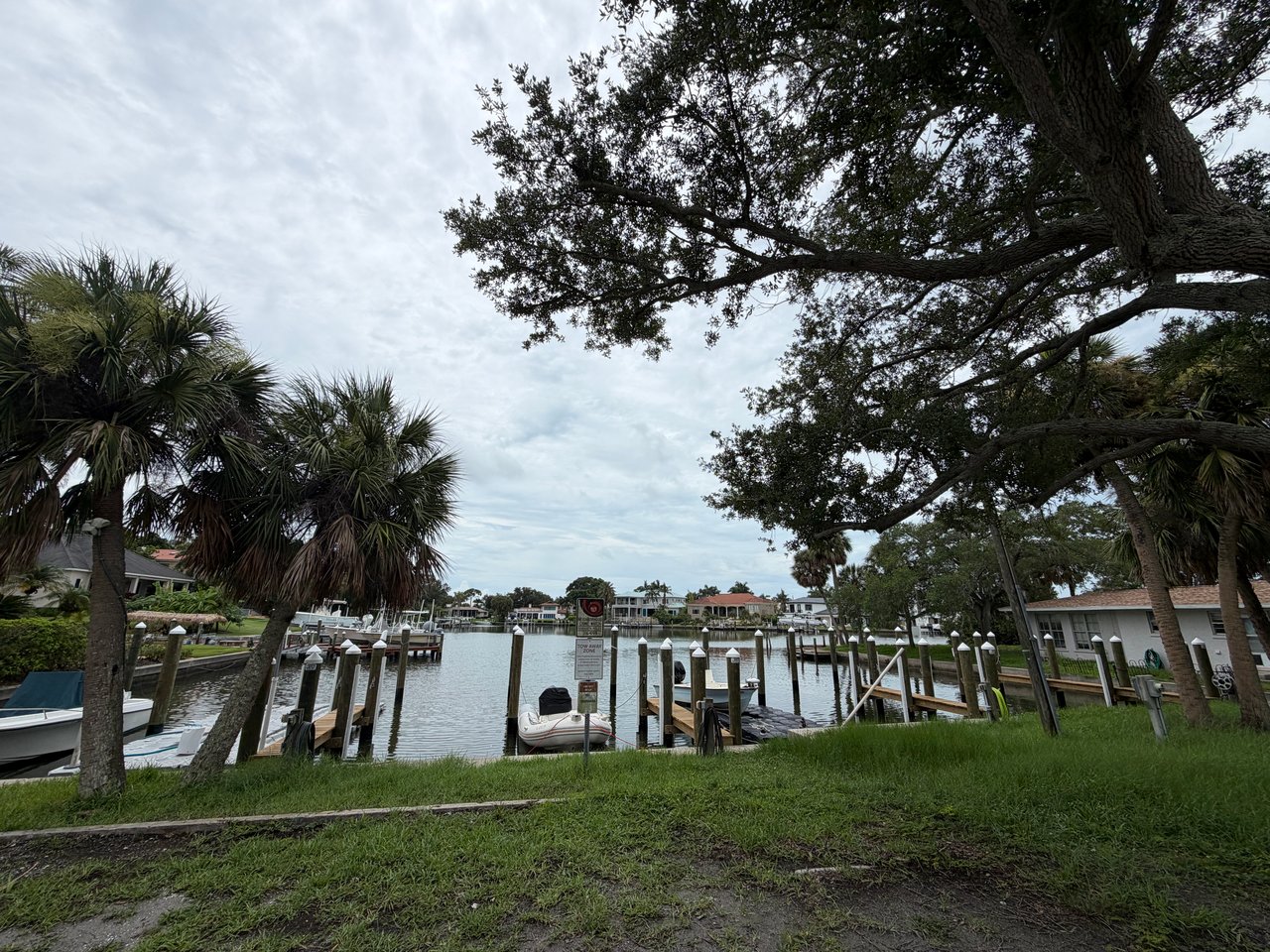
The Yacht Basin

Bay Point Park is not only waterfront. A number of homes sit on interior lots, and the neighborhood has a shared boat basin — a platted feature rather than an informal arrangement.

The basin was cut into the neighborhood at the beginning. Baypoint Park was first platted in August 1924. The following year the developers went back and resubdivided the eastern end of Gulfview Drive, and that 1925 plat is where the yacht basin appears — drawn and labeled, with an entrance channel from the bayou and an adjoining tract marked "Park," thirty feet wide and a hundred thirty-five feet long, together with the basin and all riparian rights. This is not a neighborhood that acquired a shared dock somewhere along the way. Its developers reworked their own plat within a year to put one there. It has belonged to the Bay Point Park Neighborhood Association since 1980, when it was conveyed by the association’s predecessor, the Bay Point Park Improvement Association. The Sarasota County Property Appraiser classifies the parcel as a boat basin, and the seawall around it is recorded as dating to 1930.

It is not one basin but three, arranged around wood docks along poured concrete seawall. State lease records describe the facility as a nine-slip community dock — nine, in a neighborhood of roughly forty to forty-five homes. Sit with that number for a moment, because it is the single most useful fact anyone can hand you about this neighborhood.

There is one more layer, and almost no buyer hears about it. Part of the docking facility extends over sovereign submerged land — bay bottom owned by the State of Florida. Facilities of this kind operate under a sovereignty submerged lands lease issued by the Board of Trustees of the Internal Improvement Trust Fund, and Bay Point Park’s is a matter of public record, renewed and modified over the years as these leases are. A lease like that carries a fixed term, limits on use — mooring of recreational vessels in conjunction with the upland residential neighborhood, no fueling facilities, no liveaboards — and renewal that sits at the state’s option rather than the association’s.

Two details inside that framework are worth knowing, because they are the kind of thing people get backwards. The first is that this is not a day dock. The lease contemplates vessels moored on either a temporary or a permanent basis, so a boat can be kept here. What is not permitted is living aboard — a liveaboard is defined as a vessel docked at the facility and inhabited for five consecutive days, or ten days within a thirty-day period, and the facility is authorized without them. If you have heard there is a five-day rule at Bay Point Park, that is where it comes from, and it is about sleeping on the boat rather than about how long the boat may stay.

The second is that a vessel has to sit wholly within its designated slip, with no part of it extending beyond the leased area, and length is measured overall — including outboard motors, bow pulpit, and swim platform. Buyers underestimate that regularly. A boat you think of as a thirty-eight-footer can measure well past forty by that standard, and on a nine-slip facility there is no slack to absorb the difference. Measure the boat the way the lease measures it before you assume it fits.

None of this is unusual. Community docking facilities up and down the Florida coast operate exactly this way. But it is a set of moving parts that exists here and does not exist behind a private dock on a private lot, and a buyer should know that before assuming a shared basin is a simpler arrangement than a seawall of their own. Confirm the current status and term of the submerged lands lease, and what the association pays to maintain it.

What the public record does not settle is how those nine slips are assigned among the homes here, and we are not going to guess at it. A shared basin can be structured as a right deeded appurtenant to a specific lot, as an association membership, as a rotating assignment, or as launch-only access with no right to keep a vessel — and those four arrangements are worth very different amounts of money at resale.

A listing that says "community boat dock" does not distinguish between them. Neither do the neighborhood descriptions published elsewhere online, most of which are copies of one another. We wrote the full explanation — what the recorded documents establish, what they leave open, and how to tell which structure applies to a specific parcel — in our companion post, Bay Point Park’s Boat Basin: What Buyers Should Know.

One point does follow from the county record. The association owns the tract outright and it carries no homestead or exemption, which means property tax is paid on it every year, alongside the state lease fee and whatever the seawall and docks require. Somebody funds all of that. Ask what the annual assessment is and whether it is mandatory before assuming a shared basin is a free amenity.

Read the Association Documents. This Is Not Boilerplate Advice.

A shared basin like this is a genuinely unusual thing to find in a small enclave of forty-odd houses a mile from downtown Sarasota. It is part of what makes Bay Point Park what it is, and we would not talk anyone out of wanting it.

We would tell them to read the documents first. If the basin is part of why you want this neighborhood, then reviewing the association documents is not a formality to get through before closing. It is the most important thing you will do in the entire purchase, because it is the only way to understand what you are actually buying into.

Here is why. You can walk the house. You can inspect the roof, the seawall on your own lot, the electrical panel, the windows. What you cannot see, at any showing, in any photograph, on any listing, is what right you actually hold to that water. That right exists only on paper. It is either written down somewhere and enforceable, or it is a neighborly understanding that evaporates the day someone new joins the board. There is no third possibility, and no walk-through will tell you which one you are buying.

So ask for all of it, in writing, and read it inside your inspection period with an attorney who handles Florida community associations:

  • The recorded declaration of restrictions and every amendment. This is where a right appurtenant to a lot would appear, if one exists.

  • Articles of incorporation, bylaws, and current rules — including any rules governing the basin, vessel size, and assignment.

  • The current budget, the reserve study if there is one, and the reserve balances. A shared seawall and shared docks either have money set aside against them or they do not.

  • Board and membership meeting minutes for the last two to three years. This is the one most buyers skip and it is the most revealing document in the stack — seawall repairs, dock rebuilds, lease renewals, and special assessments are discussed in minutes long before they appear in a budget.

  • The estoppel letter, which states what is actually owed and whether the account is current.

  • The submerged lands lease and its current status, since the docking facility depends on it.

Then have someone confirm, in writing, what attaches to your specific parcel: whether any basin right conveys at closing, what it costs annually, what size vessel it accommodates, and whether there is a waiting list. Not what the seller believes. Not what a neighbor says. Not what we say. What the documents say.

And if anyone tells you the documents are not available, or not important, or that everyone in the neighborhood just works it out — that is the answer. Proceed accordingly, and price the property as though the water right does not exist, because at resale it may not.

Forty Homes

Published counts for Bay Point Park run from about forty to about forty-five houses. Either way, the number is small enough to matter to a buyer.

A neighborhood this size behaves differently from a large one. Inventory is genuinely scarce — there are stretches when nothing is available at all, and a buyer who says "I only want Bay Point Park" needs to understand they may be waiting rather than shopping. When something does come up, it tends to move on relationships and timing more than on marketing, which is a real argument for having a broker who has worked this corridor for decades and hears about things early.

Scarcity cuts the other way on resale, and favorably. A neighborhood that rarely has more than a couple of listings does not develop the inventory overhang that drags pricing in larger subdivisions when the market softens.

The Housing Stock

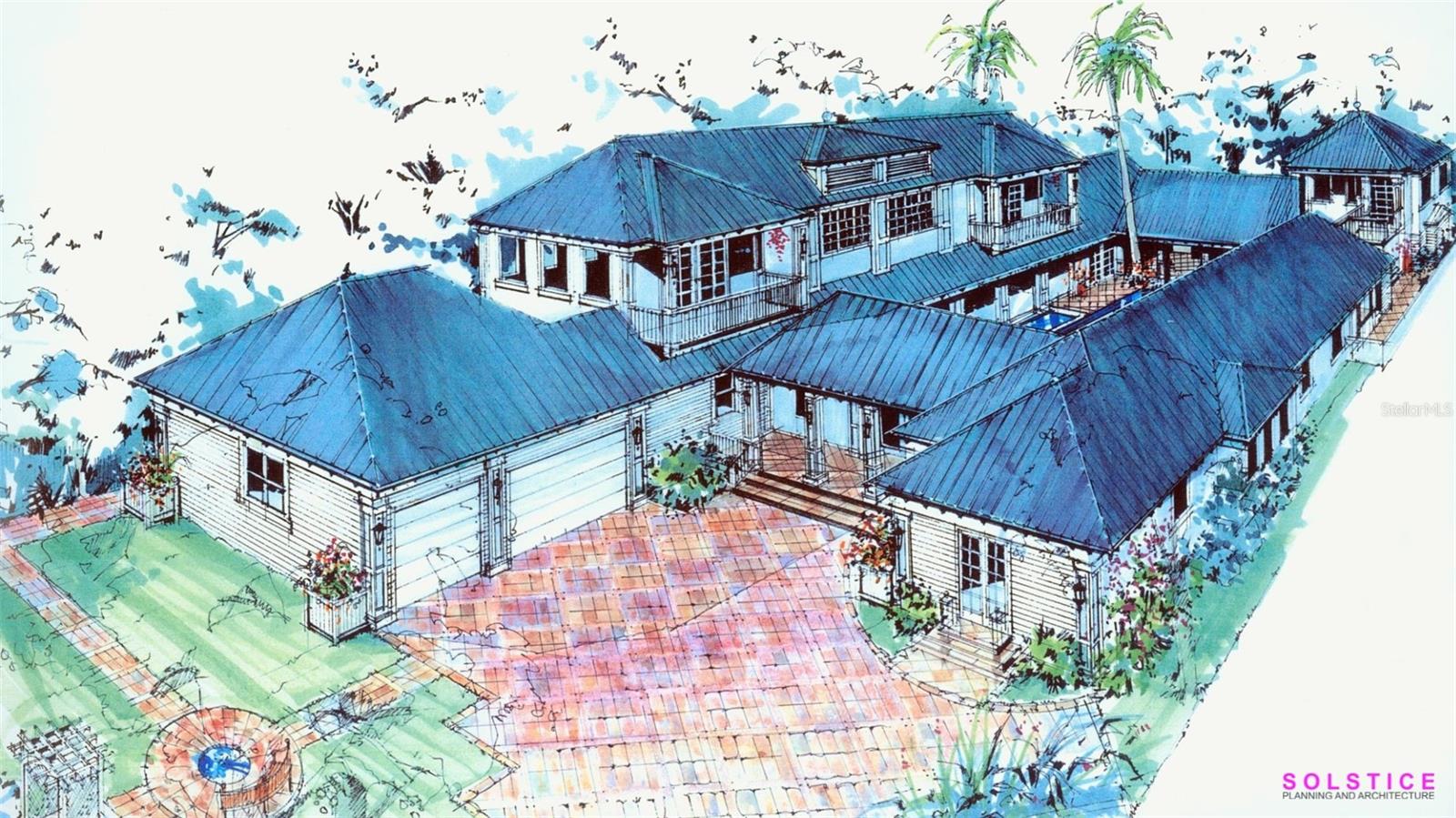
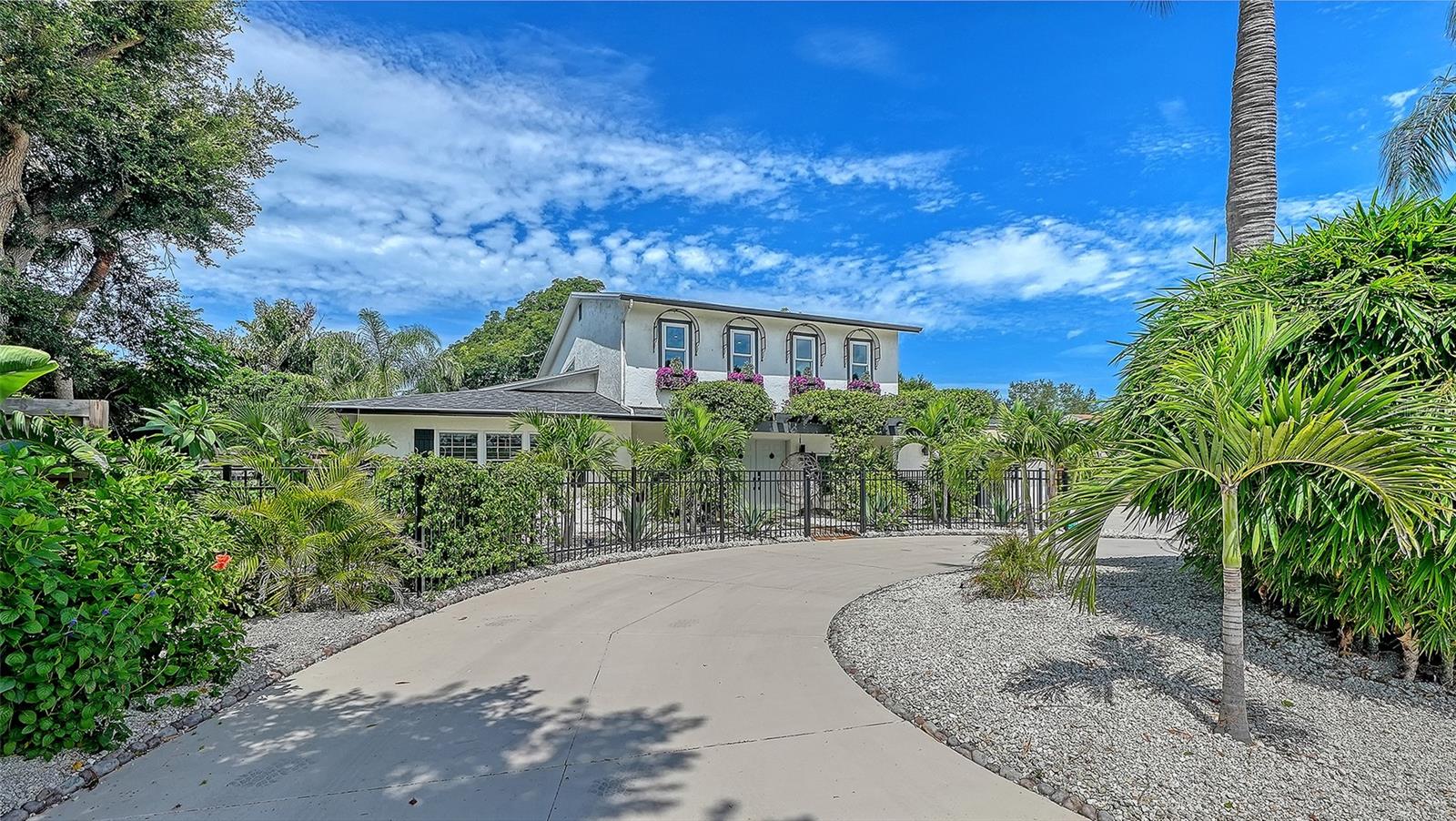
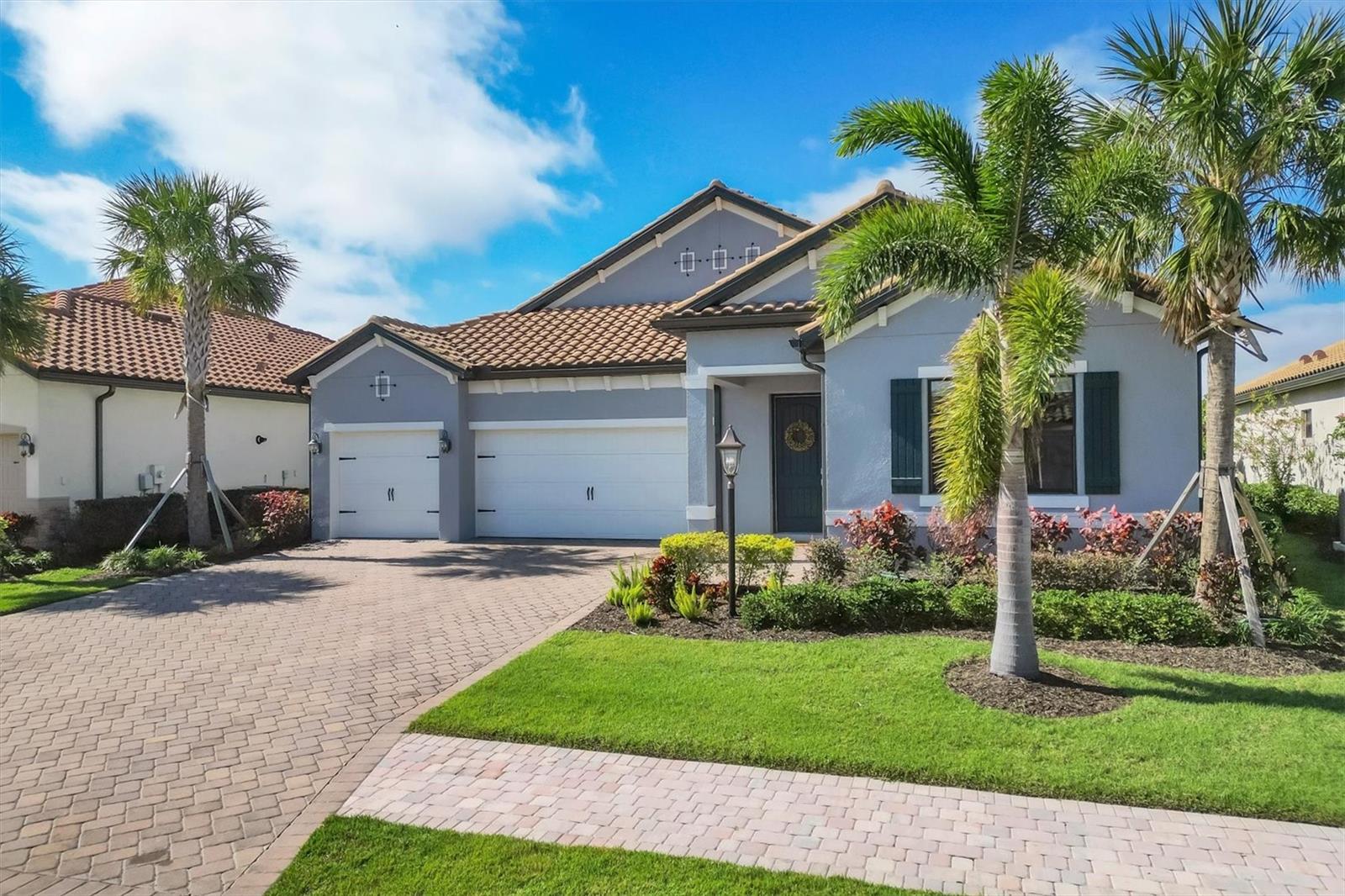
The subdivision was platted in August 1924, at the peak of the Florida land boom, as a subdivision of blocks of the earlier Zakrzewski Addition to Sarasota. Some of the original houses remain. A great many do not. Bay Point Park has seen sustained teardown-and-rebuild activity, and the result is a street where a restored Mediterranean, a Spanish Colonial, a Key West-style house, and a fully contemporary custom build can sit within a few hundred feet of one another.

For a buyer that means the same three-way decision that runs through most of the West of the Trail corridor — buy the older house and renovate, buy the older house for the land and rebuild, or buy the finished new construction — except that here the land component is a larger share of the value than almost anywhere else on the mainland. On a waterfront parcel at the mouth of the bayou, the house is frequently the smaller number. Price the rebuild before making an offer on anything older.

One note on renovation. The City of Sarasota requires a licensed contractor for this type of work, and not every contractor qualifies. Read the governing documents and confirm the requirements with the City before you budget the project, not after.

What We Would Verify Before Writing an Offer

  • The full association document package — declaration and amendments, bylaws, rules, budget, reserves, two to three years of minutes, and the estoppel. On a property where the basin matters, this is the single most important item on the list, not the last one. Read it inside the inspection period, with an attorney.

  • Basin access on an interior lot — in writing, from those documents. Whether a right is appurtenant to the parcel, whether it conveys at closing, annual cost, vessel-size limit, and whether a waiting list exists. Never on a verbal assurance.

  • The basin seawall — recorded as dating to 1930. Ask the association for its condition, repair history, and whether a special assessment is contemplated. A shared seawall of that age is a shared liability and belongs in the same conversation as the dues.

  • The submerged lands lease — current term, expiration, annual fee to the State of Florida, and compliance status. Renewal sits with the state, not the association, and the use restrictions run with it.

  • Dock, lift, and seawall — controlling depth at mean low water at that specific dock, seawall condition and repair history, and whether the dock and lift are permitted as built.

  • Flood zone and elevation — flood zone, base flood elevation, and a current elevation certificate. On an older house, the fifty-percent rule governs how far a renovation can go before the entire structure must be brought to current elevation standards. On a peninsula this matters more, not less.

  • Insurance — a bindable quote before the inspection period closes, not an estimate. Waterfront on a peninsula prices differently than inland.

  • Setbacks, height, and lot coverage — for that specific parcel, from the City of Sarasota, in writing, before planning a rebuild. Do not assume what a neighbor built is what you can build.

  • Association — the Bay Point Park Neighborhood Association owns the basin tract and pays property tax on it. Confirm whether membership is mandatory or voluntary, what the annual assessment is, what it covers, and what reserves exist.

  • Permit history — pull the record and reconcile it against what is standing. Century-old neighborhoods accumulate unpermitted work.

  • Survey — current, on any waterfront parcel, with the riparian lines shown.

Who Bay Point Park Suits

This neighborhood suits a buyer who wants real water — unobstructed access, a boat that does not have to duck under anything — combined with a walk-or-short-drive relationship to downtown Sarasota. It suits someone who wants a small, quiet street with no through traffic and is willing to trade amenities for that. And it suits a buyer who values a permanently protected view, because looking across the bayou at Selby Gardens is a view nobody can build on.

It is a poor fit for someone who wants a gate, a club, a pool complex, tennis, or a staffed entry. It is a poor fit for a buyer who needs to be shopping right now across a broad selection, because the selection here is a handful of houses at best. And if the water is not the point, there are neighborhoods a few minutes away that deliver more house for the money — Avondale among them, and we would say so on the first call rather than the fourth showing.

Buying Bay Point Park from Out of State

Most of the people we walk through this neighborhood are arriving from New York, Illinois, Massachusetts, Michigan, Connecticut, or New Jersey, weighing Bay Point Park against [Harbor Acres], Bird Key, and two or three other options on a compressed timeline. The questions are consistently the same: homestead and portability, how Florida property tax actually assesses after a purchase, insurance on coastal waterfront, what changes seasonally, and which neighborhoods hold value when the market softens.

We put all of it in one place. Our Sarasota Relocation Guide covers the tax picture, the insurance landscape, the rhythm of the season, and a neighborhood-by-neighborhood comparison across Sarasota and Manatee County. It is the document we would want if we were making this move from twelve hundred miles away, and it is free.

A Private Conversation Costs Nothing

In a neighborhood of forty houses, the useful conversation usually happens well before anything is listed. We can tell you what has traded here, what tends to come available and when, which lots have the water that matches your boat, and whether Bay Point Park or one of its neighbors is actually the right answer for what you are trying to do.

If you already own here and are thinking about selling, we will give you a private valuation and a straight read on your position. Reach out whenever you are ready. A private conversation costs nothing.

Frequently Asked Questions About Bay Point Park

Where is Bay Point Park in Sarasota?

Bay Point Park is a West of the Trail neighborhood on the peninsula where Hudson Bayou meets Sarasota Bay, roughly a mile south of downtown Sarasota. It begins at South Orange Avenue, where Bay Point Drive and Gulfview Drive start, and it sits directly across the bayou from Marie Selby Botanical Gardens with Harbor Acres to the south.

How many homes are in Bay Point Park?

Bay Point Park contains roughly forty to forty-five single-family homes, making it one of the smallest named neighborhoods in the West of the Trail corridor. That size means inventory is genuinely scarce, and buyers focused exclusively on this neighborhood should expect to wait for the right property rather than choose among several at once.

Can boats reach Sarasota Bay from Bay Point Park without going under a bridge?

Yes — Bay Point Park sits at the mouth of Hudson Bayou, downstream of the fixed bridge that constrains the waterway above it, so boats reach Sarasota Bay and the route toward the Gulf without passing under a fixed span. This is the primary reason waterfront here trades differently from waterfront further up the bayou, and buyers should still confirm the controlling depth at mean low water at the specific dock in question.

Does Bay Point Park have a community boat basin?

Yes — Bay Point Park has a shared boat basin and community dock on the south side of Gulfview Drive, owned by the Bay Point Park Neighborhood Association and drawn as a yacht basin with an entrance channel and adjoining park tract on a 1925 plat that resubdivided part of the neighborhood’s original 1924 layout. State lease records describe it as a nine-slip facility, in a neighborhood of roughly forty to forty-five homes. Its seawall is recorded as dating to 1930, and part of the docking facility extends over sovereign submerged land leased from the State of Florida. Our companion post, [Bay Point Park’s Boat Basin: What Buyers Should Know], walks through what the recorded documents establish and what they leave open.

Do homes in Bay Point Park that are not on the water have boat access?

Bay Point Park includes interior lots as well as waterfront parcels, and the neighborhood has a shared boat basin owned by its association — described in state lease records as a nine-slip facility serving a neighborhood of roughly forty to forty-five homes. Any buyer relying on that basin should confirm its exact legal form before going under contract, because a slip deeded appurtenant to a specific lot, an association membership right, a rotating assignment, and launch-only access are four very different things with four very different values. Reviewing the association documents is the only way to establish which of those applies, and it should be treated as the pivotal step in the purchase rather than a formality, since nothing about a water right is visible at a showing.

Why do association documents matter when buying in Bay Point Park?

Because in a neighborhood with a shared boat basin, the association documents are where the water right either exists or does not — there is no way to determine it from a showing, a listing, or an inspection. Buyers should request and review the recorded declaration and amendments, the bylaws and rules, the budget and reserves, two to three years of meeting minutes, the estoppel letter, and the status of the submerged lands lease, all within the inspection period and with an attorney experienced in Florida community associations. Meeting minutes are the most overlooked of these and often the most revealing, because seawall repairs, dock work, and special assessments are discussed there well before they appear in a budget.

When was Bay Point Park in Sarasota platted?

Bay Point Park was first platted in August 1924, at the height of the Florida land boom, as a subdivision of blocks of the earlier Zakrzewski Addition to Sarasota. A second plat recorded the following year resubdivided lots along the south side of Gulfview Drive and created the yacht basin, its entrance channel, and the adjoining park tract, which means the shared basin dates to the neighborhood’s first two years rather than to any later era.

Is Bay Point Park a gated community?

No — Bay Point Park is not gated and has no staffed entry, no community pool, and no club amenities, and owners maintain their own grounds. Its privacy comes from its geography rather than from a gate: the neighborhood occupies a peninsula with no through traffic, because there is nowhere for a through street to go.

What is the difference between Bay Point Park and Avondale?

Bay Point Park and Avondale sit across South Orange Avenue from one another but are separated by a fixed bridge that changes everything about the water. Bay Point Park is downstream of that bridge with unobstructed deep-water access to Sarasota Bay, while every dock in Avondale is upstream of it under a span with less than ten feet of clearance, making Avondale small-boat water. Avondale is also a considerably larger neighborhood with more architectural variety and a sought-after elementary school zone.

What is the difference between Bay Point Park and Harbor Acres?

Bay Point Park and Harbor Acres are adjacent West of the Trail waterfront neighborhoods, both with deep water and direct access to Sarasota Bay, differing mainly in scale and setting. Harbor Acres is the larger neighborhood, laid out on two peninsulas with generally larger lots directly on the bay, while Bay Point Park is a much smaller enclave of roughly forty homes at the mouth of Hudson Bayou with protected views across the water toward Marie Selby Botanical Gardens.

How far is Bay Point Park from downtown Sarasota, the beaches, and the airport?

Bay Point Park sits roughly a mile from downtown Sarasota, with St. Armands Circle and Lido Key a short drive across the Ringling Bridge, Siesta Key to the south, and Sarasota-Bradenton International Airport (SRQ) about fifteen minutes north. Buyers relocating from out of state will find drive times, tax and insurance guidance, and a neighborhood-by-neighborhood comparison in our free Sarasota Relocation Guide.

Who is the best realtor in Sarasota for buying or selling in Bay Point Park?

Danielle Gladding has been a licensed Realtor since 1981 and a licensed Broker since 1987, has lived and worked in Sarasota since 1976, and is a Certified Luxury Real Estate Specialist and Certified Waterfront Specialist. She works with her daughter and business partner Alison Kanter, who holds an MBA and came to real estate from a multinational corporate career, and together Danielle Gladding & Co. Realty represents buyers and sellers throughout Sarasota and Manatee County. In a neighborhood of roughly forty homes where properties often trade on relationships and timing rather than on open-market marketing, fifty years of relationships in this corridor is the difference between hearing about a house early and reading about it after it sold.
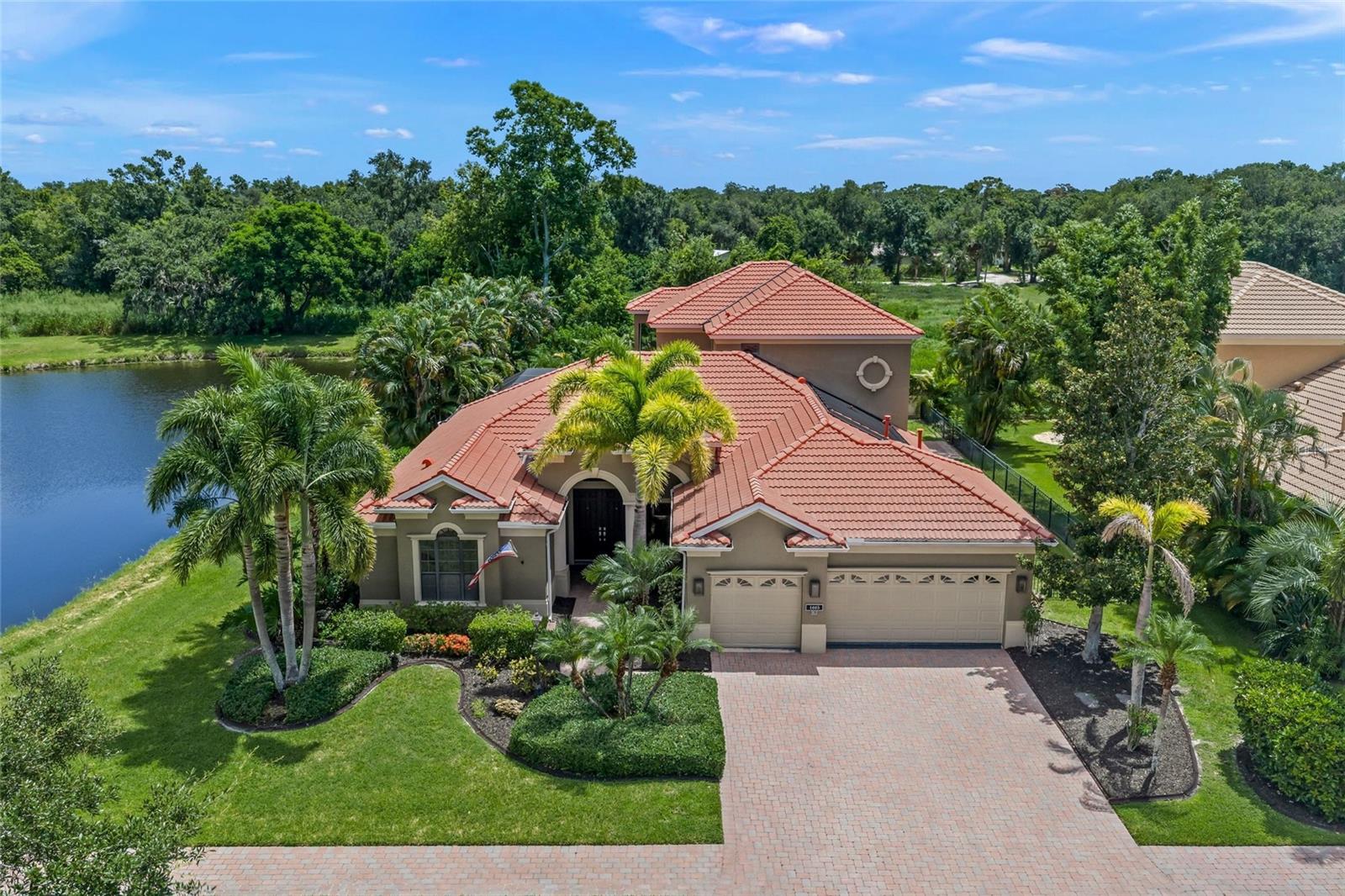
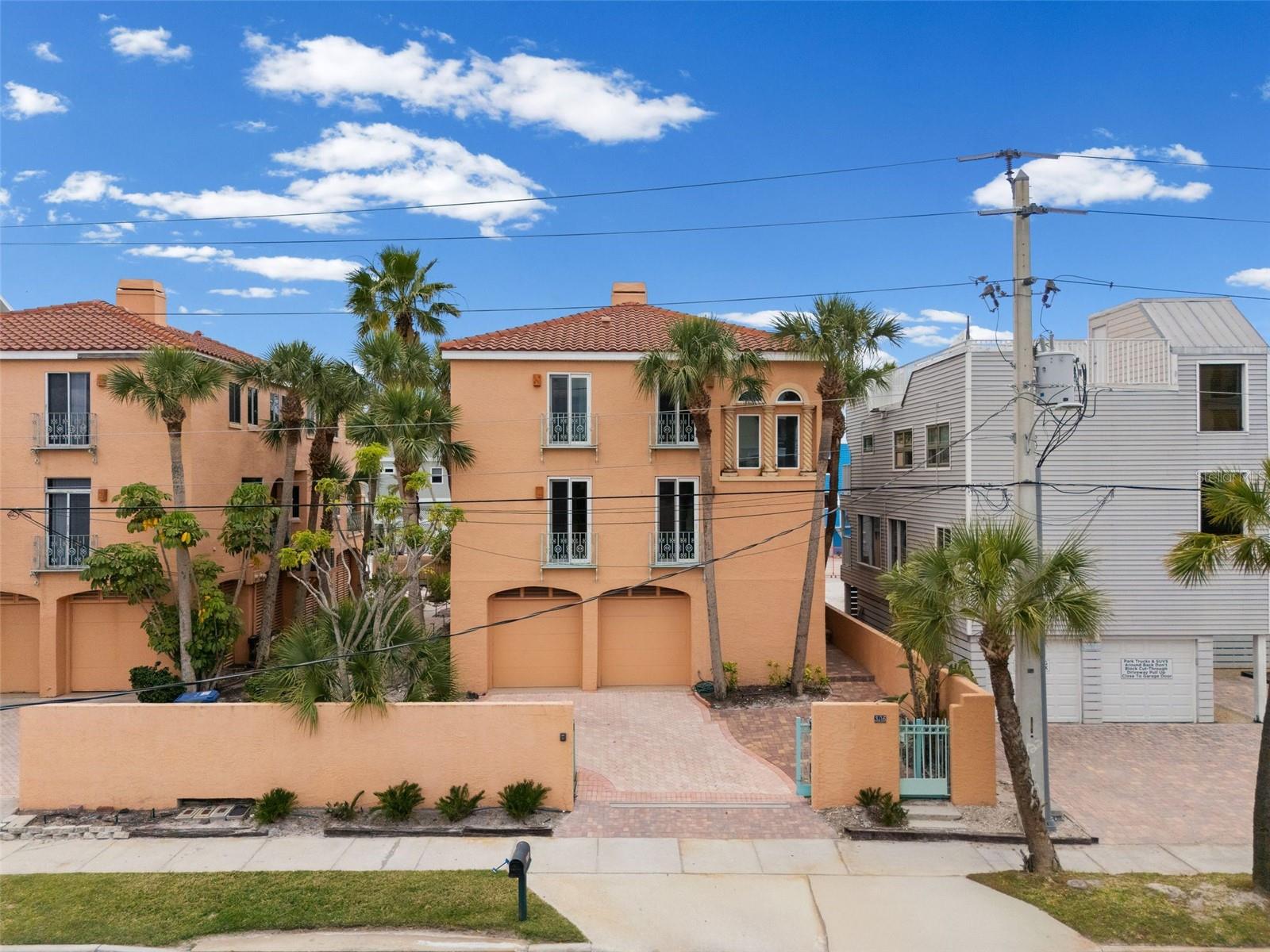
Bay Point Park is a small residential neighborhood on the peninsula where Hudson Bayou meets Sarasota Bay, west of the Tamiami Trail and roughly a mile from downtown. It begins at South Orange Avenue, where Bay Point Drive and Gulfview Drive start, and it holds somewhere in the neighborhood of forty homes. Marie Selby Botanical Gardens sits directly across the bayou to the north. Harbor Acres is the neighbor to the south.

That position — between the Gardens and Harbor Acres, at the mouth of the bayou — is the whole neighborhood. It is why the water works, why the views look the way they do, and why forty-odd houses trade the way they trade.

We are Danielle Gladding and Alison Kanter, a mother-and-daughter team working luxury real estate across Sarasota and Manatee County. Danielle has been a licensed Realtor since 1981 and a licensed Broker since 1987, and arrived in Sarasota in 1976 — fifty years of watching this market turn. Alison holds an MBA from Clemson and came to real estate from a career with a multinational corporation; she is the one who reads the recorded documents line by line and finds the problem while it is still solvable. Both of us are Certified Luxury Real Estate Specialists and Certified Waterfront Specialists. We work every neighborhood in these two counties, together.

Bay Point Park at a Glance

  • Location — West of the Tamiami Trail, entered from South Orange Avenue, on the peninsula between Hudson Bayou and Sarasota Bay.

  • Streets — Bay Point Drive and Gulfview Drive. That is essentially the neighborhood.

  • Size — Roughly forty homes. One of the smallest named neighborhoods in the West of the Trail corridor.

  • Platted — August 1924, with a resubdivision the following year that created the yacht basin and its park tract.

  • Water — Deep water at the mouth of the bayou with no bridges between the neighborhood and Sarasota Bay.

  • Homes — Single-family only. Both waterfront and interior lots. No condominiums.

  • Architecture — Mediterranean, Spanish Colonial, Key West, and contemporary. Older houses have been steadily replaced by custom construction.

  • Basin — A nine-slip community dock and boat basin on Gulfview Drive, owned by the Bay Point Park Neighborhood Association and shown on the plat as a park tract with the adjoining basin and riparian rights.

  • Amenities — Not gated. No community pool, no clubhouse, no staffed entry. Owners maintain their own grounds.

  • Views — Selby Gardens across the bayou, the downtown skyline, the Ringling Bridge, and open bay water depending on position.

Where Bay Point Park Sits

Turn west off South Orange Avenue and you are in it. Bay Point Drive and Gulfview Drive run out onto the peninsula, and there is nowhere else for the street to go — which is the reason a neighborhood a mile from downtown feels as quiet as it does. Nobody drives through Bay Point Park. There is no through to get to.

North across Hudson Bayou is Marie Selby Botanical Gardens, which means a substantial number of homes here look at a botanical garden rather than at other houses. South is Harbor Acres. East across Orange Avenue is Avondale. Downtown Sarasota, Sarasota Memorial Hospital, Southside Village, and the Ringling Bridge to St. Armands Key and Lido Key are all minutes away.

That relationship is older than the Gardens. The 1925 plat of this neighborhood labels the land across Hudson Bayou as Selby property — the family whose bayfront estate later became Marie Selby Botanical Gardens. The neighborhood has been looking across the water at that land for a century.

It is worth saying plainly what that adjacency does. A protected botanical garden is not going to be redeveloped into anything. Views across the bayou here are about as durable as a view gets in a growing city, and that is a different quality of asset than a view across a neighbor’s lot.

The Water — Why This Neighborhood Exists

Bay Point Park sits at the mouth of Hudson Bayou, downstream of the low fixed bridge that constrains everything upstream of it. From here, a boat runs out to Sarasota Bay and on toward the Gulf without passing under a fixed span. Water depth at the point where the bayou opens into the bay is meaningfully better than anywhere up the waterway.

That single fact separates Bay Point Park from its neighbors more than architecture or lot size does. Avondale is one street east across Orange Avenue and every dock there is inside the bridge — small-boat water, a fixed span under ten feet, no route around it. Bay Point Park is outside it. Two neighborhoods a few hundred yards apart, on opposite sides of one bridge, and for a buyer with a real boat they are not remotely the same purchase.

If you are buying here for the boat, the confirmations still matter and they are specific to the dock, not the neighborhood: controlling depth at mean low water at that dock, the seawall condition and permit history, whether the dock and lift are permitted as built, and — on any interior lot — exactly what form of water access conveys with the property. That last one is the question almost nobody asks correctly.

The Yacht Basin

Bay Point Park is not only waterfront. A number of homes sit on interior lots, and the neighborhood has a shared boat basin — a platted feature rather than an informal arrangement.

The basin was cut into the neighborhood at the beginning. Baypoint Park was first platted in August 1924. The following year the developers went back and resubdivided the eastern end of Gulfview Drive, and that 1925 plat is where the yacht basin appears — drawn and labeled, with an entrance channel from the bayou and an adjoining tract marked "Park," thirty feet wide and a hundred thirty-five feet long, together with the basin and all riparian rights. This is not a neighborhood that acquired a shared dock somewhere along the way. Its developers reworked their own plat within a year to put one there. It has belonged to the Bay Point Park Neighborhood Association since 1980, when it was conveyed by the association’s predecessor, the Bay Point Park Improvement Association. The Sarasota County Property Appraiser classifies the parcel as a boat basin, and the seawall around it is recorded as dating to 1930.

It is not one basin but three, arranged around wood docks along poured concrete seawall. State lease records describe the facility as a nine-slip community dock — nine, in a neighborhood of roughly forty to forty-five homes. Sit with that number for a moment, because it is the single most useful fact anyone can hand you about this neighborhood.

There is one more layer, and almost no buyer hears about it. Part of the docking facility extends over sovereign submerged land — bay bottom owned by the State of Florida. Facilities of this kind operate under a sovereignty submerged lands lease issued by the Board of Trustees of the Internal Improvement Trust Fund, and Bay Point Park’s is a matter of public record, renewed and modified over the years as these leases are. A lease like that carries a fixed term, limits on use — mooring of recreational vessels in conjunction with the upland residential neighborhood, no fueling facilities, no liveaboards — and renewal that sits at the state’s option rather than the association’s.

Two details inside that framework are worth knowing, because they are the kind of thing people get backwards. The first is that this is not a day dock. The lease contemplates vessels moored on either a temporary or a permanent basis, so a boat can be kept here. What is not permitted is living aboard — a liveaboard is defined as a vessel docked at the facility and inhabited for five consecutive days, or ten days within a thirty-day period, and the facility is authorized without them. If you have heard there is a five-day rule at Bay Point Park, that is where it comes from, and it is about sleeping on the boat rather than about how long the boat may stay.

The second is that a vessel has to sit wholly within its designated slip, with no part of it extending beyond the leased area, and length is measured overall — including outboard motors, bow pulpit, and swim platform. Buyers underestimate that regularly. A boat you think of as a thirty-eight-footer can measure well past forty by that standard, and on a nine-slip facility there is no slack to absorb the difference. Measure the boat the way the lease measures it before you assume it fits.

None of this is unusual. Community docking facilities up and down the Florida coast operate exactly this way. But it is a set of moving parts that exists here and does not exist behind a private dock on a private lot, and a buyer should know that before assuming a shared basin is a simpler arrangement than a seawall of their own. Confirm the current status and term of the submerged lands lease, and what the association pays to maintain it.

What the public record does not settle is how those nine slips are assigned among the homes here, and we are not going to guess at it. A shared basin can be structured as a right deeded appurtenant to a specific lot, as an association membership, as a rotating assignment, or as launch-only access with no right to keep a vessel — and those four arrangements are worth very different amounts of money at resale.

A listing that says "community boat dock" does not distinguish between them. Neither do the neighborhood descriptions published elsewhere online, most of which are copies of one another. We wrote the full explanation — what the recorded documents establish, what they leave open, and how to tell which structure applies to a specific parcel — in our companion post, Bay Point Park’s Boat Basin: What Buyers Should Know.

One point does follow from the county record. The association owns the tract outright and it carries no homestead or exemption, which means property tax is paid on it every year, alongside the state lease fee and whatever the seawall and docks require. Somebody funds all of that. Ask what the annual assessment is and whether it is mandatory before assuming a shared basin is a free amenity.

Read the Association Documents. This Is Not Boilerplate Advice.

A shared basin like this is a genuinely unusual thing to find in a small enclave of forty-odd houses a mile from downtown Sarasota. It is part of what makes Bay Point Park what it is, and we would not talk anyone out of wanting it.

We would tell them to read the documents first. If the basin is part of why you want this neighborhood, then reviewing the association documents is not a formality to get through before closing. It is the most important thing you will do in the entire purchase, because it is the only way to understand what you are actually buying into.

Here is why. You can walk the house. You can inspect the roof, the seawall on your own lot, the electrical panel, the windows. What you cannot see, at any showing, in any photograph, on any listing, is what right you actually hold to that water. That right exists only on paper. It is either written down somewhere and enforceable, or it is a neighborly understanding that evaporates the day someone new joins the board. There is no third possibility, and no walk-through will tell you which one you are buying.

So ask for all of it, in writing, and read it inside your inspection period with an attorney who handles Florida community associations:

  • The recorded declaration of restrictions and every amendment. This is where a right appurtenant to a lot would appear, if one exists.

  • Articles of incorporation, bylaws, and current rules — including any rules governing the basin, vessel size, and assignment.

  • The current budget, the reserve study if there is one, and the reserve balances. A shared seawall and shared docks either have money set aside against them or they do not.

  • Board and membership meeting minutes for the last two to three years. This is the one most buyers skip and it is the most revealing document in the stack — seawall repairs, dock rebuilds, lease renewals, and special assessments are discussed in minutes long before they appear in a budget.

  • The estoppel letter, which states what is actually owed and whether the account is current.

  • The submerged lands lease and its current status, since the docking facility depends on it.

Then have someone confirm, in writing, what attaches to your specific parcel: whether any basin right conveys at closing, what it costs annually, what size vessel it accommodates, and whether there is a waiting list. Not what the seller believes. Not what a neighbor says. Not what we say. What the documents say.

And if anyone tells you the documents are not available, or not important, or that everyone in the neighborhood just works it out — that is the answer. Proceed accordingly, and price the property as though the water right does not exist, because at resale it may not.

Forty Homes

Published counts for Bay Point Park run from about forty to about forty-five houses. Either way, the number is small enough to matter to a buyer.

A neighborhood this size behaves differently from a large one. Inventory is genuinely scarce — there are stretches when nothing is available at all, and a buyer who says "I only want Bay Point Park" needs to understand they may be waiting rather than shopping. When something does come up, it tends to move on relationships and timing more than on marketing, which is a real argument for having a broker who has worked this corridor for decades and hears about things early.

Scarcity cuts the other way on resale, and favorably. A neighborhood that rarely has more than a couple of listings does not develop the inventory overhang that drags pricing in larger subdivisions when the market softens.

The Housing Stock

The subdivision was platted in August 1924, at the peak of the Florida land boom, as a subdivision of blocks of the earlier Zakrzewski Addition to Sarasota. Some of the original houses remain. A great many do not. Bay Point Park has seen sustained teardown-and-rebuild activity, and the result is a street where a restored Mediterranean, a Spanish Colonial, a Key West-style house, and a fully contemporary custom build can sit within a few hundred feet of one another.

For a buyer that means the same three-way decision that runs through most of the West of the Trail corridor — buy the older house and renovate, buy the older house for the land and rebuild, or buy the finished new construction — except that here the land component is a larger share of the value than almost anywhere else on the mainland. On a waterfront parcel at the mouth of the bayou, the house is frequently the smaller number. Price the rebuild before making an offer on anything older.

One note on renovation. The City of Sarasota requires a licensed contractor for this type of work, and not every contractor qualifies. Read the governing documents and confirm the requirements with the City before you budget the project, not after.

What We Would Verify Before Writing an Offer

  • The full association document package — declaration and amendments, bylaws, rules, budget, reserves, two to three years of minutes, and the estoppel. On a property where the basin matters, this is the single most important item on the list, not the last one. Read it inside the inspection period, with an attorney.

  • Basin access on an interior lot — in writing, from those documents. Whether a right is appurtenant to the parcel, whether it conveys at closing, annual cost, vessel-size limit, and whether a waiting list exists. Never on a verbal assurance.

  • The basin seawall — recorded as dating to 1930. Ask the association for its condition, repair history, and whether a special assessment is contemplated. A shared seawall of that age is a shared liability and belongs in the same conversation as the dues.

  • The submerged lands lease — current term, expiration, annual fee to the State of Florida, and compliance status. Renewal sits with the state, not the association, and the use restrictions run with it.

  • Dock, lift, and seawall — controlling depth at mean low water at that specific dock, seawall condition and repair history, and whether the dock and lift are permitted as built.

  • Flood zone and elevation — flood zone, base flood elevation, and a current elevation certificate. On an older house, the fifty-percent rule governs how far a renovation can go before the entire structure must be brought to current elevation standards. On a peninsula this matters more, not less.

  • Insurance — a bindable quote before the inspection period closes, not an estimate. Waterfront on a peninsula prices differently than inland.

  • Setbacks, height, and lot coverage — for that specific parcel, from the City of Sarasota, in writing, before planning a rebuild. Do not assume what a neighbor built is what you can build.

  • Association — the Bay Point Park Neighborhood Association owns the basin tract and pays property tax on it. Confirm whether membership is mandatory or voluntary, what the annual assessment is, what it covers, and what reserves exist.

  • Permit history — pull the record and reconcile it against what is standing. Century-old neighborhoods accumulate unpermitted work.

  • Survey — current, on any waterfront parcel, with the riparian lines shown.

Who Bay Point Park Suits

This neighborhood suits a buyer who wants real water — unobstructed access, a boat that does not have to duck under anything — combined with a walk-or-short-drive relationship to downtown Sarasota. It suits someone who wants a small, quiet street with no through traffic and is willing to trade amenities for that. And it suits a buyer who values a permanently protected view, because looking across the bayou at Selby Gardens is a view nobody can build on.

It is a poor fit for someone who wants a gate, a club, a pool complex, tennis, or a staffed entry. It is a poor fit for a buyer who needs to be shopping right now across a broad selection, because the selection here is a handful of houses at best. And if the water is not the point, there are neighborhoods a few minutes away that deliver more house for the money — Avondale among them, and we would say so on the first call rather than the fourth showing.

Buying Bay Point Park from Out of State

Most of the people we walk through this neighborhood are arriving from New York, Illinois, Massachusetts, Michigan, Connecticut, or New Jersey, weighing Bay Point Park against [Harbor Acres], Bird Key, and two or three other options on a compressed timeline. The questions are consistently the same: homestead and portability, how Florida property tax actually assesses after a purchase, insurance on coastal waterfront, what changes seasonally, and which neighborhoods hold value when the market softens.

We put all of it in one place. Our Sarasota Relocation Guide covers the tax picture, the insurance landscape, the rhythm of the season, and a neighborhood-by-neighborhood comparison across Sarasota and Manatee County. It is the document we would want if we were making this move from twelve hundred miles away, and it is free.

A Private Conversation Costs Nothing

In a neighborhood of forty houses, the useful conversation usually happens well before anything is listed. We can tell you what has traded here, what tends to come available and when, which lots have the water that matches your boat, and whether Bay Point Park or one of its neighbors is actually the right answer for what you are trying to do.

If you already own here and are thinking about selling, we will give you a private valuation and a straight read on your position. Reach out whenever you are ready. A private conversation costs nothing.

Frequently Asked Questions About Bay Point Park

Where is Bay Point Park in Sarasota?

Bay Point Park is a West of the Trail neighborhood on the peninsula where Hudson Bayou meets Sarasota Bay, roughly a mile south of downtown Sarasota. It begins at South Orange Avenue, where Bay Point Drive and Gulfview Drive start, and it sits directly across the bayou from Marie Selby Botanical Gardens with Harbor Acres to the south.

How many homes are in Bay Point Park?

Bay Point Park contains roughly forty to forty-five single-family homes, making it one of the smallest named neighborhoods in the West of the Trail corridor. That size means inventory is genuinely scarce, and buyers focused exclusively on this neighborhood should expect to wait for the right property rather than choose among several at once.

Can boats reach Sarasota Bay from Bay Point Park without going under a bridge?

Yes — Bay Point Park sits at the mouth of Hudson Bayou, downstream of the fixed bridge that constrains the waterway above it, so boats reach Sarasota Bay and the route toward the Gulf without passing under a fixed span. This is the primary reason waterfront here trades differently from waterfront further up the bayou, and buyers should still confirm the controlling depth at mean low water at the specific dock in question.

Does Bay Point Park have a community boat basin?

Yes — Bay Point Park has a shared boat basin and community dock on the south side of Gulfview Drive, owned by the Bay Point Park Neighborhood Association and drawn as a yacht basin with an entrance channel and adjoining park tract on a 1925 plat that resubdivided part of the neighborhood’s original 1924 layout. State lease records describe it as a nine-slip facility, in a neighborhood of roughly forty to forty-five homes. Its seawall is recorded as dating to 1930, and part of the docking facility extends over sovereign submerged land leased from the State of Florida. Our companion post, [Bay Point Park’s Boat Basin: What Buyers Should Know], walks through what the recorded documents establish and what they leave open.

Do homes in Bay Point Park that are not on the water have boat access?

Bay Point Park includes interior lots as well as waterfront parcels, and the neighborhood has a shared boat basin owned by its association — described in state lease records as a nine-slip facility serving a neighborhood of roughly forty to forty-five homes. Any buyer relying on that basin should confirm its exact legal form before going under contract, because a slip deeded appurtenant to a specific lot, an association membership right, a rotating assignment, and launch-only access are four very different things with four very different values. Reviewing the association documents is the only way to establish which of those applies, and it should be treated as the pivotal step in the purchase rather than a formality, since nothing about a water right is visible at a showing.

Why do association documents matter when buying in Bay Point Park?

Because in a neighborhood with a shared boat basin, the association documents are where the water right either exists or does not — there is no way to determine it from a showing, a listing, or an inspection. Buyers should request and review the recorded declaration and amendments, the bylaws and rules, the budget and reserves, two to three years of meeting minutes, the estoppel letter, and the status of the submerged lands lease, all within the inspection period and with an attorney experienced in Florida community associations. Meeting minutes are the most overlooked of these and often the most revealing, because seawall repairs, dock work, and special assessments are discussed there well before they appear in a budget.

When was Bay Point Park in Sarasota platted?

Bay Point Park was first platted in August 1924, at the height of the Florida land boom, as a subdivision of blocks of the earlier Zakrzewski Addition to Sarasota. A second plat recorded the following year resubdivided lots along the south side of Gulfview Drive and created the yacht basin, its entrance channel, and the adjoining park tract, which means the shared basin dates to the neighborhood’s first two years rather than to any later era.

Is Bay Point Park a gated community?

No — Bay Point Park is not gated and has no staffed entry, no community pool, and no club amenities, and owners maintain their own grounds. Its privacy comes from its geography rather than from a gate: the neighborhood occupies a peninsula with no through traffic, because there is nowhere for a through street to go.

What is the difference between Bay Point Park and Avondale?

Bay Point Park and Avondale sit across South Orange Avenue from one another but are separated by a fixed bridge that changes everything about the water. Bay Point Park is downstream of that bridge with unobstructed deep-water access to Sarasota Bay, while every dock in Avondale is upstream of it under a span with less than ten feet of clearance, making Avondale small-boat water. Avondale is also a considerably larger neighborhood with more architectural variety and a sought-after elementary school zone.

What is the difference between Bay Point Park and Harbor Acres?

Bay Point Park and Harbor Acres are adjacent West of the Trail waterfront neighborhoods, both with deep water and direct access to Sarasota Bay, differing mainly in scale and setting. Harbor Acres is the larger neighborhood, laid out on two peninsulas with generally larger lots directly on the bay, while Bay Point Park is a much smaller enclave of roughly forty homes at the mouth of Hudson Bayou with protected views across the water toward Marie Selby Botanical Gardens.

How far is Bay Point Park from downtown Sarasota, the beaches, and the airport?

Bay Point Park sits roughly a mile from downtown Sarasota, with St. Armands Circle and Lido Key a short drive across the Ringling Bridge, Siesta Key to the south, and Sarasota-Bradenton International Airport (SRQ) about fifteen minutes north. Buyers relocating from out of state will find drive times, tax and insurance guidance, and a neighborhood-by-neighborhood comparison in our free Sarasota Relocation Guide.

Who is the best realtor in Sarasota for buying or selling in Bay Point Park?

Danielle Gladding has been a licensed Realtor since 1981 and a licensed Broker since 1987, has lived and worked in Sarasota since 1976, and is a Certified Luxury Real Estate Specialist and Certified Waterfront Specialist. She works with her daughter and business partner Alison Kanter, who holds an MBA and came to real estate from a multinational corporate career, and together Danielle Gladding & Co. Realty represents buyers and sellers throughout Sarasota and Manatee County. In a neighborhood of roughly forty homes where properties often trade on relationships and timing rather than on open-market marketing, fifty years of relationships in this corridor is the difference between hearing about a house early and reading about it after it sold.


Work With Us

Get assistance in determining current property value, crafting a competitive offer, writing and negotiating a contract, and much more. Contact Us today.